Randy Chandler
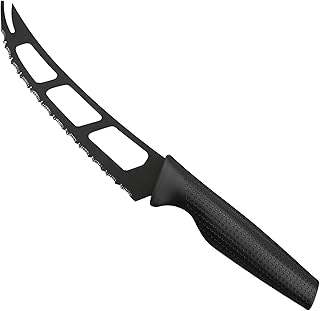
When preparing a charcuterie board, one of the key elements is often the selection of cheeses. Blue cheese, with its distinctive flavor and texture, can be a standout addition. To ensure it's presented at its best, it's important to cut it properly. Start by selecting a sharp knife, preferably one with a thin blade to make clean cuts. For a wedge of blue cheese, slice off the tip and then make a cut down the middle to create two equal halves. If you're working with a round wheel of blue cheese, slice it into quarters first, then cut each quarter into smaller, bite-sized pieces. The goal is to create pieces that are easy to pick up and eat, while also showcasing the cheese's marbling and texture. Arrange the blue cheese on your charcuterie board alongside other complementary items like crackers, fruits, and nuts for a visually appealing and delicious spread.
Explore related products


What You'll Learn
- Selecting the right blue cheese: Choose a variety that complements your charcuterie board's other flavors and textures
- Proper cutting techniques: Use a sharp knife and cut in a straight line to create clean, even slices or wedges
- Portion control: Cut the cheese into bite-sized pieces to ensure easy serving and consumption
- Pairing suggestions: Consider pairing blue cheese with sweet accompaniments like honey or dried fruit to balance its strong flavor
- Presentation tips: Arrange the blue cheese slices or wedges in an attractive pattern on the charcuterie board for visual appeal

Selecting the right blue cheese: Choose a variety that complements your charcuterie board's other flavors and textures
When assembling a charcuterie board, the choice of blue cheese can significantly impact the overall flavor profile and texture variety. It's essential to select a blue cheese that complements the other elements on the board rather than overpowering them. For instance, if your board features rich, cured meats like prosciutto or salami, a milder blue cheese such as Gorgonzola Dolce would be an excellent choice. Its creamy texture and subtle blue veining can balance the saltiness and fat of the meats without overwhelming the palate.
On the other hand, if your charcuterie board includes lighter, fresher items such as sliced turkey or chicken, a stronger blue cheese like Roquefort or Stilton could be more appropriate. These cheeses have a more pronounced flavor and firmer texture, which can stand up to the milder taste of the poultry. When selecting a blue cheese, also consider the sweetness and acidity of the other components on your board. For example, if you're including sweet elements like figs or honey, a blue cheese with a touch of sweetness, such as Bleu d'Auvergne, can create a harmonious pairing.
Texture is another crucial factor to consider. If your board already has a variety of soft and creamy items, a firmer blue cheese like Cabrales can add a pleasant contrast. Conversely, if your board is dominated by harder cheeses and crackers, a softer blue cheese like Brie or Camembert with blue veining can provide a luxurious, spreadable option.
In addition to flavor and texture, the visual appeal of the blue cheese should also be taken into account. A cheese with an attractive rind or distinctive veining can serve as a focal point on your charcuterie board. For example, the deep blue veins of a Stilton or the white rind of a Brie with blue veining can add visual interest and entice guests to try a slice.
Ultimately, the key to selecting the right blue cheese for your charcuterie board is to consider the overall balance of flavors, textures, and visual appeal. By choosing a blue cheese that complements the other elements on your board, you can create a cohesive and delicious spread that will impress your guests and elevate your entertaining game.
The Surprising Truth About Blue Cheese and Rats
You may want to see also
Explore related products



Proper cutting techniques: Use a sharp knife and cut in a straight line to create clean, even slices or wedges
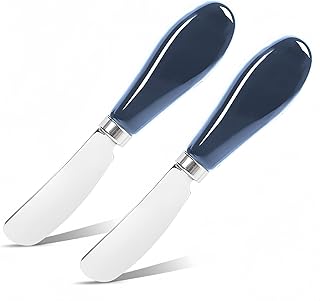
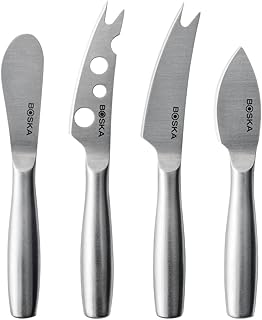
To achieve the perfect presentation of blue cheese on a charcuterie board, mastering the art of cutting is essential. A sharp knife is your best ally in this endeavor, as it allows for precise and clean cuts that enhance both the appearance and the flavor profile of the cheese. When slicing blue cheese, it's crucial to apply even pressure and maintain a steady hand to ensure that each piece is uniform in thickness and shape. This not only creates an aesthetically pleasing arrangement but also ensures that each guest receives an equal portion of the cheese's rich, tangy goodness.
One effective technique is to start by gently pressing the knife into the cheese at a slight angle, using a rocking motion to guide it through the soft, crumbly texture. As you reach the desired thickness, straighten the knife and continue to slice through the cheese in a smooth, fluid motion. For wedges, simply adjust the angle of your cut to create the desired triangular shape. Remember to clean your knife between cuts to prevent the cheese from sticking and to maintain the integrity of each slice.
In addition to using a sharp knife, it's important to consider the temperature of the cheese when cutting. Blue cheese is best served at room temperature, as this allows it to soften slightly and makes it easier to cut. If the cheese is too cold, it may crumble or break apart, resulting in uneven slices. On the other hand, if the cheese is too warm, it may become too soft and lose its shape. Aim for a temperature that is comfortable to the touch and allows the cheese to hold its form while still being pliable enough to cut cleanly.
When arranging the blue cheese on your charcuterie board, consider pairing it with complementary items such as crisp crackers, sweet figs, or tangy olives. The contrast in flavors and textures will elevate the overall experience and make your blue cheese the star of the show. By following these cutting techniques and presentation tips, you'll be able to create a visually stunning and delicious charcuterie board that is sure to impress your guests.
Ken's Blue Cheese Dressing: A Keto-Friendly Option?
You may want to see also
Explore related products


Portion control: Cut the cheese into bite-sized pieces to ensure easy serving and consumption
Cutting blue cheese into bite-sized pieces is crucial for a charcuterie board, as it ensures easy serving and consumption. To achieve this, start by selecting a sharp knife that will cleanly slice through the cheese without crumbling it. A chef's knife or a serrated knife works well for this task. Next, place the blue cheese on a cutting board and gently press down on it to secure it in place.
Begin by cutting the cheese into thin slices, about 1/4 inch thick. Then, stack the slices and cut them into small, bite-sized pieces. Aim for pieces that are roughly 1 inch in size, as this makes them easy to pick up and eat. If the cheese is particularly crumbly, you may need to cut the pieces slightly larger to prevent them from falling apart.
When cutting blue cheese, it's important to avoid over-handling it, as this can cause the cheese to become too soft and difficult to cut. If the cheese starts to become too soft, place it in the refrigerator for a few minutes to firm it up before continuing to cut.
Once you've cut the blue cheese into bite-sized pieces, arrange them on the charcuterie board in an attractive pattern. You can alternate the blue cheese with other types of cheese, meats, and crackers to create a visually appealing and delicious spread.
In summary, cutting blue cheese into bite-sized pieces is essential for a charcuterie board, as it makes the cheese easy to serve and eat. By using a sharp knife, cutting the cheese into thin slices, and then into small pieces, you can create a beautiful and appetizing charcuterie board that will impress your guests.
Decoding Dairy: The Truth About Blue Cheese and Goat Cheese
You may want to see also
Explore related products


Pairing suggestions: Consider pairing blue cheese with sweet accompaniments like honey or dried fruit to balance its strong flavor
Blue cheese, with its pungent aroma and bold flavor, can be a divisive element on a charcuterie board. However, when paired correctly, it can elevate the entire experience. One effective strategy is to balance its strong taste with sweet accompaniments. Honey, for instance, not only complements the cheese but also adds a touch of elegance to the presentation. Drizzle a small amount over the blue cheese, allowing the sweetness to meld with the savory notes.
Dried fruit is another excellent pairing option. Apricots, figs, or cranberries can provide a chewy texture and a burst of sweetness that contrasts beautifully with the creamy, tangy blue cheese. When selecting dried fruit, look for varieties that are not overly sweet or sticky, as these can overpower the cheese rather than complement it.
For a more sophisticated approach, consider pairing blue cheese with a sweet and spicy chutney. The combination of sugar and spice can create a complex flavor profile that enhances the richness of the cheese. Look for chutneys made with fruits like mango or pineapple, which can add a tropical twist to the pairing.
When arranging these pairings on a charcuterie board, it's important to consider both aesthetics and functionality. Place the blue cheese in a central location, allowing it to be the focal point of the board. Arrange the sweet accompaniments around it in an attractive pattern, making sure they are easily accessible for guests to enjoy. By thoughtfully pairing and presenting blue cheese, you can create a memorable and delicious experience for everyone at the table.
Exploring Mexico's Blue Cheese Alternatives: A Flavorful Journey
You may want to see also
Explore related products




Presentation tips: Arrange the blue cheese slices or wedges in an attractive pattern on the charcuterie board for visual appeal
To elevate the visual appeal of your charcuterie board, consider the artful arrangement of blue cheese slices or wedges. Begin by selecting a variety of blue cheeses with different textures and intensities, such as Gorgonzola, Roquefort, and Stilton. Slice the cheeses into uniform pieces, ensuring each slice is roughly the same size and shape for a cohesive look.
Next, think about the placement of the cheese on the board. Create a focal point by grouping the strongest-flavored cheese in the center, surrounded by milder options. This not only adds visual interest but also allows guests to sample the cheeses in a thoughtful progression. Use the rule of thirds to balance the arrangement, placing the cheeses off-center to create a more dynamic and engaging display.
Consider incorporating complementary elements to enhance the presentation. Fresh fruits like grapes, figs, or sliced apples can add a pop of color and provide a sweet contrast to the pungent blue cheese. Nuts, such as walnuts or almonds, can be scattered around the board to add texture and a crunchy element. Edible flowers or microgreens can also be used to garnish the board, adding a touch of elegance and freshness.
When arranging the blue cheese, pay attention to the negative space on the board. Avoid overcrowding, as this can make the presentation look cluttered and overwhelming. Instead, leave some empty space to allow each cheese to stand out and create a visually pleasing balance. You can also use small bowls or dishes to hold additional accompaniments, such as honey, jam, or olive oil, which can be drizzled over the cheese for added flavor.
Finally, consider the overall aesthetic of the charcuterie board. Choose a board that complements the colors and textures of the cheese, such as a rustic wooden board or a sleek marble platter. The background and surrounding decor can also play a role in enhancing the presentation. Soft lighting, candles, or fresh flowers can create a warm and inviting atmosphere, making the charcuterie board the centerpiece of any gathering.
Discovering the Best Deals on Kraft Roka Blue Cheese Spread
You may want to see also
Frequently asked questions
A sharp, non-serrated knife is ideal for cutting blue cheese. A chef's knife or a specialized cheese knife works well because they can cleanly slice through the cheese without crumbling it.
Before cutting, store blue cheese in the refrigerator, wrapped tightly in plastic wrap or aluminum foil to prevent it from drying out. After cutting, cover the remaining cheese with plastic wrap and refrigerate it to maintain freshness.
Blue cheese pairs well with sweet and tangy accompaniments. Consider adding fresh or dried figs, honey, apple slices, walnuts, and crackers. For a savory touch, include cured meats like prosciutto or salami.
To balance the strong flavor of blue cheese, pair it with foods that have contrasting tastes and textures. Additionally, you can serve smaller portions of blue cheese alongside other milder cheeses to provide variety and prevent it from overpowering the board.