Kamil Perry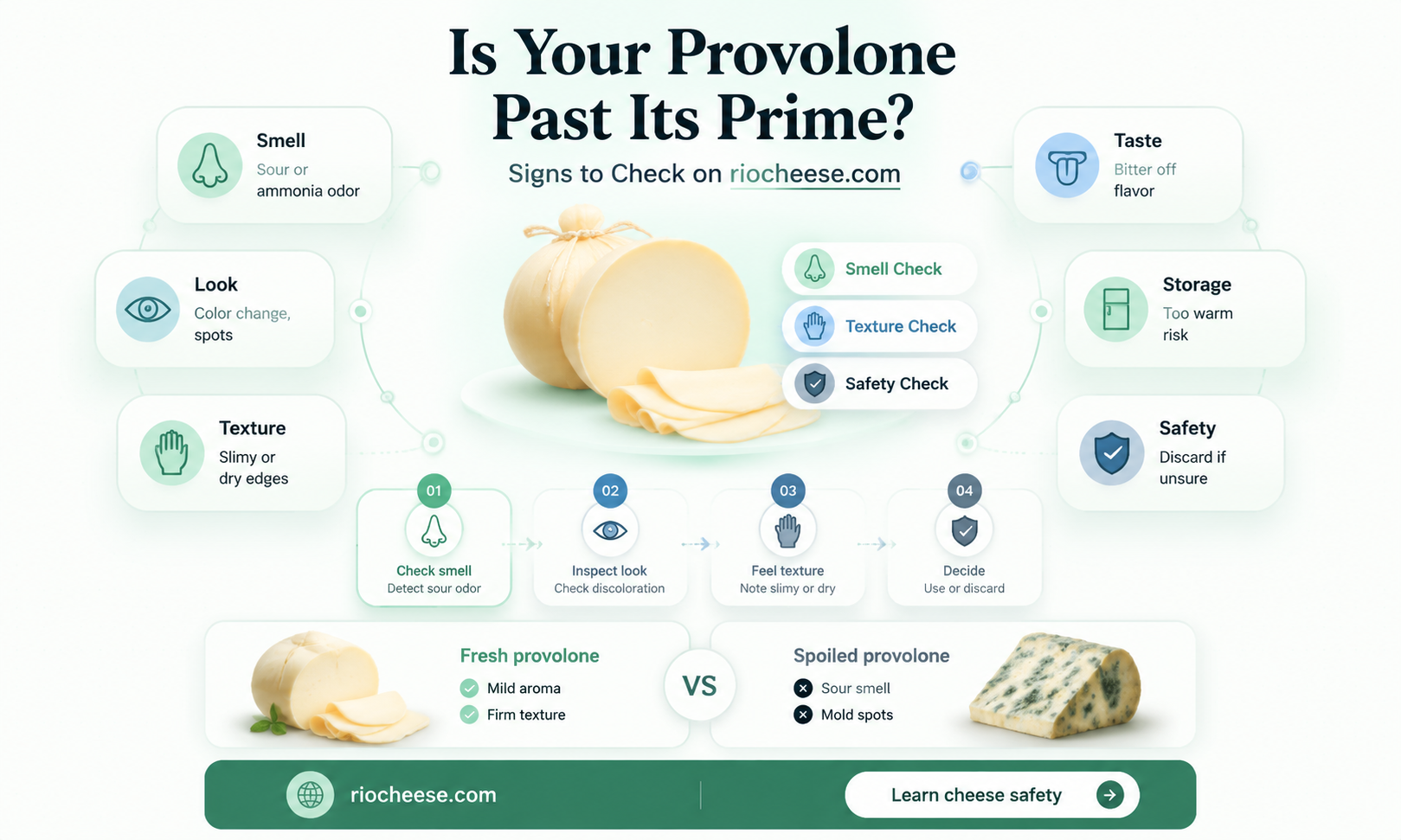
Provolone cheese, known for its smooth texture and mild flavor, is a popular choice for sandwiches, pizzas, and snacks. However, like all dairy products, it has a limited shelf life and can spoil over time. Recognizing when provolone cheese has gone bad is crucial to ensure food safety and maintain its quality. In this guide, we'll explore the key signs to look out for, including changes in appearance, texture, and smell, as well as provide tips on proper storage to extend its freshness. By learning how to identify spoiled provolone cheese, you can make informed decisions about when to discard it and when to enjoy it at its best.
Explore related products


What You'll Learn
- Odor: Check for strong, unpleasant smells. Fresh provolone should have a mild, buttery aroma
- Appearance: Look for mold, sliminess, or discoloration. Good provolone should be smooth and evenly colored
- Texture: Feel for softness or stickiness. Properly stored provolone should be firm but yield slightly to pressure
- Taste: Sample a small piece. Bad provolone may taste sour, bitter, or have an off-flavor
- Expiration Date: Verify the date on the packaging. Consuming cheese past its expiration can be risky

Odor: Check for strong, unpleasant smells. Fresh provolone should have a mild, buttery aroma
Fresh provolone cheese is known for its mild, buttery aroma, which is a key indicator of its quality and freshness. When checking for spoilage, a strong, unpleasant smell is often one of the first signs that the cheese has gone bad. This off-odor can range from a sharp, ammonia-like smell to a sour or even moldy scent, depending on the type of bacteria or mold that has begun to grow.
To properly assess the odor of provolone cheese, it's important to smell it directly, preferably by bringing it close to your nose and taking a deep breath. This will allow you to detect any subtle changes in the aroma that might not be immediately apparent. If the cheese has a strong, pungent smell that is distinctly different from its usual mild aroma, it's likely that the cheese has begun to spoil.
It's also worth noting that the odor of provolone cheese can be affected by its storage conditions. If the cheese has been stored in a warm or humid environment, it may develop a stronger smell more quickly than if it had been stored properly in a cool, dry place. Therefore, when evaluating the odor of provolone cheese, it's important to consider the storage conditions as well.
In addition to the odor, there are other signs that can indicate spoilage in provolone cheese, such as changes in texture, color, or taste. However, the odor is often the most reliable indicator, as it can be detected before any visible changes occur. By regularly checking the odor of your provolone cheese, you can help ensure that it remains fresh and safe to eat.
The Truth About Raclette Cheese: Does It Really Smell That Bad?
You may want to see also
Explore related products


Appearance: Look for mold, sliminess, or discoloration. Good provolone should be smooth and evenly colored
Provolone cheese, known for its smooth texture and mild flavor, can be a delightful addition to many dishes. However, ensuring its quality is crucial for both taste and safety. When examining provolone cheese for signs of spoilage, the appearance is a key indicator. Look for any mold growth, which may appear as greenish or bluish patches on the surface. Sliminess is another red flag; fresh provolone should have a firm, smooth texture without any excessive moisture. Discoloration is also a sign to watch for; the cheese should maintain an even, creamy color throughout.
To further assess the cheese's condition, consider its smell. Fresh provolone should have a mild, slightly sweet aroma. If it emits a strong, unpleasant odor, it's likely past its prime. Additionally, check the cheese's firmness. While provolone should be somewhat soft, it shouldn't be mushy or easily spreadable. If it feels too soft or begins to crumble excessively, it may be spoiled.
When storing provolone cheese, it's essential to keep it in the proper conditions to maintain its quality. Wrap it tightly in plastic wrap or aluminum foil and store it in the refrigerator. It's best to consume provolone cheese within a few weeks of purchase for optimal flavor and texture. If you notice any signs of spoilage, it's important to discard the cheese to avoid potential health risks.
In summary, to determine if provolone cheese is bad, carefully inspect its appearance, smell, and texture. Look for mold, sliminess, or discoloration, and ensure it maintains a mild aroma and firm texture. Proper storage and timely consumption are also crucial in preserving the cheese's quality and safety.
Unveiling the Nutritional Truth: Are Cheese Balls Really Bad for You?
You may want to see also
Explore related products


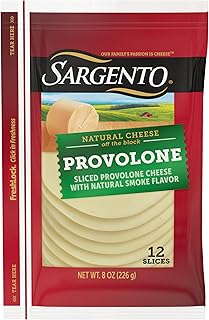


Texture: Feel for softness or stickiness. Properly stored provolone should be firm but yield slightly to pressure
Provolone cheese, when stored correctly, maintains a firm texture that yields slightly under pressure. This characteristic firmness is a key indicator of the cheese's quality and freshness. To assess the texture, gently press your fingers into the surface of the cheese. Fresh provolone should offer a slight resistance, indicating its structural integrity and moisture content are well-balanced.
If the cheese feels overly soft or mushy, it may be a sign of spoilage. This softness can result from excessive moisture absorption or the breakdown of the cheese's proteins and fats due to bacterial activity. On the other hand, if the cheese feels too hard or crumbly, it might be dried out, which can happen if it's been exposed to air for too long or stored in a low-humidity environment.
Stickiness is another texture-related indicator. While a slight sheen on the surface is normal, excessive stickiness could suggest the presence of mold or an overgrowth of bacteria. It's important to note that the texture test should be combined with other sensory evaluations, such as smell and appearance, to make a comprehensive judgment about the cheese's condition.
In summary, the ideal texture of provolone cheese is firm with a slight give, indicating proper storage and handling. Deviations from this texture, such as excessive softness, hardness, or stickiness, can be warning signs that the cheese is no longer at its best and should be inspected further for potential spoilage.
The Shelf Life of Gruyère: Does This Cheese Go Bad?
You may want to see also
Explore related products


Taste: Sample a small piece. Bad provolone may taste sour, bitter, or have an off-flavor
The taste test is a crucial step in determining the quality of provolone cheese. When sampling a small piece, pay close attention to the flavor profile. Fresh provolone should have a mild, slightly sweet taste with a hint of saltiness. It should be smooth and creamy on the palate, with no unpleasant aftertaste. If the cheese tastes sour, bitter, or has an off-flavor, it may be past its prime.
Sourness in provolone can indicate the presence of harmful bacteria, which can cause foodborne illness. Bitterness may be a sign of over-ripeness or improper storage conditions. An off-flavor, which is a vague, unpleasant taste that doesn't fit into the sour or bitter categories, can also be a red flag. This could be due to a variety of factors, such as exposure to strong odors, improper handling, or the cheese being left out at room temperature for too long.
To conduct a taste test, start by cutting off a small, thin slice of the cheese. This will allow you to get a good sense of the flavor without committing to a larger portion. Let the cheese sit at room temperature for a few minutes to bring out its full flavor. Then, take a small bite and chew slowly, paying attention to the taste and texture. If the cheese passes the taste test, it should be safe to consume. However, if you notice any of the warning signs mentioned above, it's best to err on the side of caution and discard the cheese.
Remember, the taste test is just one part of the process for determining the quality of provolone cheese. Be sure to also check the cheese's appearance, smell, and texture for any signs of spoilage. By taking a comprehensive approach, you can ensure that you're consuming safe, high-quality cheese.
The Impact of Cheese on Dental Health: Facts and Myths
You may want to see also
Explore related products


Expiration Date: Verify the date on the packaging. Consuming cheese past its expiration can be risky
Expiration dates on cheese packaging serve as a critical safety measure, indicating the last date the manufacturer guarantees the product's quality and safety. Consuming cheese past its expiration date can pose health risks, including foodborne illnesses caused by harmful bacteria that may have multiplied over time. To ensure the provolone cheese you're about to enjoy is still safe to eat, always check the expiration date printed on the packaging.
When examining the expiration date, look for a clear, legible print that typically follows the format of month, day, and year. If the date has passed, it's best to err on the side of caution and discard the cheese. Even if the cheese appears and smells fine, the risk of foodborne illness increases significantly after the expiration date.
It's also important to consider how the cheese has been stored. Proper storage conditions, such as maintaining a consistent refrigerator temperature below 40°F (4°C), can help extend the cheese's shelf life up to the expiration date. However, if the cheese has been stored improperly or has been left at room temperature for an extended period, its quality may deteriorate more quickly, potentially rendering it unsafe to consume even before the expiration date.
In addition to checking the expiration date, it's a good practice to inspect the cheese for any signs of spoilage, such as mold, sliminess, or an off odor. If you notice any of these signs, discard the cheese immediately, regardless of the expiration date. By being vigilant about expiration dates and storage conditions, you can help ensure that the provolone cheese you consume is safe and of high quality.
The Surprising Truth About Cheese Puffs: Are They Really Bad for You?
You may want to see also
Frequently asked questions
Provolone cheese can show signs of spoilage through changes in its appearance, texture, and smell. Look for mold, sliminess, or discoloration. If it has a strong, unpleasant odor or feels soft and mushy, it's likely past its prime.
Provolone cheese typically has a shelf life of about 2 to 3 months when stored properly in the refrigerator at a temperature between 35°F and 40°F (1.6°C and 4.4°C). It should be kept in a sealed container or wrapped tightly in plastic wrap or aluminum foil to prevent air exposure.
It's generally not recommended to use cheese with visible mold, even if it's just a slight amount. Mold can spread quickly and may produce harmful toxins. It's best to discard the cheese to ensure food safety.