Patrick Oconnell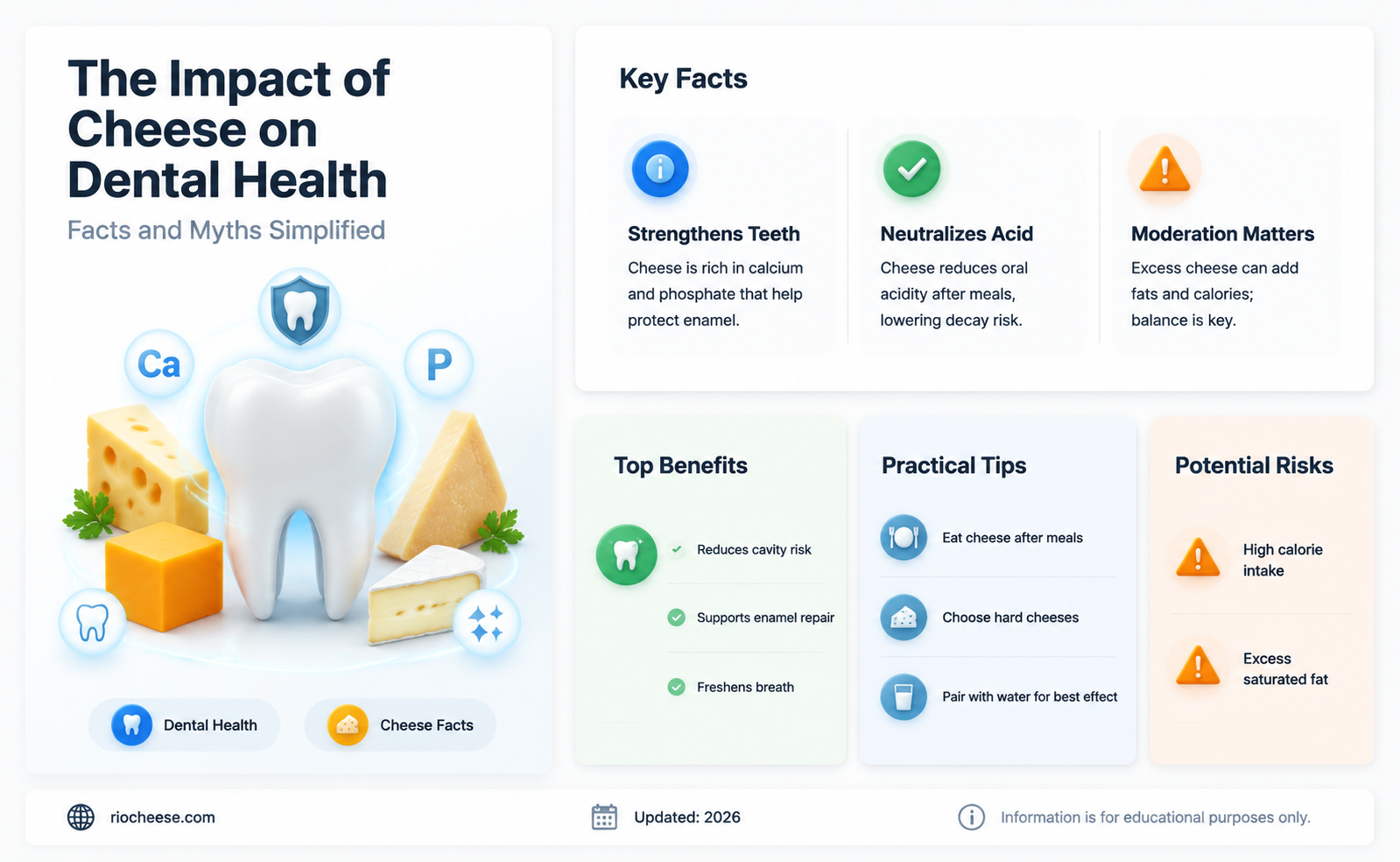
Cheese, a beloved dairy product enjoyed worldwide, has long been a subject of debate when it comes to its impact on dental health. While it's no secret that cheese is high in calcium, which is essential for strong bones and teeth, it's also rich in fats and acids that can contribute to tooth decay if not consumed in moderation. The question of whether cheese is bad for teeth is not a simple one, as it depends on various factors such as the type of cheese, how much is consumed, and overall oral hygiene practices. In this article, we'll delve into the complexities of cheese's relationship with dental health, exploring both the potential benefits and drawbacks of incorporating this popular food into your diet.
Explore related products


What You'll Learn
- Calcium Content: Cheese is rich in calcium, which strengthens tooth enamel and prevents cavities
- Acid Production: Some cheeses can produce acid in the mouth, potentially eroding tooth enamel over time
- Sugar Content: Cheese contains minimal sugar, reducing the risk of bacterial growth that leads to tooth decay
- Saliva Stimulation: Eating cheese can stimulate saliva production, which helps neutralize acids and cleanse the mouth
- Moderation Key: While cheese can be part of a healthy diet, moderation is crucial to avoid excessive acid and fat intake

Calcium Content: Cheese is rich in calcium, which strengthens tooth enamel and prevents cavities
Cheese, often maligned for its high fat and calorie content, surprisingly offers significant dental health benefits due to its rich calcium composition. Calcium plays a crucial role in fortifying tooth enamel, the protective outer layer of teeth that can be susceptible to decay and cavities. By incorporating cheese into a balanced diet, individuals can leverage this natural defense against dental issues.
The mechanism behind calcium's dental benefits is multifaceted. Firstly, calcium helps to remineralize tooth enamel, repairing early signs of decay and strengthening the tooth structure. Secondly, it neutralizes acids produced by bacteria in the mouth, which are responsible for breaking down enamel and leading to cavities. Additionally, calcium stimulates saliva production, which acts as a natural cleansing agent, washing away food particles and buffering acids.
Research supports the positive impact of cheese on dental health. Studies have shown that consuming cheese can increase the pH level in the mouth, creating an environment less conducive to bacterial growth and acid production. Furthermore, the calcium in cheese is more readily absorbed by the body compared to other dietary sources, making it an efficient way to boost calcium intake.
However, it's essential to consume cheese in moderation. While its calcium content is beneficial, cheese is also high in saturated fats and calories, which can contribute to other health issues if consumed excessively. Dentists and nutritionists recommend incorporating cheese as part of a balanced diet that includes a variety of fruits, vegetables, whole grains, and lean proteins.
In conclusion, cheese, due to its high calcium content, can be a valuable addition to a dental health regimen. It strengthens tooth enamel, prevents cavities, and promotes overall oral health. By understanding the role of calcium in dental care and consuming cheese responsibly, individuals can enjoy the benefits of this dairy product while maintaining a healthy diet.
Decoding Velveeta's Shelf Life: Signs Your Cheese Has Gone Bad
You may want to see also
Explore related products




Acid Production: Some cheeses can produce acid in the mouth, potentially eroding tooth enamel over time
Cheese, a beloved dairy product, can sometimes have adverse effects on dental health due to its acid production. When certain types of cheese are consumed, they can produce acid in the mouth, which may lead to the erosion of tooth enamel over time. This process can weaken teeth and make them more susceptible to cavities and other dental issues.
The acid production in cheese is primarily due to the presence of bacteria that ferment lactose, a sugar found in milk. As these bacteria break down lactose, they release lactic acid, which can lower the pH level in the mouth and create an acidic environment. This acidity can demineralize tooth enamel, the hard outer layer of teeth, leading to its gradual erosion.
Not all cheeses produce the same amount of acid. Cheeses with higher lactose content, such as cheddar and mozzarella, are more likely to produce acid when consumed. Additionally, the way cheese is consumed can also impact acid production. For example, slowly melting cheese in the mouth can increase the contact time between the cheese and teeth, potentially leading to more acid production and enamel erosion.
To minimize the negative effects of cheese on dental health, it is important to consume cheese in moderation and practice good oral hygiene. Brushing teeth after consuming cheese can help neutralize the acid and prevent enamel erosion. Additionally, choosing cheeses with lower lactose content, such as Swiss or Parmesan, may also help reduce acid production in the mouth.
In conclusion, while cheese can be a delicious and nutritious addition to a balanced diet, it is important to be aware of its potential impact on dental health. By understanding how cheese can produce acid in the mouth and taking steps to mitigate its effects, individuals can enjoy cheese while maintaining good oral hygiene.
The Shelf Life of Cheese Sticks: A Comprehensive Guide
You may want to see also
Explore related products


Sugar Content: Cheese contains minimal sugar, reducing the risk of bacterial growth that leads to tooth decay
Cheese, contrary to popular belief, can be a beneficial addition to a dental health-conscious diet due to its minimal sugar content. The low sugar levels in cheese significantly reduce the risk of bacterial growth in the mouth, which is a primary contributor to tooth decay. This is particularly important for individuals who are looking to maintain good oral hygiene without completely sacrificing the enjoyment of flavorful foods.
One of the key reasons cheese is less likely to contribute to tooth decay is its composition. Cheese is primarily made up of proteins and fats, with very little natural sugar. The bacteria in the mouth that cause cavities thrive on sugars, so consuming foods low in sugar, like cheese, can help keep these bacteria at bay. Additionally, cheese contains calcium and phosphate, which are essential minerals for strengthening tooth enamel and preventing the formation of cavities.
It's also worth noting that the texture of cheese can play a role in its dental benefits. Chewing cheese stimulates saliva production, which helps to neutralize acids in the mouth and wash away food particles. This can further reduce the risk of tooth decay by creating a more favorable environment for dental health.
However, it's important to consume cheese in moderation as part of a balanced diet. While cheese is low in sugar, it is high in calories and saturated fat, which can have negative health effects if consumed excessively. Therefore, incorporating cheese into one's diet as an occasional treat or in small portions can be a practical way to enjoy its dental benefits without compromising overall health.
In summary, cheese can be a part of a tooth-friendly diet due to its low sugar content and the presence of minerals that support dental health. By choosing cheese over sugary snacks, individuals can reduce their risk of tooth decay while still enjoying a variety of flavors and textures in their meals.
Unraveling the Mystery: Why Does Swiss Cheese Taste Bad?
You may want to see also
Explore related products


![Goodles Twist My Parm Asiago and Parmesan with Spirals - Nutrient Packed with Real Cheese, Fiber, Protein, Prebiotics, Plants, & Vegetables | Non-GMO, Organic Ingredients [Twist My Parm, 6 oz. 1 Pack]](https://m.media-amazon.com/images/I/71s1KrIEIkL._AC_UL320_.jpg)

Saliva Stimulation: Eating cheese can stimulate saliva production, which helps neutralize acids and cleanse the mouth
Cheese, a dairy product rich in calcium and protein, has long been a subject of debate when it comes to its impact on dental health. While it is true that cheese can stimulate saliva production, which in turn helps to neutralize acids and cleanse the mouth, it is essential to delve deeper into the nuances of this relationship to fully understand the effects of cheese on teeth.
Saliva plays a crucial role in maintaining oral health by helping to remove food particles, neutralize acids produced by bacteria, and remineralize tooth enamel. When cheese is consumed, the act of chewing stimulates the salivary glands, leading to an increase in saliva production. This can be particularly beneficial after meals, as it helps to mitigate the negative effects of acidic and sugary foods that can contribute to tooth decay.
However, it is important to note that not all cheeses are created equal when it comes to their impact on dental health. Cheeses that are high in sugar, such as some flavored or processed varieties, can actually contribute to tooth decay if consumed in excess. Additionally, the way in which cheese is consumed can also play a role in its effects on teeth. For example, snacking on cheese throughout the day can lead to a constant state of acid production in the mouth, which can increase the risk of cavities.
To maximize the dental health benefits of cheese, it is recommended to consume it in moderation as part of a balanced diet. Pairing cheese with other foods that are known to promote saliva production, such as fruits and vegetables, can further enhance its positive effects on oral health. Additionally, practicing good oral hygiene habits, such as brushing and flossing regularly, can help to mitigate any potential negative impacts of cheese on teeth.
In conclusion, while cheese can indeed stimulate saliva production and contribute to oral health, it is essential to consider the type and amount of cheese consumed, as well as to maintain a balanced diet and good oral hygiene practices, in order to fully reap its benefits.
The Shelf Life of Individually Wrapped String Cheese: Facts and Myths
You may want to see also
Explore related products


Moderation Key: While cheese can be part of a healthy diet, moderation is crucial to avoid excessive acid and fat intake
Cheese, a beloved staple in many diets, can indeed be part of a healthy eating plan. However, when it comes to dental health, the relationship between cheese and teeth is a bit more complex. While cheese does contain calcium, which is essential for strong teeth and bones, it also has a high fat and acid content that can contribute to tooth decay if consumed excessively.
The key to enjoying cheese without harming your teeth lies in moderation. It's important to balance your cheese intake with other nutrient-dense foods and to practice good oral hygiene habits. This includes brushing your teeth at least twice a day, flossing daily, and visiting your dentist regularly for check-ups and cleanings.
One way to moderate your cheese consumption is to be mindful of portion sizes. Instead of having a large slice of cheese, opt for a smaller portion or choose a lower-fat variety. You can also pair your cheese with foods that help neutralize the acids in your mouth, such as fruits or vegetables. Drinking water after eating cheese can also help rinse away any lingering acids and food particles.
Another strategy is to choose cheeses that are lower in acid. For example, cheddar and Swiss cheese tend to be lower in acid than blue cheese or feta. Additionally, aged cheeses often have lower acid levels than their fresher counterparts. By making these choices, you can still enjoy the taste and nutritional benefits of cheese while minimizing its impact on your teeth.
In conclusion, while cheese can be a healthy addition to your diet, it's crucial to consume it in moderation to avoid excessive acid and fat intake that can lead to dental problems. By being mindful of portion sizes, choosing lower-acid cheeses, and maintaining good oral hygiene habits, you can enjoy cheese without compromising your dental health.
The Shelf Life of Gruyère: Does This Cheese Go Bad?
You may want to see also
Frequently asked questions
Cheese can be both good and bad for teeth. While it is high in calcium, which strengthens tooth enamel, it is also high in fat and can contribute to tooth decay if not consumed in moderation.
Cheese is a good source of calcium, which helps to strengthen tooth enamel and prevent tooth decay. It also contains phosphate, which helps to neutralize acids in the mouth that can lead to cavities.
Cheese is high in fat and can contribute to tooth decay if not consumed in moderation. It can also be high in sugar, which can lead to cavities.
To eat cheese in a way that is healthy for your teeth, it is important to consume it in moderation and to choose low-fat and low-sugar varieties. It is also a good idea to eat cheese with other foods that are high in fiber, such as fruits and vegetables, which can help to neutralize the acids in the mouth that can lead to cavities.
Some other foods that are good for dental health include fruits and vegetables, which are high in fiber and can help to neutralize acids in the mouth, and lean proteins, which are low in fat and can help to strengthen tooth enamel.