Bushra Griffith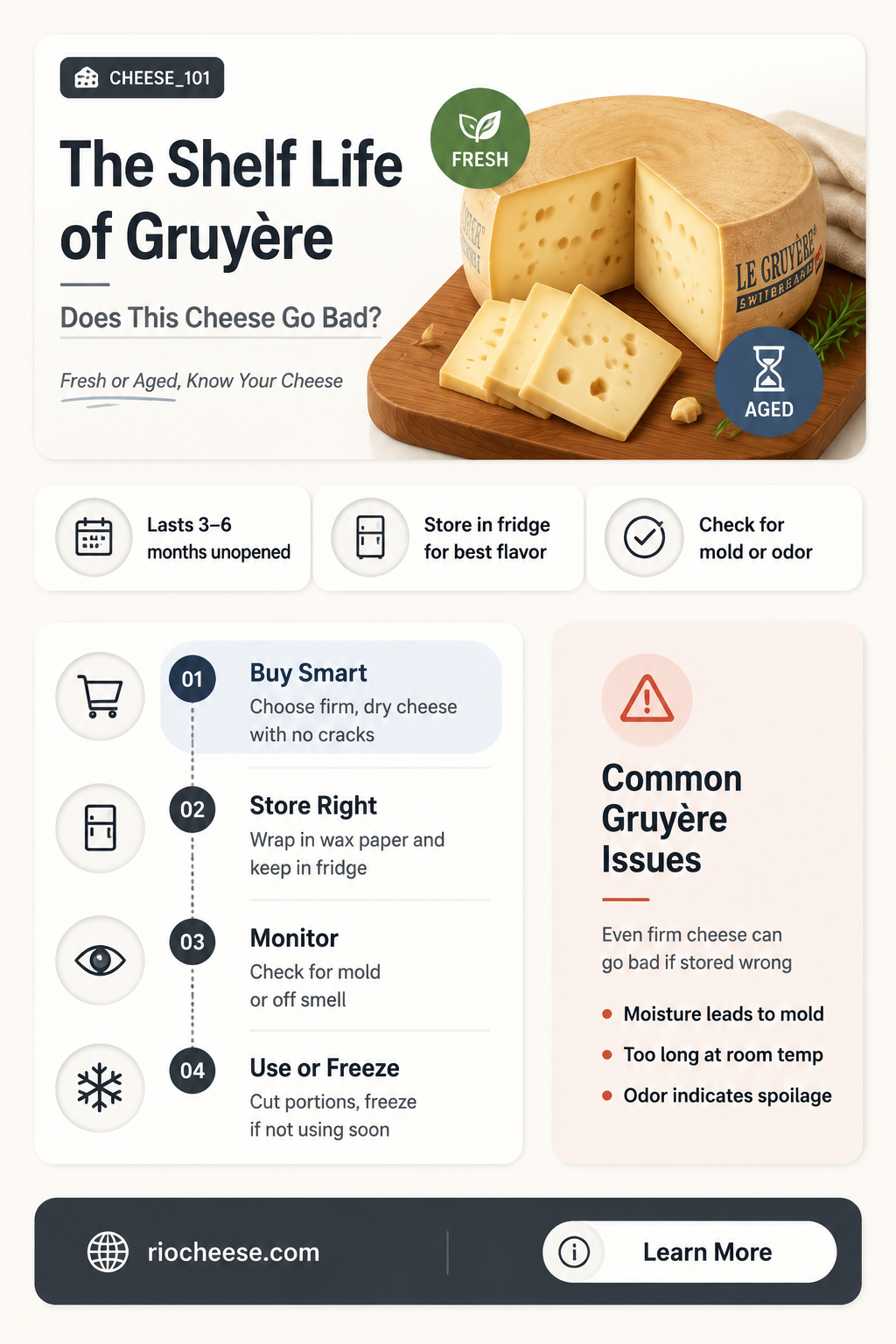
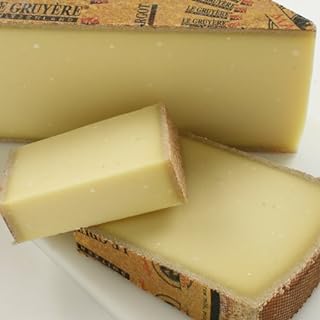
Gruyère cheese, a beloved Swiss variety known for its nutty flavor and smooth texture, is a staple in many culinary applications, from fondues to grilled sandwiches. Like all dairy products, however, Gruyère cheese does have a shelf life and can spoil if not stored properly. Understanding how to identify signs of spoilage and knowing the best storage methods can help extend its freshness and ensure it remains safe and enjoyable to consume.
Explore related products



What You'll Learn
- Shelf Life: Gruyère cheese's typical shelf life and storage recommendations to maintain freshness
- Signs of Spoilage: Indicators that Gruyère cheese has gone bad, such as mold or off-odors
- Health Risks: Potential health risks associated with consuming spoiled Gruyère cheese
- Proper Storage: Best practices for storing Gruyère cheese to extend its shelf life
- Culinary Uses: Tips on using Gruyère cheese in cooking before it spoils

Shelf Life: Gruyère cheese's typical shelf life and storage recommendations to maintain freshness
Gruyère cheese, known for its nutty flavor and smooth texture, is a versatile ingredient in many culinary dishes. However, like all perishable foods, it has a limited shelf life. Typically, Gruyère cheese can last for about 3 to 6 months when stored properly in the refrigerator. This timeframe can vary depending on the specific type of Gruyère, the conditions under which it was produced, and how it is stored.
To maintain the freshness of Gruyère cheese, it is essential to store it in the right conditions. The ideal storage environment for Gruyère is a cool, dry place with a consistent temperature between 35°F and 45°F (1.6°C and 7.2°C). It should be kept in the refrigerator, preferably in the crisper drawer, which maintains higher humidity levels. Wrapping the cheese in wax paper or aluminum foil can help to prevent it from drying out and absorbing odors from other foods in the refrigerator.
One common mistake is to store Gruyère cheese in plastic wrap, which can trap moisture and lead to mold growth. Instead, it is better to use breathable materials like wax paper or cheese bags that allow air to circulate. If you notice any signs of spoilage, such as mold, sliminess, or an off odor, it is best to discard the cheese to avoid foodborne illness.
For longer-term storage, Gruyère cheese can be frozen. However, this may affect its texture and flavor. To freeze Gruyère, wrap it tightly in plastic wrap or aluminum foil and place it in a freezer bag. It can be stored in the freezer for up to 6 months. When you are ready to use it, thaw it slowly in the refrigerator to preserve its quality.
In summary, proper storage is key to extending the shelf life of Gruyère cheese. By following these recommendations, you can enjoy the rich flavor and creamy texture of Gruyère for an extended period while minimizing the risk of spoilage.
The Shelf Life of Cheese Sticks: A Comprehensive Guide
You may want to see also
Explore related products


Signs of Spoilage: Indicators that Gruyère cheese has gone bad, such as mold or off-odors
Gruyère cheese, known for its nutty flavor and smooth texture, can indeed spoil if not stored properly. One of the most obvious signs of spoilage is the presence of mold. Mold on Gruyère cheese typically appears as greenish or bluish patches that can spread across the surface. If you notice any mold, it's crucial to discard the cheese immediately, as consuming moldy cheese can lead to foodborne illnesses.
Another indicator that Gruyère cheese has gone bad is an off-odor. Fresh Gruyère cheese should have a mild, slightly sweet aroma. If the cheese develops a strong, unpleasant smell, such as a sour or ammonia-like odor, it's a sign that the cheese has spoiled. This off-odor can be a result of bacterial growth, which can occur if the cheese is stored at too high a temperature or if it's been left out for too long.
In addition to mold and off-odors, the texture of the cheese can also change when it spoils. Fresh Gruyère cheese should be firm yet slightly springy to the touch. If the cheese becomes soft, mushy, or slimy, it's a sign that it has gone bad. This change in texture is often accompanied by a change in color, with the cheese becoming darker or more yellowish than its original pale yellow hue.
To prevent Gruyère cheese from spoiling, it's essential to store it properly. The cheese should be wrapped tightly in plastic wrap or aluminum foil and stored in the refrigerator at a temperature between 35°F and 45°F (1.6°C and 7.2°C). It's also important to keep the cheese away from strong-smelling foods, as Gruyère cheese can absorb odors easily.
In summary, the key signs of spoilage in Gruyère cheese are mold, off-odors, and changes in texture and color. If you notice any of these signs, it's best to discard the cheese to avoid any potential health risks. Proper storage can help extend the shelf life of Gruyère cheese and keep it fresh for as long as possible.
Unraveling the Mystery: Why Does Swiss Cheese Taste Bad?
You may want to see also
Explore related products




Health Risks: Potential health risks associated with consuming spoiled Gruyère cheese
Consuming spoiled Gruyère cheese can pose several health risks, primarily due to the growth of harmful bacteria and mold. One of the most common risks is food poisoning, which can occur when cheese is contaminated with bacteria such as Salmonella, Listeria, or E. coli. These bacteria can cause symptoms ranging from mild gastrointestinal discomfort to severe illness, including diarrhea, vomiting, fever, and abdominal cramps. In some cases, food poisoning can lead to hospitalization and even death, particularly in vulnerable populations such as the elderly, young children, and individuals with weakened immune systems.
In addition to bacterial contamination, spoiled cheese can also develop harmful molds, such as Aspergillus and Penicillium. While some molds are harmless and even desirable in certain types of cheese, others can produce mycotoxins that are toxic to humans. Mycotoxin exposure can cause a range of health problems, including allergic reactions, respiratory issues, and in severe cases, organ damage and cancer. It is important to note that not all molds are visible to the naked eye, so even if a piece of cheese appears to be free of mold, it may still be unsafe to consume.
Another potential health risk associated with consuming spoiled Gruyère cheese is the presence of histamine, a compound that can be produced by certain bacteria during the fermentation process. Histamine is a natural neurotransmitter that plays a role in allergic reactions and inflammation. In high concentrations, it can cause symptoms such as headaches, hives, itching, and difficulty breathing. Individuals with histamine intolerance may be particularly sensitive to these effects and should avoid consuming spoiled cheese.
To minimize the risk of health problems associated with spoiled Gruyère cheese, it is essential to practice proper food safety and storage techniques. Cheese should be stored in a cool, dry place, preferably in the refrigerator, and should be consumed within a reasonable timeframe. It is also important to inspect cheese regularly for signs of spoilage, such as off odors, discoloration, or the presence of mold. If in doubt, it is best to err on the side of caution and discard the cheese.
In conclusion, while Gruyère cheese is a delicious and nutritious food, consuming spoiled cheese can pose significant health risks. By being aware of these risks and taking appropriate precautions, individuals can enjoy cheese safely and responsibly.
Decoding Velveeta's Shelf Life: Signs Your Cheese Has Gone Bad
You may want to see also
Explore related products





Proper Storage: Best practices for storing Gruyère cheese to extend its shelf life
Storing Gruyère cheese properly is crucial to maintaining its quality and extending its shelf life. The ideal storage environment for Gruyère cheese is a cool, dry place with a consistent temperature between 45°F and 50°F (7°C and 10°C). This temperature range helps to slow down the aging process and prevent the growth of harmful bacteria. It is also important to keep the cheese away from strong odors, as it can absorb these smells easily.
When storing Gruyère cheese, it is best to wrap it tightly in plastic wrap or aluminum foil to prevent it from drying out. If the cheese is not wrapped properly, it can become dry and crumbly, which can affect its taste and texture. It is also important to store the cheese in a breathable container or bag to allow for air circulation. This helps to prevent the buildup of moisture, which can lead to mold growth.
In addition to proper storage, it is also important to handle Gruyère cheese carefully to prevent contamination. Always wash your hands before handling the cheese, and use clean utensils to cut or serve it. If you are storing the cheese for an extended period, it is a good idea to label it with the date of purchase so that you can keep track of how long it has been stored.
One common mistake that people make when storing Gruyère cheese is to keep it in the refrigerator. While this may seem like a good idea, the cold temperature of the refrigerator can actually cause the cheese to become too hard and lose its flavor. Instead, it is best to store the cheese in a cool, dry place outside of the refrigerator.
By following these best practices for storing Gruyère cheese, you can help to extend its shelf life and ensure that it remains fresh and flavorful for as long as possible. Proper storage is key to enjoying the full taste and texture of this delicious Swiss cheese.
The Shelf Life of Individually Wrapped String Cheese: Facts and Myths
You may want to see also
Explore related products



Culinary Uses: Tips on using Gruyère cheese in cooking before it spoils
Gruyère cheese, with its nutty flavor and smooth melting properties, is a versatile ingredient in many culinary applications. However, as with any dairy product, it has a limited shelf life and can spoil if not used properly. To make the most of this cheese before it goes bad, consider the following tips:
First, it's essential to store Gruyère cheese correctly to extend its freshness. Keep it in the refrigerator, ideally in the crisper drawer, where the humidity is higher. Wrap the cheese tightly in plastic wrap or aluminum foil to prevent it from drying out or absorbing odors from other foods. If you have a large block of Gruyère, you can also store it in a cool, dry place like a cheese cave or a wine fridge, which can help maintain its quality for a longer period.
When it comes to using Gruyère cheese in cooking, its melting properties make it an excellent choice for fondue, grilled cheese sandwiches, and casseroles. To prevent the cheese from burning or becoming too greasy, it's best to use a medium heat setting and to stir or flip the dish frequently. Gruyère can also be used as a topping for baked potatoes, soups, and salads, adding a rich, savory flavor without overpowering the other ingredients.
Another way to use Gruyère cheese before it spoils is to make a cheese sauce. Simply melt the cheese with a bit of butter and flour, then gradually add milk or cream, stirring constantly until the sauce reaches the desired consistency. This sauce can be used over pasta, vegetables, or as a dip for breadsticks and crackers.
If you find yourself with excess Gruyère cheese that's approaching its expiration date, consider grating it and freezing it for later use. The grated cheese can be stored in an airtight container or freezer bag and used in recipes that call for shredded cheese, such as pizzas, tacos, or omelets.
In summary, to make the most of Gruyère cheese before it spoils, store it properly, use it in a variety of dishes that highlight its melting properties, and consider making a cheese sauce or freezing grated cheese for future use. By following these tips, you can enjoy the delicious flavor of Gruyère cheese while minimizing waste.
Frequently asked questions
Like all cheeses, Gruyère can go bad if not stored properly. It's important to keep it in a cool, dry place, ideally in the refrigerator. If stored correctly, Gruyère can last for several weeks to a few months.
Spoiled Gruyère cheese may develop a strong, unpleasant odor, and the texture can become slimy or moldy. If you notice any of these signs, it's best to discard the cheese.
Yes, you can freeze Gruyère cheese. Wrap it tightly in plastic wrap or aluminum foil and place it in a freezer bag. Frozen Gruyère can last for up to 6 months. However, the texture may change slightly upon thawing, becoming a bit crumbly.