Kamil Perry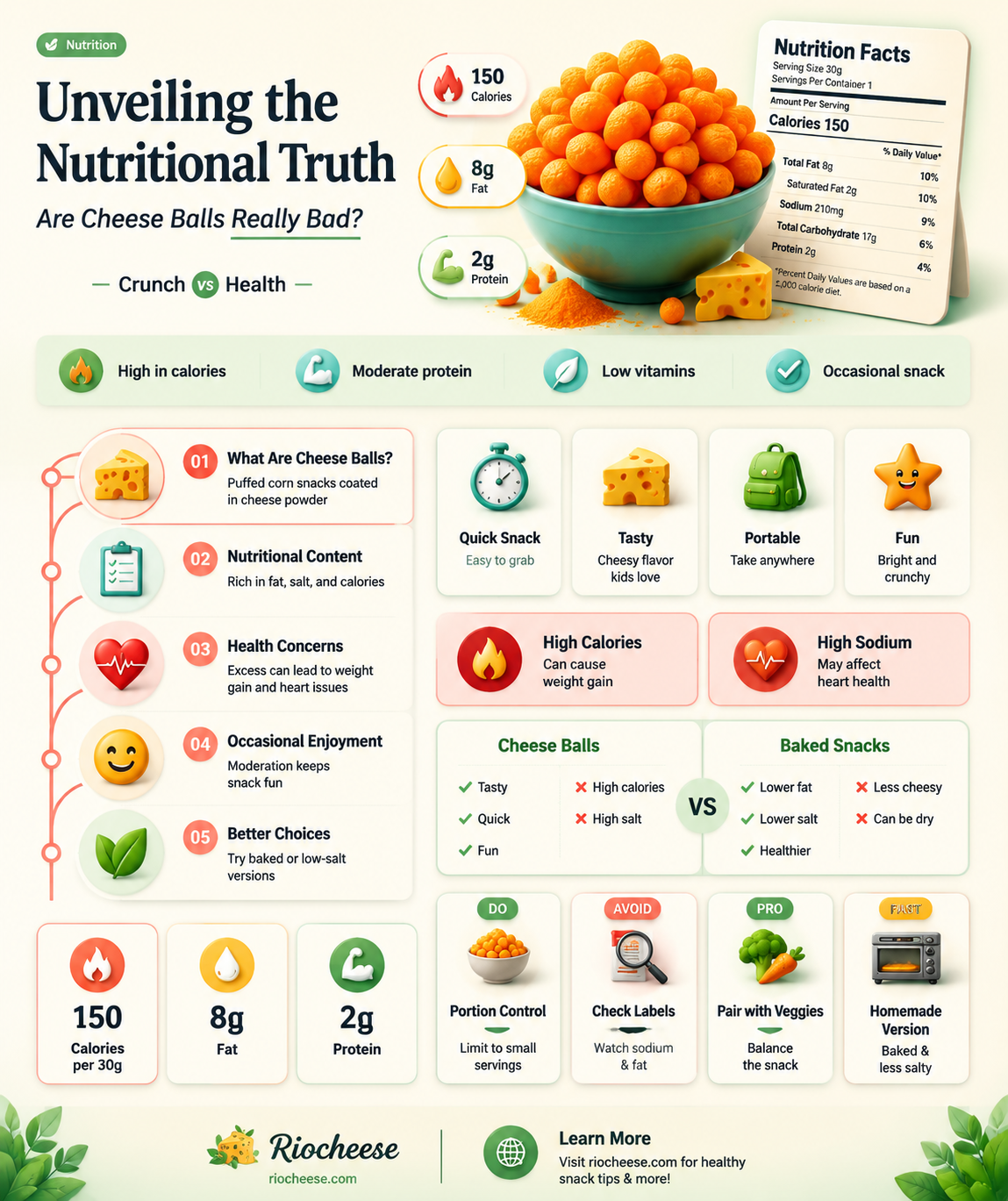
Cheese balls, those bite-sized, crunchy snacks coated in a cheesy flavor, have become a popular treat for many. However, when it comes to their nutritional value, there's a lot to unpack. While they may be a tasty indulgence, cheese balls are often high in calories, unhealthy fats, and sodium. These factors can contribute to weight gain, high blood pressure, and other health issues if consumed excessively. Additionally, many cheese balls are made with artificial flavors and preservatives, which some people may want to avoid. So, are cheese balls bad for you? The answer is not straightforward. Like many foods, moderation is key. Enjoying cheese balls occasionally as part of a balanced diet is unlikely to cause harm, but making them a regular part of your snack routine could have negative health consequences.
Explore related products



What You'll Learn
- Nutritional Content: Cheese balls are high in calories, fat, and sodium, but low in essential nutrients
- Health Risks: Regular consumption may increase the risk of obesity, heart disease, and high blood pressure
- Ingredients: They often contain artificial flavors, colors, and preservatives, which can be harmful in large quantities
- Portion Control: It's crucial to consume cheese balls in moderation as part of a balanced diet
- Alternatives: Healthier snack options include fresh fruits, vegetables, nuts, and whole grain products

Nutritional Content: Cheese balls are high in calories, fat, and sodium, but low in essential nutrients
Cheese balls, those bite-sized, crunchy snacks, may be a popular choice for many, but their nutritional profile is often overlooked. A closer examination reveals that these seemingly innocuous treats are high in calories, fat, and sodium, while lacking in essential nutrients. This imbalance can have significant implications for one's health, particularly when consumed in excess.
One of the primary concerns with cheese balls is their high calorie content. A single serving, which is typically around 30 grams, can contain upwards of 150 calories. This may not seem like much, but considering that many people consume multiple servings in one sitting, the calorie count can quickly add up. Furthermore, these calories are primarily derived from fat, with some cheese balls containing as much as 10 grams of fat per serving. This high fat content can contribute to weight gain and increase the risk of heart disease if consumed regularly.
In addition to being high in calories and fat, cheese balls are also a significant source of sodium. A single serving can contain over 200 milligrams of sodium, which is roughly 10% of the recommended daily intake. Excessive sodium consumption can lead to high blood pressure, heart disease, and stroke. The combination of high calories, fat, and sodium in cheese balls makes them a less-than-ideal snack choice, particularly for those who are watching their weight or have pre-existing health conditions.
Perhaps even more concerning is the lack of essential nutrients in cheese balls. They are typically low in vitamins, minerals, and fiber, which are crucial for maintaining good health. This means that not only are cheese balls providing empty calories, but they are also displacing more nutritious food choices. Over time, a diet high in cheese balls and similar snacks can lead to nutrient deficiencies, which can have a range of negative health effects.
It is important to note that not all cheese balls are created equal. Some brands may use healthier ingredients or have lower calorie, fat, and sodium content. However, as a general rule, cheese balls should be consumed in moderation as part of a balanced diet. It is always advisable to check the nutritional information on the packaging and to choose snacks that provide a good balance of nutrients.
In conclusion, while cheese balls may be a tasty and convenient snack, their high calorie, fat, and sodium content, coupled with their lack of essential nutrients, makes them a less-than-ideal choice for regular consumption. As with all foods, moderation is key, and it is important to balance cheese balls with more nutritious options to maintain a healthy diet.
Unraveling the Cheese Conundrum: PCOS and Dairy Dilemma
You may want to see also
Explore related products


Health Risks: Regular consumption may increase the risk of obesity, heart disease, and high blood pressure
Regular consumption of cheese balls may increase the risk of obesity due to their high calorie and fat content. A single serving of cheese balls can contain over 150 calories and 10 grams of fat, which can quickly add up if consumed frequently. Additionally, cheese balls are often low in nutrients and high in sodium, which can contribute to weight gain and other health problems.
The high fat content in cheese balls can also increase the risk of heart disease. Consuming large amounts of saturated and trans fats, which are commonly found in processed snacks like cheese balls, can lead to the buildup of plaque in the arteries and increase the risk of heart attack and stroke. Furthermore, the high sodium content in cheese balls can contribute to high blood pressure, which is a major risk factor for heart disease.
It is important to note that occasional consumption of cheese balls is unlikely to cause significant health problems. However, regular consumption, especially in large quantities, can increase the risk of obesity, heart disease, and high blood pressure. It is recommended to consume cheese balls in moderation and to balance them with a diet rich in whole foods, fruits, vegetables, and lean proteins.
To reduce the health risks associated with cheese balls, it is important to practice portion control and to choose healthier snack options. Instead of reaching for a bag of cheese balls, consider snacking on fresh fruit, raw vegetables, or a handful of nuts. These options are lower in calories and fat, and higher in nutrients, making them a healthier choice for overall well-being.
In conclusion, while cheese balls can be a tasty and convenient snack, regular consumption may increase the risk of obesity, heart disease, and high blood pressure. By practicing portion control and choosing healthier snack options, individuals can reduce these health risks and maintain a balanced diet.
The Shelf Life of Brie: Signs Your Cheese Has Gone Bad
You may want to see also
Explore related products

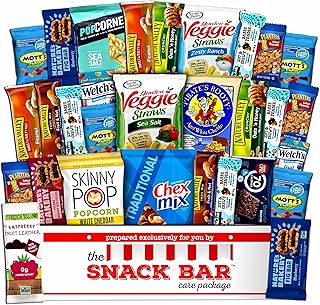


Ingredients: They often contain artificial flavors, colors, and preservatives, which can be harmful in large quantities
Cheese balls, a popular snack among many, often contain a variety of artificial additives. These include flavors, colors, and preservatives, which are used to enhance taste, appearance, and shelf life. However, consuming these additives in large quantities can potentially lead to health issues. For instance, artificial flavors and colors have been linked to hyperactivity in children and may contribute to allergic reactions in some individuals. Preservatives, particularly those containing sodium, can increase blood pressure and heart rate when consumed excessively.
One of the primary concerns with cheese balls is the presence of artificial flavors. These flavors are created in laboratories and can include a range of chemicals that mimic natural tastes. While they are generally recognized as safe by food regulatory bodies, some studies suggest that they may have adverse effects on health when consumed in large amounts. For example, certain artificial flavors have been associated with an increased risk of obesity and metabolic disorders.
Artificial colors are another ingredient commonly found in cheese balls. These colors are used to make the snack more visually appealing, but they have been a subject of controversy. Some artificial colors have been banned in certain countries due to their potential links to cancer and other health problems. Even though the colors used in cheese balls are typically considered safe, there is ongoing debate about the long-term effects of consuming these synthetic dyes.
Preservatives are essential for extending the shelf life of cheese balls, but they can also be a source of concern. Sodium-based preservatives, such as sodium nitrate and sodium benzoate, are commonly used in these snacks. While they are effective at preventing spoilage, they can contribute to high sodium intake, which is associated with an increased risk of cardiovascular disease. Additionally, some preservatives may interfere with the body's natural processes, potentially leading to other health issues.
In conclusion, while cheese balls can be an enjoyable treat, it is important to be aware of the potential health risks associated with their ingredients. Consuming them in moderation and balancing them with a diet rich in whole foods can help mitigate these risks. It is also advisable to read food labels carefully and choose snacks that contain fewer artificial additives whenever possible.
Is Your Grated Parmesan Cheese Spoiled? Here's How to Tell
You may want to see also
Explore related products




Portion Control: It's crucial to consume cheese balls in moderation as part of a balanced diet
Cheese balls, while a popular snack, can be high in calories, fat, and sodium. To maintain a balanced diet, it's essential to practice portion control when consuming them. A single serving of cheese balls typically contains around 120-150 calories, which can add up quickly if not monitored.
One effective strategy for portion control is to use smaller plates or bowls when serving cheese balls. This visual cue can help trick your brain into thinking you're eating more than you actually are. Additionally, try pairing cheese balls with healthier options like vegetables or fruits to increase the nutritional value of your snack and promote satiety.
Another approach is to limit the frequency of cheese ball consumption. Instead of having them as a daily snack, reserve them for special occasions or as an occasional treat. This can help reduce overall calorie intake and prevent overconsumption of unhealthy fats and sodium.
It's also important to be mindful of the ingredients in cheese balls. Some varieties may contain artificial flavors, colors, or preservatives that can be detrimental to health. Opt for cheese balls made with natural ingredients and minimal additives whenever possible.
In conclusion, while cheese balls can be a tasty addition to a balanced diet, it's crucial to consume them in moderation. By practicing portion control, pairing them with healthier options, limiting frequency, and choosing natural varieties, you can enjoy cheese balls without compromising your overall health goals.
The Shelf Life Saga: Does Macaroni and Cheese Go Bad?
You may want to see also
Explore related products


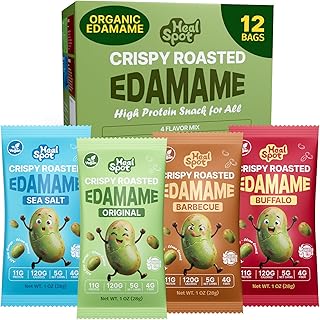


Alternatives: Healthier snack options include fresh fruits, vegetables, nuts, and whole grain products
Cheese balls, while a popular snack, are often high in calories, fat, and sodium, making them a less-than-ideal choice for those looking to maintain a healthy diet. However, there are numerous alternatives that can satisfy your cravings without compromising your health goals. Fresh fruits and vegetables, for instance, are excellent options that provide essential vitamins, minerals, and fiber while being low in calories. Nuts, such as almonds, walnuts, and pistachios, are another great choice, offering healthy fats, protein, and a satisfying crunch. Whole grain products, like popcorn, whole grain crackers, or rice cakes, can also be a healthier alternative, providing complex carbohydrates and additional fiber.
One of the main benefits of these healthier snack options is their ability to help manage weight and reduce the risk of chronic diseases. Unlike cheese balls, which are often deep-fried and high in saturated fats, fresh fruits and vegetables are naturally low in calories and fat, making them an ideal choice for weight management. Additionally, the fiber content in these foods can help promote feelings of fullness, reducing the likelihood of overeating. Nuts, while higher in calories, contain healthy monounsaturated and polyunsaturated fats that have been shown to improve heart health and reduce inflammation. Whole grain products, on the other hand, provide a slower release of energy due to their complex carbohydrates, helping to maintain stable blood sugar levels and prevent energy crashes.
Incorporating these healthier snack options into your diet can be a simple and effective way to improve your overall health. One practical tip is to prepare your snacks in advance, making it easier to choose a healthy option when hunger strikes. For example, you can chop up fresh fruits and vegetables and store them in containers for easy access, or portion out nuts and whole grain crackers into small bags for on-the-go snacking. Another helpful strategy is to focus on adding more nutrient-dense foods to your diet, rather than simply cutting out unhealthy options. By increasing your intake of fresh fruits, vegetables, nuts, and whole grains, you'll naturally crowd out less healthy choices like cheese balls.
It's also important to be mindful of portion sizes, even when it comes to healthier snack options. While nuts and whole grain products can be nutritious choices, they can also be high in calories if consumed in excess. A good rule of thumb is to aim for snacks that are around 100-200 calories per serving, depending on your individual needs and goals. Additionally, be sure to choose unsalted or lightly salted options to reduce your sodium intake, and opt for whole grain products that are free from added sugars and artificial ingredients.
In conclusion, while cheese balls may be a tempting snack, there are plenty of healthier alternatives that can provide the same level of satisfaction without the negative health impacts. By incorporating fresh fruits, vegetables, nuts, and whole grain products into your diet, you can enjoy delicious snacks that support your health goals and promote overall well-being.
The Truth About Raclette Cheese: Does It Really Smell That Bad?
You may want to see also
Frequently asked questions
Yes, cheese balls are typically high in calories due to their cheese and oil content. A small serving can contain a significant number of calories, so it's important to enjoy them in moderation as part of a balanced diet.
Cheese balls are often high in sodium, which is used to enhance flavor and preserve the product. Excessive sodium intake can lead to health issues like high blood pressure, so it's advisable to limit your consumption of cheese balls and other high-sodium snacks.
Yes, there are healthier alternatives to traditional cheese balls. You can opt for baked cheese balls instead of fried ones to reduce the fat content. Additionally, some brands offer cheese balls made with whole grain coatings or vegetable-based ingredients, which can provide more nutrients and fiber.