Patrick Oconnell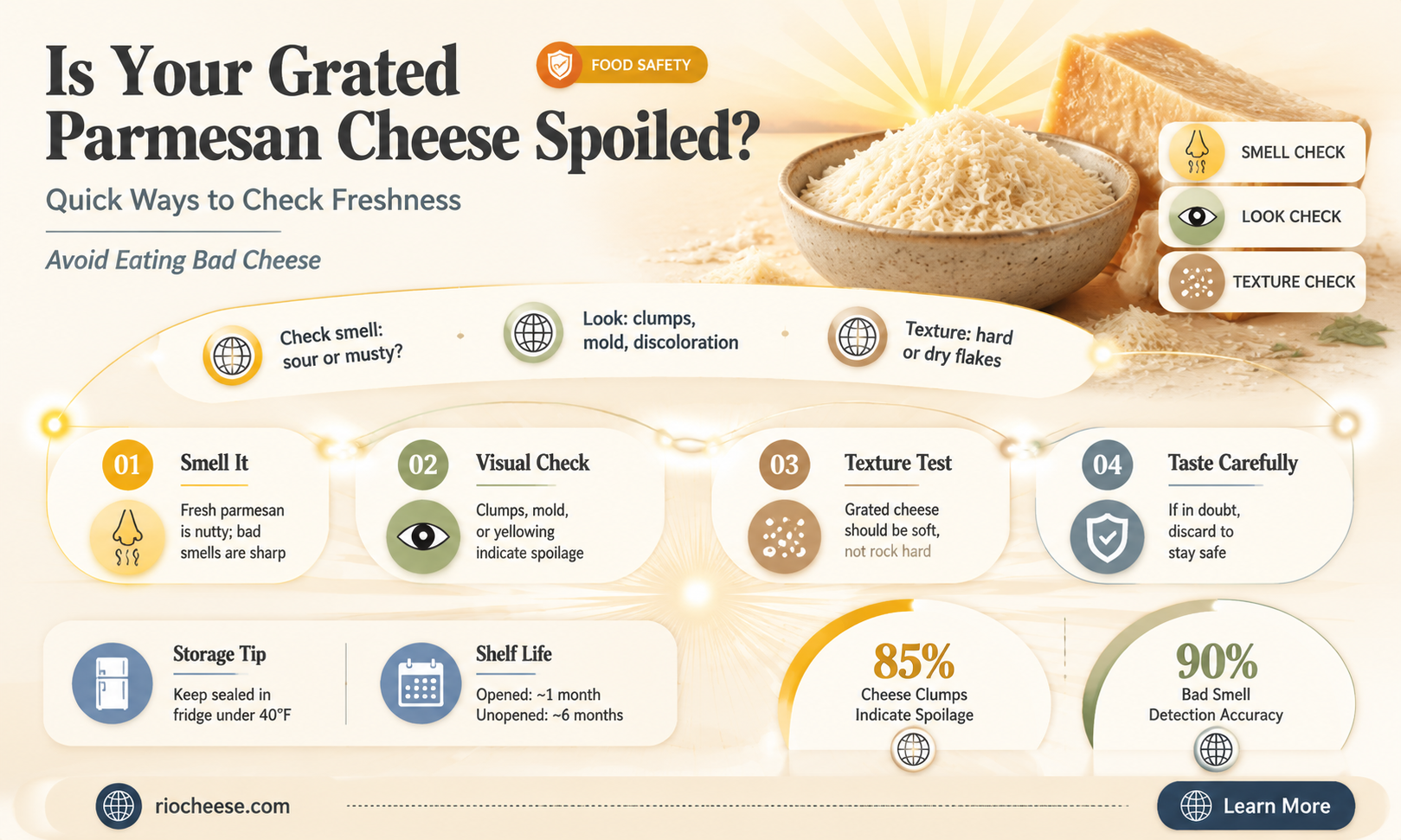
To determine if grated Parmesan cheese has gone bad, there are several key indicators to look out for. First, check the color; fresh Parmesan should have a consistent, pale yellow hue, while discoloration or dark spots can signal spoilage. Next, inspect the texture; good quality Parmesan should be dry and crumbly, whereas clumping or a damp appearance may indicate mold growth or improper storage. Additionally, a strong, unpleasant odor is a clear sign that the cheese has past its prime. Lastly, always check the expiration date on the packaging, as consuming cheese beyond this date can pose health risks. By paying attention to these factors, you can ensure that your grated Parmesan cheese remains safe and enjoyable to eat.
Explore related products


What You'll Learn
- Odor: Check for a strong, unpleasant smell. Fresh Parmesan should have a mild, nutty aroma
- Color: Look for discoloration. Good Parmesan is pale yellow; bad cheese may have brown or black spots
- Texture: Feel for clumps or moisture. Grated Parmesan should be dry and crumbly, not wet or sticky
- Mold: Inspect for visible mold growth. Any signs of mold indicate the cheese has gone bad
- Taste: If unsure, taste a small amount. Bad Parmesan may taste bitter, sour, or unpleasant

Odor: Check for a strong, unpleasant smell. Fresh Parmesan should have a mild, nutty aroma
A strong, unpleasant smell is a clear indicator that grated Parmesan cheese has gone bad. Fresh Parmesan should have a mild, nutty aroma that is pleasant and inviting. If you notice a sharp, pungent, or sour odor, it's a sign that the cheese has been compromised. This could be due to improper storage, contamination, or simply the natural aging process of the cheese.
To determine if the odor is a cause for concern, start by comparing it to the smell of fresh Parmesan. If the difference is stark, it's likely that the cheese is no longer safe to consume. Additionally, if the odor is accompanied by other signs of spoilage, such as mold or discoloration, it's best to discard the cheese immediately.
It's important to note that the odor of Parmesan cheese can vary depending on its age and type. For example, aged Parmesan may have a stronger, more robust aroma than younger varieties. However, even aged Parmesan should not have an unpleasant or overpowering smell. If you're unsure whether the odor is normal for a particular type of Parmesan, it's best to consult with a cheese expert or refer to the manufacturer's guidelines.
In some cases, the odor may not be a result of spoilage, but rather a reaction to certain foods or beverages. For instance, if you've recently consumed something with a strong flavor, such as garlic or onions, it may affect your perception of the cheese's aroma. To rule out this possibility, try smelling the cheese again after a few hours or after consuming a neutral-tasting food or beverage.
If you're still unsure whether the grated Parmesan cheese is bad based on its odor, it's best to err on the side of caution and discard it. Consuming spoiled cheese can lead to foodborne illnesses, which can be serious and even life-threatening in some cases. Always prioritize your health and safety when it comes to food consumption.
Unraveling the Mystery: Why Does Swiss Cheese Taste Bad?
You may want to see also
Explore related products



Color: Look for discoloration. Good Parmesan is pale yellow; bad cheese may have brown or black spots
The color of grated Parmesan cheese is a critical indicator of its quality and freshness. A pale yellow hue is characteristic of good Parmesan, reflecting its natural aging process and the absence of harmful additives or spoilage. In contrast, the presence of brown or black spots is a clear sign of discoloration, which can be caused by a variety of factors including mold growth, oxidation, or contamination during the grating process.
To determine if your grated Parmesan cheese is bad, start by examining its color closely. Hold the cheese up to a light source and look for any inconsistencies in its pale yellow color. If you notice any brown or black spots, it's a strong indication that the cheese has started to spoil and should be discarded. It's important to note that even small spots of discoloration can be a sign of potential mold growth, which can spread quickly and affect the entire batch of cheese.
In addition to discoloration, other signs of bad grated Parmesan cheese include an off smell, a slimy or wet texture, and a bitter or unpleasant taste. However, color is often the first and most obvious indicator of spoilage, making it a crucial factor in determining the quality of your cheese. By regularly checking the color of your grated Parmesan cheese, you can ensure that you're using fresh, high-quality ingredients in your cooking and avoid the risks associated with consuming spoiled or contaminated cheese.
Decoding Velveeta's Shelf Life: Signs Your Cheese Has Gone Bad
You may want to see also
Explore related products

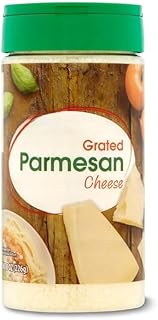


Texture: Feel for clumps or moisture. Grated Parmesan should be dry and crumbly, not wet or sticky
Grated Parmesan cheese should have a distinct texture that is both dry and crumbly. When you run your fingers through it, you should not encounter any clumps or signs of moisture. If the cheese feels wet or sticky, it's a clear indication that it has started to spoil. This texture change is often due to the cheese being exposed to air for too long, which causes it to absorb moisture and begin to break down.
To check for texture, take a small handful of the grated cheese and gently press it between your fingers. If it feels dry and the individual strands of cheese separate easily, it's likely still good. However, if the cheese clumps together or feels damp, it's best to discard it. Additionally, if you notice any discoloration or an off smell, these are further signs that the cheese has gone bad.
It's important to store grated Parmesan cheese properly to maintain its texture and prevent spoilage. Keep it in an airtight container in a cool, dry place. If you've grated the cheese yourself, it's best to use it within a few days. Store-bought grated Parmesan often comes with a longer shelf life, but it's still important to check for texture and other signs of spoilage before using it.
In summary, the texture of grated Parmesan cheese is a key indicator of its freshness. By regularly checking for clumps or moisture, you can ensure that you're using high-quality cheese in your cooking. Remember to store it properly and discard any cheese that shows signs of spoilage to avoid any potential health risks.
The Shelf Life of Cheese Sticks: A Comprehensive Guide
You may want to see also
Explore related products
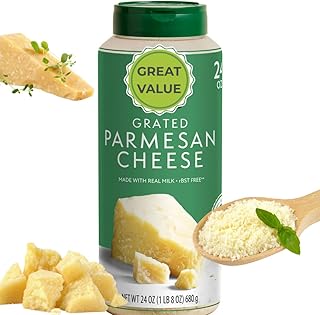
![Freshly grated, award-winning Grated Parmesan Cheese parmesan cheese is made with fresh milk gathered from local Wisconsin farmers. Aged for more than 10 months, it features a sweet, nutty flavor and tantalizing aroma that make it a tempting addition to a range of recipes. [ 16 oz , 1 lb ]](https://m.media-amazon.com/images/I/51aeKf2K17L._AC_UL320_.jpg)


Mold: Inspect for visible mold growth. Any signs of mold indicate the cheese has gone bad
Mold is a clear indicator that grated Parmesan cheese has gone bad. When inspecting for mold, look for any discoloration or unusual spots on the cheese. Mold can appear in various colors, including green, white, or black, and may have a fuzzy or powdery texture. If you notice any of these signs, it's crucial to discard the cheese immediately, as consuming moldy cheese can pose health risks.
To prevent mold growth, it's essential to store grated Parmesan cheese properly. Keep it in an airtight container in a cool, dry place, away from direct sunlight and heat sources. Additionally, try to use the cheese within a reasonable timeframe after grating, as the longer it sits, the more susceptible it becomes to mold growth.
In some cases, you may not see any visible mold, but the cheese may still have an off smell or taste. If you suspect that the cheese has gone bad, it's best to err on the side of caution and discard it. Remember, when it comes to food safety, it's always better to be safe than sorry.
In summary, mold is a definitive sign that grated Parmesan cheese has gone bad. Regularly inspect the cheese for any signs of mold growth, store it properly to prevent mold, and discard it if you notice any unusual odors or tastes. By following these guidelines, you can ensure that you're consuming safe and high-quality cheese.
The Shelf Life Saga: Does Macaroni and Cheese Go Bad?
You may want to see also
Explore related products


Taste: If unsure, taste a small amount. Bad Parmesan may taste bitter, sour, or unpleasant
The ultimate test of Parmesan cheese's quality lies in its taste. If you're uncertain about the cheese's freshness, a small taste test can reveal a lot. Bad Parmesan will often have a bitter or sour taste, which is a clear indication that it's past its prime. This bitterness can stem from the cheese being too old or from improper storage conditions that have allowed bacteria to grow and alter its flavor profile.
When conducting a taste test, it's important to take a small, discreet amount of the cheese to avoid wasting a significant portion if it turns out to be bad. Start by gently grating a small pile of the Parmesan and then take a tiny pinch between your fingers. Place it on your tongue and allow it to dissolve slightly before chewing. Fresh Parmesan should have a rich, nutty flavor with a hint of saltiness. If you detect any off-flavors such as bitterness, sourness, or an unpleasant ammonia-like taste, it's likely that the cheese is no longer good to eat.
It's also worth noting that the texture of the cheese can provide clues about its freshness. Freshly grated Parmesan should have a light, fluffy texture. If the cheese clumps together or has a damp, sticky appearance, this could be another sign that it's gone bad.
In addition to taste and texture, the appearance of the cheese can offer further insights. Check for any discoloration or mold spots, which are clear indicators of spoilage. Fresh Parmesan should have a consistent, pale yellow color without any dark patches or green spots.
To ensure you're getting the most accurate taste test, it's best to cleanse your palate beforehand. Eat something neutral, like a piece of bread or a cracker, to remove any lingering flavors from your mouth. This will allow you to better discern the true taste of the Parmesan.
Remember, when it comes to food safety, it's always better to err on the side of caution. If you have any doubts about the quality of the Parmesan cheese, it's best to discard it and purchase a fresh container. The risk of foodborne illness is not worth the gamble.
The Shelf Life of Individually Wrapped String Cheese: Facts and Myths
You may want to see also
Frequently asked questions
Grated Parmesan cheese can show signs of spoilage through changes in its appearance, smell, and texture. Look for mold, discoloration, or an off smell. If the cheese appears clumpy or has lost its usual dry, crumbly texture, it may be past its prime.
The shelf life of grated Parmesan cheese varies depending on how it's stored. If kept in a cool, dry place, it can last for several months. However, once opened, it's best to use it within a few weeks to ensure optimal freshness and flavor.
It's not recommended to use grated Parmesan cheese with mold spots. Mold can spread quickly, and even if you remove the visible mold, there may be spores left behind that can cause illness. It's best to discard the cheese and purchase a fresh container.
To extend the shelf life of grated Parmesan cheese, store it in an airtight container in a cool, dry place. Avoid storing it in the refrigerator, as the moisture can cause the cheese to clump and spoil more quickly. If you live in a humid climate, consider storing the cheese in the refrigerator to prevent mold growth.


![Grated Parmesan Cheese enhances your pastas, pizzas, seafood, salads and more with the bold taste of grated cheese. The sharp and tangy flavor complements your favorite recipes, and it's pre-grated to save you valuable prep time in the kitchen. Parmesan Cheese is sure to add great nutty and salty flavor to your favorite meals at any occasion. Sprinkle this Parmesan cheese over pasta dishes or add it your signature chicken Parmesan recipe for extra flavor . [ 24 oz , 1.5 lb ]](https://m.media-amazon.com/images/I/51aMA607ydL._AC_UL320_.jpg)