Andy Montoya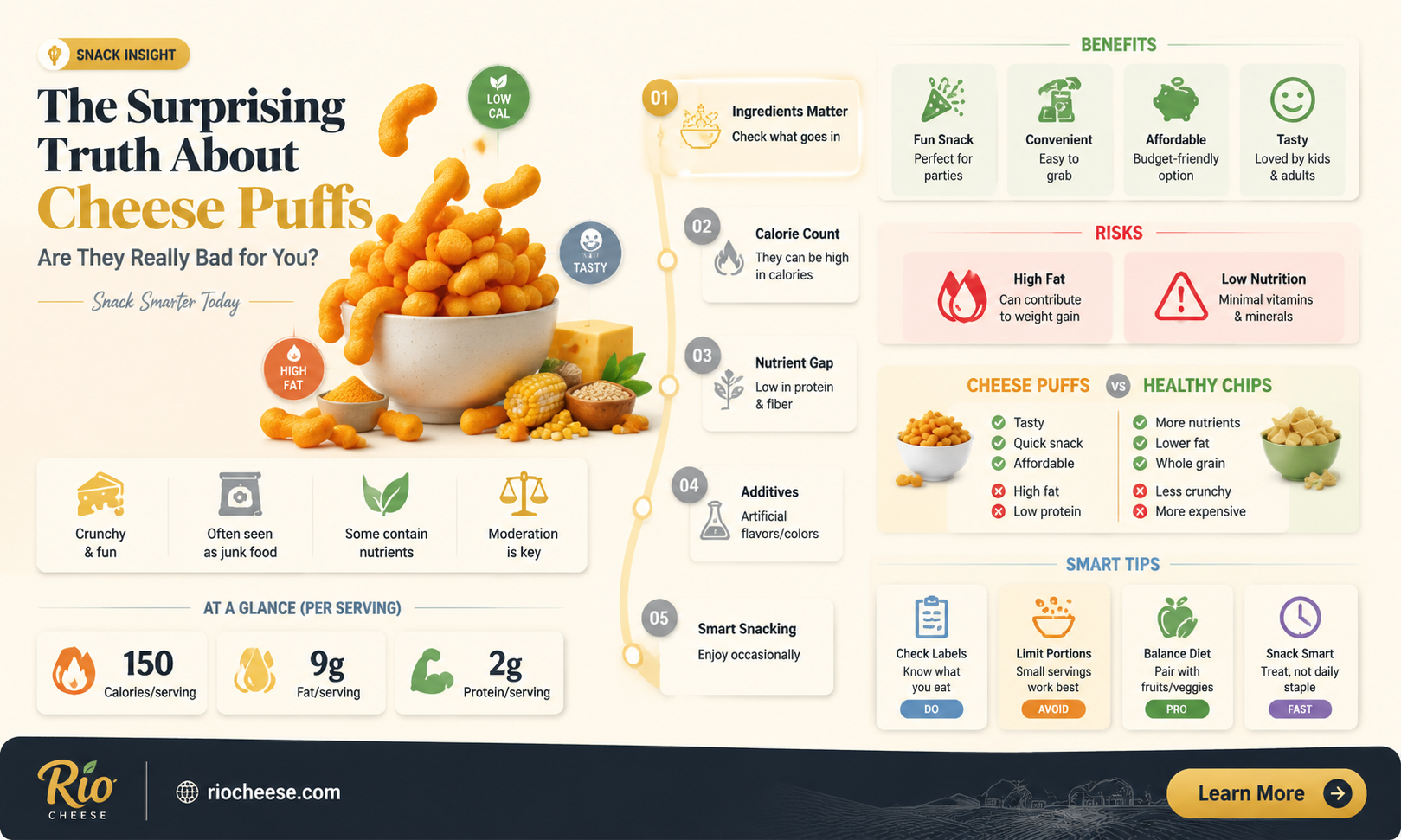
Cheese puffs, those enticingly crunchy and cheesy snacks, have become a staple in many people's diets. However, their nutritional value is often a topic of debate. To delve into the question of whether cheese puffs are bad for you, it's essential to examine their ingredients, nutritional content, and potential health impacts. By doing so, we can make an informed decision about the role these snacks should play in a balanced diet.
Explore related products


What You'll Learn
- Nutritional Content: Cheese puffs are high in calories, fat, and sodium, offering limited nutritional benefits
- Health Impact: Regular consumption can contribute to weight gain, high blood pressure, and heart disease risks
- Ingredients: Often contain artificial flavors, colors, and preservatives, which may have negative health effects
- Comparison to Alternatives: Healthier snack options like fruits, vegetables, or nuts provide better nutritional profiles
- Moderation: Enjoying cheese puffs in moderation as part of a balanced diet can minimize potential health risks

Nutritional Content: Cheese puffs are high in calories, fat, and sodium, offering limited nutritional benefits
Cheese puffs, those enticingly crunchy and cheesy snacks, have a nutritional profile that might give health-conscious individuals pause. A single serving of cheese puffs can contain a significant amount of calories, often ranging from 150 to 200 calories per ounce. This high calorie count is primarily due to the fat content, which can be upwards of 10 grams per serving, including saturated fats that are known to contribute to heart disease when consumed in excess.
In addition to calories and fat, cheese puffs are also high in sodium. A serving can contain anywhere from 200 to 300 milligrams of sodium, which is a considerable amount considering the American Heart Association recommends no more than 2,300 milligrams per day for most adults. Excessive sodium intake is linked to high blood pressure, heart disease, and stroke.
The limited nutritional benefits of cheese puffs are another point of concern. They are typically low in essential nutrients such as vitamins, minerals, and fiber. This means that while they may provide a quick energy boost due to their high calorie content, they do not contribute significantly to a balanced diet. In fact, regular consumption of such nutrient-poor foods can lead to deficiencies in essential nutrients if they replace more nutritious options in one's diet.
It's also worth noting that cheese puffs are often made with artificial flavors, colors, and preservatives, which some people may wish to avoid for health or personal reasons. These additives can include MSG (monosodium glutamate), artificial cheeses, and various synthetic dyes.
In conclusion, while cheese puffs can be an enjoyable treat in moderation, their high calorie, fat, and sodium content, coupled with their limited nutritional benefits, make them a less-than-ideal choice for regular consumption. For those looking to maintain a healthy diet, it's advisable to limit intake of cheese puffs and opt for more nutrient-dense snacks whenever possible.
Is Your Grated Parmesan Cheese Spoiled? Here's How to Tell
You may want to see also
Explore related products


Health Impact: Regular consumption can contribute to weight gain, high blood pressure, and heart disease risks
Regular consumption of cheese puffs can have significant health implications. These popular snacks are often high in calories, unhealthy fats, and sodium, which can contribute to weight gain, high blood pressure, and an increased risk of heart disease. The high calorie content in cheese puffs can lead to weight gain if consumed in excess, as the body stores unused calories as fat. Additionally, the high sodium content can contribute to high blood pressure, which is a major risk factor for heart disease and stroke. The unhealthy fats found in cheese puffs, such as trans fats and saturated fats, can also raise cholesterol levels and increase the risk of heart disease.
It is important to note that the health impact of cheese puffs can vary depending on the specific brand and ingredients used. Some cheese puffs may be made with healthier ingredients, such as whole grains and natural cheeses, which can reduce the negative health effects. However, it is generally recommended to consume cheese puffs in moderation and to balance them with a diet rich in fruits, vegetables, whole grains, and lean proteins.
To minimize the health risks associated with cheese puffs, it is important to pay attention to portion sizes and to choose healthier snack options when possible. Instead of reaching for a bag of cheese puffs, consider opting for a healthier snack such as fresh fruit, raw vegetables with hummus, or a handful of nuts. Making small changes to your diet can have a big impact on your overall health and well-being.
In conclusion, while cheese puffs can be a tasty and convenient snack, it is important to be aware of their potential health risks. Consuming cheese puffs in moderation and balancing them with a healthy diet can help to minimize these risks and promote overall health.
The Shelf Life of Gruyère: Does This Cheese Go Bad?
You may want to see also
Explore related products



Ingredients: Often contain artificial flavors, colors, and preservatives, which may have negative health effects
Cheese puffs, a popular snack among both children and adults, often contain a variety of artificial additives. These include flavors, colors, and preservatives, which are used to enhance taste, appearance, and shelf life. However, these artificial ingredients have been a subject of concern due to their potential negative health effects.
Artificial flavors, for instance, are synthetic chemicals designed to mimic natural flavors. While they are generally recognized as safe by regulatory bodies, some studies suggest they may contribute to health issues such as obesity and metabolic disorders. This is because they can stimulate the appetite and encourage overeating.
Artificial colors, on the other hand, are used to give cheese puffs their vibrant hues. These colors are derived from petroleum and have been linked to hyperactivity in children. Some studies also suggest a possible link between artificial colors and cancer, although this connection is still being researched.
Preservatives are another common ingredient in cheese puffs. These chemicals are used to prevent spoilage and extend the snack's shelf life. However, some preservatives, such as sodium nitrite, have been linked to an increased risk of heart disease and certain types of cancer.
Given these potential health risks, it's important to consume cheese puffs in moderation. While they can be a tasty treat, they should not form a significant part of a balanced diet. Instead, opt for healthier snack options such as fruits, vegetables, and whole grains whenever possible.
The Shelf Life of Cheese Sticks: A Comprehensive Guide
You may want to see also
Comparison to Alternatives: Healthier snack options like fruits, vegetables, or nuts provide better nutritional profiles
Cheese puffs, while a popular snack, are often scrutinized for their nutritional content. When comparing them to healthier alternatives like fruits, vegetables, or nuts, the differences in nutritional profiles become stark. For instance, a serving of cheese puffs typically contains high amounts of sodium, unhealthy fats, and calories, with minimal vitamins and minerals. In contrast, fruits and vegetables are rich in essential vitamins, minerals, and fiber, while nuts provide healthy fats, protein, and various micronutrients.
One of the primary concerns with cheese puffs is their high sodium content. Excessive sodium intake can lead to hypertension and other cardiovascular issues. Fruits and vegetables, on the other hand, are naturally low in sodium and can help counterbalance the effects of high-sodium diets. Additionally, the fiber content in fruits and vegetables aids in digestion and promotes satiety, which can help in weight management.
Nuts, another healthier snack option, are known for their heart-healthy monounsaturated and polyunsaturated fats. These fats can help lower bad cholesterol levels and reduce the risk of heart disease. Furthermore, nuts are a good source of plant-based protein, which is beneficial for muscle repair and growth. Unlike cheese puffs, which are often made from processed ingredients and additives, nuts are a whole food that provides a range of nutrients without the need for fortification.
When considering the overall nutritional profile, healthier snack options like fruits, vegetables, and nuts offer a more balanced and beneficial mix of nutrients compared to cheese puffs. While cheese puffs can be enjoyed in moderation as part of a balanced diet, making healthier snack choices can contribute to better overall health and well-being.
Decoding Velveeta's Shelf Life: Signs Your Cheese Has Gone Bad
You may want to see also
Moderation: Enjoying cheese puffs in moderation as part of a balanced diet can minimize potential health risks
Enjoying cheese puffs in moderation can be a part of a balanced diet, minimizing potential health risks associated with their consumption. The key is to understand what "moderation" means in this context. According to dietary guidelines, moderation typically refers to consuming a food item occasionally and in small quantities. For cheese puffs, this might translate to having a small serving (about 1 ounce or 28 grams) once or twice a week.
It's important to balance the intake of cheese puffs with healthier food choices. Since cheese puffs are high in calories, fat, and sodium, it's essential to ensure that the rest of your diet is rich in nutrient-dense foods such as fruits, vegetables, whole grains, lean proteins, and healthy fats. This balance helps offset the less healthy aspects of cheese puffs and ensures that your overall diet remains nutritious.
Another aspect of moderation is being mindful of portion sizes. It's easy to overconsume cheese puffs due to their light and airy texture, which can lead to eating more calories than intended. Using smaller plates or bowls, and measuring out portions can help control intake. Additionally, savoring each bite and eating slowly can increase satisfaction and reduce the likelihood of overeating.
Moderation also involves being aware of the frequency of consumption. Limiting cheese puffs to special occasions or as an occasional treat can help prevent them from becoming a regular part of your diet. This approach allows you to enjoy the snack without it contributing significantly to your overall calorie and nutrient intake.
In summary, enjoying cheese puffs in moderation means consuming them occasionally, in small quantities, and as part of a balanced diet. By practicing portion control, balancing your food choices, and being mindful of frequency, you can minimize the potential health risks associated with eating cheese puffs while still enjoying their taste.
The Shelf Life Saga: Does Babybel Cheese Go Bad?
You may want to see also
Frequently asked questions
Cheese puffs can be considered unhealthy due to their high calorie, fat, and sodium content. They are often made with artificial flavors and preservatives, which some people prefer to avoid.
Healthier alternatives to cheese puffs include baked whole grain snacks, air-popped popcorn, vegetable sticks with hummus, or nuts and seeds. These options provide more nutrients and fiber while being lower in calories and unhealthy fats.
The calorie content of cheese puffs can vary depending on the brand and serving size. On average, a 1-ounce (28-gram) serving of cheese puffs contains around 150-170 calories.
The main ingredients in cheese puffs typically include cornmeal, vegetable oil, salt, and a blend of spices and flavorings. Some brands may also add artificial colors, preservatives, or additional seasonings.