Randy Chandler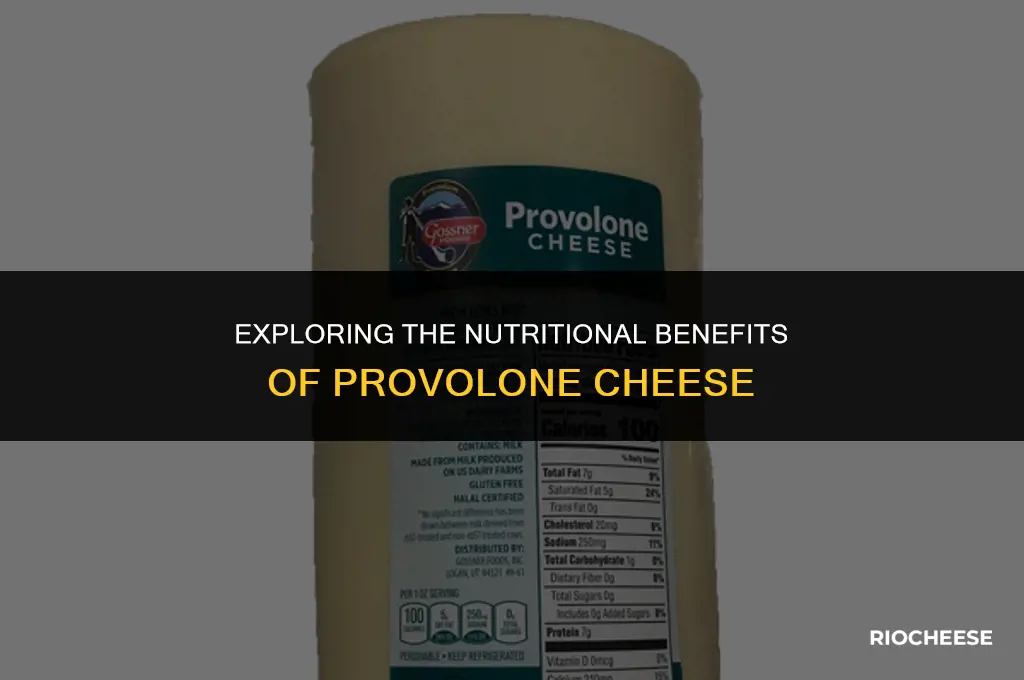
Provolone cheese, a popular variety known for its mild flavor and smooth texture, is often used in sandwiches, salads, and as a snack. When considering its health benefits, provolone cheese is a good source of protein, calcium, and vitamins B12 and D. However, it also contains a significant amount of saturated fat and sodium, which should be consumed in moderation as part of a balanced diet. The healthiness of provolone cheese largely depends on individual dietary needs and preferences, making it important to weigh its nutritional benefits against potential drawbacks.
Explore related products


What You'll Learn
- Nutritional Benefits: Provolone cheese is rich in protein, calcium, and vitamins A and B12
- Fat Content: It contains a moderate amount of fat, including both saturated and unsaturated fats
- Calorie Count: A single serving of provolone cheese typically ranges from 70 to 100 calories
- Sodium Levels: Provolone can be high in sodium, which may be a concern for those monitoring their salt intake
- Potential Health Risks: Consuming excessive amounts of provolone cheese may contribute to weight gain and increased cholesterol levels

Nutritional Benefits: Provolone cheese is rich in protein, calcium, and vitamins A and B12
Provolone cheese, a popular choice for its mild flavor and smooth texture, offers several nutritional benefits that contribute to a healthy diet. One of the key advantages of provolone is its high protein content. Protein is essential for building and repairing tissues, making enzymes and hormones, and maintaining healthy bones, muscles, and skin. A single ounce of provolone cheese provides approximately 7 grams of protein, making it a valuable source for individuals looking to meet their daily protein needs.
In addition to protein, provolone cheese is an excellent source of calcium. Calcium plays a crucial role in maintaining strong bones and teeth, and it is also important for muscle function, nerve transmission, and hormonal secretion. Consuming adequate amounts of calcium can help prevent osteoporosis and support overall bone health. Provolone cheese contains about 20% of the recommended daily value of calcium per ounce, making it a nutritious choice for those seeking to boost their calcium intake.
Provolone cheese is also rich in vitamins A and B12. Vitamin A is important for maintaining healthy vision, immune function, and skin health. It acts as an antioxidant, helping to protect cells from damage caused by free radicals. Vitamin B12, on the other hand, is essential for the production of red blood cells, the functioning of the nervous system, and the synthesis of DNA. A deficiency in vitamin B12 can lead to anemia, nerve damage, and other health problems. Provolone cheese provides a significant amount of both vitamins, contributing to a balanced and nutritious diet.
When incorporating provolone cheese into a healthy diet, it is important to consider portion sizes and overall dietary balance. While provolone cheese offers numerous nutritional benefits, it is also high in calories and saturated fat. Therefore, it should be consumed in moderation as part of a well-rounded diet that includes a variety of fruits, vegetables, whole grains, lean proteins, and healthy fats. By doing so, individuals can enjoy the delicious taste and nutritional advantages of provolone cheese while maintaining a balanced and healthy lifestyle.
Exploring the Nutritional Benefits of Oaxaca Cheese: A Healthy Choice?
You may want to see also
Explore related products


Fat Content: It contains a moderate amount of fat, including both saturated and unsaturated fats
Provolone cheese, like many dairy products, contains a mix of saturated and unsaturated fats. The fat content in provolone is moderate, making it a consideration for those monitoring their dietary fat intake. Saturated fats, which are typically solid at room temperature, can contribute to increased LDL cholesterol levels when consumed in excess. On the other hand, unsaturated fats, which are usually liquid at room temperature, can help reduce LDL cholesterol and lower the risk of heart disease.
The balance of these fats in provolone cheese can vary depending on the type of milk used and the cheese-making process. For instance, provolone made from whole milk will generally have a higher fat content compared to that made from skim or low-fat milk. Additionally, the aging process can affect the fat composition, with longer-aged provolones potentially having different fat profiles than their fresher counterparts.
When considering the health implications of provolone cheese's fat content, it's essential to look at the overall dietary context. For individuals following a balanced diet with a variety of nutrient-dense foods, the moderate fat content in provolone may not be a significant concern. However, for those with specific health conditions, such as high cholesterol or heart disease, it may be advisable to limit the intake of saturated fats, including those found in provolone cheese.
Incorporating provolone cheese into a healthy diet can be done mindfully by paying attention to portion sizes and balancing it with other low-fat dairy options. It's also beneficial to pair provolone with foods rich in fiber and nutrients, such as fruits, vegetables, and whole grains, to create a more balanced meal.
Ultimately, the healthiness of provolone cheese in relation to its fat content depends on individual dietary needs and overall eating habits. Moderation and balance are key factors in determining how this cheese can fit into a nutritious diet.
Exploring the Nutritional Benefits of Laughing Cow Cheese
You may want to see also
Explore related products


Calorie Count: A single serving of provolone cheese typically ranges from 70 to 100 calories
Provolone cheese, with its rich flavor and creamy texture, is a popular choice for many. However, when considering its health implications, the calorie count is an essential factor to take into account. A single serving of provolone cheese typically ranges from 70 to 100 calories, which can vary depending on the specific type and portion size.
In the context of a balanced diet, understanding the calorie content of provolone cheese is crucial for managing overall caloric intake. For individuals aiming to maintain or lose weight, being mindful of portion sizes and the caloric density of foods like cheese is key. Provolone cheese, while not excessively high in calories compared to other cheeses, should still be consumed in moderation as part of a well-rounded diet.
Moreover, it's important to consider the nutritional profile of provolone cheese beyond just its calorie count. Cheese is a good source of protein, calcium, and vitamins, but it can also be high in saturated fat and sodium. Therefore, while the calorie content provides a starting point for assessing its healthiness, it's equally important to factor in these other nutritional aspects when making dietary decisions.
In summary, the calorie count of provolone cheese is a significant consideration for those evaluating its health benefits. By understanding the caloric content and balancing it with other nutritional factors, individuals can make informed choices about incorporating provolone cheese into their diet in a way that aligns with their health goals.
Exploring the Nutritional Benefits of Violife Cheese: A Healthy Alternative?
You may want to see also
Explore related products



Sodium Levels: Provolone can be high in sodium, which may be a concern for those monitoring their salt intake
Provolone cheese, while a delicious addition to many dishes, can be high in sodium. This is a significant concern for individuals who are monitoring their salt intake, whether due to health conditions like hypertension or simply as part of a balanced diet. The sodium content in provolone can vary depending on the type and brand, but on average, a single ounce of provolone cheese contains around 200-300 milligrams of sodium. This can add up quickly, especially when used in larger quantities or combined with other high-sodium foods.
For those looking to reduce their sodium intake, it's essential to be mindful of portion sizes when consuming provolone cheese. Limiting the amount used in recipes or opting for lower-sodium varieties can help mitigate the impact on overall sodium consumption. Additionally, pairing provolone with other low-sodium foods can help balance out the meal. It's also worth noting that some brands offer reduced-sodium versions of provolone, which can be a healthier alternative for those concerned about their salt intake.
In terms of dietary recommendations, the American Heart Association suggests that adults should aim to consume no more than 2,300 milligrams of sodium per day, with an ideal limit of 1,500 milligrams for most adults. Given that a single ounce of provolone cheese can contain a significant portion of this daily limit, it's crucial for individuals to be aware of their overall sodium intake and make adjustments accordingly. This might involve not only reducing the amount of provolone cheese consumed but also being mindful of other high-sodium foods in their diet.
Ultimately, while provolone cheese can be a tasty and nutritious part of a balanced diet, its high sodium content is a consideration that should not be overlooked. By being aware of portion sizes, choosing lower-sodium options when available, and balancing sodium intake with other dietary choices, individuals can enjoy provolone cheese while still maintaining a healthy diet.
Exploring the Nutritional Benefits of Panela Cheese: A Healthy Choice?
You may want to see also
Explore related products


![Extra Sharp Provolone is an all-natural cheese aged for 12 months in special curing rooms to develop its signature sharp flavor. [ 16 oz, 1 lb ]](https://m.media-amazon.com/images/I/51xbO5M5uFL._AC_UL320_.jpg)


Potential Health Risks: Consuming excessive amounts of provolone cheese may contribute to weight gain and increased cholesterol levels
Provolone cheese, while a delicious addition to many dishes, does come with potential health risks when consumed in excess. One of the primary concerns is its high calorie content. A single ounce of provolone cheese contains approximately 100 calories, and it's easy to consume more than that in a single serving, especially when melted on top of dishes or eaten as part of a cheese platter. Over time, regularly consuming more calories than your body needs can lead to weight gain.
In addition to its calorie content, provolone cheese is also relatively high in saturated fat. Saturated fats are known to raise LDL (bad) cholesterol levels, which can increase the risk of heart disease. The American Heart Association recommends limiting saturated fat intake to no more than 5-6% of total daily calories. For someone on a 2,000 calorie diet, this would translate to no more than 11-13 grams of saturated fat per day. A single ounce of provolone cheese contains about 4.5 grams of saturated fat, so it's important to be mindful of portion sizes and balance your diet with other foods low in saturated fat.
It's also worth noting that provolone cheese is a good source of protein, calcium, and vitamins A and B12. However, these nutritional benefits should be weighed against the potential risks associated with excessive consumption. To enjoy provolone cheese in a healthier way, consider using it as an occasional treat rather than a staple in your diet. You can also try pairing it with foods that are high in fiber and low in saturated fat, such as fruits, vegetables, and whole grains, to create a more balanced meal.
In conclusion, while provolone cheese can be a tasty and nutritious addition to your diet, it's important to consume it in moderation to avoid potential health risks. By being mindful of portion sizes and balancing your diet with a variety of other foods, you can enjoy the flavor of provolone cheese without compromising your health.
Exploring the Nutritional Benefits of Havarti Cheese
You may want to see also
Frequently asked questions
Provolone cheese can be part of a healthy diet when consumed in moderation. It is a good source of protein and calcium but is also high in fat and calories.
Provolone cheese is rich in nutrients such as protein, calcium, and vitamins A and B12. It also contains conjugated linoleic acid (CLA), which may have health benefits.
The recommended serving size for cheese is about 1 ounce (28 grams). It's important to balance your intake of provolone cheese with other nutrient-dense foods and to be mindful of your overall calorie consumption.



![Goodles Shella Good Aged White Cheddar and Shells Pasta - Nutrient Packed with Real Cheese, Fiber, Protein, Prebiotics, Plants, & Vegetables | Non-GMO, Organic Ingredients [Shella Good, 6 oz. 1 Pack]](https://m.media-amazon.com/images/I/71VMu-NnBHL._AC_UL320_.jpg)