 Bushra Griffith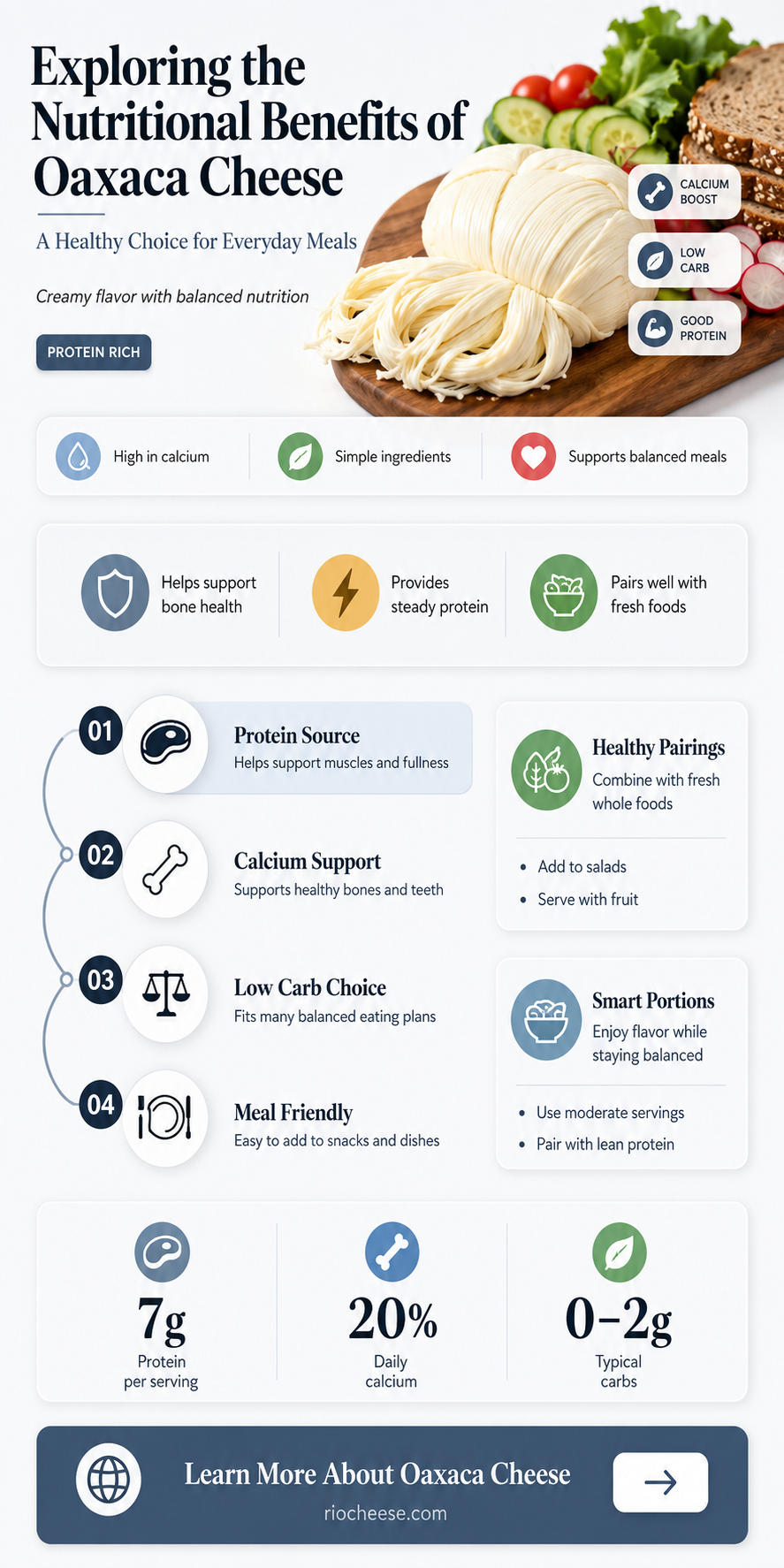
Oaxaca cheese, a traditional Mexican string cheese, has gained popularity worldwide for its unique texture and mild flavor. But is Oaxaca cheese healthy? This question is on the minds of many health-conscious consumers. To answer this, we need to delve into the nutritional profile of Oaxaca cheese, examining its fat, protein, and calorie content, as well as any potential health benefits or drawbacks associated with its consumption. By understanding these factors, we can make an informed decision about whether Oaxaca cheese is a healthy addition to our diets.
Explore related products




What You'll Learn
- Nutritional Benefits: High in protein, calcium, and essential vitamins, supporting bone health and muscle function
- Fat Content: Contains saturated fats; moderation is key to maintaining a balanced diet and heart health
- Lactose Intolerance: Individuals with lactose intolerance may experience digestive issues due to its dairy content
- Sodium Levels: Processed varieties can be high in sodium, which may contribute to high blood pressure if consumed excessively
- Production Process: Traditional methods ensure minimal additives, while industrial production might include preservatives and artificial ingredients

Nutritional Benefits: High in protein, calcium, and essential vitamins, supporting bone health and muscle function
Oaxaca cheese, a traditional Mexican string cheese, offers a plethora of nutritional benefits that make it a healthy addition to one's diet. High in protein, it supports muscle function and repair, making it an excellent choice for athletes or those looking to build muscle mass. The protein content also contributes to feelings of fullness, which can aid in weight management.
Rich in calcium, Oaxaca cheese is a valuable ally for bone health. Calcium is essential for maintaining strong bones and teeth, and it plays a crucial role in blood clotting and nerve function. Consuming adequate amounts of calcium-rich foods like Oaxaca cheese can help prevent osteoporosis and fractures, particularly important for older adults and postmenopausal women who are at a higher risk of bone density loss.
In addition to protein and calcium, Oaxaca cheese is a good source of essential vitamins, including vitamin A, which is vital for healthy vision, immune function, and skin health. It also contains vitamin B12, necessary for red blood cell formation and neurological function, and riboflavin (vitamin B2), which helps convert food into energy and supports cellular function.
The combination of these nutrients makes Oaxaca cheese not only a delicious but also a nutritious food choice. However, it's important to consume it in moderation due to its high fat and calorie content. Incorporating Oaxaca cheese into a balanced diet can provide these health benefits while also adding flavor and variety to meals.
Exploring the Nutritional Benefits of Fontina Cheese
You may want to see also
Explore related products


$19.67 $21.99


Fat Content: Contains saturated fats; moderation is key to maintaining a balanced diet and heart health
Oaxaca cheese, a traditional Mexican string cheese, is known for its rich flavor and versatility in various dishes. However, like many dairy products, it contains saturated fats, which can be a concern for those monitoring their dietary fat intake. Saturated fats are a type of fat that can raise LDL cholesterol levels, often referred to as "bad" cholesterol, and increase the risk of heart disease when consumed in excess.
Moderation is key when incorporating Oaxaca cheese into a balanced diet. While it can be a delicious addition to meals, it's important to be mindful of portion sizes. A single serving of Oaxaca cheese is typically around 1 ounce (28 grams), which contains approximately 9 grams of fat, 4 grams of which are saturated. To put this in perspective, the American Heart Association recommends limiting daily saturated fat intake to no more than 13 grams for a 2,000-calorie diet.
One way to enjoy Oaxaca cheese while maintaining a healthy diet is to use it as an occasional treat rather than a staple ingredient. For example, you could shave a small amount over a salad or use it to add flavor to a vegetable dish. Additionally, pairing it with foods that are high in fiber, such as whole grains or legumes, can help balance the meal and promote satiety.
Another consideration is the overall nutritional profile of Oaxaca cheese. While it does contain saturated fats, it is also a good source of protein, calcium, and vitamins A and B12. These nutrients are essential for maintaining strong bones, supporting muscle function, and promoting overall health. Therefore, when consumed in moderation as part of a well-rounded diet, Oaxaca cheese can contribute to a healthy eating pattern.
In conclusion, while Oaxaca cheese does contain saturated fats, it can still be a part of a healthy diet when consumed in moderation. By being mindful of portion sizes and balancing it with other nutritious foods, you can enjoy the rich flavor of Oaxaca cheese without compromising your heart health.
Unveiling the Nutritional Truth: Is Sargento Cheese a Healthy Choice?
You may want to see also
Explore related products


Lactose Intolerance: Individuals with lactose intolerance may experience digestive issues due to its dairy content
Individuals with lactose intolerance may experience digestive issues due to the dairy content in Oaxaca cheese. Lactose intolerance occurs when the body lacks the enzyme lactase, which is necessary to digest lactose, the primary sugar in dairy products. This deficiency can lead to symptoms such as bloating, gas, abdominal pain, and diarrhea when consuming dairy.
Oaxaca cheese, a traditional Mexican cheese, is made from cow's milk and contains a significant amount of lactose. For those with lactose intolerance, consuming this cheese can trigger uncomfortable digestive symptoms. However, the severity of these symptoms can vary depending on the individual's level of lactose intolerance and the amount of cheese consumed.
It is important for individuals with lactose intolerance to be aware of their condition and to monitor their dairy intake. If they choose to consume Oaxaca cheese, they may need to take lactase enzyme supplements to help digest the lactose or consume it in moderation to minimize symptoms. Alternatively, they can opt for lactose-free or low-lactose cheese options.
In conclusion, while Oaxaca cheese can be a delicious addition to many dishes, it is essential for those with lactose intolerance to consider their dietary needs and take appropriate measures to manage their symptoms. By doing so, they can still enjoy the flavors and textures of this traditional cheese without compromising their digestive health.
Exploring the Nutritional Benefits of Cooper Cheese: A Healthy Choice?
You may want to see also
Sodium Levels: Processed varieties can be high in sodium, which may contribute to high blood pressure if consumed excessively
Oaxaca cheese, a traditional Mexican cheese known for its stringy texture and mild flavor, can be a delicious addition to many dishes. However, like many processed cheeses, it can also be high in sodium. Excessive sodium intake is linked to high blood pressure, a condition that affects millions of people worldwide. It's essential to understand the sodium content in Oaxaca cheese and how it fits into a healthy diet.
The sodium content in Oaxaca cheese can vary depending on the brand and production method. Some varieties may contain as much as 300-400 milligrams of sodium per 100 grams, which is a significant portion of the recommended daily intake. For individuals with hypertension or those at risk of developing high blood pressure, it's crucial to monitor and limit sodium intake.
One way to reduce sodium intake while still enjoying Oaxaca cheese is to choose lower-sodium varieties or to consume it in moderation. Pairing it with foods that are naturally low in sodium, such as fresh fruits and vegetables, can help balance out the overall sodium content of a meal. Additionally, incorporating more potassium-rich foods into your diet can help counteract the effects of sodium and support healthy blood pressure levels.
It's also important to consider the overall nutritional profile of Oaxaca cheese. While it does contain some protein and calcium, it is also high in saturated fat and calories. As with any food, it's essential to consume it as part of a balanced diet and to be mindful of portion sizes.
In conclusion, while Oaxaca cheese can be a tasty and versatile ingredient, its high sodium content is a concern for those watching their blood pressure. By choosing lower-sodium options, consuming it in moderation, and balancing it with other nutrient-dense foods, it's possible to enjoy Oaxaca cheese as part of a healthy diet.
Exploring the Nutritional Benefits of Daiya Cheese: A Healthy Alternative?
You may want to see also
Production Process: Traditional methods ensure minimal additives, while industrial production might include preservatives and artificial ingredients
Oaxaca cheese, a traditional Mexican cheese, is renowned for its unique production process that dates back centuries. This process involves the use of natural ingredients and minimal additives, making it a healthier option compared to industrially produced cheeses. The cheese is made from cow's milk, which is curdled using natural enzymes derived from the stomach lining of calves. The curds are then stretched and folded repeatedly, a technique known as "pasta filata," which gives Oaxaca cheese its distinctive stringy texture.
In contrast, industrial cheese production often involves the use of artificial ingredients and preservatives to enhance shelf life and flavor. These additives can include substances like sodium nitrate, artificial colors, and flavor enhancers, which may have negative health effects when consumed in large quantities. Industrial cheeses may also contain higher levels of saturated fats and sodium, contributing to health issues such as obesity, hypertension, and cardiovascular disease.
The traditional production process of Oaxaca cheese not only ensures a healthier product but also supports local economies and preserves cultural heritage. Many small-scale cheese producers in Oaxaca rely on traditional methods passed down through generations, which helps maintain the region's unique culinary identity. By choosing Oaxaca cheese, consumers can enjoy a delicious and nutritious product while also supporting sustainable and culturally significant food production practices.
In summary, the production process of Oaxaca cheese plays a crucial role in determining its health benefits. Traditional methods prioritize natural ingredients and minimal additives, resulting in a healthier and more sustainable product. Industrial production, on the other hand, often involves the use of artificial ingredients and preservatives, which can have negative health implications. By understanding the differences between these production processes, consumers can make informed choices about the types of cheese they consume and support healthier, more sustainable food systems.
Exploring Pimento Cheese: A Tasty Aid in Your Weight Loss Journey?
You may want to see also
Frequently asked questions
Yes, Oaxaca cheese is relatively high in calories. A 100-gram serving typically contains around 340-360 calories, which is higher than many other types of cheese.
Oaxaca cheese is high in fat, with a fat content of approximately 28-30 grams per 100 grams. This contributes to its rich flavor and creamy texture.
Yes, Oaxaca cheese is a good source of protein, calcium, and vitamins A and B12. These nutrients are important for maintaining strong bones, supporting muscle function, and promoting overall health.
Oaxaca cheese, like many other cheeses, contains lactose. However, the fermentation process reduces the lactose content, making it more tolerable for some people with lactose intolerance. It's best to try it in small amounts to see how your body reacts.
