Kamil Perry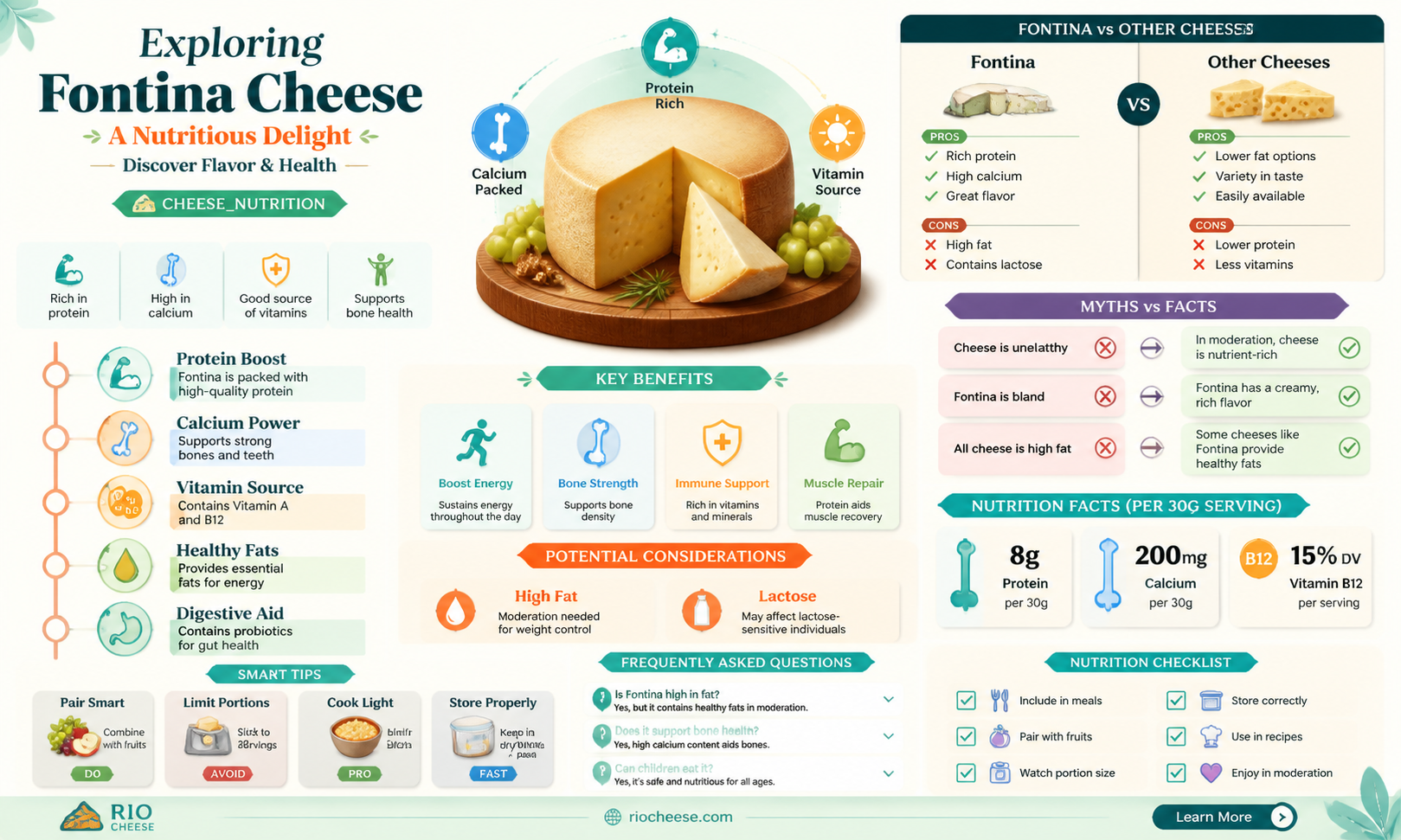
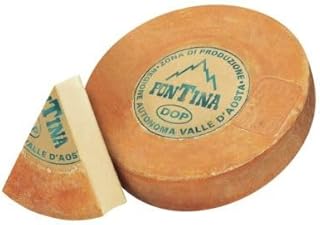
Fontina cheese, a semi-soft Italian cheese known for its nutty flavor and smooth texture, is often celebrated for its culinary versatility. But when it comes to health, is fontina a beneficial addition to your diet? This question requires a nuanced exploration of its nutritional profile. Fontina is rich in protein and calcium, essential nutrients for muscle and bone health. However, it also contains a significant amount of saturated fat and sodium, which can be detrimental to heart health if consumed in excess. Therefore, while fontina can be part of a balanced diet, moderation is key. It's also worth noting that choosing a low-sodium variety or pairing it with nutrient-dense foods can enhance its health benefits.
Explore related products



What You'll Learn
- Nutritional Content: Fontina cheese is rich in protein, calcium, and vitamins A and B12
- Fat Content: It contains a moderate amount of saturated fat, which should be consumed in moderation
- Cholesterol Levels: Fontina has relatively low cholesterol compared to other cheeses, making it a healthier option
- Sodium Content: It is high in sodium, so individuals with high blood pressure should limit their intake
- Probiotics: Fontina cheese contains beneficial bacteria that can aid in digestion and gut health

Nutritional Content: Fontina cheese is rich in protein, calcium, and vitamins A and B12
Fontina cheese, a semi-soft Italian cheese, boasts a rich nutritional profile that can contribute positively to a balanced diet. One of the key nutrients found in Fontina is protein, which is essential for muscle repair and growth. A 100-gram serving of Fontina cheese contains approximately 25 grams of protein, making it a good source for those looking to increase their protein intake.
In addition to protein, Fontina cheese is an excellent source of calcium, providing about 80% of the daily recommended value in a 100-gram serving. Calcium is crucial for maintaining strong bones and teeth, and it plays a role in muscle function and nerve transmission. This makes Fontina cheese a beneficial choice for individuals of all ages, particularly children and older adults who may be at risk for calcium deficiencies.
Fontina cheese is also rich in vitamins A and B12. Vitamin A is important for vision health, immune function, and skin health, while vitamin B12 is essential for red blood cell formation, nerve function, and DNA synthesis. A 100-gram serving of Fontina cheese provides around 15% of the daily recommended value of vitamin A and 25% of the daily recommended value of vitamin B12.
While Fontina cheese offers several nutritional benefits, it is important to consume it in moderation due to its high fat and calorie content. A 100-gram serving of Fontina cheese contains approximately 34 grams of fat and 360 calories. Therefore, it is advisable to incorporate Fontina cheese into a balanced diet as part of a varied meal plan, rather than relying on it as a primary source of nutrition.
In conclusion, Fontina cheese can be a healthy addition to a balanced diet when consumed in moderation. Its rich protein, calcium, and vitamin content make it a nutritious choice for individuals looking to support their overall health and well-being.
Exploring the Nutritional Benefits of Cooper Cheese: A Healthy Choice?
You may want to see also
Explore related products


Fat Content: It contains a moderate amount of saturated fat, which should be consumed in moderation
Fontina cheese, a semi-soft Italian cheese, is known for its rich flavor and versatility in cooking. However, when considering its health implications, the fat content is a crucial factor to examine. Fontina contains a moderate amount of saturated fat, which is a type of fat that should be consumed in moderation according to dietary guidelines. Saturated fats are typically found in animal products and can contribute to increased levels of LDL cholesterol, often referred to as "bad" cholesterol, when consumed in excess.
The American Heart Association recommends that saturated fats should make up no more than 5-6% of total daily caloric intake. For individuals following a 2,000 calorie diet, this translates to approximately 11-13 grams of saturated fat per day. A single ounce of Fontina cheese contains about 6 grams of saturated fat, which is roughly half of the recommended daily limit. Therefore, while Fontina can be part of a healthy diet, it is essential to balance its consumption with other dietary choices.
It's also important to consider the overall nutritional profile of Fontina cheese. In addition to saturated fat, it is a good source of protein, calcium, and vitamins A and B12. These nutrients contribute to muscle maintenance, bone health, and overall well-being. However, the calorie content of Fontina is relatively high, with about 100 calories per ounce, so portion control is key for those watching their caloric intake.
When incorporating Fontina cheese into a healthy diet, it can be helpful to pair it with foods that are low in saturated fat and high in fiber, such as fruits, vegetables, and whole grains. This balance can help mitigate the potential negative effects of the saturated fat content while still allowing for the enjoyment of Fontina's distinctive taste and texture.
In summary, while Fontina cheese does contain a moderate amount of saturated fat that should be consumed in moderation, it can still be a part of a balanced and healthy diet when eaten in appropriate portions and paired with other nutritious foods.
Explore related products


Cholesterol Levels: Fontina has relatively low cholesterol compared to other cheeses, making it a healthier option
Fontina cheese, known for its creamy texture and mild flavor, offers a surprising health benefit when it comes to cholesterol levels. Compared to other popular cheeses like cheddar or American, Fontina contains significantly less cholesterol, making it a more heart-healthy choice for those looking to manage their cholesterol intake.
A closer look at the nutritional content reveals that a one-ounce serving of Fontina cheese contains approximately 20 milligrams of cholesterol. In contrast, the same serving size of cheddar cheese can contain upwards of 30 milligrams of cholesterol. This difference may seem small, but over time, choosing lower-cholesterol options like Fontina can contribute to better overall heart health.
It's important to note that while Fontina cheese is lower in cholesterol than some other varieties, it is still a source of saturated fat, which can contribute to high cholesterol levels when consumed in excess. Therefore, moderation is key when incorporating Fontina cheese into a heart-healthy diet.
For those looking to make Fontina cheese a part of their daily meals, there are several ways to enjoy it without overdoing it on saturated fat. Try using Fontina as a topping for salads or roasted vegetables, or incorporate it into a sandwich with whole-grain bread and plenty of fresh veggies. When cooking with Fontina, consider using it in dishes that feature lean proteins like chicken or fish, and be mindful of portion sizes.
In conclusion, while Fontina cheese is not a cholesterol-free option, its relatively low cholesterol content compared to other cheeses makes it a healthier choice for those looking to manage their cholesterol levels. By enjoying Fontina in moderation and pairing it with other heart-healthy foods, individuals can reap the benefits of this delicious and nutritious cheese.
Explore related products


Sodium Content: It is high in sodium, so individuals with high blood pressure should limit their intake
Fontina cheese, while a delicious addition to many dishes, has a notably high sodium content. This characteristic makes it a concern for individuals who are managing high blood pressure. Sodium is an essential mineral, but excessive intake can lead to hypertension, which is a significant risk factor for heart disease and stroke. Therefore, it's crucial for those with high blood pressure to monitor and limit their sodium intake, including from sources like Fontina cheese.
The high sodium content in Fontina cheese can be attributed to the cheese-making process, where salt is added to enhance flavor and aid in preservation. Compared to other types of cheese, Fontina falls on the higher end of the sodium spectrum. For instance, a single ounce of Fontina cheese can contain upwards of 300 milligrams of sodium, which is a substantial amount considering the American Heart Association recommends no more than 2,300 milligrams of sodium per day for healthy adults, and even less for those with hypertension.
Individuals with high blood pressure should be mindful of portion sizes when consuming Fontina cheese. It's not necessary to eliminate it entirely from the diet, but moderation is key. One strategy could be to use Fontina cheese as an occasional treat rather than a staple in daily meals. Additionally, balancing the diet with foods that are low in sodium can help counteract the effects of high-sodium foods like Fontina cheese.
It's also important to consider the overall dietary pattern. A diet rich in fruits, vegetables, whole grains, and lean proteins can help maintain healthy blood pressure levels. Reducing processed foods, which are often high in sodium, and opting for fresh, whole foods can make a significant difference. Furthermore, regular physical activity and maintaining a healthy weight can also contribute to better blood pressure management.
In conclusion, while Fontina cheese can be part of a healthy diet, its high sodium content necessitates caution for those with high blood pressure. By being mindful of portion sizes, balancing the diet with low-sodium foods, and adopting overall healthy lifestyle habits, individuals can enjoy Fontina cheese without compromising their health.
Explore related products


Probiotics: Fontina cheese contains beneficial bacteria that can aid in digestion and gut health
Fontina cheese is not only a delicious addition to many dishes but also a source of beneficial bacteria known as probiotics. These live microorganisms play a crucial role in maintaining a healthy gut microbiome, which is essential for proper digestion and overall well-being. The probiotics found in Fontina cheese, such as Lactobacillus and Bifidobacterium, help to balance the gut flora, preventing the overgrowth of harmful bacteria and promoting a strong immune system.
One of the key benefits of consuming Fontina cheese is its ability to aid in digestion. The probiotics present in the cheese help to break down lactose, making it easier for individuals with lactose intolerance to digest dairy products. Additionally, these beneficial bacteria produce short-chain fatty acids, which serve as a food source for the cells lining the colon and help to regulate bowel movements.
Fontina cheese also contributes to gut health by supporting the integrity of the gut lining. The probiotics in the cheese help to strengthen the tight junctions between the cells of the intestinal wall, preventing the passage of harmful substances into the bloodstream. This is particularly important for individuals with conditions such as irritable bowel syndrome (IBS) or inflammatory bowel disease (IBD), who may have compromised gut barriers.
Furthermore, the probiotics in Fontina cheese have been shown to have a positive impact on the immune system. By maintaining a healthy balance of gut bacteria, these probiotics help to prevent the overactivation of the immune system, which can lead to chronic inflammation and autoimmune disorders. They also enhance the production of antibodies, which are essential for fighting off infections.
Incorporating Fontina cheese into your diet can be a tasty and effective way to support your digestive and gut health. However, it is important to consume it in moderation, as it is also high in calories and saturated fat. Additionally, individuals with certain health conditions or those taking antibiotics should consult with their healthcare provider before adding probiotics to their diet, as they may interact with medications or exacerbate underlying health issues.
Frequently asked questions
Like many cheeses, Fontina can be part of a healthy diet when consumed in moderation. It is a good source of protein, calcium, and vitamins A and B12. However, it is also high in calories and saturated fat, so it's important to balance your intake with other nutritious foods.
Fontina cheese offers several nutritional benefits. It is rich in protein, which is essential for muscle repair and growth. It also contains calcium, which is vital for strong bones and teeth. Additionally, Fontina provides vitamins A and B12, which support immune function and nerve health, respectively.
Compared to other cheeses, Fontina has a similar nutritional profile. It is slightly lower in fat and calories than some cheeses like Cheddar or Gouda, but higher than others like Feta or Mozzarella. The key is to enjoy all cheeses in moderation as part of a balanced diet.
The main health risk associated with eating Fontina cheese, as with many cheeses, is its high saturated fat content. Consuming too much saturated fat can lead to increased cholesterol levels and a higher risk of heart disease. Additionally, Fontina is high in calories, so overconsumption could contribute to weight gain. It's also important to note that some people may be lactose intolerant or have a dairy allergy, which could cause digestive issues or allergic reactions.