Randy Chandler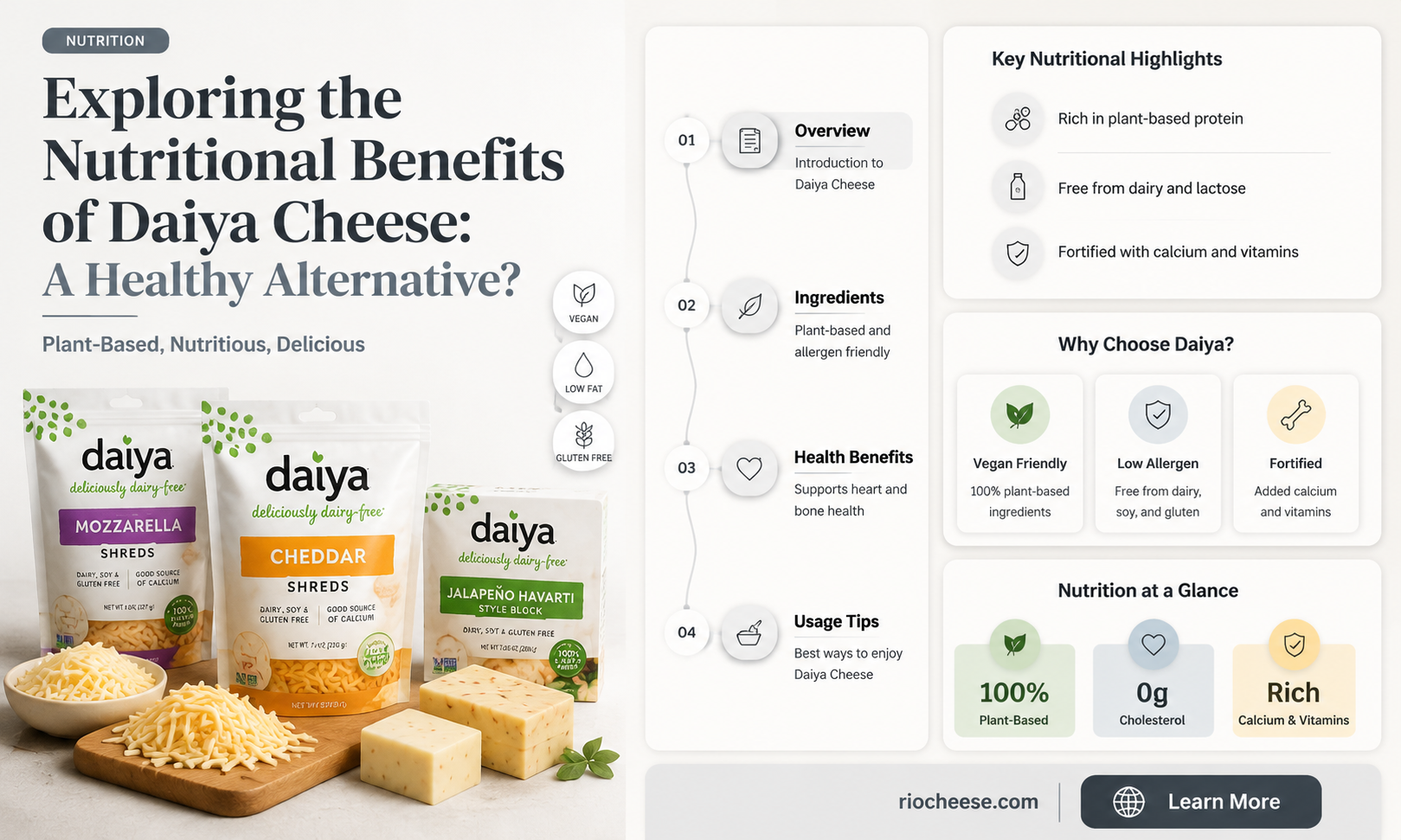
Daiya cheese, a popular dairy-free alternative, has gained traction among consumers seeking vegan or lactose-free options. Made primarily from tapioca starch, coconut oil, and pea protein, Daiya cheese aims to replicate the taste and texture of traditional dairy cheese while catering to dietary restrictions and preferences. However, questions arise regarding its nutritional value and potential health impacts. This discussion delves into the ingredients, nutritional profile, and possible benefits and drawbacks of incorporating Daiya cheese into one's diet, providing a comprehensive overview for those considering this plant-based alternative.
Explore related products



What You'll Learn
- Nutritional Profile: Daiya cheese's vitamins, minerals, and macronutrient content compared to traditional dairy cheese
- Calorie and Fat Content: Analyzing the caloric density and types of fats present in Daiya cheese products
- Protein Quality: Evaluating the protein content and its completeness in terms of essential amino acids
- Additives and Ingredients: Examining the list of ingredients for any potentially harmful additives or preservatives
- Allergen Information: Identifying common allergens present in Daiya cheese and their potential impact on sensitive individuals

Nutritional Profile: Daiya cheese's vitamins, minerals, and macronutrient content compared to traditional dairy cheese
Daiya cheese, a popular plant-based alternative to traditional dairy cheese, offers a unique nutritional profile that can be both beneficial and lacking in certain areas. One of the key advantages of Daiya cheese is its lower saturated fat content compared to many dairy cheeses. This can be particularly beneficial for individuals looking to reduce their intake of saturated fats, which are often associated with increased cholesterol levels and heart disease risk.
In terms of vitamins and minerals, Daiya cheese is typically fortified with several essential nutrients, including vitamin B12, vitamin D, and calcium. These fortifications help to bridge the nutritional gap between plant-based and dairy-based cheeses, ensuring that consumers of Daiya cheese receive adequate amounts of these important nutrients. However, it's worth noting that the bioavailability of these fortified nutrients may differ from their naturally occurring counterparts in dairy cheese.
When comparing the macronutrient content of Daiya cheese to traditional dairy cheese, there are some notable differences. Daiya cheese generally contains fewer calories and less protein than dairy cheese, which can be advantageous for those watching their calorie intake or following a lower-protein diet. However, the lower protein content may also be a drawback for individuals looking to increase their protein consumption, such as athletes or those recovering from illness or surgery.
Another important consideration is the presence of additives and preservatives in Daiya cheese. While these ingredients help to extend the shelf life and improve the texture and flavor of the cheese, some consumers may prefer to avoid them due to concerns about their potential health effects. It's also worth noting that Daiya cheese contains soy and coconut oil, which can be allergens for some individuals.
In conclusion, the nutritional profile of Daiya cheese presents both benefits and drawbacks when compared to traditional dairy cheese. Its lower saturated fat content and fortifications with essential vitamins and minerals make it a healthy choice for many consumers. However, its lower protein content, presence of additives and preservatives, and potential allergens may be considerations for those with specific dietary needs or preferences. As with any food choice, it's important to weigh the nutritional benefits against personal health goals and dietary restrictions.
Exploring the Nutritional Benefits of Cooper Cheese: A Healthy Choice?
You may want to see also
Explore related products

$35.64


Calorie and Fat Content: Analyzing the caloric density and types of fats present in Daiya cheese products
Analyzing the caloric density and types of fats present in Daiya cheese products reveals some interesting insights. Daiya cheese, being a plant-based alternative, typically has a lower calorie count compared to traditional dairy cheese. For instance, a slice of Daiya cheddar cheese contains approximately 80 calories, whereas a similar slice of cheddar cheese from dairy can contain around 110 calories. This makes Daiya cheese a potentially better option for those looking to manage their caloric intake.
In terms of fat content, Daiya cheese products are primarily made from coconut oil, which is a source of saturated fats. While saturated fats have been a topic of debate in the health community, it's important to note that not all saturated fats are created equal. Medium-chain triglycerides (MCTs), found in coconut oil, are metabolized differently than long-chain triglycerides and may have less of an impact on LDL cholesterol levels. However, it's still recommended to consume saturated fats in moderation as part of a balanced diet.
One unique aspect of Daiya cheese is its ability to melt and stretch, which is achieved through the use of tapioca starch and other plant-based ingredients. This melting property makes Daiya cheese a popular choice for pizzas, grilled cheese sandwiches, and other dishes where a gooey texture is desired. However, it's worth noting that the melting agents used in Daiya cheese can be high in calories and may contribute to the overall caloric density of the product.
When comparing Daiya cheese to other plant-based cheese alternatives, it's important to consider the types of fats used. Some plant-based cheeses use oils like canola or soybean oil, which are higher in unsaturated fats. While unsaturated fats are generally considered healthier than saturated fats, they can also be more prone to oxidation when heated, potentially leading to the formation of unhealthy compounds.
In conclusion, while Daiya cheese can be a lower-calorie alternative to traditional dairy cheese, it's important to be mindful of the types of fats present and the overall caloric density. As with any food product, moderation and balance are key to maintaining a healthy diet.
Exploring Pimento Cheese: A Tasty Aid in Your Weight Loss Journey?
You may want to see also
Explore related products



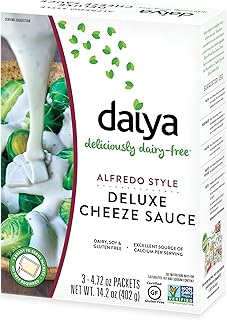
Protein Quality: Evaluating the protein content and its completeness in terms of essential amino acids
Daiya cheese, a popular dairy-free alternative, is often scrutinized for its nutritional profile, particularly its protein content. Unlike traditional cheese, which is a rich source of complete protein containing all nine essential amino acids, plant-based cheeses like Daiya may have varying levels of protein and amino acid completeness. To evaluate the protein quality of Daiya cheese, it's essential to examine both the quantity and the composition of its protein content.
One key aspect to consider is the Protein Digestibility Corrected Amino Acid Score (PDCAAS), which assesses the quality of protein based on its digestibility and amino acid profile. While Daiya cheese may not match the PDCAAS of dairy cheese, it can still provide a valuable source of protein for those following a plant-based diet. It's important to note that the body can synthesize some essential amino acids, but others, such as histidine, isoleucine, leucine, lysine, methionine, phenylalanine, threonine, tryptophan, and valine, must be obtained through the diet.
When evaluating the protein content of Daiya cheese, it's also crucial to consider the overall dietary context. For individuals who consume a well-rounded diet with a variety of protein sources, Daiya cheese can contribute to meeting daily protein needs. However, for those who rely heavily on plant-based cheese as a primary protein source, it's important to ensure that they are also consuming other complementary protein-rich foods to achieve a balanced amino acid intake.
In conclusion, while Daiya cheese may not provide the same protein quality as dairy cheese, it can still be a healthy option for those following a plant-based diet when consumed as part of a balanced and varied meal plan. By understanding the protein content and amino acid profile of Daiya cheese, individuals can make informed decisions about its role in their overall dietary intake.
Unveiling the Nutritional Truth: Is Sargento Cheese a Healthy Choice?
You may want to see also
Explore related products


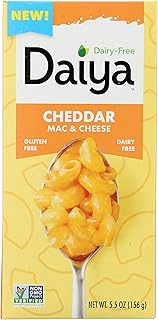

Additives and Ingredients: Examining the list of ingredients for any potentially harmful additives or preservatives
Analyzing the ingredient list of Daiya cheese reveals several additives that may raise health concerns. One such additive is carrageenan, a common emulsifier derived from seaweed. While generally recognized as safe by regulatory bodies, some studies suggest that carrageenan could contribute to gastrointestinal inflammation and other digestive issues. Another additive to consider is natamycin, a natural antifungal agent used as a preservative. Although natamycin is considered safe for consumption, individuals with certain allergies or sensitivities may experience adverse reactions.
In addition to these additives, Daiya cheese contains a blend of vegetable oils, including canola and coconut oil. While these oils are plant-based and often perceived as healthier alternatives to dairy fats, they can still contribute to the overall calorie and fat content of the product. It's also worth noting that Daiya cheese is highly processed, which may involve the use of additional chemicals and additives not explicitly listed on the ingredient label.
When evaluating the healthiness of Daiya cheese, it's essential to consider the potential cumulative effects of these additives and ingredients. While the product may be a suitable alternative for those with lactose intolerance or dairy allergies, individuals seeking a whole-food, minimally processed diet may want to explore other options. As with any food product, moderation and awareness of one's individual dietary needs and sensitivities are key factors in making informed consumption choices.
Exploring the Nutritional Benefits of Liver Cheese: A Healthy Choice?
You may want to see also
Explore related products


Allergen Information: Identifying common allergens present in Daiya cheese and their potential impact on sensitive individuals
Daiya cheese, a popular dairy-free alternative, contains several common allergens that can impact sensitive individuals. One of the primary allergens in Daiya cheese is soy, which is used as a base for the cheese. Soy allergies are relatively common, particularly among children, and can cause symptoms ranging from mild hives to severe anaphylaxis. Another allergen present in Daiya cheese is coconut oil, which is used to add flavor and texture. Coconut allergies are less common but can still cause adverse reactions in some individuals.
In addition to soy and coconut, Daiya cheese also contains other potential allergens such as tapioca starch and pea protein. Tapioca starch, derived from the cassava plant, can cause allergic reactions in rare cases. Pea protein, used to enhance the cheese's nutritional profile, can also be allergenic for some individuals. It is essential for consumers with food allergies to carefully read the ingredient list and consult with a healthcare professional if they have concerns about potential allergens in Daiya cheese.
The impact of these allergens on sensitive individuals can vary widely. Some people may experience mild symptoms such as itching or swelling, while others may have more severe reactions like difficulty breathing or anaphylaxis. It is crucial for individuals with known food allergies to be vigilant about avoiding allergens and to carry emergency medication such as an EpiPen if prescribed.
For those who are not allergic to the ingredients in Daiya cheese, it can be a healthy alternative to traditional dairy cheese. Daiya cheese is lower in saturated fat and calories than many dairy cheeses and is a good source of calcium and protein. However, it is important to note that Daiya cheese is not suitable for individuals with lactose intolerance, as it still contains lactose.
In conclusion, while Daiya cheese can be a healthy option for many people, it is essential to be aware of the potential allergens it contains and their impact on sensitive individuals. Consumers with food allergies should exercise caution and consult with a healthcare professional if they have concerns about consuming Daiya cheese.
Exploring the Nutritional Benefits of Head Cheese: A Healthy Choice?
You may want to see also
Frequently asked questions
Daiya cheese is a plant-based cheese alternative made from coconut oil, tapioca flour, and other ingredients. It is free from dairy, lactose, and cholesterol, making it a suitable option for those with dairy allergies or lactose intolerance. However, it is high in saturated fat and calories, so it should be consumed in moderation as part of a balanced diet.
Daiya cheese is a good source of calcium, vitamin B12, and vitamin D. It also contains some protein and fiber. However, it is important to note that the nutritional profile of Daiya cheese varies depending on the specific product and flavor.
Daiya cheese is one of many plant-based cheese alternatives available on the market. It is similar to other brands in terms of its nutritional profile and ingredients. However, some brands may offer different flavors, textures, or nutritional benefits. It is best to compare products and choose the one that best meets your dietary needs and preferences.
Daiya cheese can be used in many of the same ways as dairy cheese, such as in sandwiches, salads, and cooked dishes. However, it may not melt or brown in the same way as dairy cheese, and it may have a different flavor and texture. It is best to experiment with Daiya cheese to see how it works best for you.
Daiya cheese is generally considered safe to consume, but it is high in saturated fat and calories. Consuming too much saturated fat can increase the risk of heart disease, so it is important to consume Daiya cheese in moderation as part of a balanced diet. Additionally, some people may be allergic to coconut oil or other ingredients in Daiya cheese, so it is important to check the ingredient list before consuming.