Bushra Griffith
Mexican cheese, known for its rich flavors and diverse varieties, is a staple in many cuisines. When considering its health benefits, it's important to note that cheese, in general, can be a good source of protein, calcium, and vitamins. However, it can also be high in saturated fats and sodium, which should be consumed in moderation. The healthiness of Mexican cheese largely depends on the type and how it's consumed. For instance, cheeses like Oaxaca and Cotija are lower in fat compared to others like Cheddar or Monterey Jack. Incorporating Mexican cheese into a balanced diet, paired with whole grains, fruits, and vegetables, can contribute to a nutritious meal plan.
Explore related products




What You'll Learn
- Nutritional Benefits: Mexican cheese is rich in protein, calcium, and essential vitamins, contributing to a balanced diet
- Fat Content: Some Mexican cheeses can be high in saturated fats, which should be consumed in moderation for heart health
- Sodium Levels: Mexican cheese often contains high levels of sodium, which can be a concern for those with hypertension
- Probiotics: Certain types of Mexican cheese, like queso fresco, contain probiotics that can aid in digestion
- Lactose Intolerance: Individuals with lactose intolerance may need to avoid or limit their consumption of Mexican cheese

Nutritional Benefits: Mexican cheese is rich in protein, calcium, and essential vitamins, contributing to a balanced diet
Mexican cheese, a staple in many culinary traditions, offers a plethora of nutritional benefits that make it a valuable addition to a balanced diet. One of the primary advantages of Mexican cheese is its high protein content. Protein is essential for building and repairing tissues, making enzymes and hormones, and maintaining healthy bones, muscles, and skin. Consuming adequate amounts of protein can also aid in weight management by promoting feelings of fullness and reducing overall calorie intake.
In addition to protein, Mexican cheese is an excellent source of calcium. Calcium plays a crucial role in maintaining strong bones and teeth, and it is also involved in muscle function, nerve transmission, and blood clotting. Adequate calcium intake is particularly important for children and adolescents, as it supports the rapid growth and development of their skeletal system. For adults, maintaining sufficient calcium levels can help prevent osteoporosis and other bone-related disorders.
Mexican cheese also contains essential vitamins, such as vitamin A, vitamin B12, and riboflavin. Vitamin A is vital for maintaining healthy vision, immune function, and skin health. It also acts as an antioxidant, helping to protect cells from damage caused by free radicals. Vitamin B12 is necessary for the production of red blood cells and the proper functioning of the nervous system. It also plays a role in DNA synthesis and repair. Riboflavin, or vitamin B2, is important for energy production, cellular function, and the maintenance of healthy skin and mucous membranes.
When incorporating Mexican cheese into your diet, it is important to consider portion sizes and overall dietary balance. While cheese can be a nutritious addition to meals, it is also high in calories and saturated fat. Moderation is key to enjoying the benefits of Mexican cheese without overindulging. Pairing cheese with whole grains, fruits, and vegetables can help create a well-rounded meal that provides a variety of essential nutrients.
In conclusion, Mexican cheese offers several nutritional benefits, including high protein and calcium content, as well as essential vitamins. By consuming it in moderation and as part of a balanced diet, individuals can enjoy these health advantages while also savoring the rich flavors and textures that Mexican cheese brings to a variety of dishes.
Exploring Miyoko's Cheese: A Nutritious Alternative or Just Hype?
You may want to see also
Explore related products


Fat Content: Some Mexican cheeses can be high in saturated fats, which should be consumed in moderation for heart health
Mexican cheese, while a staple in many cuisines, can vary significantly in its nutritional profile, particularly in terms of fat content. Some varieties, such as queso fresco and cotija, are known to be higher in saturated fats. These fats, when consumed in excess, have been linked to increased levels of LDL cholesterol, often referred to as "bad" cholesterol, which can contribute to heart disease.
It's important to note that not all Mexican cheeses are high in saturated fats. For instance, Oaxaca cheese and manchego tend to have lower fat content compared to their counterparts. Additionally, the way cheese is prepared and consumed can impact its healthiness. Grilling or baking cheese instead of frying can help reduce the overall fat content of a dish.
When considering the fat content of Mexican cheese, portion control is key. Enjoying these cheeses in moderation as part of a balanced diet can allow for the indulgence in their rich flavors without significantly impacting heart health. It's also beneficial to pair high-fat cheeses with foods that are known to have heart-healthy properties, such as fruits, vegetables, and whole grains.
For individuals who are particularly concerned about their saturated fat intake, there are alternatives available. Low-fat or reduced-fat versions of many Mexican cheeses can be found, which can provide a similar taste experience with fewer calories and less saturated fat. Additionally, plant-based cheese substitutes are becoming increasingly popular and can offer a healthier option for those looking to reduce their dairy consumption.
In conclusion, while some Mexican cheeses can be high in saturated fats, this doesn't necessarily mean they should be avoided altogether. By being mindful of portion sizes, choosing lower-fat options when possible, and incorporating heart-healthy foods into meals, it's possible to enjoy the diverse and delicious world of Mexican cheese while maintaining a balanced and nutritious diet.
Exploring the Nutritional Value of Cheese Quesadillas: A Healthy Choice?
You may want to see also
Explore related products


Sodium Levels: Mexican cheese often contains high levels of sodium, which can be a concern for those with hypertension
Mexican cheese is renowned for its rich flavors and diverse varieties, but it often comes with a hidden health concern: high sodium content. This is particularly problematic for individuals with hypertension, as excessive sodium intake can exacerbate high blood pressure, leading to potential cardiovascular complications.
The sodium content in Mexican cheese can vary significantly depending on the type and production method. For instance, cheeses like Cotija and Queso Fresco tend to have higher sodium levels compared to others like Oaxaca or Manchego. This variation is partly due to the different aging processes and salt content used during production.
For those with hypertension, it's crucial to monitor and limit sodium intake. The American Heart Association recommends consuming no more than 2,300 milligrams of sodium per day, and ideally aiming for 1,500 milligrams or less. Given that a single serving of some Mexican cheeses can contain upwards of 400 milligrams of sodium, it's essential to be mindful of portion sizes and overall dietary sodium intake.
To mitigate the impact of sodium in Mexican cheese, individuals with hypertension can consider several strategies. One approach is to choose lower-sodium varieties of cheese or opt for reduced-sodium versions when available. Another strategy is to balance cheese consumption with other low-sodium foods, such as fruits, vegetables, and whole grains, to help offset the overall sodium intake.
In conclusion, while Mexican cheese can be a delicious addition to a balanced diet, its high sodium content poses a significant concern for those with hypertension. By being aware of the sodium levels in different types of Mexican cheese and implementing strategies to manage sodium intake, individuals can enjoy this flavorful food while maintaining a heart-healthy diet.
Exploring the Nutritional Benefits of Fontina Cheese
You may want to see also
Explore related products


Probiotics: Certain types of Mexican cheese, like queso fresco, contain probiotics that can aid in digestion
Certain types of Mexican cheese, such as queso fresco, are not only delicious but also offer health benefits due to their probiotic content. Probiotics are live microorganisms that, when administered in adequate amounts, confer a health benefit on the host. In the case of queso fresco, these beneficial bacteria can aid in digestion by promoting a healthy balance of gut flora. This is particularly important because a well-balanced gut microbiome is essential for overall health, influencing everything from nutrient absorption to immune function.
The probiotics found in queso fresco can help alleviate symptoms of irritable bowel syndrome (IBS), reduce the risk of antibiotic-associated diarrhea, and even support the immune system. For individuals looking to incorporate more probiotics into their diet, queso fresco is a tasty and convenient option. It can be easily added to a variety of dishes, from salads and sandwiches to soups and casseroles, making it a versatile choice for those seeking to improve their digestive health.
Moreover, the probiotic benefits of queso fresco are not limited to digestion. Research suggests that a healthy gut microbiome can have a positive impact on mental health, potentially reducing symptoms of anxiety and depression. Additionally, probiotics may play a role in weight management by influencing appetite and metabolism. Therefore, incorporating queso fresco into one's diet could have far-reaching health benefits beyond just digestive health.
In conclusion, the probiotics present in certain types of Mexican cheese, like queso fresco, make them a valuable addition to a health-conscious diet. By promoting a balanced gut microbiome, these cheeses can aid in digestion, support immune function, and potentially even contribute to mental well-being and weight management. As with any dietary change, it's important to consume these cheeses in moderation and as part of a balanced diet.
Nutritional Spotlight: Is Kraft Macaroni and Cheese a Healthy Choice?
You may want to see also
Explore related products


Lactose Intolerance: Individuals with lactose intolerance may need to avoid or limit their consumption of Mexican cheese
Individuals with lactose intolerance face unique dietary challenges, particularly when it comes to dairy products like Mexican cheese. Lactose intolerance occurs when the body lacks sufficient lactase, the enzyme responsible for breaking down lactose, the primary sugar in dairy. This deficiency can lead to digestive discomfort, including bloating, gas, and diarrhea, when consuming lactose-containing foods.
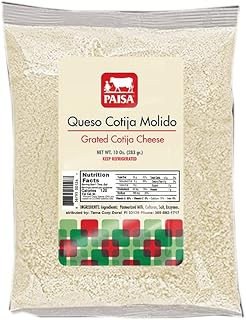
Mexican cheese, known for its rich flavors and diverse varieties, often contains significant amounts of lactose. Traditional cheeses like Cheddar, Monterey Jack, and Cotija are made from cow's milk, which is high in lactose. For individuals with lactose intolerance, consuming these cheeses can trigger unpleasant digestive symptoms.
Fortunately, there are alternatives available for those who wish to enjoy Mexican cuisine without the discomfort associated with lactose intolerance. Lactose-free cheeses, which have had the lactose removed through enzymatic processes, can be a suitable option. Additionally, some Mexican cheeses, such as those made from goat's or sheep's milk, naturally contain lower levels of lactose and may be better tolerated by individuals with lactose intolerance.
It's essential for individuals with lactose intolerance to be aware of their condition and make informed choices about their diet. Reading food labels, consulting with healthcare professionals, and experimenting with different types of cheeses can help individuals find suitable alternatives that allow them to enjoy the flavors of Mexican cuisine without compromising their digestive health.
In conclusion, while Mexican cheese can be a delicious addition to many dishes, individuals with lactose intolerance must be cautious about their consumption. By understanding their condition and exploring alternative options, they can still enjoy the rich flavors of Mexican cuisine while maintaining their digestive well-being.
Exploring the Nutritional Benefits of Babybel Cheeses: A Healthy Choice?
You may want to see also
Frequently asked questions
Mexican cheese can be part of a healthy diet when consumed in moderation. It provides essential nutrients like protein, calcium, and vitamins, but it can also be high in saturated fat and sodium.
Healthier alternatives include reduced-fat or skim-milk versions of Mexican cheese, as well as plant-based cheese substitutes made from nuts or soy.
Compared to other types of cheese, Mexican cheese often has a higher fat content, especially saturated fat. However, it can also provide more calcium and protein than some other cheeses.
Mexican cheese can be used in moderation as part of a balanced diet. It can be added to salads, used as a topping for tacos or burritos, or melted into dishes like enchiladas or quesadillas. Pairing it with whole grains, vegetables, and lean proteins can help create a nutritious meal.
Mexican cheese can offer several health benefits due to its nutrient content. It is a good source of calcium, which is important for bone health, and it also provides protein, which is essential for muscle growth and repair. Additionally, some Mexican cheeses contain probiotics, which can support digestive health.



![Mexican Style Four Cheese Blend Shredded Cheese , This finely shredded cheese comes pre-shredded for easy meal prep to be used in your familys favorite taco salad, tacos, quesadillas, and more. Each bag is resealable to help lock in flavor. Made with milk from cows raised without added rbST hormone. No significant difference has been shown between milk derived from rbST-treated and non-rbST treated cows. [ 16 oz , 1 lb ] .., 2 pk](https://m.media-amazon.com/images/I/610ZZ+yCKBL._AC_UL320_.jpg)