Andy Montoya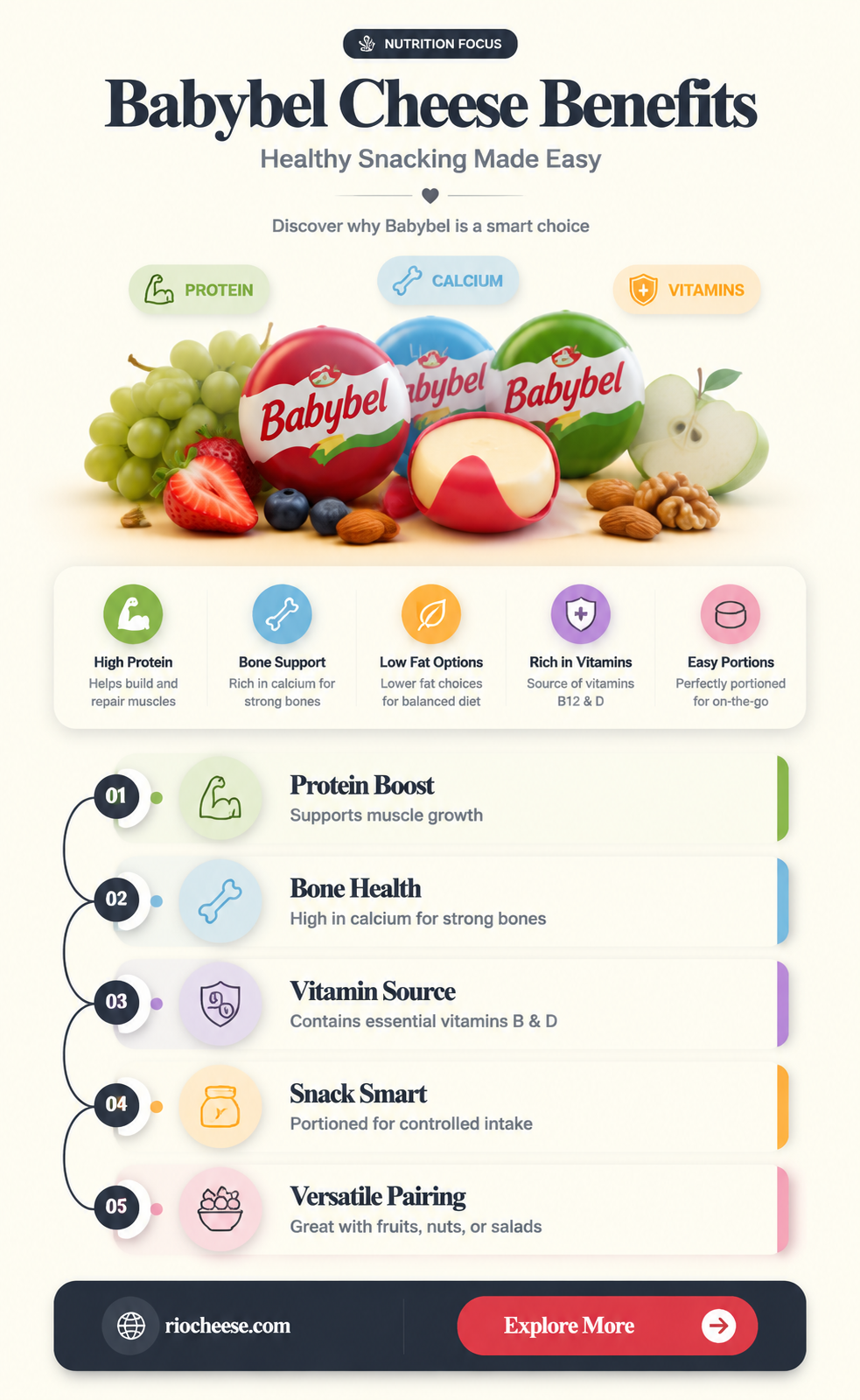
Babybel cheeses are a popular snack choice known for their convenient packaging and mild flavor. But when it comes to their nutritional value, many people wonder if they're a healthy option. In this article, we'll delve into the nutritional profile of Babybel cheeses, exploring their benefits and drawbacks to help you make an informed decision about whether they should be a part of your diet. From their protein and calcium content to their fat and sodium levels, we'll break down the key nutrients found in Babybel cheeses and discuss how they fit into a balanced diet.
Explore related products


What You'll Learn
- Nutritional Content: Babybel cheeses are rich in protein, calcium, and vitamins, making them a nutritious snack option
- Fat and Calorie Content: They are relatively low in fat and calories compared to other cheese varieties, suitable for weight-conscious individuals
- Sodium Levels: Babybel cheeses contain moderate amounts of sodium, which should be considered by those monitoring their salt intake
- Lactose Intolerance: As a dairy product, Babybel may not be suitable for individuals with lactose intolerance unless consumed in moderation
- Additives and Preservatives: Some Babybel products may contain additives and preservatives, which could be a concern for those preferring natural foods

Nutritional Content: Babybel cheeses are rich in protein, calcium, and vitamins, making them a nutritious snack option
Babybel cheeses are a popular snack choice, and their nutritional content is a key factor in their appeal. These small, round cheeses are made from cow's milk and are known for their rich, creamy flavor. But what makes them a nutritious option? Let's dive into the specifics.
Protein is an essential nutrient for building and repairing tissues in the body, and Babybel cheeses are an excellent source. A single Babybel Light cheese contains approximately 6 grams of protein, which is about 12% of the daily value for adults. This makes them a great choice for those looking to increase their protein intake, especially for individuals who are active or looking to build muscle.
Calcium is another important nutrient found in abundance in Babybel cheeses. Calcium is crucial for strong bones and teeth, and it also plays a role in muscle function and nerve transmission. A Babybel Light cheese provides about 20% of the daily value for calcium, making it a significant contributor to a balanced diet. This is particularly important for children, adolescents, and older adults who are at risk for calcium deficiencies.
In addition to protein and calcium, Babybel cheeses are also a good source of vitamins. They contain vitamins A, B12, and D, which are essential for maintaining healthy vision, supporting the immune system, and promoting bone health. Vitamin B12 is especially important for vegetarians and vegans, as it is primarily found in animal products.
When considering the nutritional content of Babybel cheeses, it's also important to note their fat content. While they are a good source of protein and calcium, they are also relatively high in fat. A Babybel Light cheese contains about 5 grams of fat, which is about 8% of the daily value. However, it's worth noting that the fat content can vary depending on the type of Babybel cheese, with some varieties being lower in fat than others.
In conclusion, Babybel cheeses are a nutritious snack option due to their high protein, calcium, and vitamin content. They can be a valuable addition to a balanced diet, especially for those looking to increase their intake of these essential nutrients. However, it's important to be mindful of their fat content and to choose varieties that align with your dietary needs and preferences.
Exploring the Nutritional Benefits of Oaxaca Cheese: A Healthy Choice?
You may want to see also
Explore related products


Fat and Calorie Content: They are relatively low in fat and calories compared to other cheese varieties, suitable for weight-conscious individuals
Babybel cheeses are a popular snack choice for many due to their convenient packaging and mild flavor. One of the key benefits of Babybel cheeses is their relatively low fat and calorie content compared to other cheese varieties. This makes them a suitable option for individuals who are conscious about their weight or are looking to maintain a healthy diet.
In terms of fat content, Babybel cheeses typically contain around 6-7 grams of fat per serving, which is lower than many other types of cheese. For example, a serving of cheddar cheese can contain upwards of 10 grams of fat. Additionally, Babybel cheeses are often made with reduced-fat milk, which further lowers their fat content.
When it comes to calorie content, Babybel cheeses are also a relatively low-calorie option. A single Babybel cheese typically contains around 70-80 calories, which is comparable to a small apple or a handful of almonds. This makes them a great snack choice for those who are watching their calorie intake.
It's important to note, however, that while Babybel cheeses are lower in fat and calories than some other cheese varieties, they are still a source of saturated fat and should be consumed in moderation as part of a balanced diet. Additionally, some Babybel products may contain added flavors or ingredients that can increase their calorie and fat content, so it's always a good idea to check the nutrition label before purchasing.
Overall, Babybel cheeses can be a healthy snack option for weight-conscious individuals due to their relatively low fat and calorie content. However, as with any food, it's important to consume them in moderation and as part of a balanced diet.
Unveiling the Nutritional Truth: Is Sargento Cheese a Healthy Choice?
You may want to see also
Explore related products


Sodium Levels: Babybel cheeses contain moderate amounts of sodium, which should be considered by those monitoring their salt intake
Babybel cheeses, while a convenient and tasty snack option, contain moderate amounts of sodium that should be considered by individuals monitoring their salt intake. This is particularly important for those with hypertension or heart disease, as excessive sodium consumption can exacerbate these conditions. A single Babybel cheese wheel contains approximately 170mg of sodium, which is roughly 7% of the recommended daily intake for adults. While this may not seem significant, it's essential to consider the cumulative effect of sodium intake from all food sources throughout the day.
For those looking to reduce their sodium intake, it's crucial to be mindful of portion sizes and to balance Babybel cheese consumption with other low-sodium foods. Additionally, incorporating more potassium-rich foods into one's diet can help counteract the effects of sodium. It's also worth noting that Babybel cheeses are available in a 'Light' variety, which contains less sodium than the original version. This can be a suitable option for those who want to enjoy the convenience and taste of Babybel cheeses while minimizing their sodium intake.
In conclusion, while Babybel cheeses can be a part of a healthy diet in moderation, it's essential to be aware of their sodium content and to make informed choices based on individual dietary needs and restrictions. By balancing portion sizes, incorporating low-sodium and potassium-rich foods, and opting for lower-sodium varieties when available, individuals can enjoy the benefits of Babybel cheeses while maintaining a healthy sodium intake.
Exploring the Nutritional Benefits of Head Cheese: A Healthy Choice?
You may want to see also
Explore related products




Lactose Intolerance: As a dairy product, Babybel may not be suitable for individuals with lactose intolerance unless consumed in moderation
Lactose intolerance is a common digestive issue where individuals lack the enzyme lactase, which is necessary to break down lactose found in dairy products like Babybel cheese. This can lead to symptoms such as bloating, gas, diarrhea, and stomach cramps when consuming lactose-containing foods. For those with lactose intolerance, it's crucial to monitor their dairy intake and opt for lactose-free alternatives or consume dairy in moderation to manage their symptoms effectively.
Babybel cheeses, while nutritious and convenient, contain lactose and may not be suitable for individuals with lactose intolerance unless consumed in moderation. It's essential for those with this condition to be aware of their lactose threshold and adjust their diet accordingly. Some individuals may be able to tolerate small amounts of lactose without experiencing symptoms, while others may need to avoid it entirely.
Fortunately, there are several lactose-free cheese options available in the market for those who wish to enjoy cheese without the discomfort associated with lactose intolerance. These alternatives are typically made from plant-based ingredients or have had the lactose removed through a filtration process. Additionally, some individuals may find that taking lactase enzyme supplements before consuming dairy products can help alleviate their symptoms.
In conclusion, while Babybel cheeses can be a healthy choice for many, they may not be suitable for individuals with lactose intolerance unless consumed in moderation. It's important for those with this condition to be mindful of their lactose intake and explore alternative options to enjoy cheese without compromising their digestive health.
Exploring the Nutritional Benefits of Fontina Cheese
You may want to see also
Explore related products


Additives and Preservatives: Some Babybel products may contain additives and preservatives, which could be a concern for those preferring natural foods
Some Babybel cheese products contain additives and preservatives, which can be a concern for individuals who prefer natural foods. These substances are often added to enhance flavor, texture, or shelf life. Common additives in cheese include enzymes, cultures, and flavorings, while preservatives may include substances like natamycin or potassium sorbate.
The presence of these additives can impact the nutritional value and taste of the cheese. For example, some additives may contribute to a higher sodium content, which can be a concern for those monitoring their salt intake. Additionally, the use of artificial preservatives may affect the natural aging process of the cheese, potentially altering its flavor profile.
For consumers who are concerned about additives and preservatives, it is important to read the ingredient labels carefully. Choosing products with fewer additives or opting for organic varieties can be a healthier alternative. It is also worth noting that some Babybel products may offer additive-free options, catering to the preferences of health-conscious consumers.
In conclusion, while Babybel cheeses can be a convenient and tasty snack option, the presence of additives and preservatives may be a consideration for those prioritizing natural foods. By being mindful of ingredient labels and choosing products with fewer additives, consumers can make informed decisions about their cheese consumption.
Exploring the Nutritional Benefits of Laughing Cow Cheese
You may want to see also
Frequently asked questions
Babybel cheeses can be considered a healthy snack option when consumed in moderation. They are a good source of protein, calcium, and vitamins B12 and A. However, they also contain saturated fat and sodium, so it's important to balance them with other nutritious foods in your diet.
Babybel cheeses provide several nutritional benefits. They are rich in protein, which is essential for muscle repair and growth. They also contain calcium, crucial for bone health, and vitamins B12 and A, which support nerve function and immune health, respectively. Additionally, they offer some beneficial bacteria that can aid in digestion.
To incorporate Babybel cheeses into a balanced diet, consider them as a snack or part of a meal rather than a staple. Pair them with whole-grain crackers, fruits, or vegetables to increase the fiber and nutrient content of your snack. It's also important to be mindful of portion sizes, as cheeses can be high in calories and fat. Enjoying Babybel cheeses in moderation as part of a varied diet can contribute to overall health.