Kamil Perry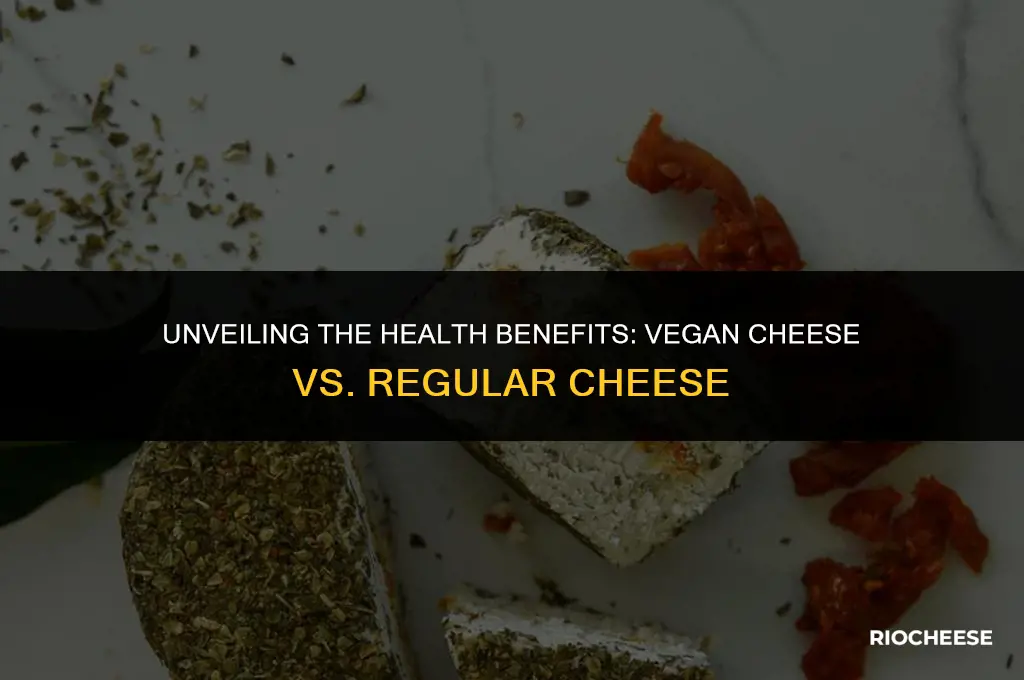
Vegan cheese has gained popularity as a plant-based alternative to traditional dairy cheese, sparking debates about its health benefits. Made from nuts, seeds, soy, or coconut oil, vegan cheese offers a lactose-free option for those with dietary restrictions or preferences. While it typically contains fewer calories and saturated fats than regular cheese, it may also be lower in certain nutrients like calcium and protein. The healthiness of vegan cheese compared to regular cheese depends on various factors, including the specific ingredients used, portion sizes, and overall dietary balance.
| Characteristics | Values |
|---|---|
| Calories | Vegan cheese typically has fewer calories than regular cheese. For example, 1 ounce (28g) of vegan cheese may contain around 70-100 calories, while the same amount of regular cheddar cheese can have about 115 calories. |
| Fat Content | Vegan cheese generally has lower saturated fat content compared to regular cheese. This can contribute to a heart-healthier diet. |
| Cholesterol | Vegan cheese is cholesterol-free, whereas regular cheese contains cholesterol, which can be a concern for those monitoring their cholesterol levels. |
| Protein | The protein content can vary, but many vegan cheeses provide a good amount of protein, sometimes comparable to regular cheese. However, the protein quality and amino acid profile may differ. |
| Calcium | Vegan cheese can be a good source of calcium, especially if fortified. However, the bioavailability of calcium from vegan cheese might be different from that of dairy cheese. |
| Vitamins and Minerals | Vegan cheese may be fortified with vitamins and minerals like vitamin B12, vitamin D, and zinc, which are naturally present in dairy cheese. |
| Environmental Impact | The production of vegan cheese generally has a lower environmental impact in terms of greenhouse gas emissions, water usage, and land use compared to dairy cheese production. |
| Allergens | Vegan cheese is typically free from dairy allergens, making it suitable for those with lactose intolerance or dairy allergies. However, it may contain other allergens like soy or nuts, depending on the ingredients. |
| Taste and Texture | The taste and texture of vegan cheese can vary widely depending on the brand and type. Some vegan cheeses are designed to closely mimic the taste and texture of dairy cheese, while others have unique flavors and textures. |
| Price | Vegan cheese can be more expensive than regular cheese due to the cost of alternative ingredients and production processes. However, prices can vary depending on the brand and type. |
| Availability | Vegan cheese is becoming increasingly widely available in supermarkets and specialty stores, but the selection may be more limited compared to regular cheese. |
| Culinary Uses | Vegan cheese can be used in a variety of culinary applications, from sandwiches and salads to baking and cooking. However, the melting properties and flavor profiles may differ from those of dairy cheese, requiring some adjustments in recipes. |
Explore related products


What You'll Learn
- Nutritional Comparison: Analyzing the nutritional content of vegan cheese versus regular cheese, including calories, fat, and protein
- Ingredient Differences: Examining the ingredients used in vegan cheese alternatives compared to those in traditional dairy cheese
- Health Benefits: Exploring potential health benefits of choosing vegan cheese, such as lower cholesterol or reduced saturated fat intake
- Dietary Restrictions: Considering how vegan cheese accommodates dietary restrictions like lactose intolerance, dairy allergies, or vegan lifestyles
- Environmental Impact: Assessing the environmental impact of producing vegan cheese versus regular cheese, including factors like greenhouse gas emissions and resource usage

Nutritional Comparison: Analyzing the nutritional content of vegan cheese versus regular cheese, including calories, fat, and protein
Vegan cheese and regular cheese differ significantly in their nutritional profiles. One of the primary differences lies in their fat content. Regular cheese, particularly varieties like cheddar and mozzarella, tends to be high in saturated fats, which can contribute to increased cholesterol levels and heart disease risk when consumed in excess. In contrast, many vegan cheeses are made from plant-based fats, such as those derived from nuts, seeds, or soy, which are generally considered healthier options. These plant-based fats can include monounsaturated and polyunsaturated fats, which may help lower bad cholesterol levels and reduce the risk of heart disease.
Caloric content is another important factor to consider. Generally, vegan cheeses tend to be lower in calories compared to their dairy counterparts. This can be beneficial for individuals who are watching their caloric intake or are trying to manage their weight. However, it's essential to note that not all vegan cheeses are low in calories, as some varieties can be quite dense and high in fat. Therefore, it's crucial to check the nutritional labels and portion sizes when comparing different types of cheese.
Protein content is a key nutrient that is often a concern for individuals following a vegan diet. While regular cheese is a good source of protein, many vegan cheeses also provide a substantial amount of protein, particularly those made from soy, peas, or nuts. However, the protein quality and amino acid profile can vary between plant-based and dairy-based cheeses. Dairy cheese typically contains all nine essential amino acids in adequate amounts, whereas some plant-based cheeses may be lacking in certain amino acids. Therefore, it's important for vegans to consume a variety of protein sources to ensure they are getting all the essential amino acids their bodies need.
In addition to calories, fat, and protein, other nutrients like calcium, vitamin D, and B vitamins are also important to consider when comparing vegan and regular cheese. Dairy cheese is a rich source of calcium and often fortified with vitamin D, which are crucial for bone health. Many vegan cheeses are also fortified with these nutrients, but the bioavailability can vary. B vitamins, particularly vitamin B12, are typically lower in vegan cheeses unless they are fortified. Therefore, individuals following a vegan diet may need to consider supplements or other fortified foods to ensure they are getting adequate amounts of these nutrients.
In conclusion, while vegan cheese can be a healthier alternative to regular cheese in terms of fat and calorie content, it's essential to consider the overall nutritional profile, including protein quality, calcium, vitamin D, and B vitamins. By choosing a variety of nutrient-dense vegan cheeses and incorporating other protein sources and fortified foods into their diet, individuals can enjoy the benefits of a plant-based diet while ensuring they are meeting their nutritional needs.
Nutritional Harmony: Unpacking the Health Benefits of Turkey and Cheese
You may want to see also
Explore related products


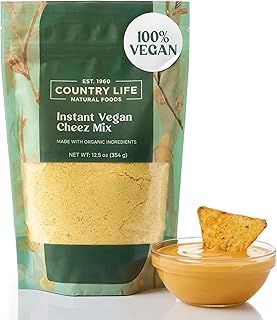


Ingredient Differences: Examining the ingredients used in vegan cheese alternatives compared to those in traditional dairy cheese
Vegan cheese alternatives and traditional dairy cheeses differ significantly in their ingredient compositions. While dairy cheese is made primarily from milk, salt, and enzymes, vegan cheese substitutes often contain a variety of plant-based ingredients such as nuts, seeds, soy, and coconut oil. These differences in ingredients can have a substantial impact on the nutritional profile, taste, and texture of the final product.
One key difference is the presence of saturated fats. Traditional dairy cheeses tend to be high in saturated fats, which have been linked to increased cholesterol levels and heart disease risk when consumed in excess. Vegan cheese alternatives, on the other hand, often use plant-based fats that are lower in saturated fat content. For example, coconut oil, a common ingredient in vegan cheese, contains medium-chain triglycerides (MCTs) that are metabolized differently than long-chain saturated fats found in dairy.
Another significant difference is the use of additives and preservatives. Vegan cheese alternatives may contain a variety of additives to enhance flavor, texture, and shelf life, such as tapioca starch, carrageenan, and natural flavorings. In contrast, traditional dairy cheeses typically contain fewer additives, with some varieties being made with just milk, salt, and enzymes. However, it's important to note that not all vegan cheeses contain additives, and there are many artisanal varieties that use minimal processing and natural ingredients.
Protein content is also a distinguishing factor. Dairy cheese is a rich source of high-quality protein, containing all nine essential amino acids. Vegan cheese alternatives, while often lower in protein than their dairy counterparts, can still provide a good amount of protein depending on the ingredients used. For example, soy-based vegan cheeses tend to be higher in protein than those made from nuts or seeds.
In terms of vitamins and minerals, vegan cheese alternatives may be fortified with nutrients like vitamin B12, calcium, and zinc to mimic the nutritional profile of dairy cheese. However, the bioavailability of these nutrients can vary depending on the form and source. For instance, vitamin B12 derived from plant-based sources may not be as easily absorbed by the body as vitamin B12 from animal sources.
When considering the health implications of vegan cheese versus traditional dairy cheese, it's essential to look at the specific ingredients and nutritional content of each product. While vegan cheese alternatives can offer some health benefits, such as lower saturated fat content and the potential for higher fiber intake, they may also contain additives and have different nutrient profiles compared to dairy cheese. As with any dietary choice, it's important to make informed decisions based on individual nutritional needs and preferences.
Unveiling the Nutritional Truth: Is Sargento Cheese a Healthy Choice?
You may want to see also
Explore related products


Health Benefits: Exploring potential health benefits of choosing vegan cheese, such as lower cholesterol or reduced saturated fat intake
Vegan cheese has gained popularity not only among those following a plant-based diet but also among health-conscious individuals. One of the primary reasons for this shift is the potential health benefits associated with vegan cheese consumption. Unlike traditional dairy cheese, vegan cheese is typically lower in saturated fat and cholesterol, two key factors that can contribute to heart disease when consumed in excess. By choosing vegan cheese, individuals may be able to reduce their intake of these harmful substances, potentially lowering their risk of cardiovascular issues.
Moreover, vegan cheese is often fortified with essential nutrients such as calcium, vitamin B12, and vitamin D, which are crucial for maintaining strong bones and a healthy immune system. These fortifications can be particularly beneficial for individuals who may be deficient in these nutrients, such as those with lactose intolerance or those following a strict vegan diet. Additionally, vegan cheese is typically free from antibiotics and growth hormones, which are sometimes used in the production of dairy cheese. This can be an important consideration for those concerned about the potential health impacts of these additives.
Another advantage of vegan cheese is its potential to be a more sustainable and environmentally friendly option compared to traditional dairy cheese. The production of vegan cheese generally requires fewer resources, such as water and land, and results in lower greenhouse gas emissions. This can be an important factor for individuals who are looking to reduce their environmental footprint while still enjoying the foods they love.
In conclusion, vegan cheese offers several potential health benefits, including lower cholesterol and saturated fat intake, as well as being a source of essential nutrients. Additionally, it can be a more sustainable and environmentally friendly option compared to traditional dairy cheese. As with any dietary change, it is important to consult with a healthcare professional to ensure that vegan cheese is a suitable choice for your individual health needs.
Exploring the Nutritional Benefits of Hog Head Cheese
You may want to see also
Explore related products
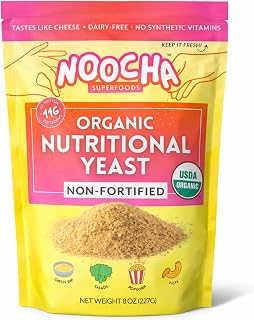


Dietary Restrictions: Considering how vegan cheese accommodates dietary restrictions like lactose intolerance, dairy allergies, or vegan lifestyles
For individuals with lactose intolerance, dairy allergies, or those following a vegan lifestyle, traditional cheese can be a dietary challenge. Vegan cheese, however, offers a solution by providing a dairy-free alternative that caters to these specific dietary needs. Lactose intolerance, a condition where the body lacks the enzyme lactase to digest lactose found in dairy, affects a significant portion of the global population. Dairy allergies, which can cause a range of symptoms from mild to severe, further limit the consumption of traditional cheese. Vegan cheese, made from plant-based ingredients such as nuts, seeds, and soy, bypasses these issues entirely, making it a suitable option for those with such dietary restrictions.
Moreover, vegan cheese aligns with the ethical and environmental considerations of those following a vegan lifestyle. Vegans avoid animal products to minimize harm to animals and reduce their ecological footprint, as the dairy industry is a significant contributor to greenhouse gas emissions and water usage. By choosing vegan cheese, individuals can enjoy a product that not only meets their dietary requirements but also supports their values and beliefs.
It is important to note that while vegan cheese accommodates certain dietary restrictions, it may not be suitable for everyone. For instance, individuals with nut allergies should be cautious, as many vegan cheeses contain nuts. Additionally, the nutritional profile of vegan cheese can vary widely depending on the ingredients used, so it is essential to read labels and choose options that align with one's overall dietary goals.
In conclusion, vegan cheese serves as a valuable alternative for those with lactose intolerance, dairy allergies, or vegan lifestyles, offering a way to enjoy cheese-like products without compromising health or ethical standards. As the demand for plant-based options continues to grow, the variety and quality of vegan cheeses are likely to improve, providing even more choices for consumers with specific dietary needs.
Exploring the Nutritional Benefits of Violife Cheese: A Healthy Alternative?
You may want to see also
Explore related products


Environmental Impact: Assessing the environmental impact of producing vegan cheese versus regular cheese, including factors like greenhouse gas emissions and resource usage
The production of vegan cheese versus regular cheese has significant environmental implications. Vegan cheese, typically made from plant-based ingredients such as nuts, seeds, and soy, generally has a lower environmental footprint compared to dairy cheese. The dairy industry is a major contributor to greenhouse gas emissions, primarily due to methane produced by cows during digestion. In contrast, plant-based cheese production does not involve livestock and therefore results in substantially lower methane emissions.
Resource usage is another critical factor to consider. Dairy farming requires large amounts of water and land for grazing and growing feed crops. Vegan cheese production, on the other hand, tends to be less water-intensive and can utilize land more efficiently, especially when sourced from sustainable suppliers. For instance, almond milk, a common ingredient in vegan cheese, requires significantly less water to produce than cow's milk.
However, it's essential to note that not all vegan cheeses are created equal in terms of environmental impact. Some vegan cheese brands may use ingredients sourced from unsustainable practices or rely on energy-intensive processing methods. Consumers should look for certifications such as organic or non-GMO to ensure that the vegan cheese they choose is produced with environmentally friendly practices.
In conclusion, while vegan cheese generally has a lower environmental impact than regular cheese due to reduced greenhouse gas emissions and more efficient resource usage, it's crucial to make informed choices about the specific brands and ingredients to maximize the environmental benefits.
Nutritional Breakdown: Is a Bean and Cheese Burrito a Healthy Choice?
You may want to see also
Frequently asked questions
Vegan cheese can be a healthier alternative to regular cheese for some individuals, particularly those who are lactose intolerant or have dietary restrictions. However, it's important to note that not all vegan cheeses are created equal, and some may contain high levels of saturated fats or sodium. It's always best to check the nutritional information and choose a vegan cheese that aligns with your dietary needs and preferences.
Some potential health benefits of choosing vegan cheese over regular cheese include lower saturated fat content, which can help reduce the risk of heart disease, and the absence of lactose, which can be beneficial for those who are lactose intolerant. Additionally, vegan cheese may contain more plant-based nutrients, such as fiber and antioxidants, which can contribute to overall health and well-being.
One potential drawback of consuming vegan cheese instead of regular cheese is that it may not provide the same level of calcium and other nutrients found in dairy cheese. Additionally, some vegan cheeses may contain high levels of sodium or saturated fats, which can be detrimental to health if consumed in excess. It's important to choose a vegan cheese that is fortified with essential nutrients and to consume it in moderation as part of a balanced diet.
The taste and texture of vegan cheese can vary widely depending on the brand and type. Some vegan cheeses are designed to closely mimic the taste and texture of dairy cheese, while others may have a distinct flavor profile. In general, vegan cheese tends to be softer and creamier than dairy cheese, but it can also be found in firmer varieties. It's important to experiment with different types of vegan cheese to find one that you enjoy.
Common ingredients used to make vegan cheese include plant-based milks, such as almond milk, soy milk, or coconut milk, as well as nuts, seeds, and legumes. Some vegan cheeses also contain nutritional yeast, which provides a cheesy flavor, and various spices and herbs for added taste. The specific ingredients used can vary depending on the brand and type of vegan cheese.