 Bushra Griffith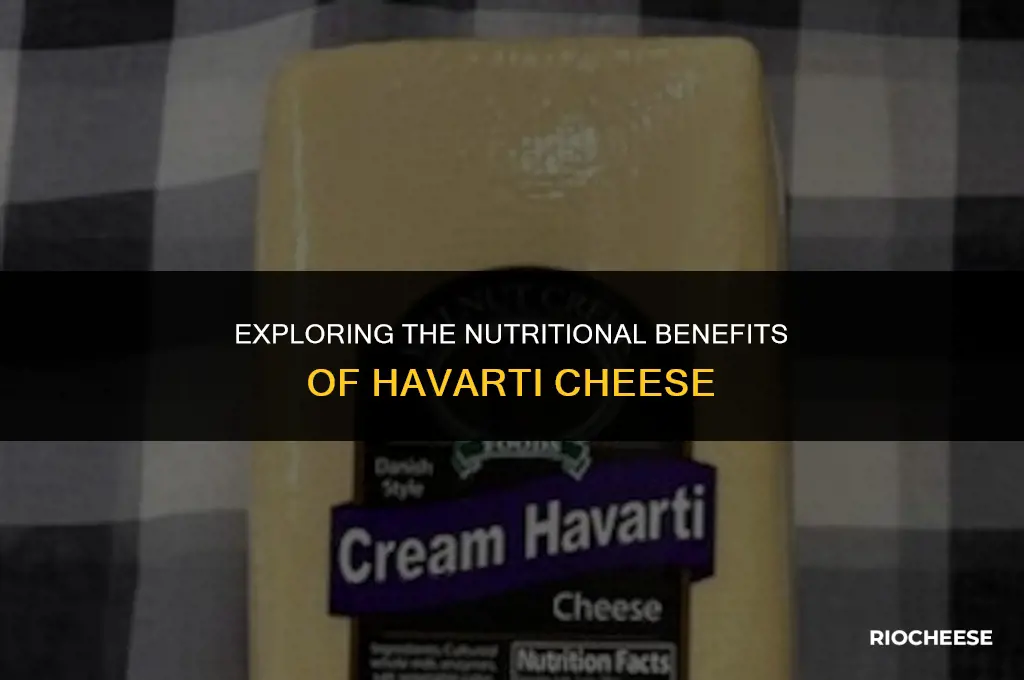
Havarti cheese, a semi-soft Danish cheese, is known for its mild flavor and smooth texture, making it a popular choice for sandwiches, salads, and snacking. When considering its health benefits, Havarti contains beneficial nutrients such as protein, calcium, and vitamins B12 and K2. However, it is also relatively high in saturated fat and calories, which should be consumed in moderation as part of a balanced diet. Additionally, Havarti is lower in lactose compared to some other cheeses, potentially making it a better option for those with mild lactose intolerance. Overall, while Havarti cheese can be a nutritious addition to a diet, it's important to enjoy it as part of a varied and balanced meal plan.
Explore related products



What You'll Learn
- Nutritional Profile: Havarti cheese is rich in protein, calcium, and vitamins, but also high in fat and calories
- Lactose Content: It contains lactose, making it unsuitable for those with lactose intolerance
- Probiotics: Some varieties may contain probiotics, beneficial for gut health
- Sodium Levels: Havarti can be high in sodium, which may be a concern for those monitoring their salt intake
- Comparison to Other Cheeses: Compared to other cheeses, Havarti has a milder flavor and smoother texture, making it a versatile choice

Nutritional Profile: Havarti cheese is rich in protein, calcium, and vitamins, but also high in fat and calories
Havarti cheese, a semi-soft Danish cheese, boasts a rich nutritional profile that can contribute positively to a balanced diet. It is an excellent source of protein, which is essential for muscle repair and growth. A 100-gram serving of Havarti cheese provides approximately 25 grams of protein, making it a valuable addition to meals for those looking to increase their protein intake.
In addition to protein, Havarti cheese is also high in calcium, a mineral crucial for bone health. The same 100-gram serving contains about 70% of the recommended daily intake of calcium, which can help in maintaining strong bones and teeth. Furthermore, Havarti cheese is a good source of vitamins, particularly vitamin B12 and riboflavin (vitamin B2), which play important roles in energy production and overall metabolic health.
However, it is important to note that Havarti cheese is also high in fat and calories. A 100-gram serving contains around 27 grams of fat and 333 calories, which can contribute significantly to daily caloric intake. For individuals watching their weight or managing conditions such as high cholesterol, it is essential to consume Havarti cheese in moderation as part of a balanced diet.
When considering the health benefits of Havarti cheese, it is also worth noting that it contains conjugated linoleic acid (CLA), a type of fatty acid that has been linked to various health benefits, including improved immune function and reduced body fat. Additionally, Havarti cheese is lower in lactose compared to some other cheeses, making it a more digestible option for those with lactose intolerance.
In conclusion, while Havarti cheese offers several nutritional benefits, including being rich in protein, calcium, and vitamins, its high fat and calorie content necessitates mindful consumption. Incorporating Havarti cheese into a balanced diet in moderation can provide its health benefits without contributing to excessive caloric intake.
Exploring the Nutritional Benefits of Liver Cheese: A Healthy Choice?
You may want to see also
Explore related products
![Havarti & Gouda Snack Cheese , Havarti & Gouda Cheese Snack bars make a delicious, better-for-you snack, especially if you need protein on-the-go. Plus, with two varieties of natural cheese in every bag, each day can be different and fun. [18 oz , 1 lb ] .. 24 ct.](https://m.media-amazon.com/images/I/61d2Eyis1OL._AC_UL320_.jpg)


Lactose Content: It contains lactose, making it unsuitable for those with lactose intolerance
Havarti cheese, while a delicious addition to many dishes, contains lactose, a sugar found in milk and dairy products. This means that individuals with lactose intolerance, a condition where the body lacks the enzyme lactase to properly digest lactose, should avoid consuming Havarti cheese. Lactose intolerance can cause a range of uncomfortable symptoms, including bloating, gas, diarrhea, and stomach cramps.
For those with lactose intolerance, it's essential to be aware of the lactose content in various dairy products. Havarti cheese, like many other cheeses, can vary in lactose content depending on factors such as the aging process and the specific type of Havarti. Generally, aged cheeses tend to have lower lactose levels than fresh cheeses, as the aging process breaks down some of the lactose. However, it's always best to check the specific product label or consult with a healthcare professional to determine the lactose content of a particular Havarti cheese.
If you're lactose intolerant but still want to enjoy the taste of Havarti cheese, there are a few options available. You can try lactose-free Havarti cheese, which is made by adding lactase enzyme to the cheese during the production process to break down the lactose. Alternatively, you can opt for non-dairy cheese alternatives made from plant-based ingredients like soy, almond, or coconut milk. These alternatives often have a similar taste and texture to traditional Havarti cheese but without the lactose content.
It's also worth noting that some people with lactose intolerance may be able to tolerate small amounts of lactose without experiencing symptoms. This is known as lactose malabsorption, and it's a less severe form of lactose intolerance. If you suspect you may have lactose malabsorption, it's best to consult with a healthcare professional to determine your individual tolerance level and to discuss ways to manage your lactose intake.
In conclusion, while Havarti cheese is not suitable for those with lactose intolerance due to its lactose content, there are alternatives available for those who still want to enjoy the taste of this popular cheese. By being aware of the lactose content in dairy products and exploring lactose-free or non-dairy options, individuals with lactose intolerance can still enjoy a variety of delicious foods without compromising their health.
Nutritional Breakdown: Is a Bean and Cheese Burrito a Healthy Choice?
You may want to see also
Explore related products


Probiotics: Some varieties may contain probiotics, beneficial for gut health
Havarti cheese, known for its smooth texture and mild flavor, may offer more than just a delicious taste. Some varieties of this cheese contain probiotics, which are live microorganisms that provide health benefits when consumed, generally by improving or restoring the gut flora. Probiotics are often associated with fermented foods, and their presence in certain types of cheese can be a valuable addition to a balanced diet.
The probiotics found in some Havarti cheeses can contribute to better digestive health by promoting a healthy balance of gut bacteria. This balance is crucial for efficient digestion, absorption of nutrients, and a strong immune system. Studies have shown that regular consumption of probiotic-rich foods can help alleviate symptoms of irritable bowel syndrome (IBS), reduce the risk of antibiotic-associated diarrhea, and enhance overall gut function.
When selecting Havarti cheese for its probiotic benefits, it's important to choose varieties that explicitly state the presence of probiotics on the label. Not all Havarti cheeses contain these beneficial bacteria, as the fermentation process and ingredients can vary between manufacturers. Look for cheeses that mention specific probiotic strains, such as Lactobacillus rhamnosus or Bifidobacterium lactis, which are commonly used in probiotic supplements and foods.
Incorporating probiotic-rich Havarti cheese into your diet can be a tasty and convenient way to support your gut health. However, it's essential to consume it in moderation as part of a balanced diet, considering its fat and calorie content. Additionally, individuals with lactose intolerance or dairy allergies should exercise caution when consuming any type of cheese, including Havarti.
In summary, some varieties of Havarti cheese contain probiotics that can benefit gut health by promoting a healthy balance of gut bacteria, aiding digestion, and supporting the immune system. When choosing Havarti cheese for its probiotic benefits, look for specific strains mentioned on the label and consume it as part of a balanced diet.
Exploring the Health Benefits of Smoked Gouda Cheese
You may want to see also
Explore related products


Sodium Levels: Havarti can be high in sodium, which may be a concern for those monitoring their salt intake
Havarti cheese, known for its creamy texture and mild flavor, is a popular choice in many households. However, one aspect of Havarti that often goes overlooked is its sodium content. Sodium is an essential mineral for our bodies, but excessive intake can lead to health issues such as high blood pressure and heart disease. For individuals who are monitoring their salt intake, it's crucial to be aware of the sodium levels in the foods they consume, including cheese.
A typical serving of Havarti cheese (about 1 ounce or 28 grams) can contain anywhere from 300 to 400 milligrams of sodium. This amount can vary depending on the specific brand and type of Havarti. To put this into perspective, the American Heart Association recommends that adults consume no more than 2,300 milligrams of sodium per day, with an ideal limit of 1,500 milligrams for those with high blood pressure or at risk for heart disease.
For those who enjoy Havarti cheese but are concerned about their sodium intake, there are a few strategies to consider. One option is to choose a lower-sodium variety of Havarti, which some cheese manufacturers offer. Another approach is to simply reduce the portion size of Havarti consumed in one sitting. Additionally, balancing the sodium intake from Havarti with other low-sodium foods throughout the day can help maintain a healthy overall sodium level.
It's also important to note that sodium is not the only nutritional factor to consider when evaluating the healthiness of Havarti cheese. Havarti is a good source of protein, calcium, and several vitamins, including vitamin A and vitamin B12. However, it is also relatively high in saturated fat and calories, which should be taken into account as part of a balanced diet.
In conclusion, while Havarti cheese can be a tasty addition to meals and snacks, its sodium content is something that should be considered, especially for those who are watching their salt intake. By being mindful of portion sizes and choosing lower-sodium options when available, it is possible to enjoy Havarti cheese as part of a healthy diet.
Unveiling the Nutritional Truth: Is Sargento Cheese a Healthy Choice?
You may want to see also
Explore related products



$13.11 $14.99


Comparison to Other Cheeses: Compared to other cheeses, Havarti has a milder flavor and smoother texture, making it a versatile choice
Havarti cheese stands out among its dairy counterparts due to its exceptionally mild flavor and creamy texture. Unlike sharper cheeses such as cheddar or blue cheese, Havarti's subtle taste makes it an ideal choice for those who prefer a less intense cheese experience. Its smooth, buttery consistency also sets it apart from crumbly cheeses like feta or goat cheese, offering a more luxurious mouthfeel.
One of the key benefits of Havarti's mildness is its versatility in culinary applications. It can be used in a wide range of dishes without overpowering other flavors, making it a popular choice for sandwiches, salads, and melted cheese dishes. Additionally, its smooth texture makes it an excellent cheese for snacking on its own or pairing with crackers and fruits.
When compared to other semi-soft cheeses like Gouda or Edam, Havarti still maintains a unique profile. While these cheeses also have a mild flavor, they tend to have a slightly firmer texture and a more pronounced taste. Havarti's distinct characteristics make it a valuable addition to any cheese platter or recipe that calls for a mild, creamy cheese.
In terms of health benefits, Havarti's mild flavor and smooth texture do not necessarily translate to a healthier option compared to other cheeses. However, its versatility in cooking and snacking can make it a more appealing choice for those looking to incorporate cheese into a balanced diet. As with all cheeses, moderation is key, and Havarti should be enjoyed as part of a varied and nutritious diet.
Exploring the Nutritional Benefits of Philadelphia Cheese
You may want to see also
Frequently asked questions
Havarti cheese can be considered a healthy option when consumed in moderation. It is a good source of protein, calcium, and vitamins B2 and B12. However, it also contains saturated fat and sodium, so it's important to balance it with other nutritious foods.
Havarti cheese offers several nutritional benefits. It is rich in protein, which is essential for muscle repair and growth. It also provides calcium for strong bones and teeth, and vitamins B2 and B12, which are important for energy production and maintaining healthy nerve cells.
Compared to other types of cheese, Havarti has a relatively lower fat content, especially when compared to cheeses like Cheddar or Gouda. It also has a milder flavor, which can make it a more versatile option for incorporating into a balanced diet. However, it's important to note that all cheeses should be consumed in moderation as part of a healthy diet.
While Havarti cheese can be a healthy addition to a balanced diet, there are some potential health risks to consider. It contains saturated fat, which can contribute to high cholesterol levels if consumed in excess. Additionally, it is a source of sodium, which can be a concern for individuals with high blood pressure or those who are sensitive to salt. As with any food, it's important to enjoy Havarti cheese in moderation and as part of a varied and nutritious diet.

![Goodles Shella Good Aged White Cheddar and Shells Pasta - Nutrient Packed with Real Cheese, Fiber, Protein, Prebiotics, Plants, & Vegetables | Non-GMO, Organic Ingredients [Shella Good, 6 oz. 1 Pack]](https://m.media-amazon.com/images/I/71VMu-NnBHL._AC_UL320_.jpg)


![Goodles Cheddy Mac Creamy Cheddar and Macaroni Pasta - Nutrient Packed with Real Cheese, Fiber, Protein, Prebiotics, Plants, & Vegetables | Non-GMO, Organic Ingredients [Cheddy Mac, 6 oz. 1 Pack]](https://m.media-amazon.com/images/I/71WpxmocD7L._AC_UL320_.jpg)


