 Patrick Oconnell
Philadelphia cheese, a popular cream cheese brand, is often scrutinized for its health implications. While it is a good source of protein and calcium, it is also high in calories, saturated fat, and sodium. The healthiness of Philadelphia cheese largely depends on the context of one's diet and overall nutritional needs. When consumed in moderation as part of a balanced diet, it can be a nutritious addition. However, excessive consumption may contribute to weight gain and increased risk of heart disease due to its high fat content. It's essential to consider portion sizes and pair it with healthier options like fruits, vegetables, and whole grains to maximize its nutritional benefits while minimizing potential drawbacks.
Explore related products
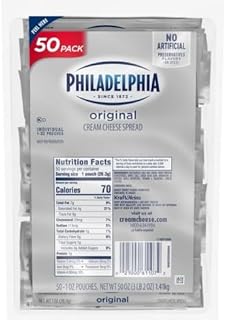


What You'll Learn
- Nutritional Content: Philadelphia cheese's nutritional profile, including calories, fat, protein, and vitamins
- Ingredients Analysis: Breakdown of ingredients used in Philadelphia cheese and their health implications
- Comparison to Other Cheeses: How Philadelphia cheese compares to other types of cheese in terms of health benefits
- Potential Health Benefits: Any possible health benefits associated with consuming Philadelphia cheese in moderation
- Consumption Guidelines: Recommended serving sizes and frequency for incorporating Philadelphia cheese into a balanced diet

Nutritional Content: Philadelphia cheese's nutritional profile, including calories, fat, protein, and vitamins
Philadelphia cheese, a popular cream cheese brand, offers a nutritional profile that can contribute to a balanced diet when consumed in moderation. A 2-tablespoon serving of Philadelphia cream cheese contains approximately 100 calories, with 9 grams of fat, 2 grams of protein, and a variety of vitamins and minerals. Notably, it provides 10% of the daily value for vitamin A, which is essential for healthy vision and immune function. Additionally, it contains smaller amounts of vitamins B12 and D, as well as minerals like calcium and phosphorus, which are crucial for bone health.
One of the key considerations when evaluating the healthiness of Philadelphia cheese is its fat content. While it does contain a significant amount of fat, much of it is saturated fat, which should be limited in a healthy diet. However, it also provides some unsaturated fats, which are beneficial for heart health. The protein content, although modest, can contribute to feelings of fullness and help maintain muscle mass.
It's important to note that Philadelphia cheese can be part of a healthy diet when consumed as part of a balanced meal plan. Pairing it with whole-grain crackers or bread, fresh fruits, and vegetables can create a nutritious snack or light meal. However, due to its calorie and fat content, it should be consumed in moderation, especially for those watching their weight or managing conditions like high cholesterol.
In comparison to other types of cheese, Philadelphia cream cheese has a relatively lower protein content but higher fat content. For example, a similar serving of cheddar cheese would provide more protein but also more calories and saturated fat. Therefore, when considering the health implications of Philadelphia cheese, it's essential to look at the overall dietary context and balance it with other nutrient-dense foods.
In conclusion, Philadelphia cheese can be a healthy addition to a balanced diet when consumed in moderation. Its nutritional profile offers a mix of essential vitamins, minerals, and macronutrients, but it's crucial to be mindful of its fat content and overall calorie contribution. By incorporating it thoughtfully into meals and snacks, it can provide both taste and nutritional benefits without compromising health goals.
Exploring the Nutritional Benefits of Manchego Cheese
You may want to see also
Explore related products


Ingredients Analysis: Breakdown of ingredients used in Philadelphia cheese and their health implications
Philadelphia cheese, a popular cream cheese brand, contains a blend of ingredients that contribute to its rich flavor and creamy texture. The primary ingredient is milk, which provides the base for the cheese. Milk is a good source of calcium, protein, and vitamins D and B12. However, it also contains saturated fat, which should be consumed in moderation to maintain heart health.
Another key ingredient in Philadelphia cheese is cream, which adds to the cheese's creamy texture and rich taste. Cream is high in fat, particularly saturated fat, and calories. While it contributes to the cheese's indulgent flavor, it is essential to be mindful of portion sizes when consuming cream cheese to avoid excessive calorie and fat intake.
In addition to milk and cream, Philadelphia cheese contains whey protein, which is a byproduct of the cheese-making process. Whey protein is a high-quality protein source that is easily digestible and provides all the essential amino acids. It is also low in fat and calories, making it a nutritious addition to the cheese.
Philadelphia cheese also contains carrageenan, a thickening agent derived from seaweed. Carrageenan is a common additive in many processed foods and is generally considered safe for consumption. However, some studies have suggested that it may have adverse effects on gut health in large quantities.
Lastly, the cheese contains salt, which is used to enhance flavor and preserve the product. While salt is necessary for taste, excessive sodium intake can lead to high blood pressure and other health issues. It is essential to consume salt in moderation and balance it with other nutrients.
In conclusion, Philadelphia cheese is a delicious and versatile product, but it is essential to be mindful of its ingredients and their health implications. Consuming it in moderation as part of a balanced diet can help you enjoy its rich flavor while maintaining a healthy lifestyle.
Exploring the Nutritional Benefits of Daiya Cheese: A Healthy Alternative?
You may want to see also
Explore related products


Comparison to Other Cheeses: How Philadelphia cheese compares to other types of cheese in terms of health benefits
Philadelphia cheese, a popular cream cheese brand, stands out in the dairy aisle not just for its taste but also for its nutritional profile. Compared to other types of cheese, Philadelphia offers a unique combination of health benefits that make it a noteworthy choice for those looking to incorporate cheese into a balanced diet.
One of the key advantages of Philadelphia cheese is its lower fat content compared to many other cheeses. For instance, a 100-gram serving of Philadelphia contains approximately 10 grams of fat, whereas the same serving of cheddar cheese can contain around 30 grams of fat. This lower fat content can be beneficial for individuals monitoring their fat intake, such as those with heart health concerns or those trying to manage their weight.
In addition to its lower fat content, Philadelphia cheese is also a good source of protein, calcium, and essential vitamins like vitamin A and vitamin B12. These nutrients are crucial for maintaining strong bones, supporting muscle function, and promoting overall health. While other cheeses also provide these nutrients, the lower fat content in Philadelphia makes it a more heart-healthy option without sacrificing these essential benefits.
Another aspect to consider is the sodium content. Philadelphia cheese tends to have lower sodium levels compared to some other cheeses, which can be advantageous for those with hypertension or those looking to reduce their sodium intake. For example, a 100-gram serving of Philadelphia contains about 400 milligrams of sodium, while the same serving of blue cheese can contain over 1,000 milligrams.
When comparing Philadelphia cheese to other types of cheese in terms of health benefits, it's also important to consider the versatility of this cheese in various dishes. Philadelphia can be used in a wide range of recipes, from savory dips and spreads to sweet desserts, making it a practical choice for those looking to add a nutritious and flavorful element to their meals without excessive fat or sodium.
In conclusion, Philadelphia cheese offers a unique nutritional profile that sets it apart from other types of cheese. Its lower fat and sodium content, combined with its rich supply of protein, calcium, and essential vitamins, make it a healthy and versatile choice for cheese lovers looking to make informed dietary decisions.
Unveiling the Nutritional Truth: Is Colby Jack Cheese a Healthy Choice?
You may want to see also
Explore related products


Potential Health Benefits: Any possible health benefits associated with consuming Philadelphia cheese in moderation
Philadelphia cheese, when consumed in moderation, may offer several potential health benefits. One of the primary advantages is its high protein content, which is essential for muscle repair and growth. Protein also plays a crucial role in maintaining healthy skin, hair, and nails. Additionally, Philadelphia cheese is a good source of calcium, which is vital for strong bones and teeth. Calcium also contributes to proper muscle function and nerve transmission.
Another benefit of Philadelphia cheese is its vitamin content. It is particularly rich in vitamin B12, which is important for red blood cell formation and neurological function. Vitamin B12 also plays a role in DNA synthesis and the metabolism of fats and proteins. Furthermore, Philadelphia cheese contains a small amount of vitamin D, which is essential for calcium absorption and immune system function.
The cheese also provides a source of healthy fats, particularly monounsaturated and polyunsaturated fats. These fats can help to lower bad cholesterol levels and reduce the risk of heart disease when consumed as part of a balanced diet. Moreover, Philadelphia cheese is low in lactose compared to other cheeses, making it a more digestible option for those with lactose intolerance.
However, it is important to note that Philadelphia cheese is also high in calories and saturated fat, so moderation is key. Consuming excessive amounts can lead to weight gain and increased risk of cardiovascular disease. It is recommended to incorporate Philadelphia cheese into a balanced diet that includes a variety of fruits, vegetables, whole grains, and lean proteins.
In conclusion, Philadelphia cheese can be a healthy addition to one's diet when consumed in moderation. Its high protein and calcium content, along with its vitamin and healthy fat profile, make it a nutritious choice. However, it is essential to be mindful of portion sizes and overall dietary balance to reap the health benefits without adverse effects.
Exploring the Nutritional Benefits of Panela Cheese: A Healthy Choice?
You may want to see also
Explore related products



Consumption Guidelines: Recommended serving sizes and frequency for incorporating Philadelphia cheese into a balanced diet
Philadelphia cheese, a popular cream cheese brand, can be a nutritious addition to a balanced diet when consumed in moderation. The recommended serving size for Philadelphia cheese is approximately 2 tablespoons (30 grams) per day for adults. This serving size provides a good balance of nutrients, including protein, calcium, and vitamins, without significantly contributing to excessive calorie or fat intake.
For children and adolescents, the recommended serving size is slightly smaller, at about 1 tablespoon (15 grams) per day. This is due to their lower calorie and nutrient requirements compared to adults. It's important to note that these guidelines may vary depending on individual dietary needs and health conditions, so it's always best to consult with a healthcare professional or registered dietitian for personalized advice.
In terms of frequency, incorporating Philadelphia cheese into your diet 2-3 times per week is a reasonable approach. This allows you to enjoy the benefits of the cheese without overdoing it. You can spread it on whole-grain toast, use it as a dip for fresh vegetables, or add it to smoothies for a creamy texture and tangy flavor.
When consuming Philadelphia cheese, it's essential to be mindful of portion control and balance it with other nutrient-dense foods. Pairing it with fruits, vegetables, whole grains, and lean proteins can help create a well-rounded meal. Additionally, be cautious of using Philadelphia cheese in recipes that may already be high in fat and calories, such as cheesecakes or creamy sauces, as this could lead to excessive intake.
In conclusion, Philadelphia cheese can be a healthy addition to your diet when consumed in moderation and balanced with other nutritious foods. By following these recommended serving sizes and frequency guidelines, you can enjoy the taste and benefits of Philadelphia cheese while maintaining a balanced and healthy diet.
Exploring the Nutritional Benefits of Fontina Cheese
You may want to see also
Frequently asked questions
Philadelphia cheese can be part of a healthy diet when consumed in moderation. It is a good source of protein and calcium but is also high in fat and calories.
Philadelphia cheese provides several nutritional benefits, including being a good source of protein, calcium, and vitamins A and B12. It also contains some beneficial fats, such as conjugated linoleic acid (CLA).
The recommended serving size for Philadelphia cheese is about 2 tablespoons (30 grams). It's important to note that portion control is key, as excessive consumption can lead to an increased intake of calories and saturated fats.
Yes, there are several healthier alternatives to Philadelphia cheese, such as low-fat or reduced-fat cream cheese, Neufchatel cheese, or even Greek yogurt. These options provide similar textures and flavors with fewer calories and less saturated fat.


