Andy Montoya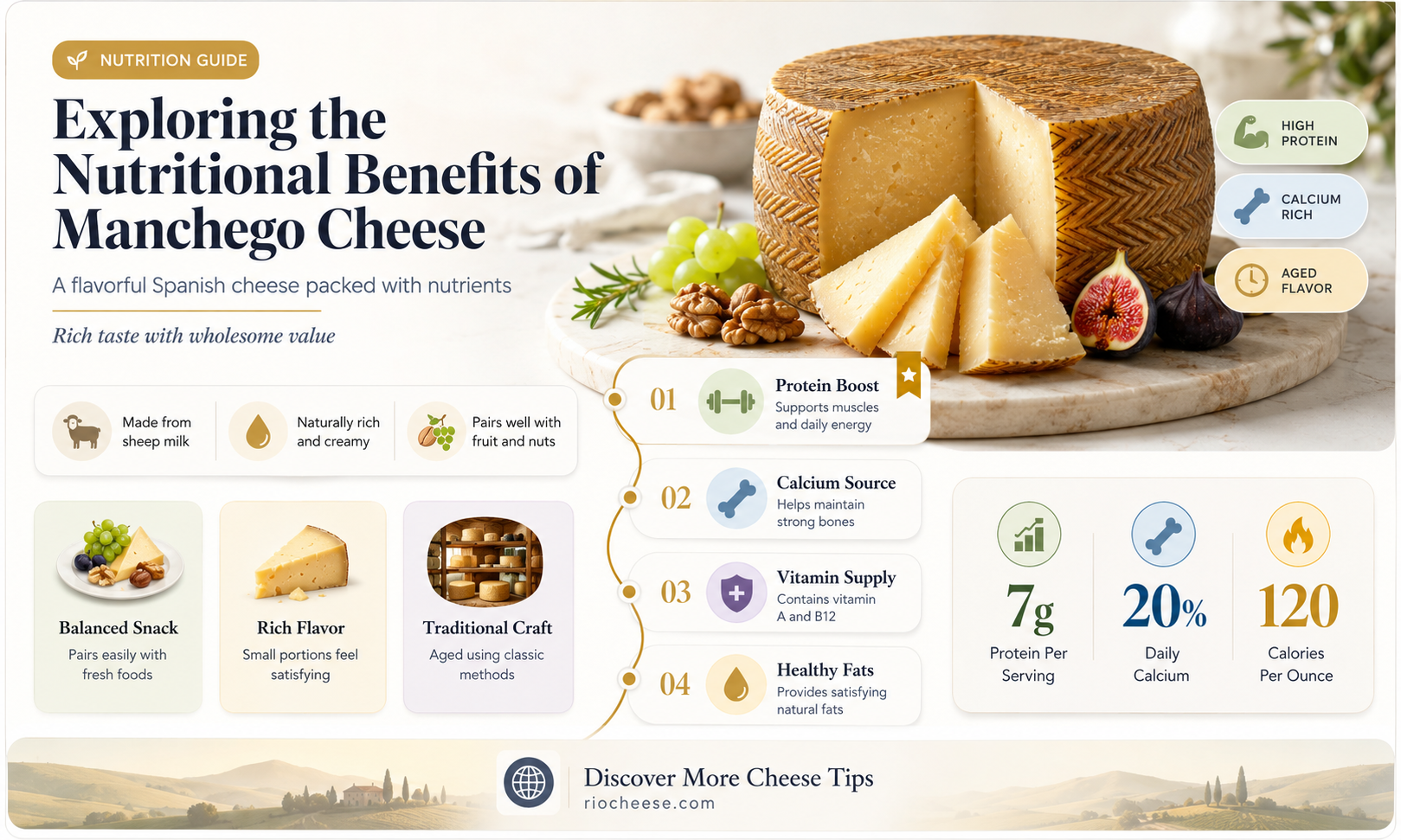
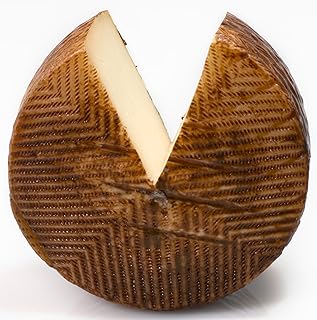
Manchego cheese, a popular Spanish cheese made from sheep's milk, is often praised for its rich flavor and versatility in cooking. But when it comes to its health benefits, opinions can be divided. On one hand, Manchego is a good source of protein, calcium, and vitamins B12 and A, which are essential for maintaining strong bones and a healthy immune system. On the other hand, it is also high in saturated fat and calories, which can contribute to weight gain and increased cholesterol levels if consumed in excess. So, is Manchego cheese healthy? The answer lies in moderation and balance. As part of a well-rounded diet, Manchego can be a nutritious and delicious addition, but it's important to be mindful of portion sizes and overall dietary habits.
Explore related products


What You'll Learn
- Nutritional Profile: High in protein, calcium, and vitamins, but also saturated fat and sodium
- Aging Process: Aged for 2-12 months, affecting flavor and texture
- Lactose Content: Contains lactose, not suitable for those with intolerance
- Calorie Count: Approximately 350 calories per 100 grams
- Health Benefits: Supports bone health and may have probiotic properties

Nutritional Profile: High in protein, calcium, and vitamins, but also saturated fat and sodium
Manchego cheese, a popular Spanish cheese, boasts a rich nutritional profile that includes high levels of protein, calcium, and various vitamins. However, it also contains significant amounts of saturated fat and sodium, which can be a concern for those monitoring their dietary intake of these nutrients.
Protein is an essential macronutrient necessary for building and repairing tissues in the body. Manchego cheese is an excellent source of protein, providing approximately 25 grams per 100 grams of cheese. This makes it a valuable addition to the diet, especially for individuals looking to increase their protein intake.
Calcium is crucial for maintaining strong bones and teeth, and Manchego cheese is a good source of this mineral. A 100-gram serving of Manchego cheese contains around 700 milligrams of calcium, which is roughly 70% of the recommended daily intake for adults. This makes Manchego cheese a beneficial food for supporting bone health.
In addition to protein and calcium, Manchego cheese is also rich in vitamins, particularly vitamin A, vitamin B12, and riboflavin. Vitamin A is important for maintaining healthy vision, immune function, and skin health, while vitamin B12 is essential for nerve function and the production of red blood cells. Riboflavin, also known as vitamin B2, plays a role in energy production and cellular function.
Despite its nutritional benefits, Manchego cheese is also high in saturated fat and sodium. Saturated fat can contribute to increased cholesterol levels and may raise the risk of heart disease when consumed in excess. A 100-gram serving of Manchego cheese contains about 27 grams of saturated fat, which is roughly 135% of the recommended daily intake for adults. Sodium is necessary for maintaining proper fluid balance and nerve function, but excessive intake can lead to high blood pressure and other health issues. Manchego cheese contains around 1,800 milligrams of sodium per 100 grams, which is approximately 78% of the recommended daily intake for adults.
In conclusion, while Manchego cheese offers several nutritional benefits, including high levels of protein, calcium, and vitamins, it is also a significant source of saturated fat and sodium. Therefore, it is important to consume Manchego cheese in moderation as part of a balanced diet, taking into account individual dietary needs and health goals.
Exploring the Nutritional Benefits of Daiya Cheese: A Healthy Alternative?
You may want to see also
Explore related products
![Manchego Cheese is made in the region of La Mancha, using the milk of sheep of the Manchega breed, which produces a particular milk that provides the delicious and characteristic flavor to the product. It's mild and nutty flavor brings a distinctive taste to any dish. [ 24 oz , 1.5 lb ]](https://m.media-amazon.com/images/I/51UwdbfwVwL._AC_UL320_.jpg)


Aging Process: Aged for 2-12 months, affecting flavor and texture
The aging process of Manchego cheese, which lasts between 2 to 12 months, significantly impacts its flavor and texture. During this period, the cheese undergoes a series of biochemical changes that contribute to its distinctive taste and mouthfeel. As the cheese ages, its moisture content decreases, leading to a firmer texture. The breakdown of proteins and fats also occurs, resulting in the development of more complex flavors.
One of the key factors influencing the aging process is the environment in which the cheese is stored. Ideally, Manchego cheese should be aged in a cool, humid environment with good air circulation. This helps to prevent the growth of unwanted bacteria and mold, which can negatively affect the cheese's quality. The temperature and humidity levels should be carefully controlled to ensure that the cheese ages evenly and develops the desired characteristics.
The length of the aging process also plays a crucial role in determining the final product. Younger Manchego cheeses, typically aged for 2 to 4 months, have a milder flavor and a softer texture. As the cheese ages for longer periods, its flavor becomes more pronounced and its texture more firm. Manchego cheeses aged for 12 months or longer are often considered the most flavorful and are prized for their rich, nutty taste and crumbly texture.
In addition to affecting the cheese's flavor and texture, the aging process also influences its nutritional content. As the cheese ages, its fat content decreases, while its protein content increases. This makes older Manchego cheeses a good source of protein, which is essential for building and repairing tissues in the body. However, it's important to note that the calorie content of the cheese also increases with age, so it's essential to consume it in moderation as part of a balanced diet.
In conclusion, the aging process of Manchego cheese is a critical factor in determining its flavor, texture, and nutritional content. By carefully controlling the environment and length of the aging process, cheese makers can produce a range of Manchego cheeses with different characteristics to suit various tastes and dietary needs.
Exploring the Nutritional Benefits of Babybel Cheeses: A Healthy Choice?
You may want to see also
Explore related products


Lactose Content: Contains lactose, not suitable for those with intolerance
Manchego cheese, a popular Spanish cheese made from sheep's milk, contains lactose, which is a sugar found in milk and dairy products. This means that individuals with lactose intolerance, a condition where the body lacks the enzyme lactase to digest lactose properly, should avoid consuming Manchego cheese. Lactose intolerance can cause a range of uncomfortable symptoms, including bloating, gas, diarrhea, and stomach cramps, typically occurring within 30 minutes to 2 hours after consuming lactose-containing foods.
For those with lactose intolerance, it's essential to be aware of the lactose content in Manchego cheese and other dairy products to manage their symptoms effectively. One way to do this is by checking food labels for lactose content or looking for lactose-free alternatives. Additionally, some individuals with lactose intolerance may be able to tolerate small amounts of lactose or find that their symptoms are less severe with certain types of dairy products, such as those that are fermented or contain live cultures.
It's also important to note that lactose intolerance does not necessarily mean a complete avoidance of dairy products. Many lactose-intolerant individuals can still enjoy dairy products in moderation or by taking lactase enzyme supplements to help digest lactose. However, for those who are severely lactose intolerant or have other dietary restrictions, there are a variety of non-dairy cheese alternatives available that are made from plant-based ingredients, such as soy, almonds, or cashews.
In conclusion, while Manchego cheese is not suitable for those with lactose intolerance due to its lactose content, there are still options available for individuals to enjoy cheese and other dairy products in moderation or by exploring lactose-free alternatives. By being aware of lactose content and managing symptoms effectively, individuals with lactose intolerance can still maintain a balanced and healthy diet.
Exploring the Nutritional Benefits of Oaxaca Cheese: A Healthy Choice?
You may want to see also
Explore related products


Calorie Count: Approximately 350 calories per 100 grams
Manchego cheese, a popular Spanish cheese made from sheep's milk, has a calorie count of approximately 350 calories per 100 grams. This places it in the higher end of the calorie spectrum when compared to other cheeses. For instance, cheddar cheese typically contains around 320-350 calories per 100 grams, while mozzarella can range from 280-300 calories per 100 grams. The calorie content in Manchego cheese is primarily derived from its high fat content, which is characteristic of many hard cheeses.
Despite its relatively high calorie count, Manchego cheese can still be considered a healthy option when consumed in moderation. It is an excellent source of protein, calcium, and essential vitamins such as vitamin A and B12. These nutrients are vital for maintaining strong bones, supporting muscle function, and promoting overall health. Moreover, the fat in Manchego cheese is predominantly saturated, which, when consumed as part of a balanced diet, can contribute to feelings of fullness and help regulate appetite.
However, it is crucial to be mindful of portion sizes when incorporating Manchego cheese into one's diet. Given its high calorie density, overconsumption can lead to an excessive intake of calories, potentially contributing to weight gain. A recommended serving size is about 30-40 grams, which provides a good balance of nutrients without significantly impacting calorie intake.
In addition to its nutritional benefits, Manchego cheese is known for its rich, buttery flavor and firm texture, making it a versatile ingredient in various culinary dishes. It can be enjoyed on its own, grated over salads or pasta, or melted in sandwiches and casseroles. Its distinct taste and texture can enhance the flavor profile of many recipes, adding depth and complexity to the dish.
In conclusion, while Manchego cheese does have a higher calorie count compared to some other cheeses, it offers numerous health benefits when consumed responsibly. Its rich nutrient profile, combined with its delicious taste and versatility in cooking, makes it a valuable addition to a balanced and varied diet.
Exploring the Nutritional Benefits of Fontina Cheese
You may want to see also
Explore related products


Health Benefits: Supports bone health and may have probiotic properties
Manchego cheese, a popular Spanish cheese made from sheep's milk, offers several health benefits that make it a nutritious addition to a balanced diet. One of its key advantages is its support for bone health. This cheese is rich in calcium, a mineral essential for maintaining strong bones and teeth. Regular consumption of Manchego cheese can help meet the daily recommended calcium intake, which is particularly important for individuals at risk of osteoporosis or those looking to maintain optimal bone density.
In addition to its calcium content, Manchego cheese may also possess probiotic properties. Probiotics are beneficial bacteria that promote a healthy gut microbiome. While not all cheeses contain probiotics, some varieties of Manchego cheese are aged in a way that encourages the growth of these beneficial bacteria. Consuming probiotic-rich Manchego cheese can aid in digestion, boost the immune system, and contribute to overall gut health.
It's important to note that while Manchego cheese offers these health benefits, it should be consumed in moderation as part of a balanced diet. Cheese can be high in calories, fat, and sodium, so it's essential to enjoy it as part of a varied meal plan that includes plenty of fruits, vegetables, whole grains, and lean proteins. By incorporating Manchego cheese into a healthy diet, individuals can reap its nutritional benefits while maintaining a balanced and diverse intake of foods.
Exploring the Nutritional Benefits of Head Cheese: A Healthy Choice?
You may want to see also
Frequently asked questions
Manchego cheese can be part of a healthy diet when consumed in moderation. It is a good source of protein, calcium, and vitamins B12 and A. However, it is also high in saturated fat and calories, so it's important to balance it with other nutritious foods.
Manchego cheese offers several nutritional benefits. It is rich in protein, which is essential for muscle repair and growth. It also contains calcium, important for bone health, and vitamins B12 and A, which support nerve function and immune health, respectively.
Compared to other cheeses, Manchego has a higher fat content, particularly saturated fat. However, it also provides a good amount of protein and essential vitamins and minerals. The key is to enjoy it in moderation as part of a balanced diet.
While Manchego cheese is high in calories and fat, it can still be included in a weight loss diet if consumed in moderation. Its protein content can help you feel fuller for longer, potentially reducing overall calorie intake.
The main health risk associated with Manchego cheese, like many other cheeses, is its high saturated fat content. Consuming too much saturated fat can increase cholesterol levels and contribute to heart disease. Therefore, it's important to eat it in moderation and balance it with other heart-healthy foods.