Andy Montoya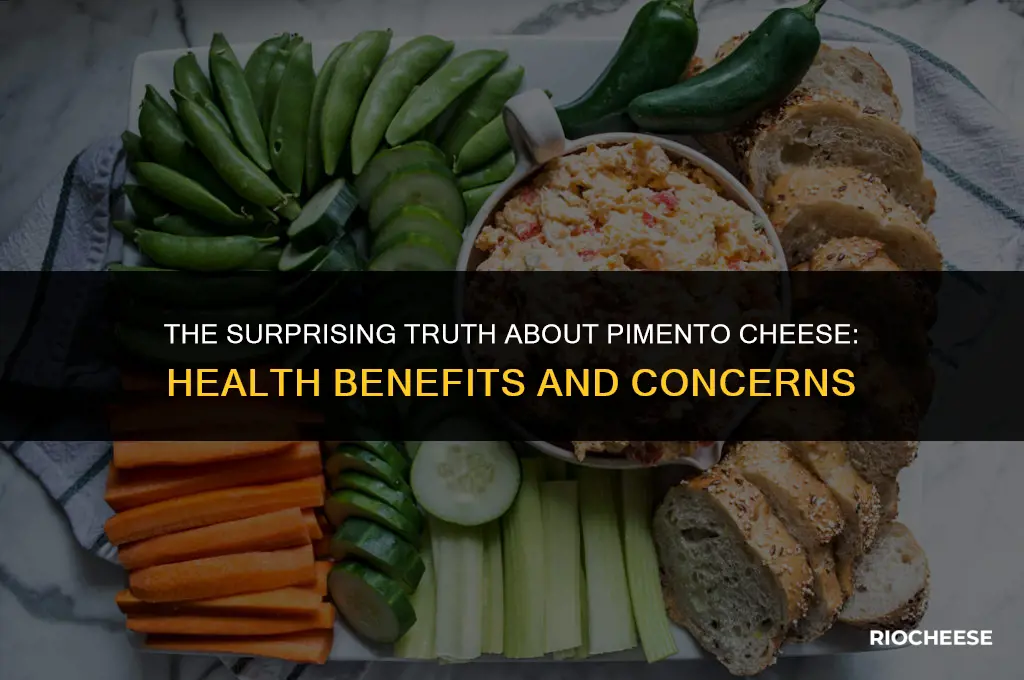
Pimento cheese, a popular spread in the Southern United States, is made from cheese, mayonnaise, and pimentos. While it can be a tasty addition to sandwiches and crackers, its nutritional profile is often a topic of discussion. The high fat and calorie content, primarily from the mayonnaise and cheese, can be a concern for those monitoring their diet. Additionally, processed cheeses, which are commonly used in pimento cheese, may contain additives and preservatives that some prefer to avoid. However, it also provides some nutritional benefits, such as protein and vitamins from the cheese and pimentos. Moderation is key when enjoying pimento cheese as part of a balanced diet.
Explore related products


What You'll Learn
- Nutritional Content: Pimento cheese is high in calories, fat, and sodium, which can contribute to health issues if consumed excessively
- Ingredients: It often contains processed cheese, mayonnaise, and pimentos, which may have artificial additives and preservatives
- Cholesterol Levels: The cheese and mayonnaise in pimento cheese can raise cholesterol levels, potentially increasing the risk of heart disease
- Sodium Content: High sodium levels in pimento cheese can lead to hypertension and other cardiovascular problems
- Moderation: While pimento cheese can be part of a balanced diet, moderation is key to avoiding potential health risks

Nutritional Content: Pimento cheese is high in calories, fat, and sodium, which can contribute to health issues if consumed excessively
Pimento cheese, a popular spread in the Southern United States, is known for its rich, creamy texture and bold flavor. However, its nutritional profile is a cause for concern. A typical serving of pimento cheese (about 2 tablespoons) contains approximately 100 calories, 9 grams of fat, and 150 milligrams of sodium. These values can vary depending on the specific recipe and ingredients used, but they generally align with the high-calorie, high-fat, and high-sodium characteristics of pimento cheese.
The high calorie and fat content in pimento cheese primarily comes from the cheese and mayonnaise used in its preparation. Cheese, while a good source of protein and calcium, is also high in saturated fat and calories. Mayonnaise, made from oil, egg yolks, and vinegar or lemon juice, adds additional calories and fat to the mixture. The sodium content is largely attributed to the cheese, which is often salted during the manufacturing process.
Excessive consumption of high-calorie, high-fat, and high-sodium foods like pimento cheese can contribute to various health issues. Weight gain and obesity are potential concerns due to the high calorie content. The saturated fat in cheese can increase LDL (bad) cholesterol levels, which may lead to heart disease. High sodium intake is associated with an increased risk of hypertension (high blood pressure), which can strain the heart and blood vessels, potentially leading to cardiovascular disease.
It's important to note that moderation is key when it comes to consuming pimento cheese. While it may not be the healthiest option, it can still be enjoyed as part of a balanced diet. Limiting portion sizes, pairing it with healthier foods like whole-grain crackers or vegetables, and choosing lower-fat and lower-sodium varieties can help mitigate some of the potential health risks associated with pimento cheese consumption.
In conclusion, while pimento cheese is high in calories, fat, and sodium, it can still be a part of a healthy diet when consumed in moderation. Being mindful of portion sizes and choosing healthier accompaniments can help balance out the less desirable nutritional aspects of this beloved spread.
The Truth About Nacho Cheese: Is It Really Bad for You?
You may want to see also
Explore related products

![Original Cheese Spread , Authentic southern flavor , served as a hot or cold dip, sandwich spread or burger topping. It is made with 100% real Wisconsin sharp cheddar and Hellmann's Mayonnaise. [ 20 oz , 1.25 lb ]](https://m.media-amazon.com/images/I/41aiKHkJpcL._AC_UL320_.jpg)



Ingredients: It often contains processed cheese, mayonnaise, and pimentos, which may have artificial additives and preservatives
Processed cheese, a common ingredient in pimento cheese, often contains artificial additives such as emulsifiers and preservatives to enhance its shelf life and texture. These additives, while generally recognized as safe by food regulatory bodies, can be a concern for individuals looking to minimize their intake of artificial substances. Additionally, processed cheese tends to be higher in sodium and saturated fats compared to natural cheese, which may contribute to health issues when consumed in excess.
Mayonnaise, another key component of pimento cheese, is primarily made from oil, egg yolks, and either vinegar or lemon juice. While it adds a creamy texture and tangy flavor to the spread, mayonnaise is also high in calories and fat. Some commercial mayonnaise brands may contain added sugars and preservatives, further increasing the potential health concerns associated with regular consumption.
Pimentos, the red peppers that give pimento cheese its distinctive flavor and color, are generally considered a healthy ingredient. They are low in calories and high in vitamins A and C. However, some pimentos may be preserved with sodium benzoate, an artificial preservative that has been linked to potential health risks in high quantities.
To mitigate the potential negative health effects of pimento cheese, it is advisable to consume it in moderation as part of a balanced diet. Opting for homemade versions using natural cheese, low-fat mayonnaise, and fresh pimentos can also help reduce the intake of artificial additives and preservatives. Additionally, individuals with specific dietary restrictions or health concerns should consult with a healthcare professional or registered dietitian for personalized advice on incorporating pimento cheese into their diet.
The Shelf Life of Cheese Sticks: A Comprehensive Guide
You may want to see also
Explore related products


Cholesterol Levels: The cheese and mayonnaise in pimento cheese can raise cholesterol levels, potentially increasing the risk of heart disease
The cheese and mayonnaise in pimento cheese can indeed raise cholesterol levels, which is a significant concern for heart health. Cholesterol is a waxy substance found in the blood, and while it's necessary for building cells, high levels can lead to the formation of plaque in the arteries, increasing the risk of heart disease and stroke. Pimento cheese, a popular spread in the Southern United States, is made with cheese, mayonnaise, and pimentos. Both cheese and mayonnaise are high in saturated fats and cholesterol, which can contribute to elevated blood cholesterol levels when consumed in excess.
It's important to note that not all cholesterol is bad. There are two main types: low-density lipoprotein (LDL) cholesterol, often referred to as "bad" cholesterol, and high-density lipoprotein (HDL) cholesterol, known as "good" cholesterol. LDL cholesterol is the type that can build up in the arteries, while HDL cholesterol helps remove excess cholesterol from the bloodstream. The balance between these two types is crucial for maintaining healthy cholesterol levels.
While pimento cheese can be a tasty addition to sandwiches and crackers, it's essential to consume it in moderation, especially for individuals who are watching their cholesterol intake. The American Heart Association recommends limiting saturated fats, which are found in both cheese and mayonnaise, to reduce the risk of heart disease. Instead of completely avoiding pimento cheese, one can opt for healthier versions by using reduced-fat cheese and mayonnaise or by adding more vegetables to the spread to increase its nutritional value.
In addition to dietary modifications, regular physical activity and maintaining a healthy weight can also help manage cholesterol levels. It's advisable for individuals to consult with a healthcare professional to determine their specific cholesterol levels and to develop a personalized plan for maintaining heart health. By being mindful of portion sizes and making balanced food choices, it's possible to enjoy pimento cheese as part of a healthy diet without significantly increasing the risk of heart disease.
The Shelf Life of Sliced Cheese: Does It Really Go Bad?
You may want to see also
Explore related products


Sodium Content: High sodium levels in pimento cheese can lead to hypertension and other cardiovascular problems
High sodium levels in pimento cheese can indeed lead to hypertension and other cardiovascular problems. This is because sodium is a key factor in regulating blood pressure, and excessive intake can cause the body to retain water, increasing the volume of blood and putting additional strain on the heart and blood vessels. Over time, this can lead to chronic high blood pressure, which is a major risk factor for heart disease, stroke, and other cardiovascular issues.
One of the main concerns with pimento cheese is that it is often high in sodium due to the presence of cheese, which is naturally high in salt, and the addition of pimentos, which are typically preserved in brine. A single serving of pimento cheese can contain upwards of 300-400 milligrams of sodium, which is a significant portion of the recommended daily intake of 2,300 milligrams for healthy adults. For individuals with hypertension or other cardiovascular conditions, the American Heart Association recommends limiting sodium intake to 1,500 milligrams per day, making pimento cheese a less-than-ideal choice.
It's important to note that not all pimento cheeses are created equal when it comes to sodium content. Some brands may use lower-sodium cheeses or reduce the amount of salt added during processing. Additionally, homemade pimento cheese recipes can be modified to use lower-sodium ingredients or reduce the amount of salt added. However, it's crucial to check nutrition labels and ingredient lists carefully to make informed choices about sodium intake.
For those who enjoy pimento cheese but are concerned about its sodium content, there are several strategies that can be employed to reduce the risk of cardiovascular problems. One approach is to consume pimento cheese in moderation, limiting portion sizes to keep overall sodium intake in check. Another strategy is to balance sodium intake by consuming more potassium-rich foods, such as fruits, vegetables, and whole grains, which can help counteract the effects of sodium on blood pressure.
In conclusion, while pimento cheese can be a tasty addition to many meals, its high sodium content is a concern for individuals with hypertension or other cardiovascular conditions. By being mindful of portion sizes, choosing lower-sodium options, and balancing sodium intake with potassium-rich foods, it's possible to enjoy pimento cheese as part of a heart-healthy diet.
The Shelf Life of American Cheese: Does It Go Bad?
You may want to see also
Explore related products


Moderation: While pimento cheese can be part of a balanced diet, moderation is key to avoiding potential health risks
Pimento cheese, a popular spread in the Southern United States, is often enjoyed on sandwiches, crackers, and vegetables. While it can be a flavorful addition to a balanced diet, moderation is crucial to avoid potential health risks. The high fat and calorie content of pimento cheese can contribute to weight gain and increased cholesterol levels if consumed excessively.
To enjoy pimento cheese in moderation, it's essential to be mindful of portion sizes. A serving size of pimento cheese is typically around 2 tablespoons, which contains approximately 100 calories and 10 grams of fat. Limiting intake to one or two servings per day can help prevent overconsumption of calories and unhealthy fats.
Another consideration is the sodium content of pimento cheese. Processed cheese products, including pimento cheese, often contain high levels of sodium, which can contribute to high blood pressure and other cardiovascular issues. Choosing a low-sodium variety or making homemade pimento cheese with reduced salt content can help mitigate these risks.
Incorporating pimento cheese into a balanced diet that includes a variety of fruits, vegetables, whole grains, and lean proteins can help offset its less healthy components. For example, pairing pimento cheese with whole-grain crackers and fresh vegetables can provide fiber and nutrients that balance out the fat and calories.
Ultimately, the key to enjoying pimento cheese without adverse health effects is moderation. By being mindful of portion sizes, choosing lower-sodium options, and incorporating it into a balanced diet, pimento cheese can be a delicious and satisfying addition to meals and snacks without posing significant health risks.
The Shelf Life of Ricotta: Does It Really Go Bad?
You may want to see also
Frequently asked questions
Pimento cheese can be part of a balanced diet, but it's important to consume it in moderation due to its high calorie, fat, and sodium content.
The main ingredients in pimento cheese typically include cheddar cheese, mayonnaise, pimentos, and various seasonings such as salt, pepper, and garlic powder.
A serving of pimento cheese (about 2 tablespoons) can range from 50 to 100 calories, depending on the specific recipe and ingredients used.
Pimento cheese is a good source of protein and calcium from the cheese, and it also contains some vitamins and minerals from the pimentos and seasonings. However, it's important to balance these nutrients with the high calorie and fat content.
Yes, pimento cheese can be made healthier by using lower-fat cheese, reducing the amount of mayonnaise, and adding more vegetables or spices for flavor. You can also try using Greek yogurt or avocado as a substitute for mayonnaise to reduce the calorie and fat content.