Randy Chandler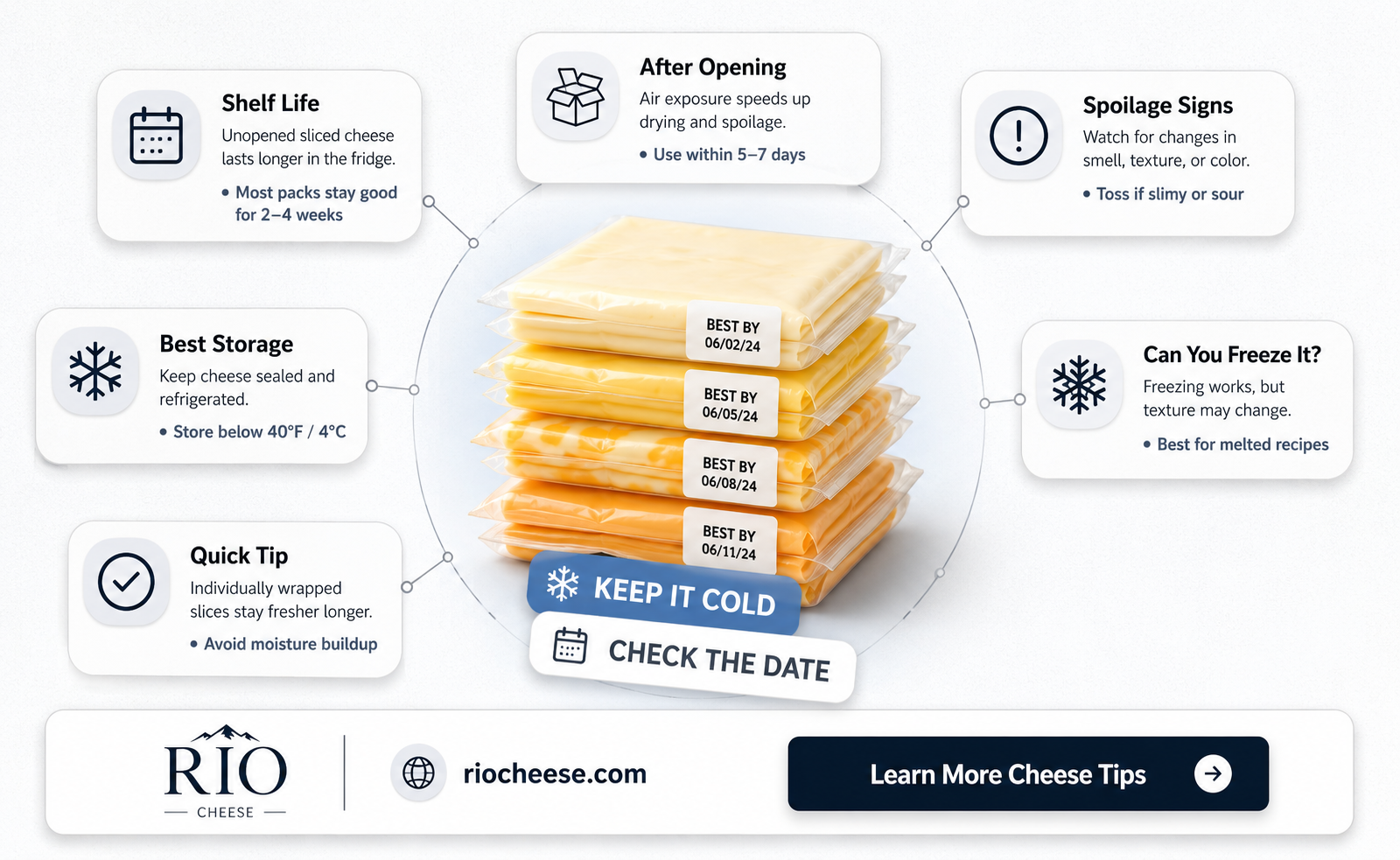
Sliced cheese, a convenient and popular dairy product, does indeed have a shelf life that can affect its quality and safety. Understanding how long sliced cheese lasts and the factors that influence its spoilage is crucial for consumers aiming to minimize food waste and ensure they are eating safe, high-quality products. This article delves into the specifics of sliced cheese storage, the signs of spoilage to watch out for, and tips on extending its freshness.
Explore related products


What You'll Learn
- Storage Conditions: Proper storage methods to prolong shelf life and prevent spoilage of sliced cheese
- Expiration Dates: Understanding and interpreting expiration dates on cheese packaging for consumer safety
- Signs of Spoilage: Identifying visual and olfactory indicators that sliced cheese has gone bad
- Health Risks: Potential health hazards associated with consuming spoiled or improperly stored sliced cheese
- Preservation Techniques: Methods to extend the freshness of sliced cheese, such as refrigeration and freezing

Storage Conditions: Proper storage methods to prolong shelf life and prevent spoilage of sliced cheese
Proper storage is crucial to maintaining the quality and safety of sliced cheese. The ideal storage method involves a combination of temperature control, moisture management, and protection from contaminants. To prolong the shelf life of sliced cheese, it should be stored in the refrigerator at a consistent temperature between 35°F and 40°F (1.6°C and 4.4°C). This temperature range slows down the growth of bacteria and mold, which are the primary causes of spoilage.
In addition to temperature control, it is essential to manage moisture levels. Excess moisture can lead to the growth of mold and bacteria, while too little moisture can cause the cheese to dry out and become brittle. To maintain the right level of moisture, sliced cheese should be wrapped tightly in plastic wrap or aluminum foil. For longer storage periods, it can be placed in a sealed container or a resealable plastic bag with a piece of wax paper or parchment paper between each slice to prevent sticking.
Protection from contaminants is also vital. Sliced cheese should be stored away from strong-smelling foods, as it can absorb odors easily. It should also be kept separate from raw meats and poultry to prevent cross-contamination. When handling sliced cheese, it is important to use clean utensils and wash hands thoroughly to avoid introducing bacteria.
For optimal results, it is recommended to consume sliced cheese within 3 to 5 days of opening. If the cheese needs to be stored for a longer period, it can be frozen. To freeze sliced cheese, wrap it tightly in plastic wrap or aluminum foil and place it in a freezer-safe container or resealable plastic bag. Frozen cheese can be stored for up to 2 months. When thawing frozen cheese, it should be done slowly in the refrigerator to prevent the growth of bacteria.
In summary, proper storage conditions for sliced cheese involve temperature control, moisture management, and protection from contaminants. By following these guidelines, the shelf life of sliced cheese can be prolonged, and spoilage can be prevented.
The Shelf Life of Cheese Sticks: A Comprehensive Guide
You may want to see also
Explore related products


Expiration Dates: Understanding and interpreting expiration dates on cheese packaging for consumer safety
Expiration dates on cheese packaging serve as a critical guide for consumers to ensure they are consuming safe and high-quality products. These dates are typically printed or stamped on the packaging and can be found in various formats, such as "Best By," "Sell By," or "Use By." It's essential to understand that these dates are not arbitrary but are based on rigorous testing and quality control measures conducted by the manufacturers.
When interpreting expiration dates, it's crucial to note the difference between "Best By" and "Use By" dates. A "Best By" date indicates the date by which the cheese is expected to retain its optimal quality and flavor. Consuming cheese past this date may result in a less desirable taste and texture, but it is generally still safe to eat if stored properly. On the other hand, a "Use By" date is a more stringent guideline, suggesting that the cheese should be consumed by this date to ensure safety and quality.
To ensure consumer safety, it's vital to store cheese correctly, maintaining the appropriate temperature and humidity levels as recommended by the manufacturer. Improper storage can accelerate the deterioration of cheese, making it unsafe to consume even before the expiration date. Additionally, consumers should inspect the cheese for any signs of spoilage, such as mold, sliminess, or an off odor, before consuming it, regardless of the expiration date.
In the case of sliced cheese, it's particularly important to pay attention to expiration dates due to the increased surface area exposed to air, which can lead to faster spoilage. Consumers should also be cautious when purchasing sliced cheese in bulk, as it may be more challenging to consume the entire package before the expiration date. In such cases, it's advisable to store the cheese in airtight containers or wrap it tightly in plastic wrap or aluminum foil to prolong its freshness.
In conclusion, understanding and interpreting expiration dates on cheese packaging is crucial for consumer safety and ensuring the enjoyment of high-quality products. By paying close attention to these dates and following proper storage guidelines, consumers can minimize the risk of foodborne illnesses and make the most of their cheese purchases.
The Shelf Life Saga: Does Macaroni and Cheese Go Bad?
You may want to see also
Explore related products


Signs of Spoilage: Identifying visual and olfactory indicators that sliced cheese has gone bad
Sliced cheese, like many dairy products, is susceptible to spoilage over time. The key to determining whether your cheese has gone bad lies in recognizing the visual and olfactory signs that indicate its freshness has waned. One of the first visual cues is the presence of mold. Mold can appear as small, fuzzy patches that may be white, green, or black, depending on the type. It's important to note that some cheeses, like blue cheese, naturally have mold, so the presence of mold alone doesn't always mean the cheese is spoiled. However, if the mold is spreading rapidly or appears on cheeses that are not typically moldy, it's a strong indicator that the cheese has gone bad.
Another visual sign of spoilage is discoloration. Fresh cheese typically has a uniform color, whereas spoiled cheese may develop off-colors, such as yellowing or browning. This discoloration can occur due to the breakdown of the cheese's proteins and fats, which can be accelerated by exposure to air, light, or high temperatures. In addition to mold and discoloration, the texture of the cheese can also change when it spoils. Spoiled cheese may become slimy, soft, or crumbly, depending on the type and the extent of the spoilage.
Olfactory indicators are equally important in determining the freshness of sliced cheese. Fresh cheese should have a mild, pleasant aroma that is characteristic of its type. Spoiled cheese, on the other hand, may develop a strong, pungent odor that is often described as sour, ammonia-like, or resembling the smell of spoiled milk. This odor is produced by the bacteria that cause the cheese to spoil, and it can be a clear sign that the cheese is no longer safe to eat.
To prevent cheese from spoiling, it's essential to store it properly. Cheese should be kept in the refrigerator, ideally in the crisper drawer, where the humidity is higher. It should be wrapped tightly in plastic wrap or aluminum foil to prevent air from reaching it. For longer storage, cheese can be frozen, but it's important to thaw it slowly in the refrigerator to prevent the formation of ice crystals, which can affect the texture and flavor of the cheese.
In conclusion, identifying the signs of spoilage in sliced cheese is crucial for maintaining its quality and ensuring food safety. By paying attention to the visual and olfactory indicators, you can determine whether your cheese has gone bad and take the necessary steps to prevent spoilage in the future. Remember, when in doubt, it's always better to err on the side of caution and discard any cheese that you suspect may be spoiled.
Is Your Grated Parmesan Cheese Spoiled? Here's How to Tell
You may want to see also
Explore related products


Health Risks: Potential health hazards associated with consuming spoiled or improperly stored sliced cheese
Consuming spoiled or improperly stored sliced cheese can pose several health risks. One of the primary concerns is the growth of harmful bacteria, such as Listeria monocytogenes, which can cause listeriosis. This bacterial infection can lead to symptoms like fever, muscle aches, and gastrointestinal issues, and in severe cases, it can result in meningitis or septicemia. Pregnant women, the elderly, and individuals with weakened immune systems are particularly vulnerable to listeriosis.
Another potential hazard is the presence of mold, which can produce mycotoxins. These toxins can cause allergic reactions, respiratory problems, and in some cases, more severe health issues. It's important to note that not all molds are harmful, but it's difficult to distinguish between safe and dangerous molds without proper testing.
In addition to bacterial and fungal contamination, spoiled cheese can also harbor harmful levels of pathogens like Salmonella and E. coli. These bacteria can cause food poisoning, leading to symptoms such as nausea, vomiting, diarrhea, and abdominal cramps. In severe cases, these infections can require hospitalization and may lead to long-term health complications.
To minimize these risks, it's crucial to store sliced cheese properly. Cheese should be kept refrigerated at a temperature below 40°F (4°C) and should be consumed within a week of opening. If cheese is left at room temperature for more than two hours, it should be discarded. Additionally, it's important to check the cheese for any signs of spoilage, such as an off odor, slimy texture, or mold growth, before consuming it.
In conclusion, while sliced cheese can be a convenient and tasty food option, it's essential to be aware of the potential health risks associated with consuming spoiled or improperly stored cheese. By following proper storage guidelines and being vigilant for signs of spoilage, you can enjoy sliced cheese safely and minimize the risk of foodborne illnesses.
The Shelf Life of Brie: Signs Your Cheese Has Gone Bad
You may want to see also
Explore related products




Preservation Techniques: Methods to extend the freshness of sliced cheese, such as refrigeration and freezing
Sliced cheese, while convenient, is more susceptible to spoilage than whole cheese due to its increased surface area. To extend its freshness, several preservation techniques can be employed. Refrigeration is the most common method, but it's essential to store the cheese properly to maximize its shelf life.
When refrigerating sliced cheese, it should be placed in an airtight container or wrapped tightly in plastic wrap or aluminum foil to prevent air exposure, which can lead to drying out and mold growth. The ideal temperature for storing cheese is between 35°F and 40°F (1.6°C and 4.4°C). It's also important to store cheese away from strong-smelling foods, as it can absorb odors easily.
Freezing is another effective method for preserving sliced cheese, especially if you don't plan to use it within a week. To freeze cheese, wrap it tightly in plastic wrap or aluminum foil, then place it in a freezer-safe bag or container. When thawing frozen cheese, it's best to do so in the refrigerator overnight to prevent moisture buildup, which can affect the texture and flavor.
Another technique to extend the freshness of sliced cheese is to use a cheese preserver or a vacuum sealer. These devices remove air from the packaging, creating a vacuum seal that helps prevent mold and bacteria growth. Cheese preservatives, such as cheese wax or cheese paper, can also be used to wrap cheese, providing an additional barrier against air and moisture.
In addition to these methods, it's important to practice good hygiene when handling cheese. Always wash your hands before touching cheese, and use clean utensils to prevent cross-contamination. By following these preservation techniques and handling practices, you can help ensure that your sliced cheese remains fresh and safe to eat for as long as possible.
The Shelf Life of Gruyère: Does This Cheese Go Bad?
You may want to see also
Frequently asked questions
Yes, sliced cheese can go bad. Cheese is a perishable food item, and once it's been sliced, it's more susceptible to air exposure, which can accelerate the spoilage process.
There are several signs that sliced cheese may have gone bad. Look for mold, sliminess, or a strong, unpleasant odor. If the cheese has any of these characteristics, it's best to discard it.
The shelf life of sliced cheese can vary depending on the type of cheese and how it's been stored. Generally, sliced cheese can last for about 3 to 5 days in the refrigerator. However, it's always best to check the packaging for specific storage instructions and expiration dates.