Kamil Perry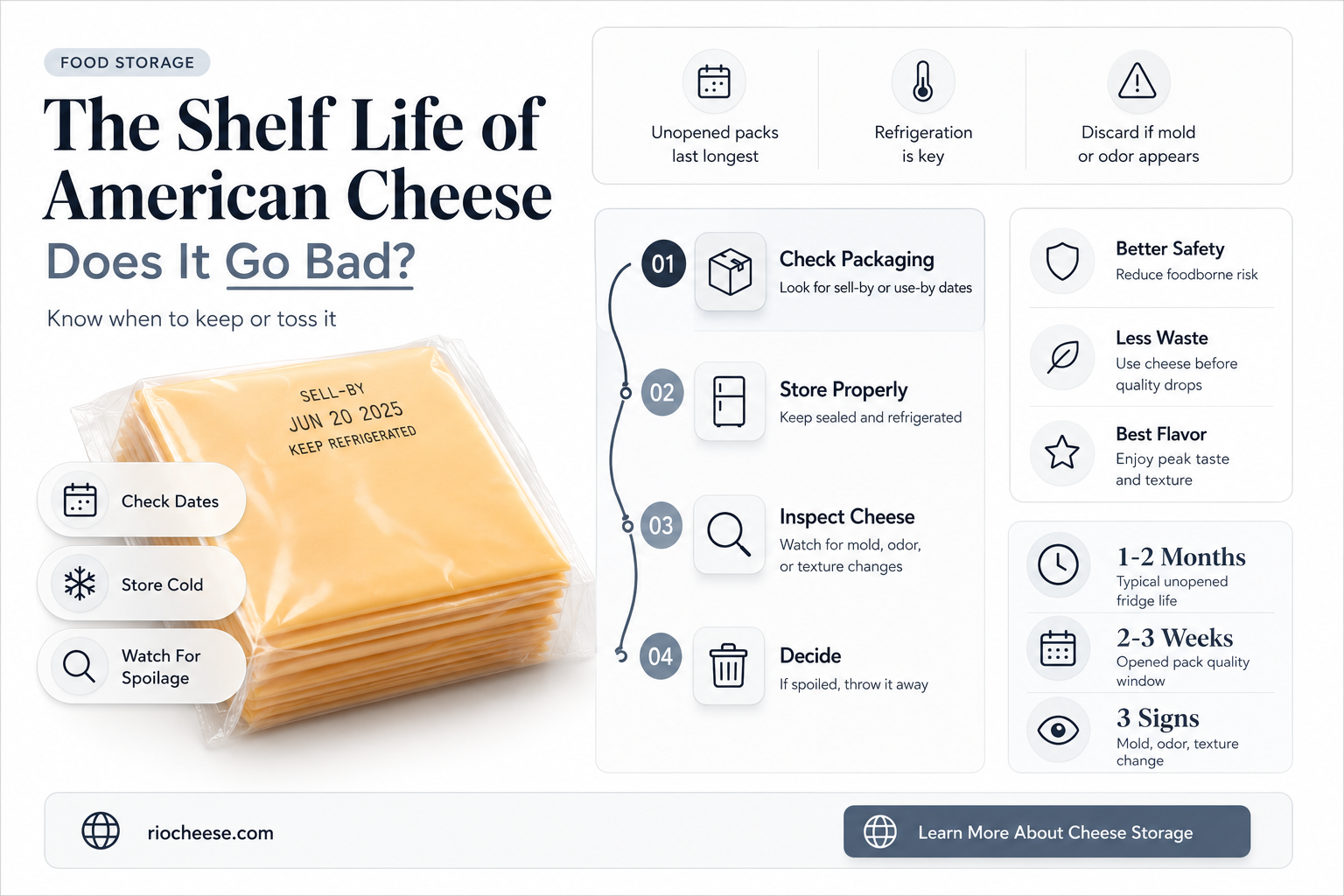
American cheese, known for its smooth texture and mild flavor, is a popular choice for sandwiches, burgers, and snacks. However, like all dairy products, it does have a shelf life. Understanding how long American cheese lasts and how to store it properly can help prevent food waste and ensure you're consuming it at its best quality. In this article, we'll explore the factors that affect the spoilage of American cheese, including its ingredients, packaging, and storage conditions. We'll also provide tips on how to tell if your American cheese has gone bad and what you can do to extend its freshness.
Explore related products


What You'll Learn
- Shelf Life: American cheese's typical shelf life and storage recommendations to maintain freshness
- Signs of Spoilage: Indicators that American cheese has gone bad, such as mold or off-odors
- Health Risks: Potential health risks associated with consuming spoiled American cheese
- Proper Storage: Best practices for storing American cheese to extend its shelf life
- Alternatives: Suggestions for alternative cheeses or products if American cheese is unavailable or undesirable

Shelf Life: American cheese's typical shelf life and storage recommendations to maintain freshness
American cheese, known for its smooth texture and mild flavor, is a staple in many households. However, like all dairy products, it has a limited shelf life. Typically, unopened packages of American cheese can last up to 6 months when stored properly in the refrigerator. Once opened, the cheese should be consumed within 3 to 4 weeks to ensure optimal freshness and flavor.
To maintain the freshness of American cheese, it's crucial to store it in the refrigerator at a consistent temperature below 40°F (4°C). The cheese should be kept in its original packaging or wrapped tightly in plastic wrap or aluminum foil to prevent air exposure, which can lead to spoilage. It's also important to avoid storing American cheese near strong-smelling foods, as it can absorb odors easily.
When it comes to freezing American cheese, it's generally not recommended as the texture can become crumbly and the flavor may be altered. However, if you need to store the cheese for an extended period, you can freeze it for up to 2 months. Before freezing, wrap the cheese tightly in plastic wrap and then place it in a freezer-safe bag or container. When you're ready to use the cheese, thaw it in the refrigerator overnight.
It's worth noting that processed cheese products, such as cheese slices or sticks, may have different storage recommendations and shelf lives compared to traditional American cheese. Always check the packaging for specific instructions.
In summary, proper storage is key to extending the shelf life of American cheese. By following these recommendations, you can enjoy your cheese for a longer period while maintaining its quality and taste. Remember to always check the expiration date and use your best judgment when determining whether the cheese is still good to eat.
Is Your Provolone Past Its Prime? Signs to Check
You may want to see also
Explore related products


Signs of Spoilage: Indicators that American cheese has gone bad, such as mold or off-odors
American cheese, like any dairy product, is susceptible to spoilage over time. One of the most obvious signs that American cheese has gone bad is the presence of mold. Mold can appear as small, fuzzy spots or patches on the surface of the cheese, and it can range in color from white to green to black. If you notice any mold on your American cheese, it's best to discard it immediately, as consuming moldy cheese can pose health risks.
In addition to mold, off-odors are another key indicator of spoilage in American cheese. Fresh American cheese should have a mild, slightly tangy smell. If your cheese develops a strong, unpleasant odor, such as a sour or ammonia-like smell, it's likely that it has gone bad. This off-odor can be caused by the growth of harmful bacteria, which can produce toxins that may make you sick if ingested.
Another sign of spoilage to watch out for is a change in the texture of the cheese. Fresh American cheese should be smooth and creamy, but as it spoils, it may become slimy or develop a hard, rubbery texture. This change in texture is often accompanied by a decrease in the cheese's melting properties, so if your American cheese isn't melting as easily as it used to, it may be a sign that it's past its prime.
It's also important to pay attention to the expiration date on your American cheese packaging. While this date isn't a hard and fast rule for determining whether or not the cheese is safe to eat, it can be a helpful guideline. If your cheese is well past its expiration date and you notice any of the other signs of spoilage, it's best to err on the side of caution and throw it away.
To prevent spoilage and extend the shelf life of your American cheese, it's important to store it properly. Keep it in the refrigerator at a temperature of 40°F (4°C) or below, and make sure it's tightly wrapped to prevent air and moisture from getting in. If you're not planning to use the cheese within a week or two, you can also freeze it for longer-term storage. Just be sure to thaw it slowly in the refrigerator before using it.
In summary, the signs of spoilage in American cheese include mold, off-odors, changes in texture, and an expired expiration date. To prevent spoilage, store your cheese properly and pay attention to these indicators to ensure you're consuming safe, fresh cheese.
Decoding Parmesan's Shelf Life: Signs Your Cheese Has Gone Bad
You may want to see also
Explore related products


Health Risks: Potential health risks associated with consuming spoiled American cheese
Consuming spoiled American cheese can pose several health risks, primarily due to the growth of harmful bacteria and mold. One of the most common risks is food poisoning, which can occur when bacteria such as Salmonella, E. coli, or Listeria are present in the cheese. Symptoms of food poisoning typically include nausea, vomiting, diarrhea, abdominal cramps, and fever. In severe cases, food poisoning can lead to dehydration, hospitalization, and even death, particularly in vulnerable populations such as the elderly, young children, and individuals with weakened immune systems.
In addition to bacterial contamination, mold growth on spoiled American cheese can produce mycotoxins, which are toxic compounds that can cause a range of health problems. Some mycotoxins, such as aflatoxins and ochratoxins, are known carcinogens and can increase the risk of cancer with prolonged exposure. Other mycotoxins can cause acute symptoms such as allergic reactions, respiratory issues, and neurological problems.
To minimize the risk of consuming spoiled American cheese, it is essential to pay attention to the expiration date and storage conditions. Cheese should be stored in the refrigerator at a temperature below 40°F (4°C) and consumed before the expiration date. If the cheese has been left at room temperature for more than two hours, it should be discarded. Additionally, it is important to inspect the cheese for any signs of spoilage, such as mold, sliminess, or an off odor, before consuming it.
In the event of accidental consumption of spoiled American cheese, it is crucial to seek medical attention immediately, especially if symptoms of food poisoning or allergic reactions occur. Treatment may involve supportive care, such as hydration and rest, or more aggressive interventions, such as antibiotics or antihistamines, depending on the severity of the symptoms and the specific type of contamination.
Overall, the potential health risks associated with consuming spoiled American cheese highlight the importance of proper food handling and storage practices. By being vigilant about expiration dates, storage conditions, and signs of spoilage, individuals can significantly reduce their risk of experiencing adverse health effects from consuming contaminated cheese.
Unraveling the Mystery: Why Does Swiss Cheese Taste Bad?
You may want to see also
Explore related products


Proper Storage: Best practices for storing American cheese to extend its shelf life
To extend the shelf life of American cheese, proper storage is crucial. The ideal storage method involves wrapping the cheese tightly in plastic wrap or aluminum foil to prevent air exposure, which can lead to drying out and mold growth. It's also recommended to store American cheese in the refrigerator at a consistent temperature between 35°F and 40°F. Avoid storing cheese near strong-smelling foods, as it can absorb odors easily.
For long-term storage, consider freezing the cheese. Before freezing, cut the cheese into smaller portions and wrap each piece tightly in plastic wrap, followed by a layer of aluminum foil. This double-wrapping method helps prevent freezer burn and maintains the cheese's texture and flavor. Frozen American cheese can last up to 6 months. When you're ready to use it, thaw it in the refrigerator overnight.
It's important to note that while proper storage can extend the shelf life of American cheese, it won't last forever. Check the cheese regularly for signs of spoilage, such as mold, sliminess, or an off smell. If you notice any of these signs, it's best to discard the cheese to avoid foodborne illness.
In summary, proper storage of American cheese involves wrapping it tightly, storing it in the refrigerator or freezer, and checking it regularly for signs of spoilage. By following these best practices, you can enjoy your American cheese for a longer period while ensuring its quality and safety.
The Shelf Life Saga: Does Macaroni and Cheese Go Bad?
You may want to see also
Explore related products


Alternatives: Suggestions for alternative cheeses or products if American cheese is unavailable or undesirable
If American cheese is unavailable or undesirable, there are several alternative cheeses and products that can be used as substitutes in various recipes. One popular option is cheddar cheese, which comes in a variety of sharpness levels and can be used in sandwiches, burgers, and grilled cheese. Another alternative is Swiss cheese, known for its nutty flavor and holes, making it a great choice for sandwiches and cheese platters.
For those looking for a healthier option, low-fat or reduced-fat cheeses are available, offering a similar taste with fewer calories. Additionally, vegan cheese alternatives made from plant-based ingredients like soy, almonds, or cashews can be used for those following a vegan diet or looking to reduce their dairy intake.
When substituting American cheese with other cheeses, it's important to consider the flavor profile and melting properties of the alternative. For example, if using cheddar cheese in a grilled cheese sandwich, the sharper the cheddar, the more pronounced the flavor will be. Similarly, when using Swiss cheese in a fondue, its nutty flavor will complement the other ingredients.
In terms of storage, it's crucial to keep alternative cheeses properly stored to maintain their freshness and prevent spoilage. Most cheeses should be stored in the refrigerator, wrapped in plastic wrap or aluminum foil, and consumed within a few weeks of purchase. However, some harder cheeses like cheddar can be stored for longer periods if properly aged.
Ultimately, the choice of alternative cheese will depend on personal preference, dietary restrictions, and the specific recipe being used. By exploring different options and considering factors like flavor, texture, and storage, one can find suitable substitutes for American cheese in various culinary applications.
Unveiling the Nutritional Truth: Are Cheese Balls Really Bad for You?
You may want to see also
Frequently asked questions
Yes, American cheese can go bad. While it's a processed cheese product with a longer shelf life than natural cheeses, it can still spoil if not stored properly or if it's past its expiration date.
Signs that American cheese has gone bad include an off or unpleasant odor, a slimy or moldy appearance, or a sour taste. If you notice any of these signs, it's best to discard the cheese.
To prevent American cheese from going bad, store it in the refrigerator in its original packaging or in an airtight container. It's best to consume it within 3-4 weeks of opening. If you need to store it for a longer period, you can freeze it for up to 6 months.