Randy Chandler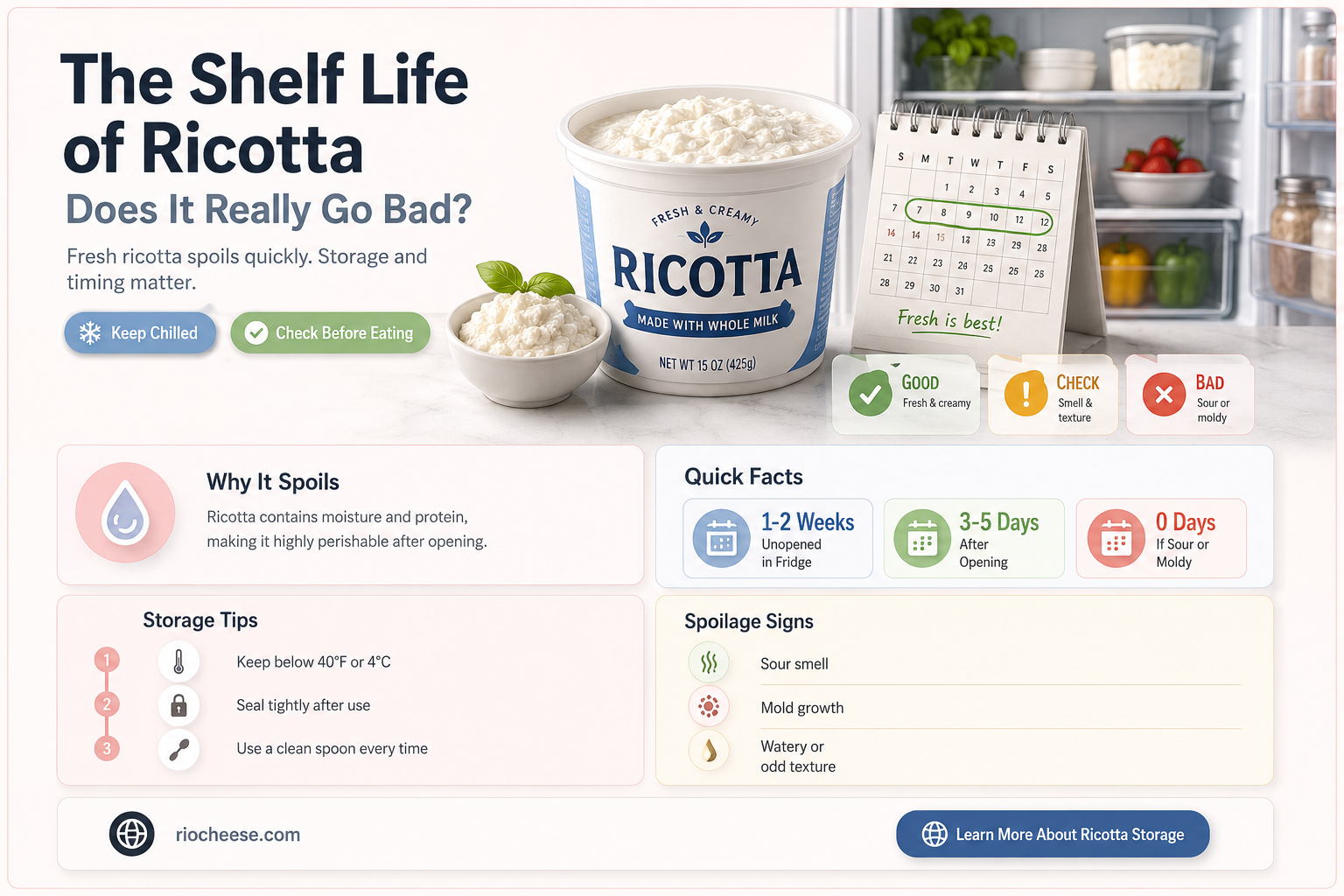
Ricotta cheese, a staple in Italian cuisine, is known for its creamy texture and mild flavor. It's commonly used in dishes like lasagna, cannoli, and manicotti. However, like all dairy products, ricotta cheese does have a shelf life and can go bad if not stored properly. Understanding how to identify when ricotta cheese has spoiled is crucial for food safety and maintaining the quality of your dishes. In this article, we'll explore the signs of spoilage in ricotta cheese, the factors that contribute to its deterioration, and provide tips on how to store it to maximize its freshness.
| Characteristics | Values |
|---|---|
| Type of Cheese | Ricotta |
| Shelf Life (Unopened) | 2-3 weeks |
| Shelf Life (Opened) | 5-7 days |
| Storage Conditions | Refrigerated at 40°F (4°C) or below |
| Signs of Spoilage | Mold, slimy texture, unpleasant odor |
| Texture | Soft, creamy |
| Taste | Mild, slightly sweet |
| Fat Content | Low |
| Moisture Content | High |
| Production Process | Made from whey left over after hard cheese production |
| Common Uses | Pasta dishes, desserts, salads |
| Nutritional Value | Good source of protein and calcium |
| Allergen Information | Contains lactose |
| Origin | Italy |
| Color | White to off-white |
| Consistency | Smooth, spreadable |
| Packaging | Typically sold in plastic containers or tubs |
Explore related products


What You'll Learn
- Shelf Life: Understanding the typical shelf life of ricotta cheese and factors affecting it
- Storage Tips: Best practices for storing ricotta cheese to maintain freshness and prevent spoilage
- Signs of Spoilage: Recognizing visual and olfactory indicators that ricotta cheese has gone bad
- Health Risks: Potential health risks associated with consuming spoiled ricotta cheese
- Usage in Recipes: Guidance on using ricotta cheese in various recipes before it spoils

Shelf Life: Understanding the typical shelf life of ricotta cheese and factors affecting it
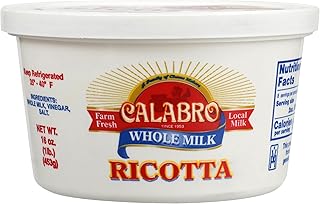
Ricotta cheese, a staple in Italian cuisine, has a relatively short shelf life compared to other cheeses. Typically, fresh ricotta cheese can last about 1 to 2 weeks when stored properly in the refrigerator. However, this timeframe can vary depending on several factors, including the type of ricotta, storage conditions, and whether it has been opened or not.
One of the primary factors affecting the shelf life of ricotta cheese is its moisture content. Ricotta is a soft, moist cheese, and this high moisture level can make it more susceptible to bacterial growth and spoilage. Additionally, the lack of preservatives in many ricotta products means that they have a shorter shelf life than cheeses that contain additives to extend their longevity.
Storage conditions play a crucial role in determining how long ricotta cheese will last. It should be stored in the coldest part of the refrigerator, ideally at a temperature between 35°F and 40°F (1.6°C and 4.4°C). Once opened, ricotta cheese should be covered tightly with plastic wrap or aluminum foil to prevent it from drying out and to minimize exposure to air, which can accelerate spoilage.
Another factor to consider is the type of ricotta cheese. There are different varieties, such as whole milk, part-skim, and fat-free ricotta, each with its own shelf life. Whole milk ricotta tends to have a slightly longer shelf life than part-skim or fat-free versions due to its higher fat content, which can act as a natural preservative.
In summary, understanding the shelf life of ricotta cheese involves considering its moisture content, storage conditions, and type. By storing ricotta properly and being aware of its typical shelf life, consumers can enjoy this delicious cheese while minimizing the risk of spoilage and foodborne illness.
Unraveling the Cheese Conundrum: PCOS and Dairy Dilemma
You may want to see also
Explore related products


Storage Tips: Best practices for storing ricotta cheese to maintain freshness and prevent spoilage
To maintain the freshness of ricotta cheese and prevent spoilage, it is crucial to store it properly. The ideal storage method involves keeping the cheese in its original container, tightly sealed, and refrigerated at a consistent temperature below 40°F (4°C). This will help to slow down the growth of bacteria and mold, which can cause the cheese to spoil.
If you have purchased ricotta cheese in bulk or need to store leftovers, it is recommended to divide the cheese into smaller portions and store them in separate airtight containers. This will not only help to maintain freshness but also make it easier to use the cheese over time. When storing ricotta cheese, it is important to avoid exposure to air, as this can cause the cheese to dry out and become less palatable.
In addition to proper storage, it is also important to handle ricotta cheese with clean hands and utensils to prevent contamination. If you notice any signs of spoilage, such as an off odor, discoloration, or mold, it is best to discard the cheese immediately to avoid foodborne illness.
By following these storage tips, you can help to extend the shelf life of ricotta cheese and ensure that it remains fresh and safe to consume. Remember to always check the expiration date on the packaging and use the cheese within the recommended timeframe for best results.
Decoding Velveeta's Shelf Life: Signs Your Cheese Has Gone Bad
You may want to see also
Explore related products


Signs of Spoilage: Recognizing visual and olfactory indicators that ricotta cheese has gone bad
Ricotta cheese, known for its creamy texture and mild flavor, is a versatile ingredient in many culinary dishes. However, like all dairy products, it is susceptible to spoilage. Recognizing the signs of spoilage is crucial to ensure food safety and prevent the consumption of potentially harmful bacteria.
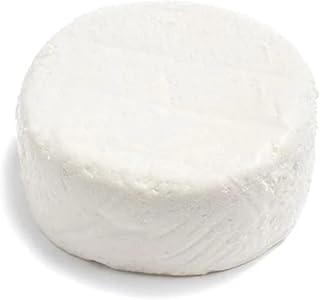
Visually, spoiled ricotta cheese may exhibit several indicators. The most obvious sign is the presence of mold, which can appear as green, blue, or white patches on the surface of the cheese. Mold growth is a clear indication that the cheese has been contaminated and should be discarded immediately. Additionally, the cheese may develop an off-color, such as a yellowish or brownish tint, which is another sign of spoilage. The texture of the cheese may also change, becoming either too dry or too wet, indicating that it is no longer fresh.
Olfactorily, spoiled ricotta cheese will often have a strong, unpleasant odor. This smell can range from a sour, tangy scent to a more pungent, ammonia-like aroma. The presence of such odors is a definite sign that the cheese has gone bad and should not be consumed. It is important to note that the smell of ricotta cheese can be quite subtle when it is fresh, so any noticeable change in odor should be taken seriously.
In addition to these visual and olfactory signs, it is also important to consider the storage conditions of the ricotta cheese. If the cheese has been stored at an improper temperature or has been left out for too long, it is more likely to spoil. Ricotta cheese should be stored in the refrigerator at a temperature between 35°F and 40°F (1.6°C and 4.4°C) and should be consumed within 1-2 weeks of opening.
To prevent spoilage, it is essential to handle ricotta cheese properly. This includes storing it in an airtight container, keeping it refrigerated, and avoiding cross-contamination with other foods. By following these guidelines and being aware of the signs of spoilage, you can ensure that your ricotta cheese remains fresh and safe to consume.
In conclusion, recognizing the signs of spoilage in ricotta cheese is crucial for maintaining food safety. By being aware of the visual and olfactory indicators of spoilage, as well as the proper storage conditions, you can prevent the consumption of potentially harmful bacteria and ensure that your ricotta cheese remains fresh and delicious.
The Shelf Life Saga: Does Velveeta Cheese Go Bad?
You may want to see also
Explore related products




Health Risks: Potential health risks associated with consuming spoiled ricotta cheese
Consuming spoiled ricotta cheese can pose several health risks, primarily due to the growth of harmful bacteria and molds. One of the most common risks is food poisoning, which can occur when ricotta cheese is contaminated with bacteria such as Salmonella, E. coli, or Listeria. These bacteria can cause symptoms ranging from mild gastrointestinal discomfort to severe illness, including diarrhea, vomiting, fever, and abdominal cramps. In some cases, food poisoning can lead to dehydration, hospitalization, and even death, particularly in vulnerable populations such as the elderly, young children, and individuals with weakened immune systems.
In addition to bacterial contamination, spoiled ricotta cheese can also harbor harmful molds, such as Aspergillus and Penicillium. These molds can produce mycotoxins, which are toxic compounds that can cause a range of health problems, including allergic reactions, respiratory issues, and neurological symptoms. Some mycotoxins are also known to be carcinogenic, meaning they can increase the risk of cancer.
To minimize the risk of consuming spoiled ricotta cheese, it is essential to store it properly and check for signs of spoilage before eating. Ricotta cheese should be refrigerated at a temperature of 40°F (4°C) or below and consumed within 1-2 weeks of purchase. Signs of spoilage include an off smell, discoloration, mold growth, or a slimy texture. If any of these signs are present, the ricotta cheese should be discarded immediately to avoid potential health risks.
It is also important to handle ricotta cheese safely to prevent cross-contamination. This includes washing hands thoroughly before and after handling the cheese, using clean utensils and cutting boards, and avoiding contact with other foods, particularly those that will be consumed raw. By following these guidelines, individuals can reduce the risk of foodborne illness associated with spoiled ricotta cheese.
In conclusion, the potential health risks associated with consuming spoiled ricotta cheese are significant and can range from mild gastrointestinal symptoms to severe illness and even death. To protect oneself and others, it is crucial to store ricotta cheese properly, check for signs of spoilage, and handle it safely to prevent contamination. By taking these precautions, individuals can enjoy ricotta cheese while minimizing the risk of adverse health effects.
The Shelf Life of Cheese Sticks: A Comprehensive Guide
You may want to see also
Explore related products



Usage in Recipes: Guidance on using ricotta cheese in various recipes before it spoils
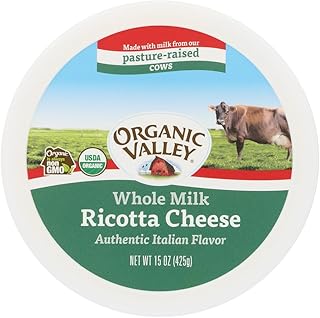
Ricotta cheese, with its creamy texture and mild flavor, is a versatile ingredient that can enhance a variety of dishes. However, its shelf life is relatively short, making it crucial to use it wisely before it spoils. To maximize its freshness and culinary potential, consider incorporating ricotta into recipes that highlight its unique qualities.
One effective way to use ricotta before it goes bad is to make a rich and creamy pasta sauce. Simply combine the ricotta with olive oil, garlic, and your choice of herbs, such as basil or parsley, to create a luxurious coating for pasta. This sauce can be prepared in minutes and is an excellent way to use up ricotta that is nearing its expiration date.
Another delicious option is to use ricotta in a savory breakfast dish, such as a frittata or omelette. Its creamy texture adds a delightful contrast to the fluffy eggs and other ingredients. You can also experiment with sweet recipes, like ricotta pancakes or waffles, which benefit from the cheese's moistness and subtle flavor.
When using ricotta in recipes, it's essential to be mindful of its freshness. If the cheese has started to spoil, it may develop an off-flavor or texture, which can negatively impact the final dish. To ensure the best results, always check the expiration date and use the ricotta within a few days of opening.
In summary, ricotta cheese can be a valuable addition to many recipes, from savory sauces to sweet breakfast treats. By using it creatively and being mindful of its freshness, you can make the most of this delicious ingredient before it spoils.
The Shelf Life of Gruyère: Does This Cheese Go Bad?
You may want to see also
Frequently asked questions
Yes, ricotta cheese can go bad. Like many dairy products, it has a limited shelf life and can spoil if not stored properly or consumed within a certain timeframe.
There are several signs that ricotta cheese may have gone bad. These include an off or sour smell, a slimy or moldy appearance, or a change in texture that makes it seem watery or grainy. If you notice any of these signs, it's best to discard the cheese.
The shelf life of ricotta cheese can vary depending on the brand and storage conditions. Generally, unopened ricotta cheese can last about 2 to 3 weeks in the refrigerator. Once opened, it should be consumed within 5 to 7 days for the best quality and safety.