Randy Chandler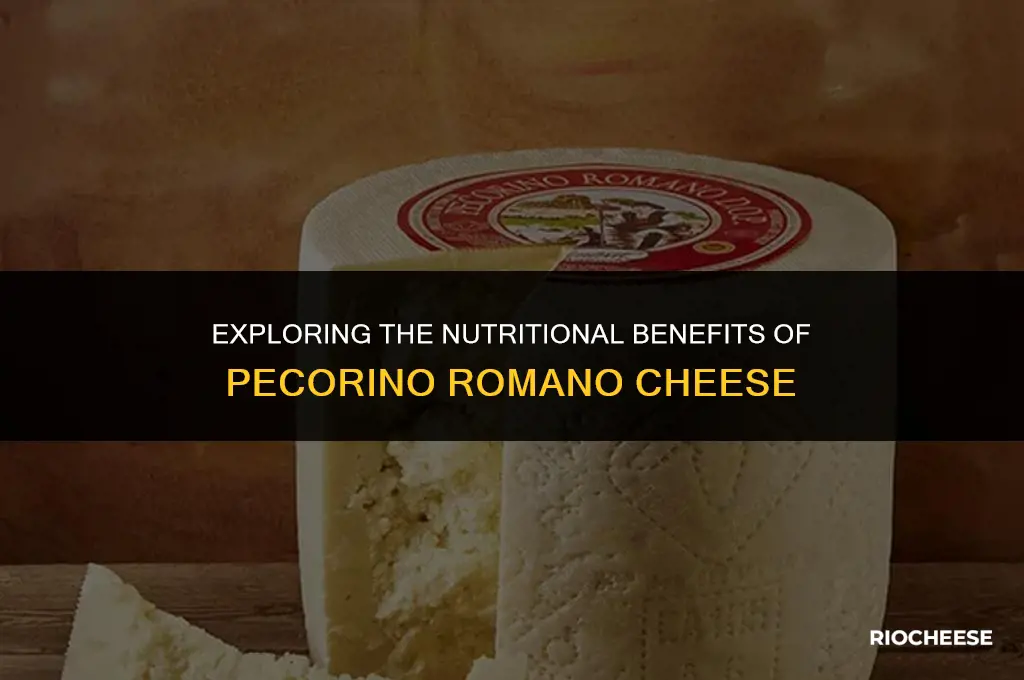
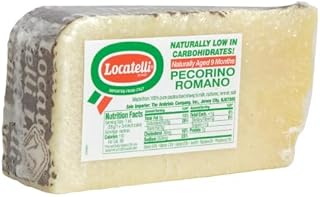
Pecorino Romano is a hard, salty Italian cheese made from sheep's milk. It's known for its sharp, tangy flavor and is often used as a grating cheese in Italian cuisine. When considering its health aspects, Pecorino Romano is a good source of protein, calcium, and essential vitamins like B12. However, it's also high in sodium and saturated fats, which should be consumed in moderation as part of a balanced diet.
Explore related products


What You'll Learn
- Nutritional profile: High in protein, calcium, and vitamins, but also rich in sodium and saturated fats
- Health benefits: Supports bone health, muscle function, and may have anti-inflammatory properties due to its nutrient content
- Dietary considerations: Suitable for vegetarians, but not for vegans or those with lactose intolerance or high blood pressure
- Serving suggestions: Often used in small amounts as a garnish or flavor enhancer in Italian cuisine
- Comparison to other cheeses: Similar in nutritional value to other hard cheeses like Parmesan, but with a distinct flavor profile

Nutritional profile: High in protein, calcium, and vitamins, but also rich in sodium and saturated fats
Pecorino Romano cheese boasts a robust nutritional profile, making it a valuable addition to a balanced diet. One of its standout features is its high protein content, which is essential for muscle repair and growth. A single ounce of Pecorino Romano provides approximately 7 grams of protein, making it an excellent choice for those looking to increase their protein intake.
In addition to protein, Pecorino Romano is also rich in calcium, a mineral crucial for strong bones and teeth. A one-ounce serving contains about 20% of the recommended daily value of calcium, making it a beneficial food for maintaining bone health. The cheese is also a good source of vitamins, particularly vitamin B12, which is important for nerve function and the production of red blood cells.
However, it's important to note that Pecorino Romano is also high in sodium and saturated fats. A one-ounce serving contains about 400 milligrams of sodium, which is roughly 17% of the recommended daily value. Consuming high amounts of sodium can lead to high blood pressure and other health issues, so it's essential to enjoy Pecorino Romano in moderation. Similarly, the cheese contains about 6 grams of saturated fats per ounce, which can contribute to high cholesterol levels when consumed in excess.
To make the most of Pecorino Romano's nutritional benefits while minimizing its potential drawbacks, it's recommended to consume it in moderation as part of a balanced diet. This could include using it as a flavor enhancer in dishes rather than as a main ingredient, or pairing it with healthier options like fresh fruits and vegetables. By doing so, you can enjoy the rich taste and nutritional benefits of Pecorino Romano without compromising your overall health.
Exploring the Nutritional Benefits of Babybel Cheeses: A Healthy Choice?
You may want to see also
Explore related products

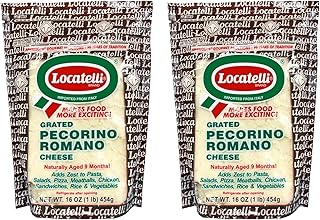


Health benefits: Supports bone health, muscle function, and may have anti-inflammatory properties due to its nutrient content
Pecorino Romano cheese is renowned not only for its rich flavor but also for its impressive array of health benefits. One of the key advantages of incorporating this cheese into your diet is its substantial contribution to bone health. The high calcium content in Pecorino Romano plays a crucial role in maintaining strong bones and preventing conditions such as osteoporosis. Calcium is essential for bone density, and regular consumption of this cheese can help meet the recommended daily intake, especially for individuals at risk of calcium deficiency.
In addition to supporting bone health, Pecorino Romano is beneficial for muscle function. The cheese is a good source of protein, which is vital for muscle repair and growth. Protein also aids in maintaining muscle mass, making Pecorino Romano a valuable addition to the diets of those engaged in physical activities or looking to build and maintain muscle.
Furthermore, the anti-inflammatory properties of Pecorino Romano make it a noteworthy choice for those seeking to reduce inflammation in their bodies. The cheese contains nutrients such as omega-3 fatty acids and conjugated linoleic acid (CLA), both of which have been shown to have anti-inflammatory effects. Omega-3 fatty acids, in particular, are known for their ability to reduce inflammation and may help alleviate conditions such as arthritis and other inflammatory diseases.
It is important to note that while Pecorino Romano offers these health benefits, it should be consumed in moderation due to its high fat and sodium content. Excessive intake of this cheese could lead to weight gain and increased blood pressure, potentially offsetting its positive effects. Therefore, it is advisable to enjoy Pecorino Romano as part of a balanced diet, incorporating it into meals in reasonable portions.
In conclusion, Pecorino Romano cheese is a nutritious and flavorful addition to a healthy diet, offering significant benefits for bone health, muscle function, and inflammation reduction. By understanding its nutritional profile and consuming it in moderation, individuals can harness the health advantages of this delicious cheese while maintaining a balanced and varied diet.
Unveiling the Nutritional Truth: Is Romano Cheese a Healthy Choice?
You may want to see also
Explore related products
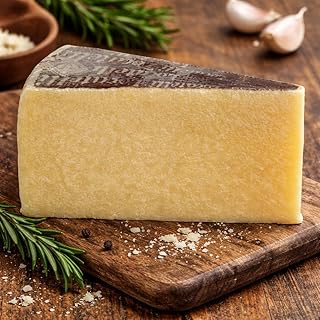


Dietary considerations: Suitable for vegetarians, but not for vegans or those with lactose intolerance or high blood pressure
Pecorino Romano, a hard Italian cheese made from sheep's milk, poses several dietary considerations. While it is suitable for vegetarians, it is not appropriate for vegans due to its animal origin. Additionally, individuals with lactose intolerance should avoid this cheese, as it contains lactose, which can cause digestive discomfort. Those with high blood pressure should also be cautious, as Pecorino Romano is high in sodium, which can exacerbate hypertension.
For vegetarians, Pecorino Romano can be a flavorful addition to their diet, offering a rich source of protein and calcium. However, it is essential to consume it in moderation due to its high fat and sodium content. Vegetarians may enjoy this cheese in small amounts as part of a balanced meal, such as grated over pasta dishes or as a topping for salads.
Vegans, on the other hand, should seek alternative sources of calcium and protein, such as plant-based cheeses, tofu, or legumes. Lactose intolerant individuals can opt for lactose-free cheeses or dairy substitutes, while those with high blood pressure should choose low-sodium cheese options or limit their overall cheese consumption.
In summary, while Pecorino Romano can be a healthy choice for some, it is crucial to consider individual dietary needs and restrictions. Vegetarians can enjoy this cheese in moderation, but vegans, lactose intolerant individuals, and those with high blood pressure should explore alternative options to maintain a balanced and healthy diet.
Exploring the Nutritional Benefits of Muenster Cheese: A Healthy Choice?
You may want to see also
Explore related products




Serving suggestions: Often used in small amounts as a garnish or flavor enhancer in Italian cuisine
Pecorino Romano, a hard, salty Italian cheese, is often used in small amounts as a garnish or flavor enhancer in Italian cuisine. This cheese is known for its strong, pungent flavor and is typically grated over pasta dishes, salads, and soups. Due to its high salt content and strong flavor, it is usually consumed in moderation.
One of the key aspects of Pecorino Romano is its versatility in cooking. It can be used to add depth to a variety of dishes without overpowering them. For instance, a small amount of grated Pecorino Romano can elevate the flavor of a simple pasta dish, giving it a rich, savory taste. Additionally, it can be used as a topping for baked potatoes or as an ingredient in stuffing recipes.
When considering the health aspects of Pecorino Romano, it is important to note that while it is high in protein and calcium, it is also high in sodium and saturated fat. Therefore, it should be consumed in moderation as part of a balanced diet. For those watching their salt intake or managing heart health, it may be advisable to limit the amount of Pecorino Romano consumed.
In terms of serving suggestions, Pecorino Romano can be paired with a variety of foods to enhance their flavor. It pairs well with fresh vegetables, particularly in salads, and can also be used to add a salty, umami flavor to grilled meats and fish. Additionally, it can be used as a garnish for soups and stews, providing a contrasting flavor to the dish.
Overall, Pecorino Romano is a flavorful and versatile cheese that can be used in a variety of ways to enhance the taste of Italian dishes. However, due to its high sodium and saturated fat content, it should be consumed in moderation as part of a balanced diet.
Exploring the Nutritional Benefits of Dubliner Cheese: A Healthy Choice?
You may want to see also
Explore related products


Comparison to other cheeses: Similar in nutritional value to other hard cheeses like Parmesan, but with a distinct flavor profile
Pecorino Romano, a hard Italian cheese made from sheep's milk, stands out in the world of cheeses not only for its robust flavor but also for its nutritional benefits. When compared to other hard cheeses like Parmesan, Pecorino Romano holds its own in terms of nutritional value, offering a similar profile of high protein, low moisture, and significant mineral content. However, it distinguishes itself with a unique flavor profile that is sharper and saltier, often described as having a more pronounced umami taste.
In terms of health benefits, Pecorino Romano is rich in calcium, phosphorus, and zinc, which are essential for bone health and immune function. It also contains a good amount of vitamin B12, which is crucial for nerve function and the production of red blood cells. Compared to Parmesan, Pecorino Romano has a slightly higher fat content, but it is still relatively low in calories when consumed in moderation.
One of the key differences between Pecorino Romano and other hard cheeses is its production process. Pecorino Romano is aged for a minimum of eight months, which contributes to its distinct flavor and texture. During this aging process, the cheese develops a crystalline structure that gives it a characteristic crunch. This texture not only adds to its appeal as a grating cheese but also influences its nutritional profile, as the aging process can enhance the bioavailability of certain nutrients.
When considering the health implications of Pecorino Romano, it is important to note that while it is a nutritious cheese, it is also high in sodium. Therefore, individuals who are watching their salt intake should consume it in moderation. Additionally, like all dairy products, Pecorino Romano contains lactose, which may not be suitable for those with lactose intolerance.
In conclusion, Pecorino Romano is a healthy choice for those looking to add a flavorful and nutritious cheese to their diet. Its unique flavor profile and nutritional benefits make it a standout option among hard cheeses, offering a delicious way to incorporate essential nutrients into meals.
Exploring the Nutritional Benefits of Havarti Cheese
You may want to see also
Frequently asked questions
Pecorino Romano can be considered a healthy cheese option in moderation due to its high protein content and lower fat levels compared to some other cheeses. However, it is also high in sodium, so it's important to consume it as part of a balanced diet.
Pecorino Romano is rich in protein, which is essential for muscle repair and growth. It also contains calcium, which is important for bone health, and vitamins like B12. Additionally, it has conjugated linoleic acid (CLA), a type of fatty acid that may have health benefits.
Pecorino Romano generally has a lower fat content compared to cheeses like Parmesan or Cheddar. This makes it a potentially better choice for those looking to reduce their fat intake while still enjoying cheese.
The main health risk associated with Pecorino Romano is its high sodium content. Consuming too much sodium can lead to high blood pressure and other health issues. Additionally, like all dairy products, it contains lactose, which can be problematic for those with lactose intolerance.