Kamil Perry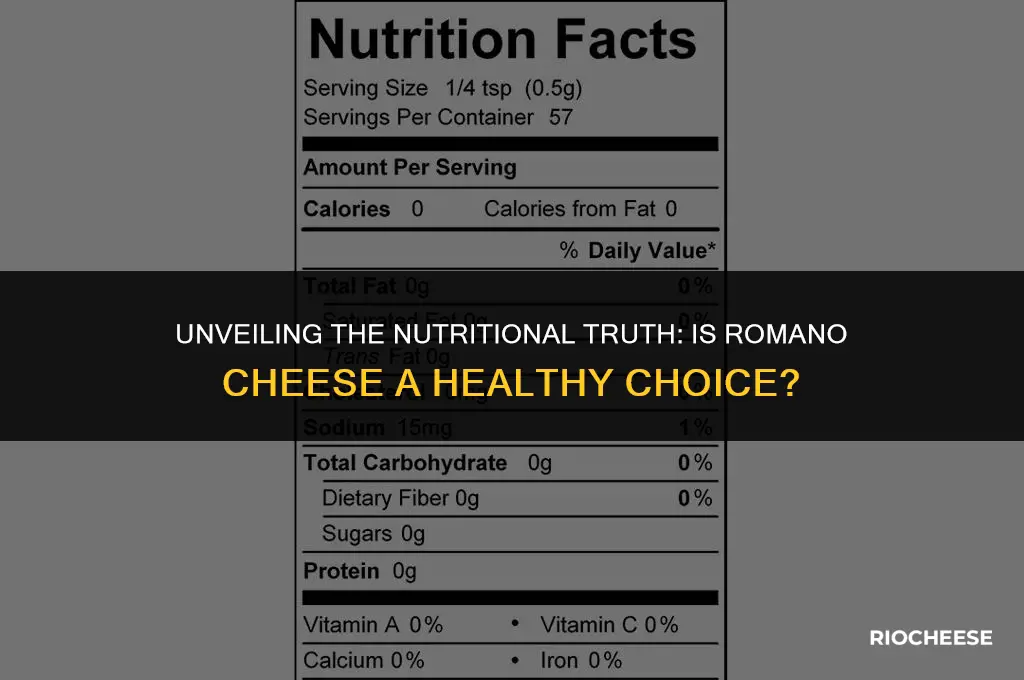
Romano cheese, known for its sharp and tangy flavor, is a type of hard, aged cheese that originates from Italy. It is often used to add a bold taste to various dishes, from pasta sauces to salads. When considering the health aspects of Romano cheese, it's important to note that while it is a good source of protein and calcium, it also contains a significant amount of sodium and saturated fat. Therefore, moderation is key when incorporating Romano cheese into a balanced diet. Additionally, its strong flavor allows for smaller quantities to be used, which can help in managing calorie intake. For those looking to maintain a healthy diet, pairing Romano cheese with nutrient-dense foods like vegetables or whole grains can be a delicious and nutritious option.
Explore related products




What You'll Learn
- Nutritional Content: Romano cheese is rich in protein, calcium, and vitamins, but also high in fat and sodium
- Calorie Count: A 1-ounce serving of Romano cheese contains approximately 115 calories
- Fat Content: Romano cheese is high in saturated fat, which can contribute to heart disease if consumed in excess
- Sodium Content: Romano cheese is high in sodium, which can contribute to high blood pressure if consumed in excess
- Potential Health Benefits: Romano cheese contains conjugated linoleic acid (CLA), which may have anti-inflammatory and anti-cancer properties

Nutritional Content: Romano cheese is rich in protein, calcium, and vitamins, but also high in fat and sodium
Romano cheese, a hard, salty Italian cheese, boasts a nutritional profile that is both beneficial and concerning. On the positive side, it is an excellent source of protein, providing essential amino acids necessary for muscle repair and growth. Additionally, Romano cheese is rich in calcium, which is crucial for maintaining strong bones and teeth, and it contains vitamins A and B12, important for immune function and energy metabolism, respectively.
However, the cheese's high fat content, particularly saturated fat, can be a point of concern for those monitoring their cardiovascular health. Saturated fats are known to raise LDL (bad) cholesterol levels, which can increase the risk of heart disease when consumed in excess. Furthermore, Romano cheese is high in sodium, which can contribute to hypertension (high blood pressure) and other health issues if not managed properly.
For individuals looking to incorporate Romano cheese into a healthy diet, moderation is key. It can be used sparingly as a flavor enhancer in dishes rather than consumed in large quantities. Pairing it with foods high in fiber, such as whole grains or vegetables, can help balance the meal and mitigate some of the negative effects of its high fat and sodium content.
In conclusion, while Romano cheese offers some nutritional benefits, its high fat and sodium content necessitate careful consumption. Those with specific health concerns, such as high blood pressure or heart disease, should consult with a healthcare professional or a registered dietitian to determine if and how Romano cheese can fit into their dietary plan.
Nutritional Breakdown: Is Your Ham and Cheese Sandwich a Healthy Choice?
You may want to see also
Explore related products

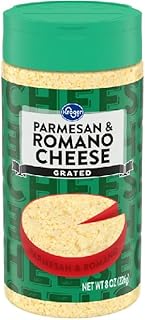


Calorie Count: A 1-ounce serving of Romano cheese contains approximately 115 calories
A 1-ounce serving of Romano cheese contains approximately 115 calories, which is a relatively high calorie count for a single serving of cheese. This calorie density is primarily due to the high fat content in Romano cheese, which is around 9 grams per ounce. While calories are an important consideration for overall health, it's also essential to look at the nutritional profile of Romano cheese in its entirety to determine its health benefits. Romano cheese is a good source of protein, calcium, and vitamins A and B12, which are essential for maintaining strong bones, supporting immune function, and promoting healthy skin and vision. However, it's also high in sodium, with around 170 milligrams per ounce, which can be a concern for individuals with high blood pressure or those who are watching their salt intake.
In terms of its health benefits, Romano cheese can be a valuable addition to a balanced diet when consumed in moderation. The protein content in Romano cheese can help to promote satiety and support muscle growth and repair, while the calcium content can contribute to bone health. Additionally, the vitamins A and B12 in Romano cheese can help to support immune function and promote healthy skin and vision. However, it's important to note that Romano cheese is also high in saturated fat, which can contribute to increased cholesterol levels and heart disease risk when consumed in excess. Therefore, it's recommended to enjoy Romano cheese as part of a balanced diet that includes a variety of nutrient-dense foods.
When considering the calorie count of Romano cheese, it's also important to think about portion control. A 1-ounce serving of Romano cheese is roughly equivalent to a small slice or a few crumbles, which can be a reasonable portion size for most individuals. However, it's easy to overconsume cheese, especially when it's served as part of a larger meal or snack. To keep calorie intake in check, it's helpful to measure out portions of Romano cheese and to be mindful of how it's being used in recipes or meals. Additionally, pairing Romano cheese with other nutrient-dense foods, such as fruits, vegetables, and whole grains, can help to create a more balanced and satisfying meal or snack.
In conclusion, while the calorie count of Romano cheese is relatively high, it can still be a healthy addition to a balanced diet when consumed in moderation. The key is to be mindful of portion sizes and to consider the overall nutritional profile of Romano cheese, including its protein, calcium, and vitamin content, as well as its high fat and sodium levels. By enjoying Romano cheese as part of a varied and nutrient-dense diet, individuals can reap its health benefits while also maintaining a healthy calorie intake.
Nutritional Insights: Salami and Cheese - A Healthy Choice?
You may want to see also
Explore related products
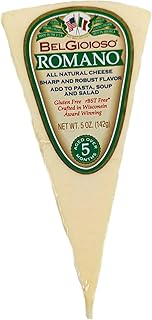
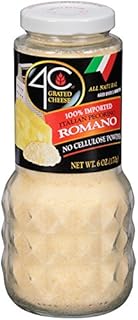


Fat Content: Romano cheese is high in saturated fat, which can contribute to heart disease if consumed in excess
Romano cheese, a hard, salty cheese often used in Italian cuisine, has a rich flavor profile that comes with a nutritional trade-off. One of the primary concerns regarding its healthiness is its high saturated fat content. Saturated fats are known to raise LDL (low-density lipoprotein) cholesterol levels, which can increase the risk of heart disease when consumed in excess. For individuals monitoring their heart health, understanding the fat content in foods like Romano cheese is crucial for making informed dietary choices.
A single ounce (28 grams) of Romano cheese contains approximately 9 grams of fat, with about 5 grams of that being saturated fat. This represents a significant portion of the daily recommended intake of saturated fat, which health organizations typically advise to limit. For example, the American Heart Association recommends that saturated fat should make up no more than 5-6% of total daily caloric intake for healthy individuals. Given that Romano cheese is often used in small quantities due to its strong flavor, it can be part of a balanced diet when consumed in moderation.
However, for those with existing heart conditions or high cholesterol, it may be advisable to seek alternatives or limit the intake of Romano cheese. Substituting it with lower-fat cheese options or using it sparingly as a flavor enhancer rather than a main ingredient can help reduce the overall saturated fat intake. Additionally, incorporating more heart-healthy foods such as fruits, vegetables, whole grains, and lean proteins can help balance the diet and mitigate the potential negative effects of consuming high-fat foods like Romano cheese.
In summary, while Romano cheese can be a flavorful addition to various dishes, its high saturated fat content necessitates mindful consumption, especially for individuals concerned about heart health. Balancing its intake with other nutritious foods and being aware of portion sizes are key strategies for enjoying Romano cheese as part of a healthy diet.
Exploring the Nutritional Value of Brazilian Cheese Bread: A Delicious Dilemma
You may want to see also
Explore related products

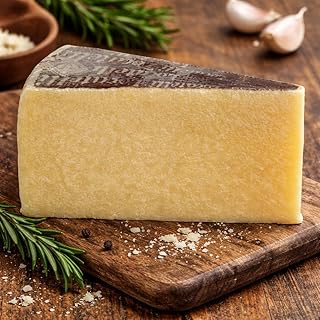


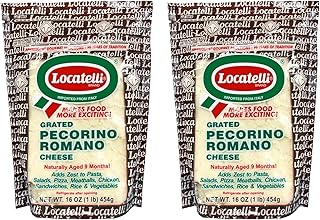

Sodium Content: Romano cheese is high in sodium, which can contribute to high blood pressure if consumed in excess
Romano cheese, a hard, salty cheese often used in Italian cuisine, has a sodium content that can be a concern for those monitoring their salt intake. A single ounce of Romano cheese can contain upwards of 1,000 milligrams of sodium, which is nearly half the recommended daily limit for most adults according to the American Heart Association. This high sodium content can contribute to high blood pressure, a condition that affects nearly one in three adults in the United States and is a leading cause of heart disease and stroke.
For individuals with hypertension or those at risk of developing it, consuming Romano cheese in moderation is crucial. The cheese's strong flavor means that a little goes a long way, making it possible to enjoy its taste without overdoing it on sodium. However, for those who cannot resist the temptation to indulge, there are strategies to help balance the sodium intake. Pairing Romano cheese with foods high in potassium, such as bananas, spinach, or sweet potatoes, can help counteract the effects of sodium on blood pressure. Additionally, staying hydrated by drinking plenty of water can aid in flushing excess sodium from the body.
It's also important to consider the overall dietary pattern when assessing the health impact of Romano cheese. A diet rich in fruits, vegetables, whole grains, and lean proteins can provide a buffer against the negative effects of high-sodium foods. Conversely, a diet already high in processed foods, fast food, and other sources of sodium may not have room for high-sodium cheeses like Romano without increasing health risks.
In conclusion, while Romano cheese can be a flavorful addition to a healthy diet, its high sodium content necessitates mindful consumption, especially for those with hypertension or at risk of developing it. By balancing intake with potassium-rich foods, staying hydrated, and maintaining an overall healthy diet, it is possible to enjoy Romano cheese without compromising cardiovascular health.
Exploring the Nutritional Benefits of Liver Cheese: A Healthy Choice?
You may want to see also
Explore related products


![Shredded Three Cheese Blend , Combining Asiago, Romano and Parmesan cheeses, Shredded 3-Cheese Blend is an ideal addition to any of your recipes. This blend of shredded cheese is great on pizza, salad, pasta and more. This trio of classic culinary cheeses can also be used for topping off soup, melting on garlic bread, lasagna filling, or in quiches. These cheeses melt well and stay fresh in the resealable container. [ 20 oz , 1.25 lb] .](https://m.media-amazon.com/images/I/51nR1wmUdQL._AC_UL320_.jpg)

Potential Health Benefits: Romano cheese contains conjugated linoleic acid (CLA), which may have anti-inflammatory and anti-cancer properties
Romano cheese, a hard, salty cheese originating from Italy, is not only a flavorful addition to various dishes but also boasts potential health benefits. One of the key components contributing to its health profile is conjugated linoleic acid (CLA). CLA is a type of fatty acid found in the milk of ruminant animals, such as cows, and is known for its potential anti-inflammatory and anti-cancer properties.
Research suggests that CLA may help reduce inflammation in the body, which is a contributing factor to many chronic diseases. By incorporating Romano cheese into your diet, you may be able to leverage these anti-inflammatory benefits. Additionally, studies have indicated that CLA could have anti-cancer properties, potentially helping to inhibit the growth of certain types of cancer cells.
It's important to note that while Romano cheese does contain CLA, it should be consumed in moderation as part of a balanced diet. Cheese can be high in calories, fat, and sodium, so it's crucial to consider portion sizes and overall dietary needs. For those looking to maximize the potential health benefits of Romano cheese, it may be beneficial to pair it with other nutrient-dense foods, such as fruits, vegetables, and whole grains.
In conclusion, Romano cheese's potential health benefits, particularly its CLA content, make it a noteworthy addition to a balanced diet. However, it's essential to consume it mindfully and consider how it fits into your overall nutritional goals.
Exploring the Nutritional Benefits of Pimento Cheese
You may want to see also
Frequently asked questions
Romano cheese, like many hard cheeses, is high in saturated fat and sodium, which can contribute to heart disease when consumed in excess. However, it also contains beneficial nutrients like calcium and protein. Moderation is key; enjoy it as part of a balanced diet.
Yes, Romano cheese is a good source of calcium, which is essential for strong bones and teeth. It also provides protein, vitamin B12, and riboflavin. These nutrients support muscle function, red blood cell formation, and energy production.
Romano cheese is calorie-dense and high in fat, which may not be ideal for a weight loss diet. However, it can be included in small portions as part of a balanced meal plan. Its protein content can help you feel fuller for longer, potentially aiding in weight management.