Patrick Oconnell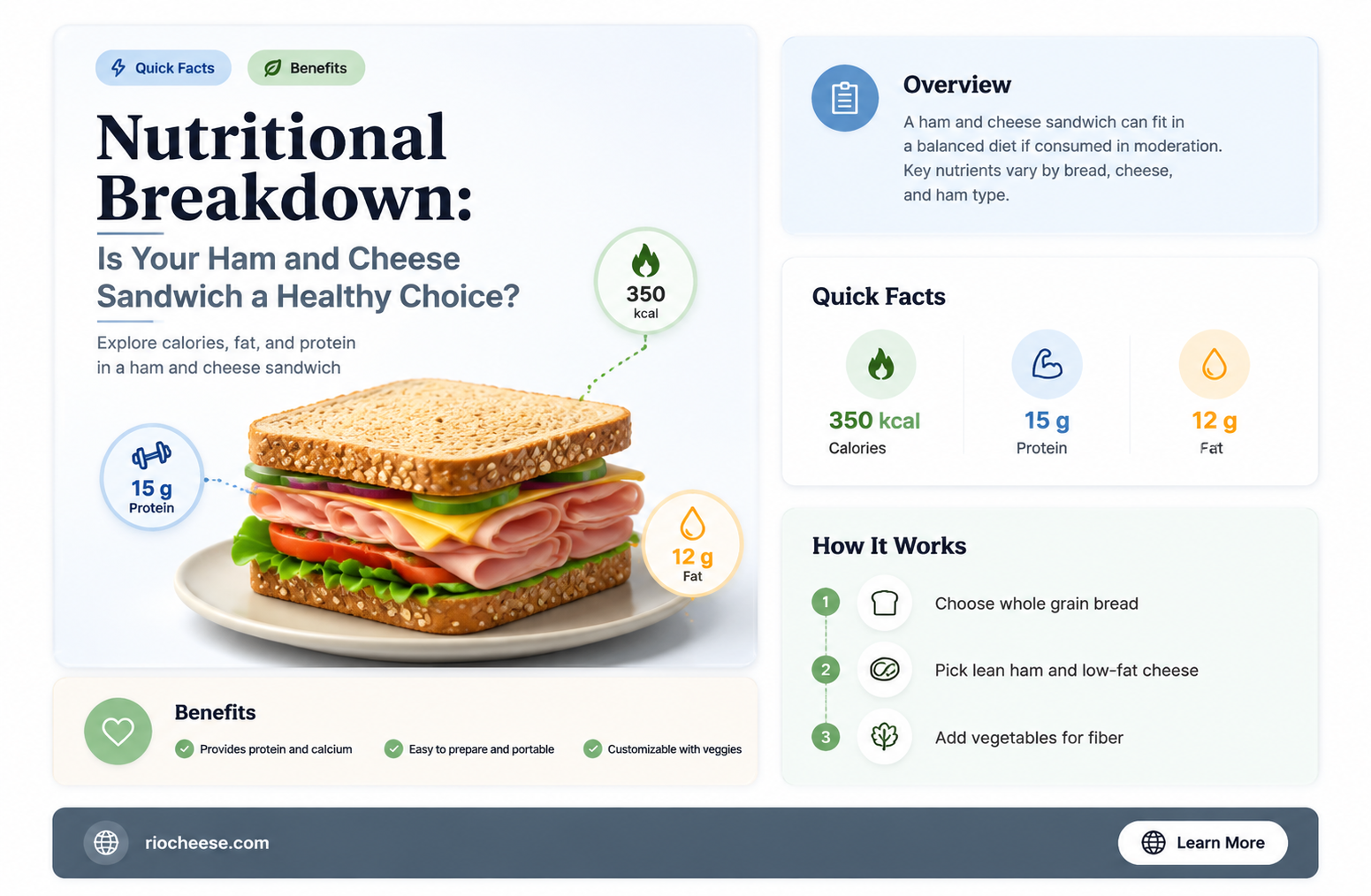
When considering the healthiness of a ham and cheese sandwich, several factors come into play. The choice of bread, type of ham, and variety of cheese can significantly impact the nutritional value. Whole grain bread provides more fiber and nutrients compared to white bread. Opting for lean ham or turkey ham can reduce the fat and sodium content. Additionally, choosing a lower-fat cheese like part-skim mozzarella or reduced-fat cheddar can help manage calorie intake. Including vegetables such as lettuce, tomato, and cucumber can add vitamins and minerals, enhancing the overall nutritional profile of the sandwich. However, it's essential to consume such sandwiches in moderation as part of a balanced diet.
Explore related products



What You'll Learn
- Nutrient Content: Evaluate the sandwich's nutritional value, including protein, carbohydrates, fats, vitamins, and minerals
- Calorie Count: Assess the total caloric intake from the sandwich and its components, considering portion sizes
- Ingredient Quality: Examine the healthiness of individual ingredients, such as whole grain bread, lean ham, and low-fat cheese
- Balanced Diet: Determine how the sandwich fits into a balanced diet, considering food groups and daily nutritional needs
- Health Impact: Discuss potential health benefits or drawbacks of consuming ham and cheese sandwiches regularly

Nutrient Content: Evaluate the sandwich's nutritional value, including protein, carbohydrates, fats, vitamins, and minerals
A ham and cheese sandwich can be a nutritious option, but its health benefits depend largely on the ingredients used and their proportions. The primary sources of protein in this sandwich are the ham and cheese, both of which are animal products. Ham provides a significant amount of protein per serving, typically around 5-7 grams per slice, while cheese can add an additional 6-10 grams per slice, depending on the type. Protein is essential for muscle repair and growth, making this sandwich a good choice for those looking to increase their protein intake.
Carbohydrates are mainly derived from the bread in a ham and cheese sandwich. Whole grain bread is a healthier option as it contains more fiber and nutrients compared to white bread. Fiber is crucial for digestive health and can help in maintaining stable blood sugar levels. A slice of whole grain bread typically contains about 3-4 grams of fiber, which is a substantial portion of the daily recommended intake.
Fats in a ham and cheese sandwich come from both the meat and the cheese. Ham can be high in saturated fats, which, when consumed in excess, can contribute to heart disease. Cheese also contains saturated fats, but it can also provide some beneficial fats like conjugated linoleic acid (CLA), which has been linked to various health benefits. Choosing a leaner cut of ham and a lower-fat cheese can help reduce the overall saturated fat content of the sandwich.
Vitamins and minerals are important for overall health and can be found in the ingredients of a ham and cheese sandwich. Ham is a good source of B vitamins, particularly vitamin B12, which is essential for nerve function and the production of red blood cells. Cheese provides calcium, which is vital for bone health, and vitamin A, which is important for vision and immune function. Whole grain bread can contribute additional B vitamins, iron, and magnesium.
In summary, a ham and cheese sandwich can be a healthy choice if made with the right ingredients and consumed in moderation. Opting for whole grain bread, lean ham, and lower-fat cheese can enhance its nutritional profile, providing a balanced mix of protein, carbohydrates, fats, vitamins, and minerals.
Exploring the Nutritional Benefits of Violife Cheese: A Healthy Alternative?
You may want to see also
Explore related products



Calorie Count: Assess the total caloric intake from the sandwich and its components, considering portion sizes
To accurately assess the total caloric intake from a ham and cheese sandwich, it's essential to consider the portion sizes of each component. A standard slice of white bread typically contains around 80-100 calories, depending on the thickness and brand. If the sandwich uses whole grain bread, the calorie count may be slightly higher due to the increased fiber content.
The ham in the sandwich is another significant contributor to the calorie count. A single slice of deli ham can range from 25-50 calories, depending on the type and thickness. If the sandwich includes multiple slices of ham, the calorie count will increase accordingly. It's also important to note that some hams may contain added sugars or preservatives, which can further impact the nutritional value.
Cheese is a calorie-dense food, with a single slice of cheddar cheese containing around 110-120 calories. The calorie count can vary depending on the type of cheese used, with some varieties like Swiss or provolone being slightly lower in calories. If the sandwich includes multiple slices of cheese or a thicker portion, the calorie count will increase significantly.
In addition to the main components, it's important to consider any condiments or spreads used in the sandwich. Mayonnaise, mustard, and other spreads can add anywhere from 50-100 calories per tablespoon, depending on the type and brand. If the sandwich includes vegetables like lettuce, tomato, or cucumber, these will add minimal calories but can contribute to the overall nutritional value.
To calculate the total calorie count of the sandwich, simply add up the calories from each component. For example, if the sandwich uses two slices of white bread (160 calories), three slices of deli ham (75-150 calories), two slices of cheddar cheese (220-240 calories), and one tablespoon of mayonnaise (50-100 calories), the total calorie count would range from 405-650 calories. This calculation assumes average portion sizes and may vary depending on the specific ingredients and brands used.
Exploring the Nutritional Benefits of Daiya Cheese: A Healthy Alternative?
You may want to see also
Explore related products


Ingredient Quality: Examine the healthiness of individual ingredients, such as whole grain bread, lean ham, and low-fat cheese
Whole grain bread is a healthier choice compared to white bread because it contains more fiber, vitamins, and minerals. Fiber is essential for maintaining healthy digestion and can help lower cholesterol levels. When choosing lean ham, look for options with less than 5 grams of fat per serving. Low-fat cheese is also a better choice, as it contains less saturated fat, which can contribute to heart disease. However, be mindful of the sodium content in both ham and cheese, as excessive sodium intake can lead to high blood pressure.
When examining the healthiness of individual ingredients, it's important to consider portion sizes. Even healthy ingredients can become unhealthy if consumed in excess. For example, while whole grain bread is nutritious, eating too many slices can lead to weight gain due to its higher calorie content. Similarly, lean ham and low-fat cheese should be consumed in moderation to avoid excessive sodium and fat intake.
Another factor to consider is the presence of additives and preservatives in the ingredients. Some types of ham may contain nitrates or nitrites, which have been linked to an increased risk of cancer. Look for ham that is labeled as nitrate-free or nitrite-free to minimize this risk. Additionally, some cheeses may contain artificial flavors or colors, which can be harmful to health. Opt for cheeses that are made with natural ingredients whenever possible.
In conclusion, the healthiness of a ham and cheese sandwich depends largely on the quality of its individual ingredients. By choosing whole grain bread, lean ham, and low-fat cheese, and being mindful of portion sizes and additives, it's possible to create a nutritious and delicious meal. However, it's important to remember that even healthy ingredients should be consumed in moderation as part of a balanced diet.
Exploring the Nutritional Benefits of Cooper Cheese: A Healthy Choice?
You may want to see also
Explore related products
![Yellow American Cheese, Sliced Cheese , Yellow Deli American is the staple for lunchtime sandwiches, gooey grilled cheese and juicy burgers. It's the ultimate sandwich secret weapon. Perfect for a classic ham and cheese sandwich , Sliced Deli American delivers gooey, melty, cheesy perfection to your favorite sandwiches, burgers and wraps., 72 slices [ 44 oz , 2.75 lb ]](https://m.media-amazon.com/images/I/41kJ63F5s6L._AC_UL320_.jpg)


Balanced Diet: Determine how the sandwich fits into a balanced diet, considering food groups and daily nutritional needs
To determine how a ham and cheese sandwich fits into a balanced diet, we must consider the food groups and daily nutritional needs. A balanced diet typically includes a variety of foods from the following groups: fruits, vegetables, grains, protein, and dairy. It also takes into account the recommended daily intake of vitamins, minerals, and other essential nutrients.
A ham and cheese sandwich primarily falls under the protein and dairy food groups, as ham is a source of protein and cheese provides both protein and dairy. However, it is important to note that a sandwich is not a complete meal and should be complemented with other food groups to ensure a balanced diet. For example, adding a side of vegetables or a piece of fruit can help provide the necessary vitamins and minerals that may be lacking in the sandwich.
When considering the nutritional value of a ham and cheese sandwich, it is also important to take into account the type of bread used, as well as any condiments or spreads. Whole grain bread is a healthier option than white bread, as it provides more fiber and nutrients. Additionally, using condiments such as mustard or hummus instead of mayonnaise can help reduce the overall fat content of the sandwich.
In terms of daily nutritional needs, a ham and cheese sandwich can be a good source of protein and calcium, which are essential for building and maintaining muscle and bone health. However, it is important to consume a variety of foods throughout the day to ensure that all nutritional needs are met. For example, a person may need to consume more fruits and vegetables to meet their daily intake of vitamins A and C, or they may need to include more whole grains to meet their daily fiber needs.
Overall, a ham and cheese sandwich can be a part of a balanced diet when consumed in moderation and complemented with other food groups. It is important to consider the nutritional value of all components of the sandwich, as well as the overall daily nutritional needs, to ensure a well-rounded and healthy diet.
Exploring the Nutritional Benefits of Manchego Cheese
You may want to see also
Explore related products


Health Impact: Discuss potential health benefits or drawbacks of consuming ham and cheese sandwiches regularly
Regular consumption of ham and cheese sandwiches can have both positive and negative health impacts. On the positive side, cheese is a good source of calcium, which is essential for strong bones and teeth. It also contains protein, which is important for muscle growth and repair. Ham, while high in sodium, also provides a source of protein and certain vitamins and minerals, such as vitamin B12 and iron.
However, there are also potential drawbacks to consider. Ham is often high in sodium and preservatives, which can contribute to high blood pressure and other health issues if consumed in excess. Cheese can be high in saturated fat, which may increase the risk of heart disease when consumed regularly. Additionally, the bread used in sandwiches can be a source of refined carbohydrates, which can lead to spikes in blood sugar levels.
To make a ham and cheese sandwich healthier, consider using whole-grain bread, which is higher in fiber and nutrients than white bread. Choose a lower-sodium ham or opt for a leaner protein source, such as turkey or chicken. Use a moderate amount of cheese and consider choosing a lower-fat variety. Adding vegetables, such as lettuce, tomato, and cucumber, can also increase the nutrient content of the sandwich.
In conclusion, while ham and cheese sandwiches can be a tasty and convenient meal option, it's important to consider the potential health impacts of regular consumption. By making mindful choices about the ingredients used, it's possible to enjoy this classic sandwich in a healthier way.
Exploring the Nutritional Benefits of Oaxaca Cheese: A Healthy Choice?
You may want to see also
Frequently asked questions
A ham and cheese sandwich can be part of a healthy diet when made with whole-grain bread, lean ham, and low-fat cheese. It provides a balance of protein, carbohydrates, and fats, but it's important to watch the sodium content and portion sizes.
To make a ham and cheese sandwich healthier, you can use whole-grain bread instead of white bread, choose lean ham or turkey, use low-fat cheese, and add plenty of vegetables like lettuce, tomato, and cucumber. You can also use mustard instead of mayonnaise to reduce the calorie content.
The calorie content of a ham and cheese sandwich can vary depending on the ingredients and portion sizes. On average, a sandwich made with two slices of whole-grain bread, 2 ounces of lean ham, and 1 ounce of low-fat cheese can range from 250 to 350 calories.
A ham and cheese sandwich can provide several health benefits when made with nutritious ingredients. The whole-grain bread offers fiber and essential nutrients, the lean ham provides protein and B vitamins, and the low-fat cheese contributes calcium and protein. The vegetables add vitamins, minerals, and antioxidants. However, it's important to consume such sandwiches in moderation as part of a balanced diet.




![American Deli Cheese is great for grilled cheese, burgers, breakfast sandwiches, and lunch sandwiches. This classic deli is great for melting and snacking. [ 32 oz, 2 lb ]](https://m.media-amazon.com/images/I/419DTm7KUQL._AC_UL320_.jpg)