Andy Montoya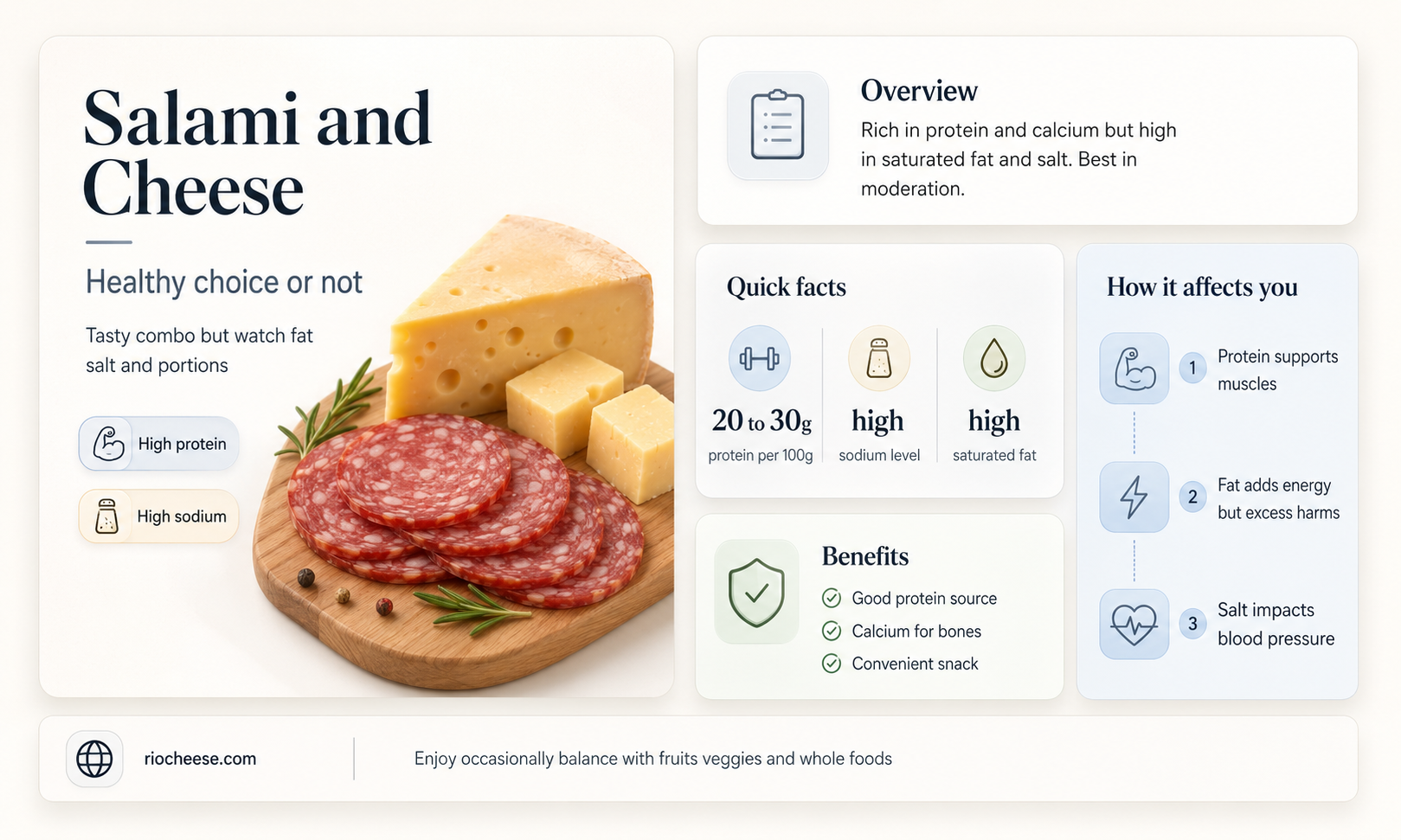
When considering the health implications of salami and cheese, it's important to examine both the nutritional benefits and potential drawbacks of these popular foods. Salami, a type of cured sausage, is rich in protein and can provide essential nutrients like vitamin B12 and iron. However, it is also high in saturated fat, sodium, and preservatives, which may contribute to health issues such as heart disease and high blood pressure when consumed in excess. Cheese, on the other hand, is a good source of calcium, protein, and vitamins A and B12, but it can also be high in saturated fat and calories. The key to incorporating these foods into a healthy diet lies in moderation and balance. Choosing leaner varieties of salami and lower-fat cheeses, as well as pairing them with nutrient-dense foods like fruits, vegetables, and whole grains, can help maximize their health benefits while minimizing potential risks.
| Characteristics | Values |
|---|---|
| Food Type | Processed meat and dairy product |
| Ingredients | Cured pork, beef, or chicken, cheese (typically cheddar or American), spices, preservatives |
| Serving Size | Varies, typically 1-2 slices of salami, 1-2 slices of cheese |
| Calories | Approximately 100-150 calories per serving |
| Protein | 5-7 grams per serving |
| Fat | 8-12 grams per serving, mostly saturated |
| Carbohydrates | 1-2 grams per serving |
| Sodium | 300-500 milligrams per serving |
| Cholesterol | 20-30 milligrams per serving |
| Nutrients | Vitamin B12, zinc, calcium, phosphorus |
| Health Impact | Consuming in moderation may not pose significant health risks; however, excessive intake can contribute to heart disease, high blood pressure, and certain cancers due to high sodium and saturated fat content |
| Dietary Suitability | Not suitable for vegetarians, vegans, or those with lactose intolerance; may not be appropriate for individuals on low-sodium or low-fat diets |
| Storage | Requires refrigeration; best consumed within 1-2 weeks of opening |
| Preparation | Typically served cold, sliced, and can be paired with crackers, bread, or added to sandwiches and salads |
| Cultural Significance | Popular in various cuisines, especially in Mediterranean and European dishes |
| Allergens | May contain allergens such as gluten (in some salami varieties) and lactose (in cheese) |
| Environmental Impact | Production of processed meats and dairy products can have a significant environmental footprint due to factors like greenhouse gas emissions, water usage, and land use |
Explore related products


What You'll Learn
- Nutritional benefits: Salami and cheese provide protein, calcium, and vitamins, but also contain saturated fats and sodium
- Portion control: Enjoying salami and cheese in moderation is key to maintaining a balanced diet and avoiding excessive calorie intake
- Quality matters: Opting for high-quality, artisanal salami and cheese can offer better nutritional profiles and fewer preservatives
- Pairing options: Combining salami and cheese with whole grains, fruits, and vegetables can create a more balanced and nutritious meal
- Dietary considerations: Individuals with specific dietary needs, such as lactose intolerance or low-sodium diets, should consume salami and cheese with caution

Nutritional benefits: Salami and cheese provide protein, calcium, and vitamins, but also contain saturated fats and sodium
Salami and cheese are often touted for their rich flavors and versatility in various dishes. However, when examining their nutritional profiles, it becomes evident that while they offer certain health benefits, they also come with some drawbacks. One of the primary benefits of salami and cheese is their protein content. Protein is essential for building and repairing tissues, making enzymes and hormones, and maintaining healthy bones, muscles, and skin. Salami, being a cured meat, is a good source of protein, providing approximately 9 grams per ounce. Cheese, particularly hard cheeses like Parmesan, also contributes significantly to protein intake, offering around 10 grams per ounce.
In addition to protein, salami and cheese are rich in calcium, a mineral crucial for bone health. Calcium helps in the development and maintenance of strong bones and teeth, and it plays a role in muscle function, nerve transmission, and hormonal secretion. Hard cheeses, such as cheddar and Swiss, are particularly high in calcium, with an ounce providing about 20-25% of the daily recommended intake. Salami, while not as high in calcium as cheese, still contributes a small amount to the diet.
Vitamins are another important nutrient found in salami and cheese. Both foods contain B vitamins, which are essential for energy metabolism, nervous system function, and red blood cell formation. Cheese is also a good source of vitamin A, important for vision, immune function, and skin health. However, it is crucial to note that the nutritional benefits of salami and cheese are counterbalanced by their high content of saturated fats and sodium. Saturated fats can raise LDL (bad) cholesterol levels, increasing the risk of heart disease and stroke. Salami and cheese, especially processed varieties, are high in saturated fats, with an ounce of salami containing around 3-4 grams and an ounce of cheese providing approximately 6-7 grams.
Sodium is another concern, as excessive intake can lead to high blood pressure, heart disease, and stroke. Salami, being a cured meat, is particularly high in sodium, with an ounce containing around 500-600 milligrams. Cheese also contributes to sodium intake, although the amount varies depending on the type, with processed cheeses generally being higher in sodium than natural varieties. In conclusion, while salami and cheese offer some nutritional benefits, including protein, calcium, and vitamins, their high content of saturated fats and sodium means they should be consumed in moderation as part of a balanced diet.
Exploring the Nutritional Benefits of Boursin Cheese: A Healthy Choice?
You may want to see also
Explore related products


Portion control: Enjoying salami and cheese in moderation is key to maintaining a balanced diet and avoiding excessive calorie intake
Salami and cheese can be a delicious addition to a balanced diet, but portion control is essential to avoid overindulging in these calorie-dense foods. A single slice of salami can contain up to 50 calories, and an ounce of cheese can range from 70 to 100 calories, depending on the type. To enjoy these foods in moderation, it's important to be mindful of serving sizes and to incorporate them into a meal plan that includes a variety of nutrient-dense foods.
One way to practice portion control is to use a food scale or measuring cups to ensure that you're consuming the appropriate amount of salami and cheese. For example, a serving of salami is typically considered to be one to two slices, while a serving of cheese is about one ounce. Another strategy is to pair salami and cheese with healthier options, such as fresh fruits and vegetables, to help balance out the calorie intake and provide a more satisfying and nutritious meal.
It's also important to consider the nutritional content of salami and cheese when planning your diet. Salami is high in sodium and saturated fat, which can contribute to health problems if consumed in excess. Cheese, on the other hand, is a good source of calcium and protein, but it can also be high in saturated fat and calories. To make the most of these foods, try to choose lower-fat options, such as turkey salami or reduced-fat cheese, and limit your intake to a few servings per week.
In addition to portion control, it's important to be aware of the potential health risks associated with consuming salami and cheese. For example, processed meats like salami have been linked to an increased risk of heart disease and certain types of cancer. Cheese, while a good source of calcium, can also be high in saturated fat, which has been associated with an increased risk of heart disease. To minimize these risks, it's important to consume salami and cheese in moderation and to balance your diet with plenty of fruits, vegetables, whole grains, and lean protein sources.
Overall, enjoying salami and cheese in moderation can be a part of a healthy and balanced diet. By practicing portion control, choosing lower-fat options, and balancing your intake with other nutrient-dense foods, you can indulge in these delicious foods without compromising your health goals.
Exploring the Nutritional Benefits of Fontina Cheese
You may want to see also
Explore related products



Quality matters: Opting for high-quality, artisanal salami and cheese can offer better nutritional profiles and fewer preservatives
High-quality, artisanal salami and cheese are often made using traditional methods that prioritize flavor and nutrition over mass production. These products typically contain fewer preservatives and additives, which can be beneficial for those looking to reduce their intake of processed foods. Artisanal salami, for example, is often made from grass-fed pork and seasoned with natural spices, resulting in a product that is both flavorful and rich in nutrients like protein and healthy fats.
When it comes to cheese, artisanal varieties are often made from raw milk, which contains more beneficial bacteria and enzymes than pasteurized milk. This can lead to improved digestion and a stronger immune system. Additionally, artisanal cheese is often aged for longer periods, which allows for the development of more complex flavors and textures, as well as a reduction in lactose content, making it more suitable for those with lactose intolerance.
Opting for high-quality, artisanal salami and cheese can also support local farmers and producers, promoting sustainable agriculture and reducing the environmental impact of food production. By choosing products that are made with care and attention to detail, consumers can enjoy the benefits of better nutrition and flavor while also supporting a more sustainable food system.
In conclusion, while salami and cheese can be a healthy addition to a balanced diet, it is important to choose high-quality, artisanal options that prioritize nutrition and sustainability. By doing so, consumers can enjoy the benefits of these delicious foods while also supporting local producers and reducing their environmental impact.
Exploring Pimento Cheese: A Tasty Aid in Your Weight Loss Journey?
You may want to see also
Explore related products


Pairing options: Combining salami and cheese with whole grains, fruits, and vegetables can create a more balanced and nutritious meal
Combining salami and cheese with whole grains, fruits, and vegetables can transform a simple snack into a more balanced and nutritious meal. This pairing not only enhances the flavor profile but also provides a variety of essential nutrients. Whole grains, such as whole wheat crackers or bread, offer dietary fiber, B vitamins, and minerals like iron and magnesium. Fruits add natural sweetness and are rich in vitamins, antioxidants, and fiber, while vegetables contribute crunch, color, and additional vitamins and minerals.
To create a balanced meal, consider the following pairing options:
- Whole Grain Crackers with Salami and Cheese: Choose whole grain crackers that are low in added sugars and high in fiber. Pair them with thinly sliced salami and a variety of cheeses, such as cheddar, Swiss, or mozzarella. Add a side of fresh fruit, like apple slices or grapes, for a sweet contrast.
- Salami and Cheese Sandwich: Use whole grain bread to make a sandwich with salami, cheese, and plenty of vegetables. Include lettuce, tomatoes, cucumbers, and bell peppers for added texture and nutrition. Spread a thin layer of hummus or avocado on the bread for healthy fats.
- Salami and Cheese Platter: Arrange a platter with an assortment of whole grain crackers, salami, cheese, fruits, and vegetables. Include items like cherry tomatoes, baby carrots, celery sticks, and a mix of berries for a visually appealing and nutritious spread.
When selecting salami and cheese, opt for lower-sodium and reduced-fat varieties to minimize the intake of unhealthy fats and excessive salt. Additionally, choose whole grain options that are minimally processed to retain more nutrients. By making these mindful choices, you can enjoy a delicious and balanced meal that combines the savory flavors of salami and cheese with the wholesome goodness of whole grains, fruits, and vegetables.
Unveiling the Nutritional Truth: Is Colby Jack Cheese a Healthy Choice?
You may want to see also
Explore related products




Dietary considerations: Individuals with specific dietary needs, such as lactose intolerance or low-sodium diets, should consume salami and cheese with caution
Individuals with lactose intolerance should be cautious when consuming cheese, as it contains lactose, a sugar that those with this condition cannot digest properly. This can lead to symptoms such as bloating, gas, and diarrhea. For those on a low-sodium diet, both salami and cheese can be problematic due to their high sodium content. Excessive sodium intake can contribute to high blood pressure and other cardiovascular issues.
When considering the health implications of salami and cheese, it's important to note that moderation is key. While these foods can be part of a balanced diet, individuals with specific dietary needs should be aware of their limitations. For those with lactose intolerance, there are lactose-free cheese options available, or they can opt for smaller portions of regular cheese. Those on a low-sodium diet can look for lower-sodium varieties of salami and cheese, or limit their intake of these foods.
In addition to considering dietary restrictions, it's also important to think about the overall nutritional value of salami and cheese. Both foods are high in protein and can provide essential nutrients like calcium and vitamin B12. However, they are also high in saturated fat and calories, so it's important to consume them in moderation as part of a balanced diet.
For individuals with specific dietary needs, it may be helpful to consult with a healthcare professional or a registered dietitian to determine the best way to incorporate salami and cheese into their diet. They can provide personalized advice based on individual health needs and dietary restrictions.
In conclusion, while salami and cheese can be a tasty and nutritious addition to a balanced diet, individuals with specific dietary needs should consume them with caution. By being aware of their limitations and making informed choices, they can still enjoy these foods while maintaining a healthy diet.
Exploring the Nutritional Benefits of Manchego Cheese
You may want to see also
Frequently asked questions
Salami and cheese can be part of a balanced diet in moderation, but they are high in calories, fat, and sodium. It's important to consume them sparingly and pair them with healthier options like fruits or vegetables.
Salami is a good source of protein and contains some vitamins and minerals like vitamin B12 and zinc. Cheese is also high in protein and provides calcium, vitamin A, and vitamin B12. However, both are high in saturated fat and sodium.
The American Heart Association recommends limiting processed meats like salami to no more than 2 servings per week. For cheese, the USDA suggests 1.5 to 2 cups per day as part of a balanced diet. However, individual needs may vary based on age, gender, and activity level.
Yes, there are many healthier snack options available. Some alternatives include turkey or chicken breast, low-fat cottage cheese, yogurt, nuts, seeds, fruits, and vegetables. These options are lower in calories, fat, and sodium while providing essential nutrients.
If you have high blood pressure, it's important to limit your intake of sodium-rich foods like salami and some types of cheese. Consult with your healthcare provider or a registered dietitian to determine the appropriate amount of these foods to include in your diet while managing your blood pressure.