Patrick Oconnell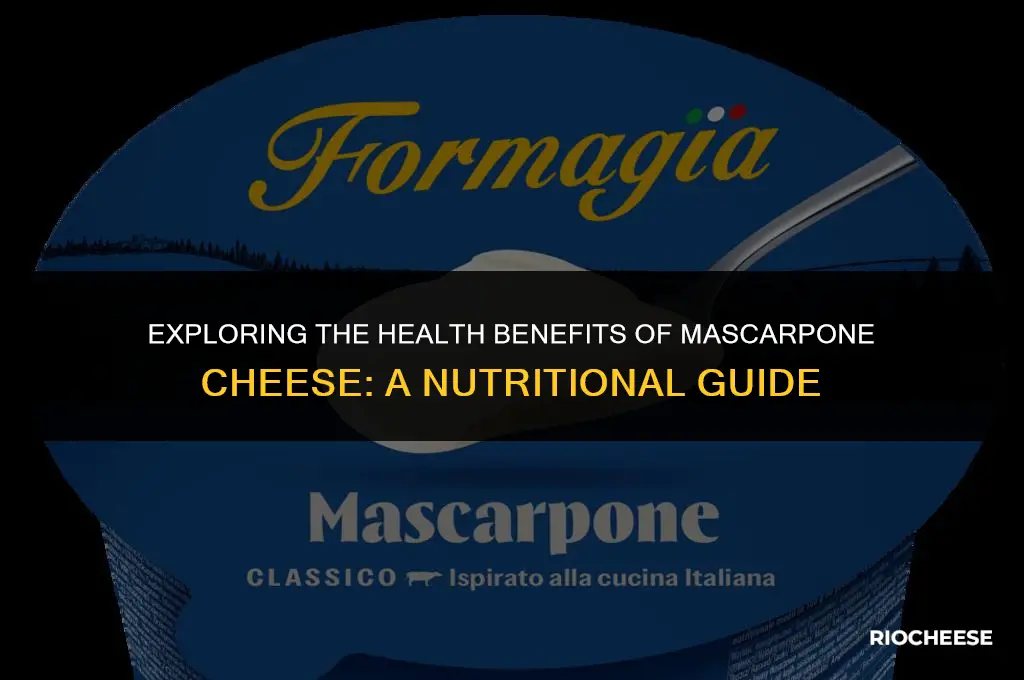
Mascarpone cheese, a creamy and rich dairy product, has become a popular ingredient in both sweet and savory dishes worldwide. However, its high fat and calorie content often raises questions about its healthiness. To determine whether mascarpone cheese can be considered a healthy food choice, it's essential to examine its nutritional profile, potential health benefits, and drawbacks. This includes analyzing its impact on heart health, weight management, and overall dietary balance. By understanding these factors, individuals can make informed decisions about incorporating mascarpone cheese into their diets.
Explore related products


What You'll Learn
- Nutritional Content: Mascarpone's calorie, fat, protein, and carbohydrate breakdown
- Health Benefits: Potential advantages like probiotics, calcium, and vitamin content
- Health Risks: Concerns regarding saturated fat, cholesterol, and lactose intolerance
- Dietary Uses: Incorporating mascarpone into balanced diets, portion control, and recipes
- Comparisons: How mascarpone stacks up against other cheeses and dairy alternatives

Nutritional Content: Mascarpone's calorie, fat, protein, and carbohydrate breakdown
Mascarpone cheese, a creamy and rich dairy product, is often scrutinized for its nutritional content. A 100-gram serving of mascarpone contains approximately 323 calories, making it a calorie-dense food. The majority of these calories come from fat, with about 28 grams per serving, of which 17 grams are saturated fat. This high saturated fat content is a point of concern for those monitoring their heart health, as excessive intake of saturated fats can contribute to increased cholesterol levels and cardiovascular disease risk.
In terms of protein, mascarpone provides about 6.3 grams per 100 grams, which is relatively modest compared to other cheeses. Protein is essential for muscle repair and growth, and while mascarpone can contribute to daily protein needs, it is not a primary source. Carbohydrates are minimal in mascarpone, with less than 1 gram per 100-gram serving, making it a low-carb option for those following ketogenic or low-carbohydrate diets.
When considering the nutritional profile of mascarpone, it is important to balance its rich flavor and versatility in cooking with its high calorie and fat content. Portion control is key, and incorporating mascarpone into a balanced diet that includes a variety of nutrient-dense foods can help mitigate potential health risks associated with its consumption.
Exploring the Nutritional Benefits of Daiya Cheese: A Healthy Alternative?
You may want to see also
Explore related products


Health Benefits: Potential advantages like probiotics, calcium, and vitamin content
Mascarpone cheese, a creamy and rich dairy product, offers several health benefits that make it a valuable addition to a balanced diet. One of the key advantages of mascarpone is its probiotic content. Probiotics are beneficial bacteria that promote gut health by maintaining a healthy balance of the gut microbiota. This can lead to improved digestion, enhanced immune function, and even mental health benefits due to the gut-brain axis.
In addition to probiotics, mascarpone is a good source of calcium. Calcium is essential for strong bones and teeth, and it plays a crucial role in muscle function, nerve transmission, and blood clotting. Consuming adequate amounts of calcium can help prevent osteoporosis and fractures, especially in older adults and postmenopausal women.
Mascarpone also contains vitamins A and B12. Vitamin A is important for vision, immune function, and skin health, while vitamin B12 is necessary for red blood cell formation, nerve function, and DNA synthesis. These vitamins contribute to overall health and well-being, making mascarpone a nutritious choice.
However, it's important to consume mascarpone in moderation due to its high fat and calorie content. Overconsumption can lead to weight gain and increased risk of heart disease. Additionally, individuals with lactose intolerance or dairy allergies should avoid mascarpone or opt for lactose-free or vegan alternatives.
In conclusion, mascarpone cheese can be a healthy addition to a balanced diet when consumed in moderation. Its probiotic, calcium, and vitamin content offer several health benefits, making it a nutritious and delicious choice for those who can tolerate dairy products.
Unraveling the Nutritional Truth: Is Cheese String Healthy?
You may want to see also
Explore related products
![Goodles Shella Good Aged White Cheddar and Shells Pasta - Nutrient Packed with Real Cheese, Fiber, Protein, Prebiotics, Plants, & Vegetables | Non-GMO, Organic Ingredients [Shella Good, 6 oz. 1 Pack]](https://m.media-amazon.com/images/I/71VMu-NnBHL._AC_UL320_.jpg)


Health Risks: Concerns regarding saturated fat, cholesterol, and lactose intolerance
Mascarpone cheese, while a delicious addition to many recipes, does come with certain health risks that should be considered, particularly for those with dietary restrictions or health concerns. One of the primary concerns is its high saturated fat content. Saturated fats are known to raise LDL cholesterol levels, which can increase the risk of heart disease and stroke. For individuals already managing high cholesterol or cardiovascular issues, consuming mascarpone cheese in large quantities may not be advisable.
Another significant health risk associated with mascarpone cheese is its cholesterol content. While some cholesterol is necessary for bodily functions, excessive intake can lead to unhealthy cholesterol levels. A single serving of mascarpone cheese can contain a substantial amount of cholesterol, making it a less-than-ideal choice for those monitoring their cholesterol intake.
Lactose intolerance is also a concern for many individuals when it comes to mascarpone cheese. Lactose is a sugar found in milk and dairy products, and those who are lactose intolerant lack the enzyme lactase, which is needed to digest lactose properly. Consuming mascarpone cheese can lead to digestive issues such as bloating, gas, and diarrhea in lactose-intolerant individuals.
For those who are not lactose intolerant and do not have high cholesterol or cardiovascular issues, mascarpone cheese can be enjoyed in moderation as part of a balanced diet. It is important to be mindful of portion sizes and to balance the intake of mascarpone cheese with other nutrient-dense foods.
In conclusion, while mascarpone cheese can be a tasty ingredient, it is essential to be aware of the potential health risks associated with its consumption, particularly for those with specific dietary needs or health conditions. By understanding these risks and consuming mascarpone cheese in moderation, individuals can enjoy its flavor while maintaining a healthy diet.
Unveiling the Nutritional Secrets of Swiss Cheese: A Healthy Choice?
You may want to see also
Explore related products


![Goodles Cheddy Mac Creamy Cheddar and Macaroni Pasta - Nutrient Packed with Real Cheese, Fiber, Protein, Prebiotics, Plants, & Vegetables | Non-GMO, Organic Ingredients [Cheddy Mac, 6 oz. 1 Pack]](https://m.media-amazon.com/images/I/71WpxmocD7L._AC_UL320_.jpg)


Dietary Uses: Incorporating mascarpone into balanced diets, portion control, and recipes
Incorporating mascarpone into a balanced diet requires a thoughtful approach due to its high calorie and fat content. To enjoy its rich flavor without compromising dietary goals, it's essential to practice portion control. A typical serving size of mascarpone is about 2 tablespoons, which can be used as a spread or incorporated into recipes. When using mascarpone in cooking, consider substituting it for other high-fat ingredients to maintain a balanced macronutrient profile. For example, you can use mascarpone instead of heavy cream in sauces or as a base for creamy soups.
One of the key considerations when incorporating mascarpone into a balanced diet is its versatility in both sweet and savory dishes. In sweet recipes, mascarpone can be used as a healthier alternative to whipped cream or ice cream, providing a similar texture with fewer calories. In savory dishes, it can be mixed with herbs and spices to create a flavorful spread for sandwiches or used as a topping for baked potatoes. When creating recipes with mascarpone, it's important to consider the overall nutritional balance of the dish, ensuring that it includes a variety of fruits, vegetables, whole grains, and lean proteins.
Portion control is crucial when consuming mascarpone due to its dense calorie content. To avoid overconsumption, measure out portions carefully and consider using smaller plates or bowls when serving dishes that contain mascarpone. Additionally, be mindful of other high-calorie ingredients in recipes and adjust portion sizes accordingly. For example, if a recipe calls for both mascarpone and nuts, reduce the amount of nuts to balance the overall calorie content of the dish.
When incorporating mascarpone into a balanced diet, it's also important to consider its potential health benefits. Mascarpone is a good source of calcium, which is essential for strong bones and teeth. It also contains probiotics, which can support digestive health. However, it's important to weigh these benefits against the potential drawbacks of its high fat and calorie content. To maximize the health benefits of mascarpone, choose recipes that highlight its nutritional advantages while minimizing its less desirable attributes.
In conclusion, incorporating mascarpone into a balanced diet requires careful consideration of portion sizes, recipe choices, and overall nutritional balance. By using mascarpone thoughtfully and in moderation, it can be a delicious and nutritious addition to a variety of dishes.
Unveiling the Nutritional Truth: Is Colby Jack Cheese a Healthy Choice?
You may want to see also
Explore related products


Comparisons: How mascarpone stacks up against other cheeses and dairy alternatives
Mascarpone cheese, with its creamy texture and mild flavor, is often compared to other soft cheeses and dairy alternatives. One of its closest competitors is ricotta cheese, which also boasts a smooth consistency and is commonly used in Italian cuisine. However, mascarpone contains more fat and calories than ricotta, making it a richer option. When considering dairy alternatives, mascarpone's high fat content sets it apart from plant-based options like tofu or almond cheese, which are typically lower in fat and calories.
In terms of nutritional value, mascarpone is a good source of protein and calcium, similar to other cheeses like mozzarella and provolone. However, its saturated fat content is higher than that of some other cheeses, which may be a concern for those monitoring their fat intake. Compared to cream cheese, another popular soft cheese, mascarpone has a slightly lower fat content but is still considered a high-fat food.
When it comes to versatility in cooking, mascarpone is often favored for its ability to add richness and creaminess to dishes without overpowering other flavors. It is a key ingredient in tiramisu and can be used in a variety of desserts, sauces, and spreads. In comparison, cheeses like feta or goat cheese have more distinct flavors that may not be as easily incorporated into a wide range of recipes.
For those looking to reduce their dairy intake, mascarpone may not be the best choice due to its high fat and calorie content. However, it can be a valuable addition to a balanced diet when consumed in moderation. When comparing mascarpone to other cheeses and dairy alternatives, it's important to consider individual dietary needs and preferences to determine the best option for each person.
Exploring the Nutritional Benefits of Boursin Cheese: A Healthy Choice?
You may want to see also
Frequently asked questions
Mascarpone cheese can be part of a healthy diet when consumed in moderation. It is a good source of protein and calcium, which are essential nutrients for muscle and bone health. However, it is also high in saturated fat and calories, so it's important to enjoy it as an occasional treat rather than a staple in your diet.
Mascarpone cheese offers several nutritional benefits. It is rich in protein, which helps in building and repairing tissues in the body. It also contains calcium, which is vital for strong bones and teeth. Additionally, mascarpone provides vitamins A and B12, as well as minerals like phosphorus and selenium. These nutrients contribute to overall health and well-being.
To incorporate mascarpone cheese into a balanced diet, consider using it sparingly as a flavor enhancer or a topping for dishes. You can add a dollop of mascarpone to pasta sauces, spread it on whole-grain crackers, or use it as a base for a creamy salad dressing. Pairing it with fruits, vegetables, or whole grains can help balance the richness of the cheese and provide a more nutritious meal. Remember to keep portion sizes in check to manage calorie and fat intake.