Frederic Melton
Swiss cheese, known for its distinctive holes and mild flavor, is a popular choice for many. But when it comes to its health benefits, there's more to consider than just its taste. This type of cheese is a good source of protein, calcium, and several essential vitamins, including vitamin A, B12, and riboflavin. However, it's also relatively high in saturated fat and sodium, which can be a concern for those monitoring their heart health or blood pressure. Additionally, the holes in Swiss cheese, formed by carbon dioxide gas released during fermentation, don't significantly impact its nutritional value. Overall, Swiss cheese can be a healthy addition to a balanced diet when consumed in moderation.
Explore related products


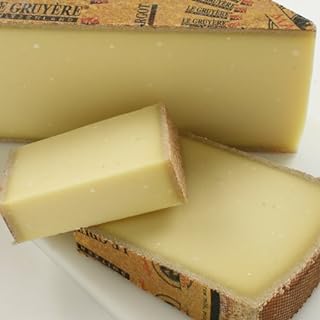


![Swiss Cheese , all-natural Swiss cheese is imported from Finland and aged for over 100 days. , Lactose-free , Contains Cultured Pasteurized Part Skim Milk, Salt and Enzymes . Flavor : Rich, nutty, and robust with a distinctly spicy flavor. [ 32 oz , 2 lb ]](https://m.media-amazon.com/images/I/51xbCNq9HOL._AC_UL320_.jpg)
What You'll Learn
- Nutritional Benefits: Swiss cheese is rich in protein, calcium, and vitamins A, B12, and riboflavin
- Fat Content: It contains saturated fats, which should be consumed in moderation as part of a balanced diet
- Sodium Levels: Swiss cheese can be high in sodium, so it's important to monitor intake, especially for those with hypertension
- Probiotics: The fermentation process used to make Swiss cheese introduces beneficial bacteria, supporting gut health
- Calorie Count: While nutritious, Swiss cheese is calorie-dense, so portion control is key for weight management

Nutritional Benefits: Swiss cheese is rich in protein, calcium, and vitamins A, B12, and riboflavin
Swiss cheese is a nutritional powerhouse, offering a variety of essential nutrients that contribute to overall health. One of the key benefits of Swiss cheese is its high protein content. Protein is crucial for building and repairing tissues, and it also plays a role in hormone and enzyme production. A single serving of Swiss cheese can provide a significant portion of the recommended daily protein intake, making it an excellent choice for those looking to boost their protein consumption.
In addition to protein, Swiss cheese is also rich in calcium. Calcium is essential for strong bones and teeth, and it also plays a role in muscle function and nerve transmission. Consuming adequate amounts of calcium can help prevent osteoporosis and other bone-related conditions. Swiss cheese is particularly high in calcium compared to other types of cheese, making it a great option for those looking to increase their calcium intake.
Swiss cheese is also a good source of several important vitamins. Vitamin A is essential for healthy vision, immune function, and skin health. Vitamin B12 is crucial for red blood cell formation and nerve function, and it also plays a role in DNA synthesis. Riboflavin, also known as vitamin B2, is important for energy production and cellular function. Consuming Swiss cheese can help ensure that you are getting enough of these essential vitamins to support your overall health.
When incorporating Swiss cheese into your diet, it's important to consider portion sizes. While Swiss cheese is nutritious, it is also high in calories and fat. A serving size of about 1 ounce (28 grams) is a good starting point. You can also look for lower-fat varieties of Swiss cheese if you are concerned about your fat intake.
In conclusion, Swiss cheese is a healthy addition to a balanced diet when consumed in moderation. Its high protein, calcium, and vitamin content make it a nutritious choice that can support various aspects of health. By being mindful of portion sizes and opting for lower-fat varieties when necessary, you can enjoy the nutritional benefits of Swiss cheese while maintaining a healthy diet.
Exploring the Nutritional Benefits of Cooper Cheese: A Healthy Choice?
You may want to see also
Explore related products




Fat Content: It contains saturated fats, which should be consumed in moderation as part of a balanced diet
Swiss cheese, known for its distinctive holes and rich flavor, is a dairy product that contains saturated fats. These fats are a type of dietary fat that should be consumed in moderation as part of a balanced diet. Saturated fats are typically solid at room temperature and are found in many animal products, including cheese, butter, and meat. While some saturated fats are necessary for health, excessive intake can lead to increased levels of LDL (low-density lipoprotein) cholesterol, which is associated with a higher risk of heart disease.
The fat content in Swiss cheese can vary depending on the type and how it is produced. For example, full-fat Swiss cheese contains more saturated fats than reduced-fat or skim-milk varieties. It's important to check the nutrition label to understand the fat content of the specific Swiss cheese you are consuming. The American Heart Association recommends that saturated fats should make up no more than 5-6% of your total daily caloric intake. For someone on a 2,000 calorie diet, this would translate to about 11-13 grams of saturated fats per day.
To put this into perspective, a 1-ounce serving of full-fat Swiss cheese contains approximately 8 grams of saturated fats. This means that consuming just one serving of full-fat Swiss cheese would account for a significant portion of the recommended daily limit of saturated fats. However, it's important to note that Swiss cheese also provides other nutrients, such as protein, calcium, and vitamins, which are beneficial for health.
If you are looking to reduce your saturated fat intake while still enjoying Swiss cheese, there are several strategies you can employ. One option is to choose reduced-fat or skim-milk Swiss cheese, which contains less saturated fats than full-fat varieties. Another strategy is to consume Swiss cheese in moderation, limiting your portion sizes to avoid excessive intake of saturated fats. Additionally, you can balance your diet by incorporating more plant-based foods, such as fruits, vegetables, whole grains, and nuts, which are low in saturated fats and can help offset the intake from animal products like Swiss cheese.
In conclusion, while Swiss cheese does contain saturated fats that should be consumed in moderation, it can still be part of a healthy diet when eaten in appropriate amounts and balanced with other nutritious foods. By being mindful of portion sizes and choosing reduced-fat options when available, you can enjoy the taste and nutritional benefits of Swiss cheese while maintaining a balanced intake of saturated fats.
Unveiling the Nutritional Truth: Are Cheese Balls a Healthy Snack?
You may want to see also
Explore related products



Sodium Levels: Swiss cheese can be high in sodium, so it's important to monitor intake, especially for those with hypertension
Swiss cheese, renowned for its distinctive holes and rich flavor, is a dairy product that can be a significant source of sodium. This is particularly noteworthy for individuals who are monitoring their sodium intake due to health conditions such as hypertension. Sodium is an essential mineral for the body, playing a crucial role in maintaining fluid balance and nerve function. However, excessive sodium consumption can lead to high blood pressure, which is a major risk factor for cardiovascular diseases.
For those with hypertension, it is generally recommended to limit sodium intake to less than 2,300 milligrams per day, and ideally no more than 1,500 milligrams per day if possible. A single serving of Swiss cheese can contain anywhere from 50 to 100 milligrams of sodium, depending on the type and brand. While this may not seem excessive, it can contribute to the overall sodium load when combined with other high-sodium foods commonly consumed throughout the day.
To effectively monitor sodium intake while enjoying Swiss cheese, individuals can adopt several strategies. Firstly, they can opt for lower-sodium varieties of Swiss cheese or choose smaller portion sizes. Secondly, they can balance their diet by incorporating more potassium-rich foods, such as fruits, vegetables, and whole grains, which can help counteract the effects of sodium. Additionally, reading food labels and being mindful of hidden sources of sodium in processed foods can aid in maintaining a healthy sodium balance.
In conclusion, while Swiss cheese can be a high-sodium food, it does not necessarily need to be avoided by those with hypertension. By being mindful of portion sizes, choosing lower-sodium options, and balancing the diet with potassium-rich foods, individuals can enjoy Swiss cheese as part of a heart-healthy diet. It is always advisable to consult with a healthcare provider or a registered dietitian for personalized dietary recommendations based on individual health needs and conditions.
Nutritional Breakdown: Is a Bean and Cheese Burrito a Healthy Choice?
You may want to see also
Explore related products


Probiotics: The fermentation process used to make Swiss cheese introduces beneficial bacteria, supporting gut health
Swiss cheese is renowned for its distinctive holes and rich flavor, but it also boasts a lesser-known health benefit: probiotics. The fermentation process used to create Swiss cheese introduces beneficial bacteria that can support gut health. These probiotics are live microorganisms that, when administered in adequate amounts, confer a health benefit on the host. In the case of Swiss cheese, the probiotics are primarily derived from the bacterial cultures used during fermentation, which include species such as Lactobacillus and Bifidobacterium.
The fermentation process is crucial in determining the probiotic content of Swiss cheese. During this process, the bacterial cultures are added to the milk, where they ferment the lactose into lactic acid. This not only gives Swiss cheese its characteristic tangy flavor but also creates an environment that supports the growth and survival of the probiotic bacteria. The holes in Swiss cheese, formed by carbon dioxide gas released during fermentation, are a byproduct of this process.
Consuming Swiss cheese can be a delicious way to incorporate probiotics into your diet. Probiotics are known to support digestive health by maintaining a healthy balance of gut bacteria, which can help prevent digestive issues such as constipation and diarrhea. They also play a role in boosting the immune system and may even have mental health benefits, as there is a growing body of research suggesting a link between gut health and mood regulation.
When choosing Swiss cheese for its probiotic benefits, it's important to select a high-quality product. Look for cheeses that are made with traditional fermentation methods and contain live bacterial cultures. Some commercial cheeses may undergo pasteurization or other processes that can kill the beneficial bacteria, so it's best to opt for artisanal or organic varieties whenever possible. Additionally, while Swiss cheese can be a healthy addition to your diet, it's also important to consume it in moderation due to its high fat and calorie content.
In conclusion, Swiss cheese is not only a tasty and versatile food but also a source of probiotics that can support gut health. By understanding the fermentation process and choosing high-quality products, you can enjoy the health benefits of Swiss cheese while also savoring its unique flavor and texture.
Nutritional Spotlight: Is Kraft Macaroni and Cheese a Healthy Choice?
You may want to see also
Explore related products




Calorie Count: While nutritious, Swiss cheese is calorie-dense, so portion control is key for weight management
Swiss cheese, renowned for its distinct holes and rich flavor, is a nutritious addition to a balanced diet. However, its calorie density necessitates mindful portion control, especially for those managing their weight. A single ounce of Swiss cheese contains approximately 100 calories, which can quickly add up if not monitored.
To enjoy Swiss cheese while maintaining a healthy weight, it's essential to practice moderation. Consider incorporating it into meals as a flavor enhancer rather than a main component. For instance, adding a small slice to a sandwich or grating it over a salad can provide a satisfying taste without excessive calorie intake.
Another strategy is to pair Swiss cheese with nutrient-dense, low-calorie foods. This not only helps balance the meal but also promotes satiety, reducing the likelihood of overeating. For example, combining Swiss cheese with fresh fruits, vegetables, or whole grains can create a well-rounded snack or light meal.
It's also important to be aware of serving sizes. The recommended daily intake of cheese for adults is about 1.5 to 2 ounces. Exceeding this amount can lead to an increased calorie intake, potentially hindering weight management efforts. Using a food scale or measuring cups can help ensure accurate portion sizes.
In conclusion, while Swiss cheese can be a healthy choice due to its nutritional benefits, its high calorie content requires careful management. By practicing portion control and incorporating it thoughtfully into meals, individuals can enjoy Swiss cheese as part of a balanced, weight-conscious diet.
Exploring the Nutritional Benefits of Pimento Cheese
You may want to see also
Frequently asked questions
Yes, Swiss cheese is an excellent source of protein. A single serving of Swiss cheese can provide a significant amount of protein, which is essential for muscle growth and repair.
Swiss cheese does contain fat, but the amount varies depending on the type. Generally, it is considered a moderate-fat cheese. It's important to consume it in moderation as part of a balanced diet.
Swiss cheese offers several health benefits. It is rich in calcium, which is vital for strong bones and teeth. It also contains probiotics that can aid in digestion and support gut health. Additionally, the protein in Swiss cheese can help you feel full and satisfied, potentially aiding in weight management.
While Swiss cheese can be a healthy addition to your diet, there are some drawbacks to consider. It is relatively high in calories and saturated fat, which can contribute to weight gain and increased cholesterol levels if consumed excessively. Additionally, some people may be lactose intolerant or have allergies to dairy products, making Swiss cheese unsuitable for them.




![Goodles Shella Good Aged White Cheddar and Shells Pasta - Nutrient Packed with Real Cheese, Fiber, Protein, Prebiotics, Plants, & Vegetables | Non-GMO, Organic Ingredients [Shella Good, 6 oz. 1 Pack]](https://m.media-amazon.com/images/I/71VMu-NnBHL._AC_UL320_.jpg)