Andy Montoya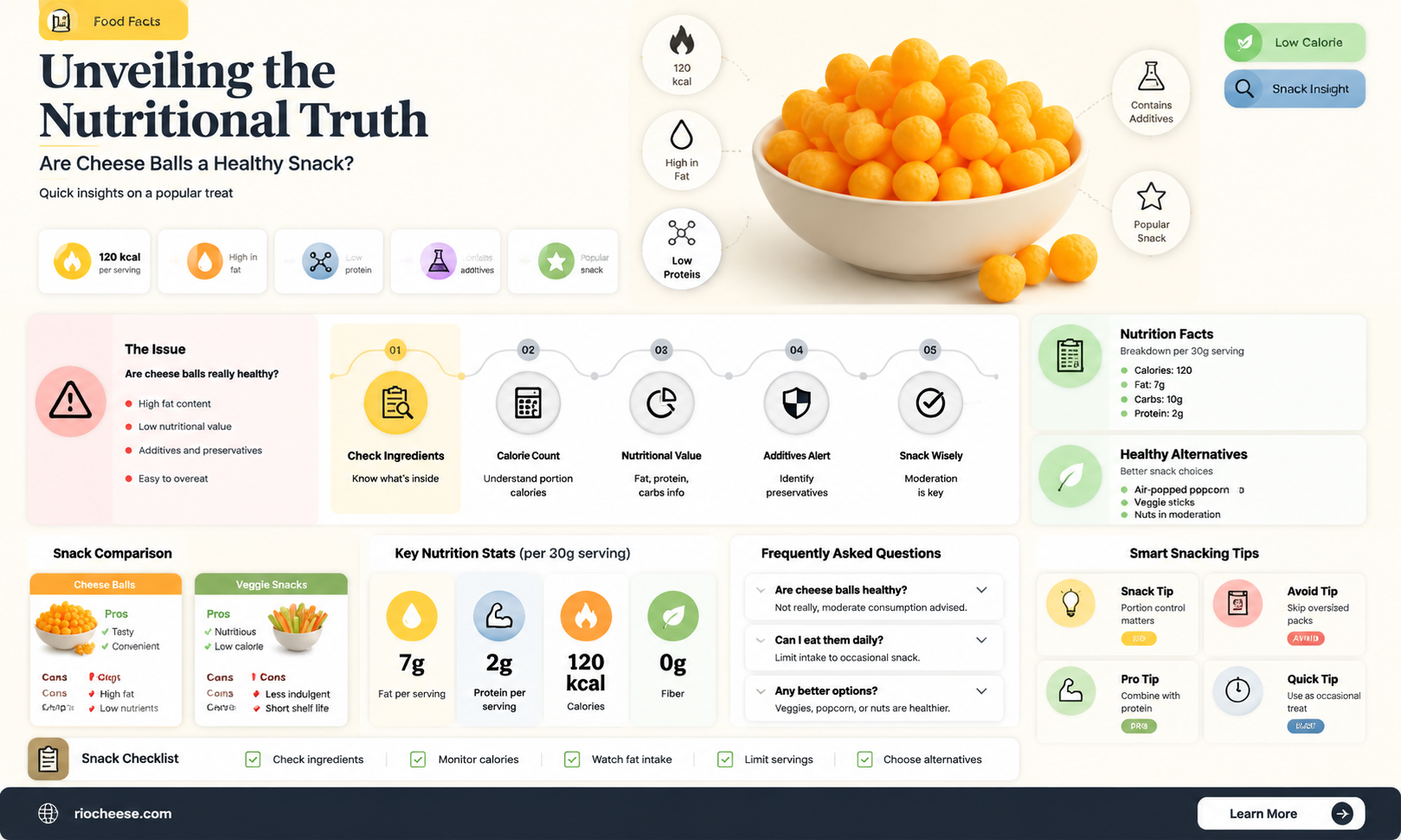
Cheese balls, those delightful bite-sized snacks often enjoyed at parties or as a quick treat, have become a subject of nutritional scrutiny. While they are undeniably tasty, their health benefits are a topic of debate. Made primarily from cheese, which is high in protein and calcium, cheese balls also contain a significant amount of fat and sodium. Additionally, many commercially available cheese balls are processed and may contain artificial additives and preservatives. This combination of factors raises questions about their overall healthiness. In this discussion, we will delve into the nutritional profile of cheese balls, exploring both their potential benefits and drawbacks to help you make an informed decision about their place in your diet.
Explore related products



What You'll Learn
- Nutritional Content: Cheese balls are high in calories, fat, and sodium, but also provide some protein and calcium
- Ingredients: They often contain processed cheese, oils, and preservatives, which may not be ideal for a balanced diet
- Portion Control: Enjoying cheese balls in moderation can be part of a healthy diet, but overconsumption can lead to weight gain
- Health Benefits: Cheese balls can be a good source of calcium for bone health, but their high sodium content may be a concern for heart health
- Alternatives: For a healthier snack option, consider baked cheese balls or those made with whole-grain breadcrumbs and lower-fat cheese

Nutritional Content: Cheese balls are high in calories, fat, and sodium, but also provide some protein and calcium
Cheese balls, those bite-sized, crunchy snacks, are a popular choice for many. However, when examining their nutritional content, it becomes clear that they are high in calories, fat, and sodium. A single serving of cheese balls can contain upwards of 150 calories, with a significant portion of those calories coming from fat. Additionally, the sodium content in cheese balls is quite high, with some brands containing over 200 milligrams per serving.
Despite their high calorie, fat, and sodium content, cheese balls do offer some nutritional benefits. They are a good source of protein, with some brands providing up to 5 grams per serving. This protein content can help to keep you feeling full and satisfied, which may be beneficial for weight management. Cheese balls also contain calcium, which is essential for strong bones and teeth.
It's important to note that the nutritional content of cheese balls can vary significantly depending on the brand and type. Some cheese balls are made with whole grain flour, which can increase their fiber content. Others may be made with lower-fat cheese or contain additional nutrients like vitamins and minerals. When considering whether cheese balls are a healthy snack option, it's essential to look at the specific nutritional information for the product you're consuming.
In conclusion, while cheese balls are high in calories, fat, and sodium, they do provide some protein and calcium. To make them a healthier snack option, consider choosing brands that are lower in fat and sodium, and higher in fiber and other nutrients. Additionally, practicing portion control and enjoying cheese balls in moderation can help to balance their nutritional benefits with their potential drawbacks.
Exploring the Nutritional Benefits of Cooper Cheese: A Healthy Choice?
You may want to see also
Explore related products


Ingredients: They often contain processed cheese, oils, and preservatives, which may not be ideal for a balanced diet
Processed cheese, a common ingredient in cheese balls, undergoes significant manufacturing processes that alter its nutritional profile. Unlike natural cheese, which is made by coagulating milk and separating the curds, processed cheese often contains additives like emulsifiers, preservatives, and artificial flavorings. These additives can enhance shelf life and texture but may also contribute to higher levels of sodium and saturated fats, which are linked to health concerns when consumed in excess.
Oils used in cheese balls, particularly those high in saturated and trans fats, can raise LDL cholesterol levels, increasing the risk of heart disease. While some cheese balls may use healthier oils like olive or avocado oil, these are less common and often more expensive. Preservatives, such as sodium nitrate and artificial colors, are added to extend the product's shelf life and improve its appearance but have been associated with potential health risks, including allergic reactions and hyperactivity in children.
The combination of these ingredients can make cheese balls a less-than-ideal snack option, especially for those aiming to maintain a balanced diet. Consuming cheese balls in moderation is key, as they can contribute to an overall unhealthy diet if eaten frequently or in large quantities. It's important to consider the nutritional content of cheese balls in the context of one's entire diet and to balance them with healthier snack options like fruits, vegetables, and whole grains.
When evaluating the healthiness of cheese balls, it's also crucial to look at portion sizes and serving suggestions. Many cheese ball products come with dipping sauces or crackers that can add additional calories, sodium, and unhealthy fats. Being mindful of these extras and opting for healthier accompaniments, such as raw vegetables or whole-grain crackers, can help mitigate some of the negative health impacts of consuming cheese balls.
In conclusion, while cheese balls can be a tasty and convenient snack, their ingredients and nutritional content should be considered carefully. Processed cheese, oils, and preservatives can contribute to an unhealthy diet if not consumed in moderation. By being aware of these factors and making informed choices, individuals can enjoy cheese balls as an occasional treat without compromising their overall health goals.
Exploring the Nutritional Benefits of Liver Cheese: A Healthy Choice?
You may want to see also
Explore related products


Portion Control: Enjoying cheese balls in moderation can be part of a healthy diet, but overconsumption can lead to weight gain
Cheese balls, those bite-sized, cheesy snacks, can be a delicious addition to a balanced diet when consumed in moderation. However, it's crucial to be mindful of portion sizes, as overindulging in these savory treats can contribute to weight gain. The key to enjoying cheese balls healthily lies in understanding serving sizes and being aware of the nutritional content.
A typical serving of cheese balls is about 1 ounce (28 grams), which contains approximately 120-150 calories, depending on the brand and ingredients. While this may seem like a small amount, it's essential to consider the overall daily caloric intake and the nutritional value of the snack. Cheese balls are often high in saturated fats, sodium, and calories, which can add up quickly if not monitored.
To maintain a healthy balance, it's recommended to limit cheese ball consumption to 1-2 servings per day, ideally as part of a snack or appetizer rather than a main meal. Pairing cheese balls with healthier options, such as fresh vegetables or whole-grain crackers, can help increase the nutritional value of the snack and promote satiety.
It's also important to be aware of the ingredients in cheese balls, as some brands may contain artificial flavors, colors, or preservatives. Opting for cheese balls made with natural ingredients and real cheese can help reduce the intake of unnecessary additives.
In conclusion, enjoying cheese balls in moderation can be a part of a healthy diet, but it's crucial to be mindful of portion sizes, nutritional content, and ingredients. By practicing portion control and making informed choices, cheese balls can be a tasty and satisfying snack without contributing to weight gain.
Exploring Pimento Cheese: A Tasty Aid in Your Weight Loss Journey?
You may want to see also
Explore related products



Health Benefits: Cheese balls can be a good source of calcium for bone health, but their high sodium content may be a concern for heart health
Cheese balls, a popular snack, offer some health benefits but also come with potential concerns. One of the primary benefits is their calcium content. Calcium is essential for maintaining strong bones and teeth, and cheese balls can provide a significant amount of this mineral. For individuals looking to boost their calcium intake, cheese balls can be a tasty and convenient option.
However, the high sodium content in cheese balls is a notable concern. Excessive sodium intake is linked to an increased risk of heart disease, high blood pressure, and stroke. Cheese balls are often high in sodium due to the salt added during processing and the natural salt content in cheese. This makes them a less ideal choice for those monitoring their sodium intake or managing heart health conditions.
To balance the benefits and risks, it's important to consume cheese balls in moderation. They can be part of a healthy diet when eaten occasionally and in small portions. Pairing cheese balls with healthier options, such as fresh vegetables or whole-grain crackers, can also help mitigate their negative effects.
In summary, while cheese balls can contribute to bone health due to their calcium content, their high sodium levels make them a potential risk for heart health. Moderation and mindful pairing with other foods are key to enjoying cheese balls as part of a balanced diet.
Exploring the Nutritional Benefits of Babybel Cheeses: A Healthy Choice?
You may want to see also
Explore related products



Alternatives: For a healthier snack option, consider baked cheese balls or those made with whole-grain breadcrumbs and lower-fat cheese
For those seeking a healthier twist on the classic cheese ball, baked alternatives offer a delicious and nutritious option. Unlike their fried counterparts, baked cheese balls retain the savory flavor while significantly reducing the fat content. This method of preparation is particularly beneficial for individuals monitoring their calorie intake or those with dietary restrictions.
Another innovative approach to making cheese balls healthier involves using whole-grain breadcrumbs. Whole grains are rich in fiber, vitamins, and minerals, making them an excellent choice for enhancing the nutritional profile of cheese balls. By substituting traditional breadcrumbs with whole-grain varieties, you can increase the snack's fiber content, which aids in digestion and helps maintain a feeling of fullness.
In addition to using whole-grain breadcrumbs, opting for lower-fat cheese can further improve the healthiness of cheese balls. Cheeses like part-skim mozzarella, reduced-fat cheddar, or feta are excellent choices that provide the desired flavor without the excess saturated fat. This simple substitution can significantly lower the overall calorie and fat content of the snack, making it a more heart-healthy option.
When preparing cheese balls at home, it's essential to consider portion sizes. Even with healthier ingredients, overconsumption can lead to an imbalance in one's diet. Serving cheese balls in moderation, perhaps as part of a balanced snack platter with fruits and vegetables, can help maintain a healthy eating pattern.
In conclusion, by choosing baked preparation methods, whole-grain breadcrumbs, and lower-fat cheeses, cheese balls can be transformed into a healthier snack option. These simple modifications allow individuals to enjoy the beloved taste of cheese balls while reaping the benefits of a more nutritious treat.
Exploring the Nutritional Benefits of Laughing Cow Cheese
You may want to see also
Frequently asked questions
Cheese balls can be a part of a balanced diet in moderation, but they are often high in calories, fat, and sodium, which can contribute to health issues if consumed excessively.
Cheese balls are a good source of protein and calcium, which are essential for muscle and bone health. They also contain some vitamins, such as vitamin A and B12.
Yes, there are healthier alternatives available, such as cheese balls made from low-fat or reduced-fat cheese, or those that are baked instead of fried. You can also make your own cheese balls at home using healthier ingredients.
To make cheese balls a healthier snack choice, you can pair them with fresh fruits or vegetables, limit your portion size, and choose lower-fat or baked options. Additionally, you can make your own cheese balls at home using healthier ingredients and cooking methods.