Bushra Griffith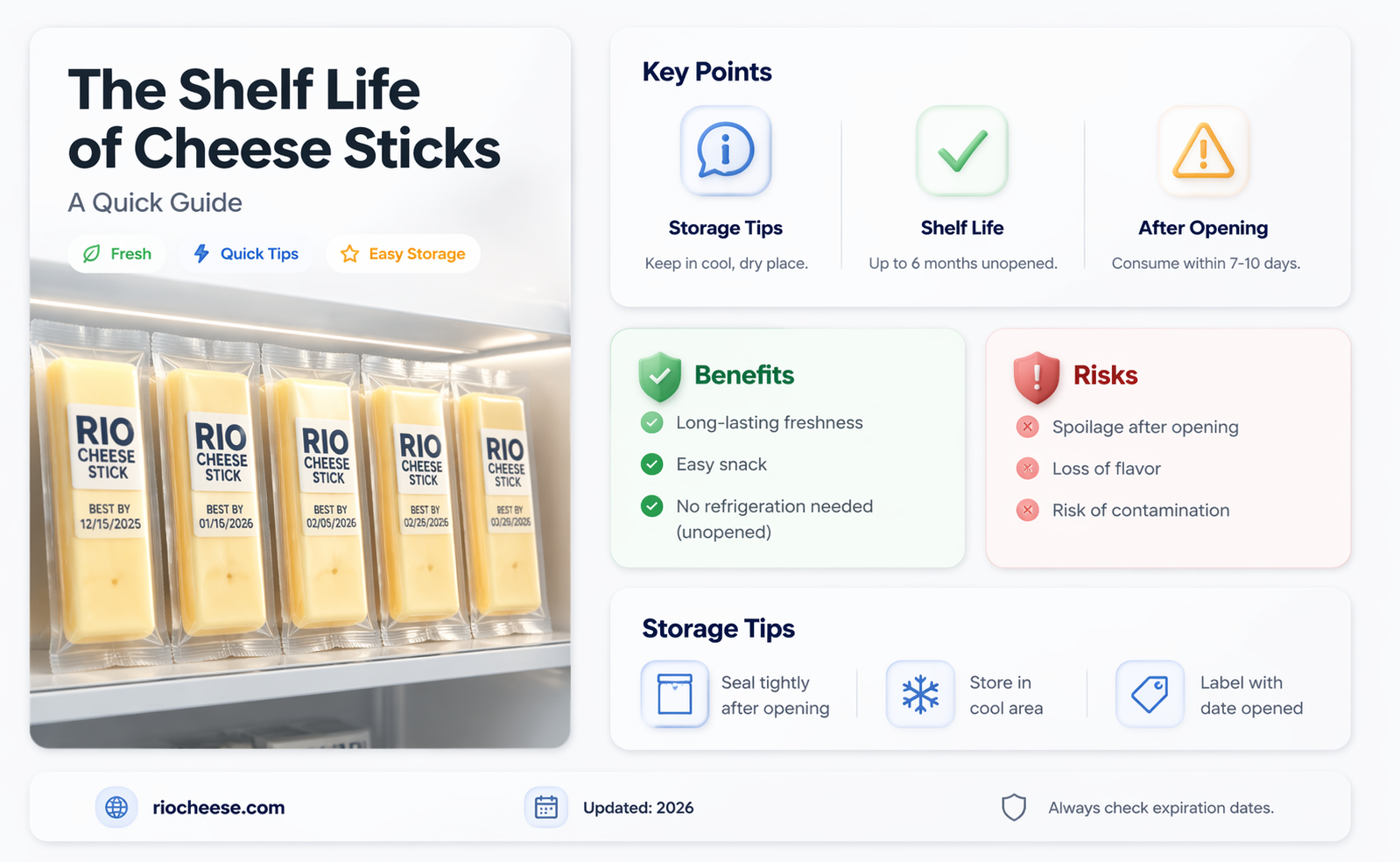
Cheese sticks, a popular snack among both children and adults, are known for their convenience and portability. But how long do these tasty treats last? The shelf life of cheese sticks can vary depending on several factors, including the type of cheese, packaging, and storage conditions. Typically, unopened cheese sticks can last anywhere from 2 to 6 months when stored properly in the refrigerator. Once opened, they should be consumed within a week to ensure optimal freshness and flavor. It's important to always check the expiration date on the packaging and follow proper food safety guidelines to enjoy cheese sticks at their best.
Explore related products


What You'll Learn
- Storage Conditions: Proper storage is crucial to extending the shelf life of cheese sticks
- Expiration Dates: Understanding the expiration dates on cheese stick packaging helps determine their freshness
- Freezing Cheese Sticks: Freezing can be an effective method to preserve cheese sticks for longer periods
- Opened vs. Unopened Packages: The longevity of cheese sticks differs between opened and unopened packages
- Signs of Spoilage: Recognizing signs of spoilage is essential to ensure the cheese sticks are safe to consume

Storage Conditions: Proper storage is crucial to extending the shelf life of cheese sticks
Cheese sticks, like many dairy products, are sensitive to temperature and humidity. The ideal storage temperature for cheese sticks is between 35°F and 40°F (1.6°C and 4.4°C). Storing them at temperatures higher than this can cause the cheese to melt, become soft, and potentially spoil. On the other hand, storing cheese sticks at temperatures lower than 35°F can cause the cheese to become too hard and lose its flavor.
Humidity also plays a crucial role in the storage of cheese sticks. The ideal humidity level for storing cheese sticks is between 60% and 70%. If the humidity is too low, the cheese sticks can dry out and become brittle. If the humidity is too high, it can cause the cheese to become moldy.
It's also important to store cheese sticks in an airtight container to prevent them from absorbing odors from other foods in the refrigerator. If you don't have an airtight container, you can use plastic wrap or aluminum foil to wrap the cheese sticks tightly.
Another factor to consider is the age of the cheese sticks. If you've had the cheese sticks for a while, it's best to store them in the coldest part of the refrigerator to slow down the aging process. However, if the cheese sticks are new, you can store them in a slightly warmer part of the refrigerator.
Finally, it's important to note that cheese sticks should not be stored in the freezer. Freezing cheese sticks can cause the cheese to become too hard and lose its flavor. If you need to store cheese sticks for an extended period, it's best to refrigerate them and consume them within a few weeks.
Maximizing Freshness: A Guide to Pepper Jack Cheese Storage
You may want to see also
Explore related products


Expiration Dates: Understanding the expiration dates on cheese stick packaging helps determine their freshness
Cheese sticks, like many perishable food items, come with expiration dates printed on their packaging. These dates serve as a crucial indicator of the product's freshness and safety for consumption. Understanding how to read and interpret these dates is essential for consumers to make informed decisions about the food they eat.
The expiration date on cheese stick packaging typically represents the last day the manufacturer guarantees the product's quality and safety. After this date, the cheese sticks may begin to spoil, develop off-flavors, or become a breeding ground for harmful bacteria. It's important to note that expiration dates are not the same as "best by" or "sell by" dates, which are often used for non-perishable items and indicate the product's peak quality or the date by which it should be sold, respectively.
When examining the expiration date on cheese stick packaging, consumers should look for a clearly printed date in a standardized format, such as "MM/DD/YYYY" or "YYYY-MM-DD." This date should be prominently displayed on the packaging, often near the nutritional information or ingredients list. If the date is ambiguous or difficult to read, it's best to err on the side of caution and discard the product.
In addition to checking the expiration date, consumers should also pay attention to the storage conditions recommended by the manufacturer. Cheese sticks typically require refrigeration to maintain their freshness and prevent spoilage. Storing them at the proper temperature and consuming them within the recommended timeframe can help ensure their quality and safety.
By understanding and adhering to the expiration dates on cheese stick packaging, consumers can make more informed decisions about the food they eat and reduce the risk of consuming spoiled or unsafe products. This knowledge is particularly important for individuals with weakened immune systems, pregnant women, and young children, who may be more susceptible to foodborne illnesses.
The Shelf Life of Asiago Cheese: A Comprehensive Guide
You may want to see also
Explore related products


Freezing Cheese Sticks: Freezing can be an effective method to preserve cheese sticks for longer periods
Freezing cheese sticks is a practical approach to extending their shelf life, especially when you have a surplus or want to prepare for future use. To freeze cheese sticks effectively, it's crucial to follow a specific process to maintain their quality and texture. First, ensure the cheese sticks are individually wrapped or separated to prevent them from sticking together. This can be done using plastic wrap, aluminum foil, or freezer-safe bags. Next, place the wrapped cheese sticks in a single layer on a baking sheet and freeze them for about an hour. This initial freezing step helps to solidify the cheese sticks quickly, preserving their shape and preventing ice crystals from forming.
After the initial freeze, transfer the cheese sticks to an airtight container or a resealable freezer bag. Label the container with the date, as frozen cheese sticks can last up to six months. When you're ready to use the frozen cheese sticks, simply thaw them in the refrigerator overnight or at room temperature for a couple of hours. It's important to note that while freezing can preserve the cheese sticks for a longer period, their texture might change slightly upon thawing. They may become a bit softer or less crispy compared to their fresh counterparts.
One common mistake to avoid when freezing cheese sticks is not wrapping them properly before the initial freeze. This can lead to the cheese sticks sticking together or absorbing odors from other foods in the freezer. Additionally, it's essential to consume the frozen cheese sticks within the recommended timeframe to ensure they remain safe to eat and retain their quality.
In summary, freezing cheese sticks can be an effective method to preserve them for longer periods, provided you follow the proper steps. By individually wrapping the cheese sticks, freezing them quickly, and storing them in an airtight container, you can enjoy them for up to six months. Just remember to thaw them properly before consumption and be aware of potential texture changes.
Savoring Pecorino Romano: A Guide to Its Shelf Life and Storage Tips
You may want to see also
Explore related products


Opened vs. Unopened Packages: The longevity of cheese sticks differs between opened and unopened packages
The longevity of cheese sticks is significantly influenced by whether the package has been opened or remains sealed. Unopened packages of cheese sticks typically have a longer shelf life due to the protective barrier that prevents exposure to air, moisture, and contaminants. Manufacturers often indicate a "best by" date on the packaging, which can give consumers an idea of how long the cheese sticks will maintain their quality when stored properly.
Once a package of cheese sticks is opened, the shelf life decreases dramatically. Exposure to air can lead to oxidation, which affects the flavor and texture of the cheese. Additionally, the risk of bacterial growth increases once the package is opened, especially if the cheese sticks are not stored at the correct temperature. It is generally recommended to consume opened cheese sticks within a few days to a week, depending on the specific product and storage conditions.
To maximize the longevity of cheese sticks after opening, it is important to store them in an airtight container in the refrigerator. Some consumers also opt to freeze cheese sticks to extend their shelf life further. However, freezing can alter the texture of the cheese, so it is a matter of personal preference.
In summary, the key difference in the longevity of cheese sticks lies in the state of the packaging. Unopened packages have a longer shelf life and are less susceptible to quality degradation, while opened packages require more careful storage and consumption within a shorter timeframe to ensure safety and quality.
Maximizing Shelf Life: The Longevity of High-Temperature Cheese
You may want to see also
Explore related products


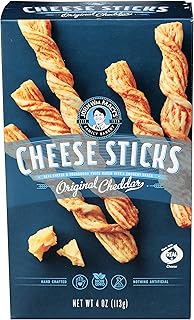

Signs of Spoilage: Recognizing signs of spoilage is essential to ensure the cheese sticks are safe to consume
Cheese sticks, like any dairy product, are susceptible to spoilage over time. Recognizing the signs of spoilage is crucial to ensure they are safe to consume. One of the first indicators is an off smell. Fresh cheese sticks should have a mild, slightly tangy aroma. If they emit a strong, unpleasant odor, it’s a sign that bacteria have started to grow, and the product is no longer safe to eat.
Another sign to look out for is discoloration. Cheese sticks should maintain a consistent color throughout. If you notice any green, black, or reddish spots, it’s a clear indication of mold growth. Mold can produce harmful mycotoxins, which can be dangerous if ingested. In addition to visual inspection, it’s important to check the texture. Fresh cheese sticks should be firm and smooth. If they feel slimy or sticky, it’s a sign that they have started to spoil.
It’s also essential to pay attention to the expiration date. While cheese sticks may still look and smell fine shortly after this date, the risk of spoilage increases significantly. It’s always best to err on the side of caution and discard any cheese sticks that are past their expiration date.
Proper storage can help extend the shelf life of cheese sticks and prevent spoilage. They should be stored in the refrigerator at a temperature of 40°F (4°C) or below. It’s also important to keep them in a sealed container or plastic wrap to prevent exposure to air and moisture, which can accelerate the spoilage process.
In summary, recognizing the signs of spoilage in cheese sticks is essential to ensure they are safe to consume. By paying attention to the smell, color, texture, and expiration date, and by storing them properly, you can help prevent spoilage and enjoy your cheese sticks for a longer period.
The Shelf Life of Cheese Sauce: A Refrigeration Guide
You may want to see also
Frequently asked questions
When stored in the refrigerator, cheese sticks typically last for 3 to 4 weeks. It's important to keep them in an airtight container or wrap them tightly in plastic wrap to prevent drying out and to maintain their freshness.
Yes, cheese sticks can be frozen. They can be stored in the freezer for up to 6 months. To freeze, place them in a single layer on a baking sheet, freeze until solid, then transfer to a freezer-safe bag or container. When ready to use, allow them to thaw in the refrigerator overnight.
The best way to store cheese sticks to ensure they last longer is to keep them refrigerated in an airtight container or tightly wrapped in plastic wrap. This helps to prevent air from reaching the cheese, which can cause it to dry out and spoil more quickly.
Cheese sticks that have gone bad may exhibit several signs. They might have an off or unpleasant odor, a slimy or moldy appearance, or a change in color. If the cheese sticks show any of these signs, it's best to discard them to avoid potential foodborne illness.