Bushra Griffith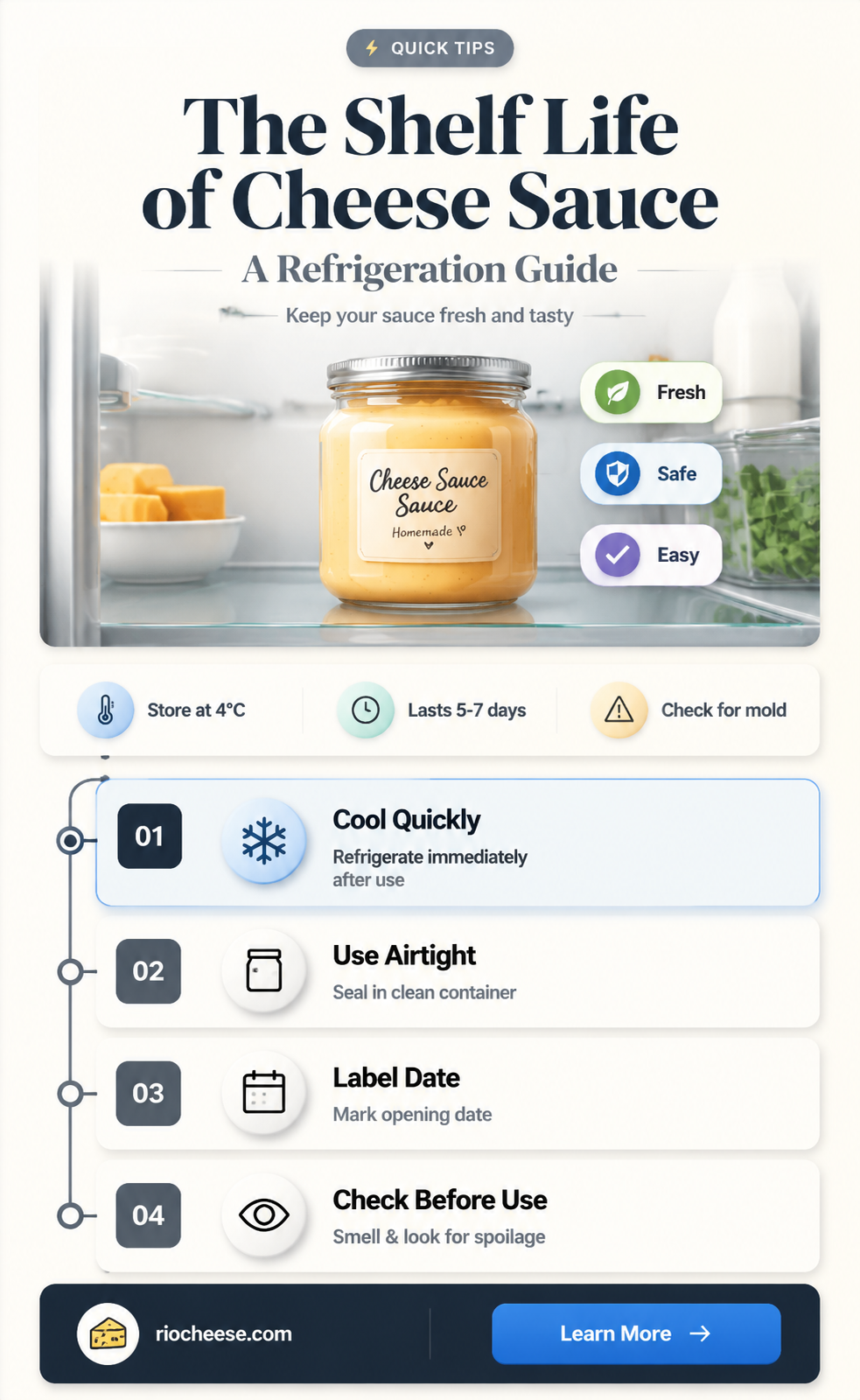
Cheese sauce, a popular condiment used in various dishes, has a specific shelf life when stored in the refrigerator. Understanding how long cheese sauce lasts in the fridge is crucial for food safety and quality. Generally, homemade cheese sauce can last for about 3 to 5 days when properly stored in an airtight container. Store-bought cheese sauce may have a longer shelf life, typically ranging from 1 to 2 weeks, depending on the preservatives used. It's important to check the expiration date on the packaging and to look for signs of spoilage such as mold, off odors, or discoloration before consuming. Proper storage conditions, including maintaining a consistent refrigerator temperature below 40°F (4°C), can help extend the shelf life of cheese sauce.
Explore related products




What You'll Learn
- Storage Conditions: Proper storage in airtight containers or covered with plastic wrap to prevent contamination
- Cheese Type: Different cheeses have varying shelf lives; softer cheeses spoil faster than harder varieties
- Sauce Preparation: Homemade vs. store-bought cheese sauce; homemade may last longer due to fewer preservatives
- Temperature Management: Consistent refrigeration at 40°F (4°C) or below to slow bacterial growth
- Signs of Spoilage: How to identify when cheese sauce has gone bad, such as mold, odor, or discoloration

Storage Conditions: Proper storage in airtight containers or covered with plastic wrap to prevent contamination
Proper storage is crucial for maintaining the quality and safety of cheese sauce. When stored in airtight containers, cheese sauce is protected from external contaminants such as bacteria, mold, and other microorganisms that can cause spoilage. Airtight containers also help to prevent the absorption of odors from other foods in the refrigerator, which can affect the flavor of the cheese sauce.
In addition to using airtight containers, covering cheese sauce with plastic wrap can provide an extra layer of protection against contamination. This method is particularly useful when storing cheese sauce in a container that is not completely airtight. The plastic wrap should be placed directly on the surface of the cheese sauce to create a barrier between the sauce and the air.
It is important to note that cheese sauce should be stored in the refrigerator at a temperature of 40°F (4°C) or below. This temperature range helps to slow down the growth of bacteria and other microorganisms, thereby extending the shelf life of the cheese sauce. When stored properly, cheese sauce can last for up to 5-7 days in the refrigerator.
Improper storage conditions can lead to a variety of problems, including the growth of harmful bacteria such as Salmonella and Listeria. These bacteria can cause foodborne illnesses, which can be particularly dangerous for individuals with weakened immune systems, such as the elderly, young children, and pregnant women. Therefore, it is essential to follow proper storage guidelines to ensure the safety and quality of cheese sauce.
In summary, proper storage conditions for cheese sauce include using airtight containers or covering the sauce with plastic wrap to prevent contamination, storing the sauce in the refrigerator at a temperature of 40°F (4°C) or below, and consuming the sauce within 5-7 days. By following these guidelines, individuals can help to ensure the safety and quality of their cheese sauce, thereby reducing the risk of foodborne illnesses.
Mastering the Art of Cold Smoking Cheese: A Time-Honored Guide
You may want to see also
Explore related products


Cheese Type: Different cheeses have varying shelf lives; softer cheeses spoil faster than harder varieties
The shelf life of cheese is a critical factor to consider when determining how long cheese sauce will last in the fridge. Different types of cheese have varying shelf lives, with softer cheeses generally spoiling faster than harder varieties. This is because softer cheeses, such as Brie or Camembert, have a higher moisture content, which makes them more susceptible to bacterial growth and mold. In contrast, harder cheeses like Cheddar or Parmesan have a lower moisture content and are more resistant to spoilage.
When making cheese sauce, it's essential to consider the type of cheese you're using and its shelf life. If you're using a softer cheese, your cheese sauce will likely have a shorter shelf life and should be consumed within a few days. On the other hand, if you're using a harder cheese, your cheese sauce may last longer in the fridge, typically up to a week or more.
To extend the shelf life of your cheese sauce, it's important to store it properly. Always store cheese sauce in an airtight container in the refrigerator, and avoid cross-contamination by using a clean utensil to serve it. Additionally, you can add a small amount of lemon juice or vinegar to your cheese sauce, which can help to inhibit bacterial growth and extend its shelf life.
It's also worth noting that the shelf life of cheese sauce can be affected by other factors, such as the temperature of your refrigerator and the presence of other foods with strong odors. To ensure the best quality and safety, always check your cheese sauce for signs of spoilage before consuming it, such as an off smell, discoloration, or mold growth.
In summary, the type of cheese used in your cheese sauce plays a significant role in determining its shelf life. Softer cheeses will generally spoil faster than harder cheeses, so it's important to choose your cheese wisely and store your cheese sauce properly to maximize its freshness and safety.
The Shelf Life of Havarti Cheese: A Comprehensive Guide
You may want to see also
Explore related products


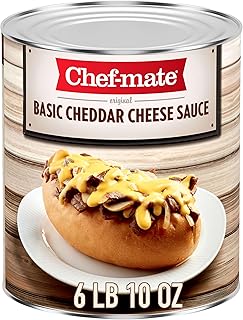
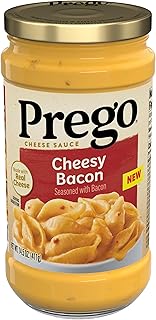


Sauce Preparation: Homemade vs. store-bought cheese sauce; homemade may last longer due to fewer preservatives
Homemade cheese sauce often lasts longer in the fridge compared to its store-bought counterpart due to the absence of many preservatives found in commercial products. Preservatives like sodium benzoate, potassium sorbate, and artificial colors are commonly added to store-bought cheese sauces to extend their shelf life and maintain their appearance. However, these additives can also contribute to a shorter overall lifespan once opened, as they may break down or become less effective over time.
When preparing cheese sauce at home, you have the advantage of using fresh ingredients and controlling the amount of preservatives, if any, that are added. By using high-quality, fresh cheese and avoiding unnecessary additives, you can create a cheese sauce that not only tastes better but also lasts longer in the fridge. Homemade cheese sauce can typically be stored in an airtight container for up to two weeks, while store-bought cheese sauce may only last for one week after opening.
Another factor that contributes to the longer shelf life of homemade cheese sauce is the ability to customize the recipe to your specific needs. For example, if you know you won't be using the cheese sauce immediately, you can add a small amount of lemon juice or vinegar to the mixture, which will help to prevent spoilage and extend its shelf life. Additionally, homemade cheese sauce can be easily adjusted to accommodate dietary restrictions or preferences, such as using gluten-free flour or vegan cheese alternatives.
In conclusion, homemade cheese sauce may last longer in the fridge due to fewer preservatives and the ability to customize the recipe to your specific needs. By using fresh ingredients and avoiding unnecessary additives, you can create a cheese sauce that not only tastes better but also has a longer shelf life.
The Shelf Life of Manchego Cheese: A Comprehensive Guide
You may want to see also
Explore related products


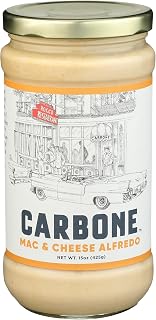

Temperature Management: Consistent refrigeration at 40°F (4°C) or below to slow bacterial growth
Maintaining a consistent refrigeration temperature of 40°F (4°C) or below is crucial for slowing bacterial growth in cheese sauce. Bacteria thrive in the "danger zone" between 40°F and 140°F (4°C and 60°C), where they can multiply rapidly. By keeping the cheese sauce at a temperature below this range, you significantly reduce the risk of bacterial contamination and spoilage.
To ensure consistent refrigeration, it's important to store the cheese sauce in the coldest part of the refrigerator, typically the bottom shelf. Avoid storing it in the door compartments, as these areas are subject to more temperature fluctuations due to frequent opening and closing. Additionally, make sure the refrigerator is properly sealed to maintain a consistent internal temperature. Regularly checking the temperature with a refrigerator thermometer can help ensure that the cheese sauce is being stored at the optimal temperature.
In terms of storage duration, cheese sauce can generally be refrigerated for 3 to 5 days. However, this timeframe can vary depending on the specific ingredients used and the method of preparation. If the cheese sauce contains additional ingredients like vegetables or meats, it may need to be consumed more quickly to prevent spoilage. Always use your best judgment and check for any signs of spoilage, such as an off odor or mold growth, before consuming refrigerated cheese sauce.
When reheating cheese sauce, it's important to do so thoroughly to kill any bacteria that may have grown during storage. The sauce should be heated to an internal temperature of 165°F (74°C) to ensure food safety. Use a food thermometer to check the temperature, and avoid reheating the sauce more than once to prevent the growth of bacteria.
In summary, consistent refrigeration at 40°F (4°C) or below is key to slowing bacterial growth in cheese sauce. Proper storage techniques, regular temperature checks, and thorough reheating can help ensure the safety and quality of refrigerated cheese sauce.
The Shelf Life of Asiago Cheese: A Comprehensive Guide
You may want to see also
Explore related products


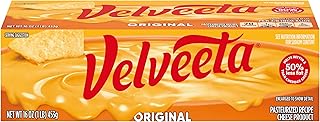


Signs of Spoilage: How to identify when cheese sauce has gone bad, such as mold, odor, or discoloration
Cheese sauce, like many dairy products, is susceptible to spoilage if not stored properly. One of the most obvious signs that your cheese sauce has gone bad is the presence of mold. Mold can appear as small, fuzzy spots or patches on the surface of the sauce, and it can range in color from white to green to black. If you notice any mold, it's crucial to discard the sauce immediately, as consuming moldy food can lead to foodborne illnesses.
Another indicator of spoilage is an off odor. Fresh cheese sauce should have a mild, creamy smell, but if it starts to emit a sour, pungent, or ammonia-like odor, it's likely that bacteria have begun to grow and break down the sauce. This bacterial growth can occur when the sauce is left at room temperature for too long or if it's not refrigerated promptly after opening.
Discoloration is another sign to watch for. If your cheese sauce starts to change color, turning from its original creamy hue to a darker or more yellowish shade, it may be a sign that the sauce is oxidizing or that bacteria are present. This discoloration can occur when the sauce is exposed to air or light for extended periods, or when it's stored in a container that isn't airtight.
To prevent spoilage, it's essential to store cheese sauce in an airtight container in the refrigerator at a temperature of 40°F (4°C) or below. If you're unsure whether your cheese sauce is still good, it's always better to err on the side of caution and discard it. Remember, when in doubt, throw it out!
Provolone Cheese Storage: How Long Does It Last in the Fridge?
You may want to see also
Frequently asked questions
Homemade cheese sauce typically lasts for about 3 to 5 days when stored properly in an airtight container in the refrigerator.
Yes, you can freeze cheese sauce. It can be stored in the freezer for up to 3 months. Thaw it in the refrigerator overnight before using.
Signs that cheese sauce has gone bad include an off smell, discoloration, mold growth, or an unpleasant taste. If you notice any of these, it's best to discard the sauce.