Patrick Oconnell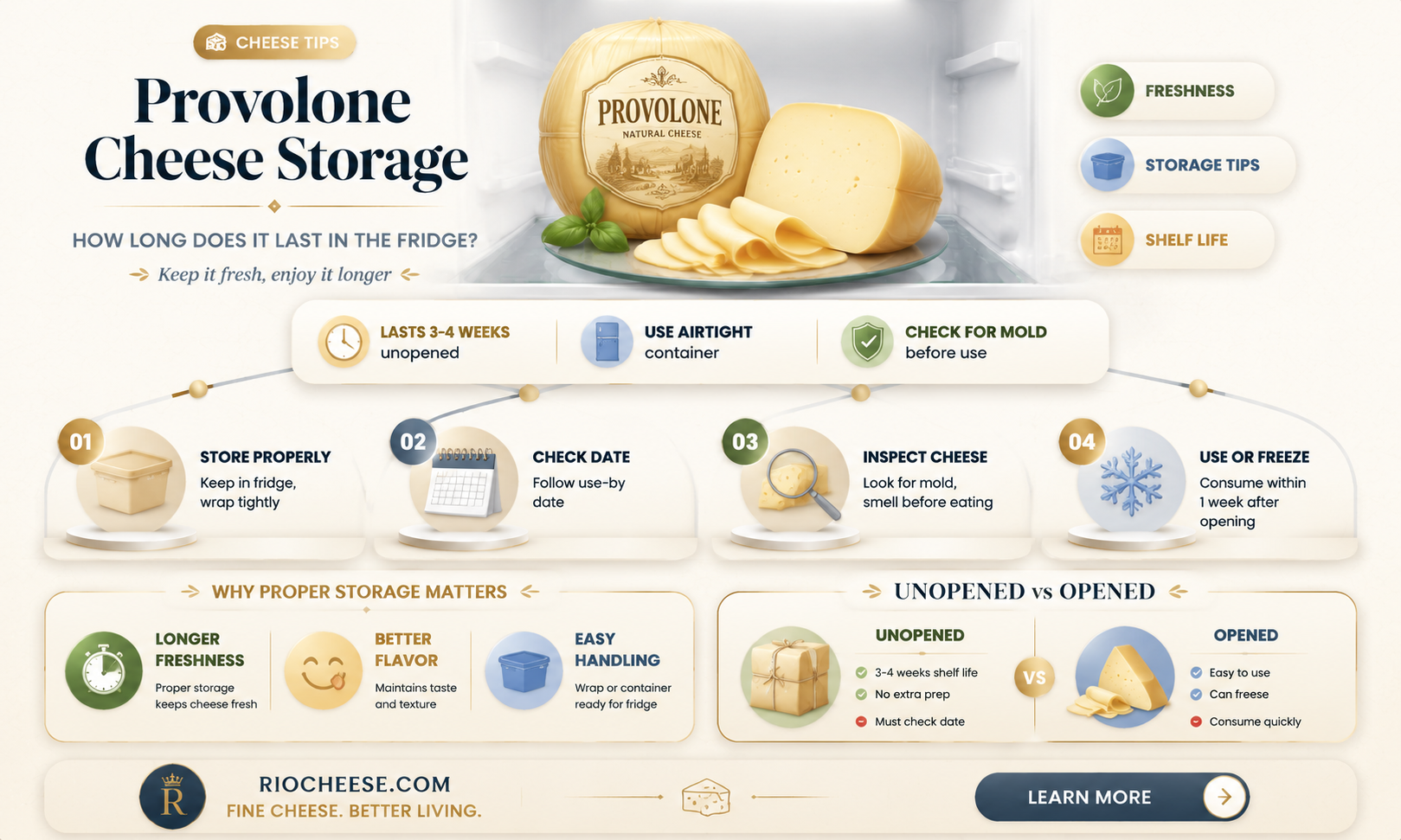
Provolone cheese, a popular Italian variety known for its mild flavor and smooth texture, is a staple in many households. When it comes to storage, understanding how long provolone cheese lasts in the fridge is essential to ensure its quality and safety for consumption. Properly stored, provolone cheese can maintain its freshness and flavor for an extended period, making it a convenient choice for various culinary applications.
Explore related products


What You'll Learn
- Storage Conditions: Proper storage in the fridge, including temperature and packaging recommendations
- Expiration Dates: Understanding and interpreting expiration dates on provolone cheese packaging
- Signs of Spoilage: Identifying visual and olfactory signs that provolone cheese has gone bad
- Freezing Provolone: Guidelines for freezing provolone cheese to extend its shelf life
- Health Risks: Potential health risks associated with consuming spoiled or improperly stored provolone cheese

Storage Conditions: Proper storage in the fridge, including temperature and packaging recommendations
Provolone cheese, like many dairy products, requires specific storage conditions to maintain its quality and extend its shelf life. The ideal temperature for storing provolone cheese in the fridge is between 35°F and 40°F (1.6°C and 4.4°C). This temperature range helps to slow down the growth of bacteria and mold, which can spoil the cheese. It's important to note that the temperature in your fridge may vary slightly depending on the model and settings, so it's a good idea to use a refrigerator thermometer to ensure accuracy.
In addition to temperature, proper packaging is crucial for storing provolone cheese. The cheese should be wrapped tightly in plastic wrap or aluminum foil to prevent air from reaching it, which can cause it to dry out and lose flavor. If you have a vacuum sealer, this can be an excellent tool for removing air and ensuring a tight seal. Alternatively, you can use a resealable plastic bag, pressing out as much air as possible before sealing.
For longer-term storage, you can also consider freezing provolone cheese. While the texture may change slightly upon thawing, the flavor will remain intact. To freeze, wrap the cheese tightly in plastic wrap followed by a layer of aluminum foil. This double wrapping helps to prevent freezer burn and maintain the cheese's quality. When you're ready to use the frozen cheese, thaw it in the fridge for a few hours or at room temperature for about 30 minutes.
It's also important to store provolone cheese away from strong-smelling foods, as it can absorb odors easily. Additionally, avoid storing it in the fridge door, as the temperature in this area can fluctuate more than in the main compartment. By following these storage guidelines, you can help ensure that your provolone cheese stays fresh and delicious for as long as possible.
Maximizing Freshness: A Guide to Pepper Jack Cheese Storage
You may want to see also
Explore related products


Expiration Dates: Understanding and interpreting expiration dates on provolone cheese packaging
Provolone cheese, like many dairy products, comes with an expiration date printed on its packaging. This date is crucial for consumers to understand how long the cheese will last in the fridge and when it's time to discard it. Expiration dates on provolone cheese are typically printed in a MM/DD/YY format, and they indicate the last day the cheese is guaranteed to be safe to eat.
When interpreting expiration dates on provolone cheese, it's important to note that the cheese may still be safe to eat for a short period after the expiration date, as long as it has been stored properly in the fridge. However, the quality and taste of the cheese may start to decline after the expiration date. It's also worth noting that expiration dates are different from "best by" dates, which indicate the date by which the cheese is expected to be at its peak quality.
To ensure the longevity of provolone cheese, it's essential to store it in the fridge at a temperature of 35°F to 40°F. The cheese should be wrapped tightly in plastic wrap or aluminum foil to prevent air from getting in and causing it to spoil faster. If the cheese is not stored properly, it may spoil before the expiration date, and the expiration date may not be a reliable indicator of its safety.
In conclusion, understanding and interpreting expiration dates on provolone cheese packaging is crucial for consumers to ensure they are eating safe and high-quality cheese. By following proper storage guidelines and paying attention to expiration dates, consumers can enjoy provolone cheese for as long as possible while minimizing the risk of foodborne illness.
The Shelf Life of Asiago Cheese: A Comprehensive Guide
You may want to see also
Explore related products


Signs of Spoilage: Identifying visual and olfactory signs that provolone cheese has gone bad
Provolone cheese, like many dairy products, can spoil if not stored properly. One of the first signs of spoilage is a change in color. Fresh provolone cheese typically has a pale yellow to white color, but as it spoils, it may develop dark spots or a grayish hue. These discolorations are caused by the growth of mold and bacteria, which can produce pigments that alter the cheese's appearance.
In addition to visual changes, olfactory cues can also indicate that provolone cheese has gone bad. A strong, unpleasant odor, often described as sour or ammonia-like, is a common sign of spoilage. This odor is produced by the breakdown of proteins and fats in the cheese by bacteria and mold. If the cheese has a sharp, tangy smell that is significantly different from its usual mild aroma, it is likely that the cheese has spoiled.
Texture changes can also be an indicator of spoilage. Fresh provolone cheese should have a smooth, slightly elastic texture. If the cheese becomes slimy, sticky, or develops a hard, crumbly texture, it is a sign that it has gone bad. These changes are due to the activity of enzymes and microorganisms that break down the cheese's structure.
To prevent spoilage, it is important to store provolone cheese properly. It should be kept in the refrigerator at a temperature between 35°F and 40°F (1.6°C and 4.4°C). The cheese should be wrapped tightly in plastic wrap or aluminum foil to prevent air and moisture from reaching it. If the cheese is not used within a few weeks, it can be frozen for longer storage. However, even with proper storage, cheese will eventually spoil, so it is important to check for signs of spoilage regularly.
In summary, identifying signs of spoilage in provolone cheese involves looking for changes in color, smell, and texture. Discolorations, strong odors, and changes in texture are all indicators that the cheese has gone bad. Proper storage can help prevent spoilage, but it is important to check the cheese regularly for signs of deterioration.
The Shelf Life of Raclette Cheese: A Comprehensive Guide
You may want to see also
Explore related products


Freezing Provolone: Guidelines for freezing provolone cheese to extend its shelf life
To effectively freeze provolone cheese and extend its shelf life, it's crucial to follow specific guidelines that ensure the cheese retains its quality and texture. Begin by wrapping the provolone tightly in plastic wrap or aluminum foil to prevent freezer burn and moisture absorption. For added protection, you can also place the wrapped cheese in a freezer-safe bag or airtight container.
When freezing provolone, it's important to consider the type of provolone you have. If it's a softer variety, such as fresh mozzarella or burrata, it's best to use it within 2-3 months of freezing, as the texture may change significantly after this period. Harder provolones, like aged provolone or provolone piccante, can last up to 6-8 months in the freezer without a noticeable change in quality.
To thaw frozen provolone, transfer it to the refrigerator and allow it to thaw slowly over several hours or overnight. This gradual thawing process helps maintain the cheese's texture and prevents it from becoming too soft or crumbly. Once thawed, use the provolone within a few days for optimal flavor and texture.
One common mistake to avoid when freezing provolone is freezing it in large blocks. Instead, consider grating or slicing the cheese before freezing, as this makes it easier to use in recipes without having to thaw the entire block. Additionally, be mindful of the cheese's exposure to air during the thawing process, as this can lead to oxidation and a change in flavor.
In summary, by following these guidelines for freezing provolone cheese, you can effectively extend its shelf life while maintaining its quality and texture. Proper wrapping, consideration of the cheese type, gradual thawing, and avoiding common mistakes are key to successfully freezing and using provolone cheese in your recipes.
The Shelf Life of Havarti Cheese: A Comprehensive Guide
You may want to see also
Explore related products




Health Risks: Potential health risks associated with consuming spoiled or improperly stored provolone cheese
Consuming spoiled or improperly stored provolone cheese can pose several health risks. One of the primary concerns is the growth of harmful bacteria, such as Listeria monocytogenes, which can lead to foodborne illnesses. Listeriosis, the disease caused by this bacterium, can result in symptoms ranging from mild gastrointestinal issues to severe complications like meningitis and septicemia, particularly in vulnerable populations such as the elderly, pregnant women, and individuals with weakened immune systems.
Another risk associated with consuming spoiled cheese is the presence of mycotoxins produced by certain molds. These toxins can cause a range of health problems, from acute symptoms like nausea and vomiting to chronic issues such as liver damage and cancer. It is crucial to note that some mycotoxins can remain in the cheese even after the mold has been removed, making it essential to discard any cheese that shows signs of mold growth.
In addition to bacterial and fungal contamination, spoiled cheese may also develop high levels of histamine, a compound that can cause allergic reactions and other health issues. Histamine is produced by the breakdown of amino acids in the cheese by certain bacteria, and its presence can lead to symptoms such as headaches, hives, and digestive problems.
To minimize these health risks, it is important to store provolone cheese properly and to check it regularly for signs of spoilage. Cheese should be stored in the refrigerator at a temperature of 35°F to 40°F, wrapped tightly in plastic wrap or aluminum foil to prevent exposure to air and moisture. It is also advisable to consume cheese within a reasonable timeframe, typically within 3 to 4 weeks of purchase for fresh provolone cheese.
In conclusion, the potential health risks associated with consuming spoiled or improperly stored provolone cheese are significant and can range from mild to severe. By following proper storage guidelines and being vigilant for signs of spoilage, individuals can reduce the risk of foodborne illnesses and other health complications related to cheese consumption.
Savoring Flavor: The Shelf Life of Blue Cheese Stuffed Olives
You may want to see also
Frequently asked questions
Provolone cheese typically lasts about 2 to 3 weeks in the fridge when stored properly.
Store provolone cheese in the crisper drawer of your fridge, wrapped in wax paper or parchment paper to allow it to breathe while preventing it from drying out.
Yes, you can freeze provolone cheese. It's best to shred or slice it first, then place it in an airtight container or freezer bag. Frozen provolone can last up to 6 months.
If provolone cheese has gone bad, it may develop a strong, unpleasant odor, become slimy, or show signs of mold. It's best to discard any cheese that exhibits these symptoms.