Patrick Oconnell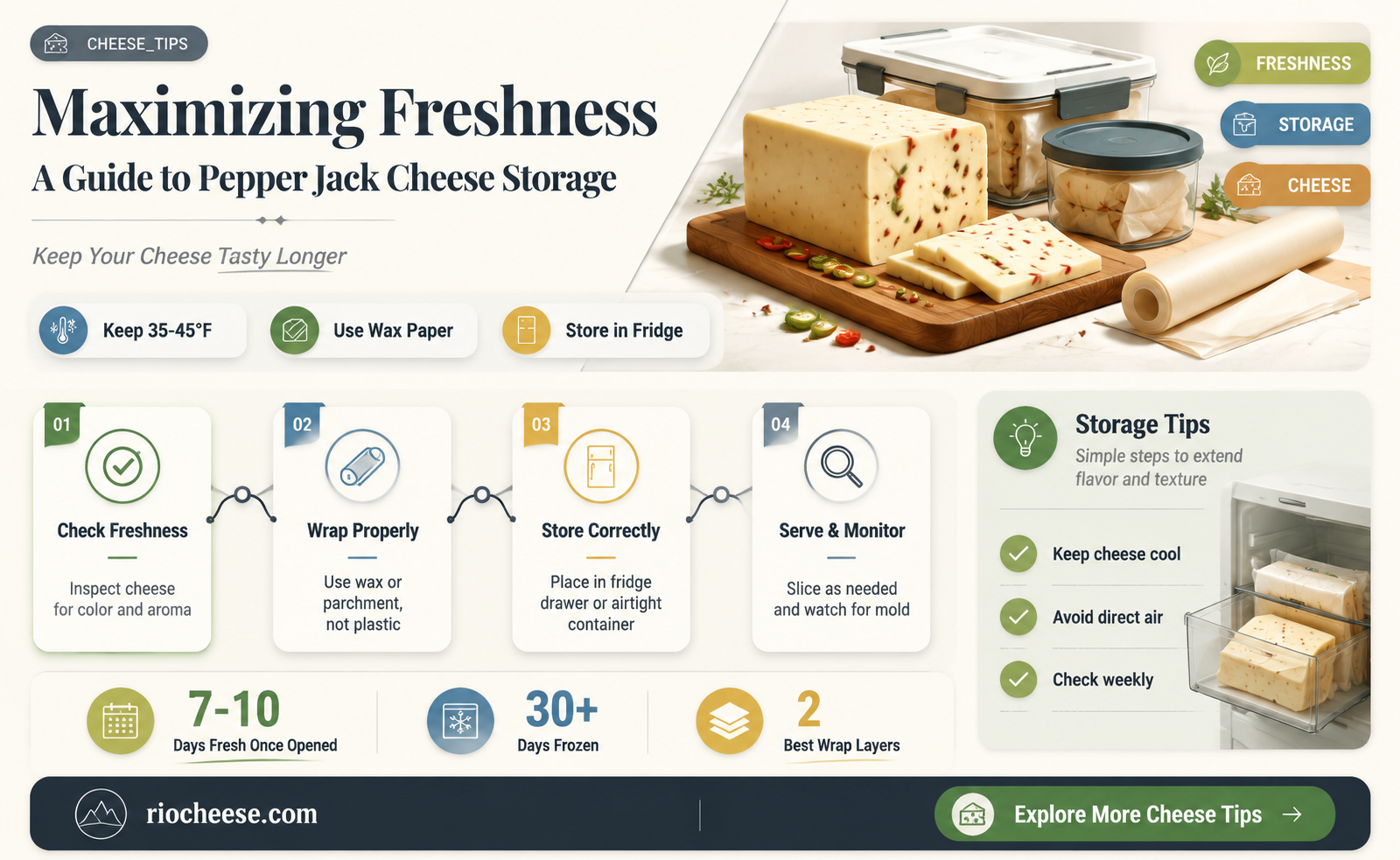
Pepper Jack cheese, known for its spicy kick and smooth texture, is a popular choice for many cheese lovers. But like all perishable foods, it has a limited shelf life, especially once opened. In this article, we'll explore how long Pepper Jack cheese lasts in the fridge, factors that can affect its longevity, and tips for proper storage to ensure you get the most out of your cheese. Whether you're a seasoned cheese connoisseur or just a casual snacker, understanding the shelf life of your cheese is crucial for maintaining its quality and safety.
Explore related products


What You'll Learn
- Storage Conditions: Optimal temperature and humidity levels for preserving pepper jack cheese in the fridge
- Packaging Methods: Different ways to wrap and store pepper jack cheese to extend its shelf life
- Shelf Life: Typical duration pepper jack cheese can be stored in the fridge before spoiling
- Signs of Spoilage: Indicators to check if pepper jack cheese has gone bad, such as mold or odor
- Freezing Options: Guidelines on whether pepper jack cheese can be frozen and for how long

Storage Conditions: Optimal temperature and humidity levels for preserving pepper jack cheese in the fridge
To preserve pepper jack cheese in the fridge, it's crucial to maintain optimal storage conditions. The ideal temperature range for storing pepper jack cheese is between 35°F and 45°F (1.6°C and 7.2°C). This temperature range helps to slow down the growth of bacteria and mold, which can spoil the cheese. It's also important to keep the cheese away from strong-smelling foods, as pepper jack cheese can absorb odors easily.
Humidity levels also play a significant role in preserving pepper jack cheese. The optimal humidity range is between 40% and 60%. If the humidity is too low, the cheese can dry out and become brittle. On the other hand, if the humidity is too high, it can promote the growth of mold and bacteria. To maintain the right humidity levels, you can store the cheese in a sealed container or wrap it tightly in plastic wrap.
When storing pepper jack cheese, it's essential to avoid exposure to air. Air can cause the cheese to oxidize, which can lead to a change in color and flavor. To minimize air exposure, you can store the cheese in a vacuum-sealed bag or wrap it tightly in plastic wrap. It's also a good idea to label the cheese with the date of purchase, so you can keep track of how long it's been stored.
In addition to temperature, humidity, and air exposure, it's also important to consider the placement of the cheese in the fridge. The best place to store pepper jack cheese is in the crisper drawer, which is designed to maintain higher humidity levels. However, if your fridge doesn't have a crisper drawer, you can store the cheese on the bottom shelf, which is typically the coldest part of the fridge.
By following these storage guidelines, you can help to extend the shelf life of your pepper jack cheese and ensure that it stays fresh and flavorful for as long as possible. Remember to always check the cheese for signs of spoilage before consuming it, such as mold, sliminess, or an off odor. If you're unsure about the freshness of the cheese, it's best to err on the side of caution and discard it.
The Shelf Life of Asiago Cheese: A Comprehensive Guide
You may want to see also
Explore related products


Packaging Methods: Different ways to wrap and store pepper jack cheese to extend its shelf life
To extend the shelf life of pepper jack cheese, it's crucial to employ effective packaging methods. One approach is to use airtight containers or resealable plastic bags to minimize exposure to air, which can accelerate spoilage. When storing pepper jack cheese in the refrigerator, it's best to keep it in the crisper drawer, where humidity levels are higher, to prevent the cheese from drying out.
Another method is to wrap the cheese in wax paper or aluminum foil, which can help to maintain its moisture content and prevent it from absorbing odors from other foods in the fridge. For longer-term storage, pepper jack cheese can be frozen, but it's important to note that the texture may change upon thawing. To freeze the cheese, wrap it tightly in plastic wrap or aluminum foil, then place it in a freezer-safe bag or container.
When it comes to packaging pepper jack cheese for transport or gifting, consider using a combination of materials, such as a layer of wax paper followed by a layer of aluminum foil, to provide both moisture retention and protection from external elements. Additionally, vacuum-sealing the cheese can help to remove air and extend its shelf life, but this method may not be practical for all users.
In summary, the key to extending the shelf life of pepper jack cheese lies in minimizing its exposure to air and maintaining its moisture content. By using airtight containers, resealable bags, wax paper, aluminum foil, or a combination of these materials, you can help to keep your pepper jack cheese fresh and flavorful for a longer period.
Mastering the Art of Cold Smoking Cheese: A Time-Honored Guide
You may want to see also
Explore related products


Shelf Life: Typical duration pepper jack cheese can be stored in the fridge before spoiling
Pepper Jack cheese, known for its spicy kick and creamy texture, is a popular choice for many households. However, like all perishable items, it has a limited shelf life. Typically, when stored properly in the refrigerator, Pepper Jack cheese can last for about 3 to 4 weeks. This timeframe can vary depending on several factors, including the initial freshness of the cheese when purchased, the storage conditions within the refrigerator, and the type of packaging.
To maximize the shelf life of Pepper Jack cheese, it's essential to store it in the coldest part of the refrigerator, ideally in a crisper drawer designed to maintain high humidity. The cheese should be wrapped tightly in plastic wrap or aluminum foil to prevent air from reaching it, which can cause it to dry out or develop mold. If the cheese comes in a vacuum-sealed package, it can be stored in the refrigerator unopened for up to 6 months. Once opened, however, it should be consumed within the 3 to 4 week period.
It's important to note that while the cheese may still be safe to eat after the recommended timeframe, its quality will likely start to decline. The texture may become drier, and the flavor less vibrant. Additionally, there's an increased risk of bacterial growth, which can lead to foodborne illness. Therefore, it's best to err on the side of caution and consume the cheese within the recommended period.
In summary, the shelf life of Pepper Jack cheese in the refrigerator is typically 3 to 4 weeks when stored properly. Factors such as initial freshness, storage conditions, and packaging can influence this timeframe. To ensure the cheese remains safe and enjoyable to eat, it's crucial to follow proper storage guidelines and consume it within the recommended period.
The Shelf Life of Raclette Cheese: A Comprehensive Guide
You may want to see also
Explore related products



Signs of Spoilage: Indicators to check if pepper jack cheese has gone bad, such as mold or odor
Pepper jack cheese, like many dairy products, can spoil if not stored properly. One of the most obvious signs of spoilage is the presence of mold. Mold can appear as small, fuzzy spots or patches on the surface of the cheese. It's important to note that some types of mold can be harmful if ingested, so it's crucial to discard any cheese that shows signs of mold growth.
Another indicator that pepper jack cheese has gone bad is an off odor. Fresh pepper jack cheese should have a mild, slightly tangy smell. If the cheese develops a strong, unpleasant odor, it's likely that it has spoiled. This off odor can be caused by the growth of bacteria or other microorganisms, which can produce harmful toxins.
In addition to mold and odor, there are other signs that pepper jack cheese may have gone bad. The cheese may become slimy or develop a wet, shiny appearance. It may also start to crumble or break apart easily. If the cheese shows any of these signs, it's best to err on the side of caution and discard it.
To prevent spoilage, it's important to store pepper jack cheese properly. The cheese should be wrapped tightly in plastic wrap or aluminum foil and stored in the refrigerator at a temperature of 40°F (4°C) or below. It's also a good idea to keep the cheese away from other foods, as it can absorb odors from nearby items.
In summary, the key signs of spoilage in pepper jack cheese include mold growth, off odor, sliminess, and crumbling. By being aware of these indicators and storing the cheese properly, you can help to ensure that it stays fresh and safe to eat for as long as possible.
The Shelf Life of Manchego Cheese: A Comprehensive Guide
You may want to see also
Explore related products


Freezing Options: Guidelines on whether pepper jack cheese can be frozen and for how long
Pepper jack cheese, known for its spicy kick and creamy texture, is a versatile ingredient in many dishes. However, when it comes to storage, there are specific guidelines to follow to maintain its quality. Freezing pepper jack cheese is an option, but it's essential to understand the process and potential effects on its texture and flavor.
Before freezing, it's crucial to note that pepper jack cheese can last in the refrigerator for about 3 to 4 weeks when stored properly. If you need to extend its shelf life beyond this period, freezing is a viable method. To freeze pepper jack cheese, start by wrapping it tightly in plastic wrap or aluminum foil to prevent freezer burn and absorbency of other odors. Then, place it in a freezer-safe bag or airtight container.
When freezing pepper jack cheese, it's important to consider the potential changes in texture. Freezing can cause the cheese to become crumbly or develop ice crystals, which may affect its melting properties and overall consistency. To minimize these effects, it's recommended to grate or shred the cheese before freezing. This way, the texture will be more consistent when thawed and used in recipes.
In terms of duration, pepper jack cheese can be safely frozen for up to 6 months. However, for optimal quality, it's best to use it within 3 months. When you're ready to use the frozen cheese, thaw it in the refrigerator overnight or at room temperature for a few hours. Avoid thawing it in the microwave, as this can cause uneven melting and potentially ruin the texture.
In summary, while freezing pepper jack cheese is a convenient way to extend its shelf life, it's essential to follow proper storage techniques and be aware of the potential changes in texture. By wrapping it tightly, freezing it in a suitable container, and using it within the recommended timeframe, you can enjoy the spicy flavor of pepper jack cheese even after it's been frozen.
Maximizing Freshness: The Shelf Life of Mozzarella Cheese Explained
You may want to see also
Frequently asked questions
Pepper jack cheese can last up to 3 to 4 weeks in the fridge when stored properly.
Store pepper jack cheese in the crisper drawer of your fridge, wrapped tightly in plastic wrap or aluminum foil to prevent air exposure.
Yes, pepper jack cheese can be frozen for up to 6 months. Wrap it tightly in plastic wrap and aluminum foil before freezing.
Check for signs of mold, sliminess, or an off smell. If the cheese has any of these characteristics, it's best to discard it.
As pepper jack cheese ages in the fridge, its texture may become slightly firmer and its flavor may become sharper and more pronounced.