Patrick Oconnell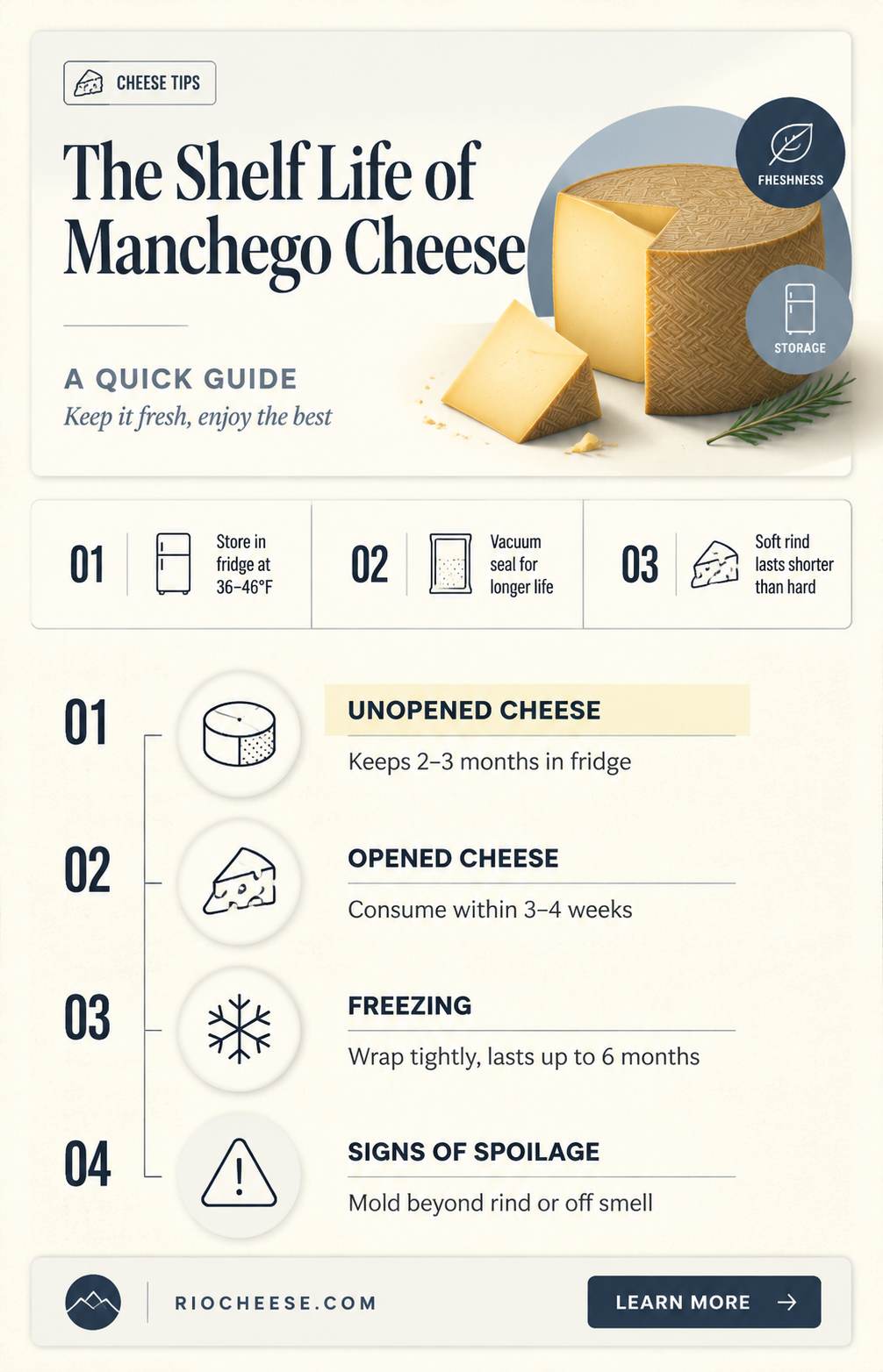
Manchego cheese, a popular Spanish cheese made from sheep's milk, is known for its rich, buttery flavor and firm texture. When it comes to its shelf life, Manchego cheese can last quite a while if stored properly. Typically, a whole wheel of Manchego can last up to 6 months when kept in the refrigerator, while smaller pieces or slices may last around 3 to 4 weeks. However, factors such as humidity, temperature, and exposure to air can affect its longevity. To maximize its shelf life, it's essential to store Manchego cheese in a cool, dry place, preferably wrapped in plastic wrap or aluminum foil to prevent it from drying out.
Explore related products


What You'll Learn
- Storage Conditions: Proper storage methods to extend the shelf life of Manchego cheese
- Expiration Dates: Understanding and interpreting expiration dates on Manchego cheese packaging
- Signs of Spoilage: Identifying visual and olfactory indicators that Manchego cheese has gone bad
- Freezing Manchego: Guidelines on whether and how to freeze Manchego cheese to prolong its freshness
- Health Considerations: Potential health risks associated with consuming expired or improperly stored Manchego cheese

Storage Conditions: Proper storage methods to extend the shelf life of Manchego cheese
Proper storage is crucial for extending the shelf life of Manchego cheese. This semi-hard cheese, originating from Spain, can last for several months when stored correctly. To ensure its longevity, it's essential to maintain the right temperature, humidity, and storage container.
Temperature plays a significant role in cheese storage. Manchego cheese should be kept in a cool, dark place, ideally in a refrigerator. The optimal temperature range is between 35°F and 45°F (2°C and 7°C). Storing the cheese at temperatures higher than 45°F can cause it to spoil quickly, while temperatures below 35°F may lead to the cheese becoming too hard and losing its flavor.
Humidity is another critical factor. Manchego cheese should be stored in a moderately humid environment to prevent it from drying out. The ideal humidity level is between 60% and 70%. If the humidity is too low, the cheese may become dry and crumbly, while excessive humidity can lead to mold growth.
Choosing the right storage container is also important. Manchego cheese should be wrapped in a breathable material, such as wax paper or a cheesecloth, to allow air circulation. It's best to store the cheese in a separate container or drawer in the refrigerator to prevent it from absorbing odors from other foods.
In addition to these storage conditions, it's essential to handle Manchego cheese properly. Always use clean utensils and wash your hands before handling the cheese. Cut the cheese as needed, but avoid leaving large exposed surfaces, as this can lead to drying out and spoilage.
By following these storage guidelines, you can extend the shelf life of Manchego cheese and enjoy its rich, buttery flavor for an extended period. Remember to regularly check the cheese for any signs of spoilage, such as mold or an off odor, and discard it if necessary.
The Shelf Life of Raclette Cheese: A Comprehensive Guide
You may want to see also
Explore related products
![Manchego Cheese is made in the region of La Mancha, using the milk of sheep of the Manchega breed, which produces a particular milk that provides the delicious and characteristic flavor to the product. It's mild and nutty flavor brings a distinctive taste to any dish. [ 24 oz , 1.5 lb ]](https://m.media-amazon.com/images/I/51UwdbfwVwL._AC_UL320_.jpg)


Expiration Dates: Understanding and interpreting expiration dates on Manchego cheese packaging
Manchego cheese, a popular Spanish cheese, comes with an expiration date that indicates its freshness and safety for consumption. This date is crucial for consumers to understand how long the cheese will last and when it's time to discard it. Expiration dates on Manchego cheese packaging typically follow the format of "DD/MM/YYYY" or "MM/DD/YYYY," depending on the country of packaging.
To interpret the expiration date, first locate it on the packaging. It's usually found on the label, often near the bottom or on the side. Once you've found the date, check if it has passed. If the date has not passed, the cheese is still considered safe to eat. However, it's essential to note that the quality of the cheese may start to decline as it approaches the expiration date.
If the expiration date has passed, it's best to discard the cheese. Consuming expired cheese can lead to foodborne illnesses, as harmful bacteria may have grown on the cheese. It's important to follow proper food safety guidelines and not consume any food product past its expiration date.
In some cases, you may find a "best before" date instead of an expiration date. This date indicates the optimal time to consume the cheese for the best quality and flavor. While it's not a strict deadline, it's still recommended to consume the cheese before this date for the best experience.
To extend the shelf life of Manchego cheese, it's essential to store it properly. Keep the cheese in the refrigerator, ideally in the crisper drawer, where the humidity is higher. Wrap the cheese tightly in plastic wrap or aluminum foil to prevent air from reaching it, which can cause it to dry out or develop mold.
In conclusion, understanding and interpreting expiration dates on Manchego cheese packaging is crucial for ensuring food safety and enjoying the cheese at its best quality. Always check the expiration date before consuming the cheese, and follow proper storage guidelines to extend its shelf life.
Microwaving Yak Cheese: A Quick Guide to Perfect Melty Goodness
You may want to see also
Explore related products



Signs of Spoilage: Identifying visual and olfactory indicators that Manchego cheese has gone bad
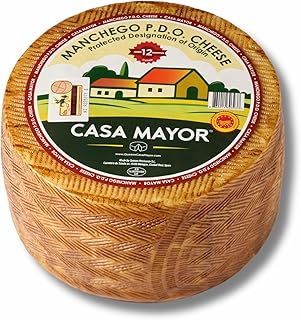
Manchego cheese, a popular Spanish cheese, can last for several weeks when stored properly. However, it's crucial to identify signs of spoilage to ensure food safety and quality. Visual indicators of spoiled Manchego cheese include mold growth, discoloration, and a slimy texture. Mold can appear as green, blue, or white spots on the cheese's surface. Discoloration may manifest as yellow or brown patches, indicating oxidation or bacterial growth. A slimy texture is a clear sign of spoilage, as fresh Manchego cheese should have a firm and slightly crumbly consistency.
In addition to visual cues, olfactory indicators can also signal that Manchego cheese has gone bad. A strong, unpleasant odor, such as a sour or ammonia-like smell, is a definitive sign of spoilage. Fresh Manchego cheese should have a mild, nutty aroma, so any significant deviation from this scent profile is a cause for concern.
To prevent spoilage, it's essential to store Manchego cheese properly. Keep it in the refrigerator, ideally in the crisper drawer, where the humidity is higher. Wrap the cheese tightly in plastic wrap or aluminum foil to prevent air exposure, which can accelerate spoilage. If you notice any signs of spoilage, it's best to discard the cheese to avoid potential health risks.
In summary, identifying signs of spoilage in Manchego cheese involves examining its visual and olfactory characteristics. By recognizing mold growth, discoloration, slimy texture, and unpleasant odors, you can ensure that you consume only fresh and safe cheese. Proper storage techniques, such as refrigeration and tight wrapping, can help extend the cheese's shelf life and prevent spoilage.
The Shelf Life of Asiago Cheese: A Comprehensive Guide
You may want to see also
Explore related products


Freezing Manchego: Guidelines on whether and how to freeze Manchego cheese to prolong its freshness
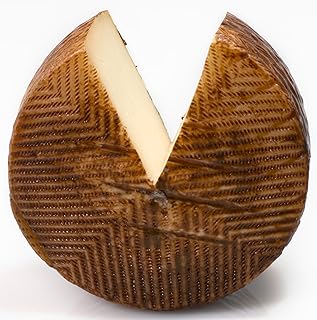
Manchego cheese, a popular Spanish cheese made from sheep's milk, is known for its rich flavor and firm texture. While it's typically enjoyed fresh, there may be times when you need to store it for longer periods. Freezing Manchego can be an effective way to prolong its freshness, but it's important to do so correctly to maintain its quality and taste.
Before freezing Manchego, it's essential to understand that the process can alter the cheese's texture. The freezing and thawing cycle can cause the cheese to become more crumbly and lose some of its moisture. However, if done properly, the flavor will remain largely intact.
To freeze Manchego, start by wrapping the cheese tightly in plastic wrap or aluminum foil. This will help prevent freezer burn and protect the cheese from absorbing odors from other foods in the freezer. Next, place the wrapped cheese in a freezer-safe bag or container. Label the container with the date, as it's important to keep track of how long the cheese has been frozen.
When it comes to thawing frozen Manchego, it's best to do so slowly in the refrigerator. This will help the cheese regain some of its moisture and prevent it from becoming too crumbly. If you need to thaw the cheese more quickly, you can do so at room temperature, but be aware that this may result in a drier texture.
In terms of how long frozen Manchego will last, it's generally recommended to consume it within 6-8 months for the best quality. After this time, the cheese may start to develop off-flavors or become too dry. However, it's important to note that the actual shelf life may vary depending on factors such as the initial freshness of the cheese, the storage conditions, and the type of Manchego (as there are different varieties with varying moisture content).
In conclusion, while freezing Manchego can be a useful way to extend its shelf life, it's crucial to follow proper storage and thawing guidelines to maintain its quality. By wrapping the cheese tightly, storing it in a freezer-safe container, and thawing it slowly, you can enjoy frozen Manchego that retains much of its original flavor and texture. Just be sure to consume it within the recommended timeframe for the best results.
Maximizing Shelf Life: The Longevity of High-Temperature Cheese
You may want to see also
Explore related products


Health Considerations: Potential health risks associated with consuming expired or improperly stored Manchego cheese
Consuming expired or improperly stored Manchego cheese can pose several health risks. One of the primary concerns is the growth of harmful bacteria, such as Listeria monocytogenes, which can lead to foodborne illnesses. Listeriosis, the disease caused by this bacterium, can result in symptoms ranging from mild gastrointestinal issues to severe complications like meningitis and septicemia, particularly in vulnerable populations such as the elderly, pregnant women, and individuals with weakened immune systems.
Another risk associated with expired cheese is the development of mold, which can produce mycotoxins. These toxins can cause allergic reactions and respiratory problems if inhaled or ingested. In some cases, mycotoxins can also lead to more serious health issues, including liver damage and cancer. It is crucial to inspect cheese for any signs of mold growth, such as greenish or bluish spots, and discard it immediately if any are present.
Improper storage can also lead to the oxidation of fats in the cheese, resulting in the formation of harmful compounds like aldehydes and ketones. These compounds can contribute to the development of atherosclerosis, a condition characterized by the buildup of plaque in the arteries, which can increase the risk of heart disease and stroke. To minimize this risk, it is essential to store Manchego cheese in a cool, dry place, preferably in the refrigerator, and to consume it within a reasonable timeframe after purchase.
In addition to these risks, expired or improperly stored cheese may also lose its nutritional value. Over time, the protein and fat content can degrade, reducing the cheese's overall quality and making it less beneficial for health. Therefore, it is not only important to consider the potential health risks associated with consuming expired cheese but also to ensure that the cheese is stored properly to maintain its nutritional integrity.
To avoid these health risks, it is recommended to follow proper storage guidelines and to consume Manchego cheese within its shelf life. If there is any doubt about the freshness or safety of the cheese, it is best to err on the side of caution and discard it. By taking these precautions, individuals can enjoy the rich flavor and nutritional benefits of Manchego cheese while minimizing the potential health hazards associated with its consumption.
The Shelf Life of Unopened Boursin Cheese: A Comprehensive Guide
You may want to see also
Frequently asked questions
When stored properly, Manchego cheese can last for several weeks to a few months. It's important to keep it in a cool, dry place, ideally in a cheese drawer or a covered container in the refrigerator.
Signs that Manchego cheese has gone bad include a strong, unpleasant odor, mold growth, or a slimy texture. If you notice any of these signs, it's best to discard the cheese.
Yes, Manchego cheese can be frozen to extend its shelf life. Wrap it tightly in plastic wrap or aluminum foil and place it in a freezer-safe bag. Frozen Manchego can last for up to 6 months.
After opening, Manchego cheese should be stored in the refrigerator, wrapped tightly in plastic wrap or aluminum foil to prevent it from drying out. It's best to consume it within a week or two for optimal freshness and flavor.