Bushra Griffith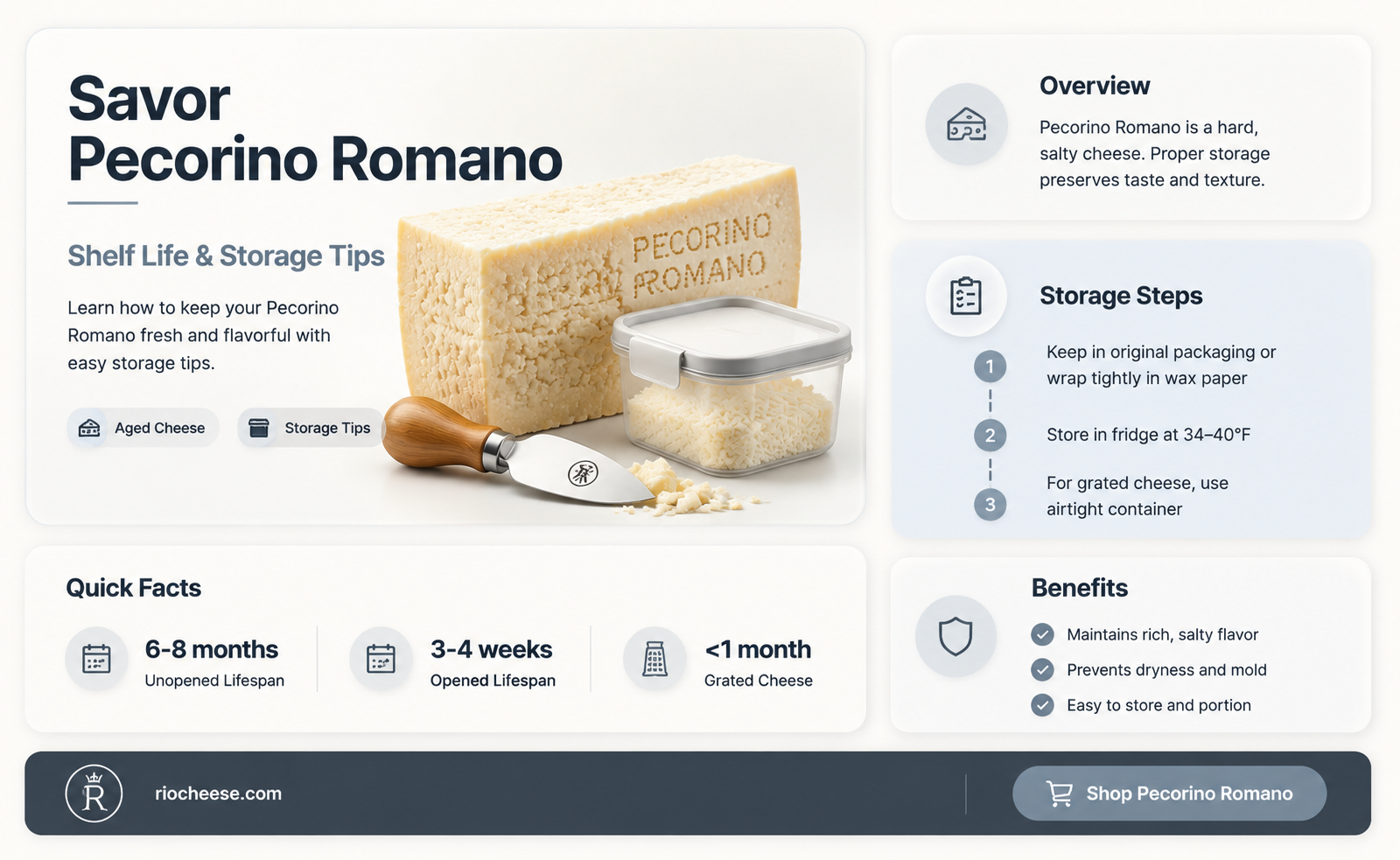
Pecorino Romano cheese, known for its sharp, salty flavor and hard texture, is a type of Italian cheese made from sheep's milk. When it comes to its shelf life, Pecorino Romano can last quite a long time due to its aging process and low moisture content. Typically, a well-aged Pecorino Romano can be stored for several months in a cool, dry place. However, the exact duration can vary depending on factors such as the specific aging process, storage conditions, and whether the cheese is whole or has been cut. Understanding these factors can help in determining how long your Pecorino Romano cheese will last and maintain its quality.
Explore related products


What You'll Learn

Storage conditions for optimal freshness
To maintain the optimal freshness of pecorino romano cheese, it is crucial to store it properly. The ideal storage conditions involve a cool, dry place with a consistent temperature between 50°F and 60°F (10°C and 15°C). Fluctuations in temperature can cause the cheese to dry out or become too moist, leading to spoilage. It is also important to keep the cheese away from direct sunlight and strong odors, as these can negatively impact its flavor and texture.
When storing pecorino romano cheese, it is best to wrap it tightly in plastic wrap or aluminum foil to prevent air from reaching the surface. This will help to maintain its moisture content and prevent it from drying out. If the cheese is not being used immediately, it can be stored in the refrigerator, but it is important to bring it to room temperature before serving to ensure the best flavor and texture.
It is also important to note that pecorino romano cheese can be frozen for longer-term storage. To freeze the cheese, wrap it tightly in plastic wrap or aluminum foil and place it in a freezer-safe bag or container. The cheese can be stored in the freezer for up to 6 months, but it is important to thaw it slowly in the refrigerator before using to prevent any changes in texture or flavor.
In addition to proper storage conditions, it is also important to handle pecorino romano cheese with care to maintain its freshness. Always use clean utensils and cutting boards when slicing the cheese, and avoid touching the surface with your hands. By following these guidelines, you can ensure that your pecorino romano cheese remains fresh and delicious for as long as possible.
Savoring Flavor: The Shelf Life of Blue Cheese Stuffed Olives
You may want to see also
Explore related products


Differences in shelf life between opened and unopened packages
Once a package of Pecorino Romano cheese is opened, its shelf life significantly decreases compared to when it is unopened. This is primarily due to the cheese's exposure to air, which accelerates the oxidation process and can lead to mold growth and spoilage. While an unopened package can last up to 6 months when stored properly, an opened package should ideally be consumed within 2-3 weeks to ensure optimal freshness and flavor.
To extend the shelf life of opened Pecorino Romano cheese, it is crucial to store it in an airtight container or wrap it tightly in plastic wrap or aluminum foil. This will help to minimize its exposure to air and slow down the oxidation process. Additionally, storing the cheese in the refrigerator at a temperature between 35°F and 40°F can further prolong its freshness.
It is important to note that the shelf life of opened Pecorino Romano cheese can vary depending on factors such as the initial quality of the cheese, the storage conditions, and the frequency of use. Therefore, it is always a good idea to check the cheese for any signs of spoilage, such as mold, discoloration, or an off odor, before consuming it.
In summary, the shelf life of opened Pecorino Romano cheese is significantly shorter than that of unopened packages. Proper storage techniques, such as using airtight containers and refrigerating the cheese, can help to extend its freshness. However, it is essential to regularly check the cheese for signs of spoilage and to consume it within a reasonable timeframe to ensure its quality and safety.
Mastering the Art of Cold Smoking Cheese: A Time-Honored Guide
You may want to see also
Explore related products


Signs of spoilage to watch for
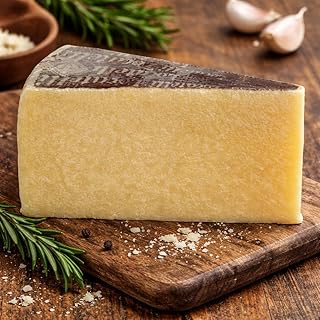
Pecorino Romano cheese, like all dairy products, is susceptible to spoilage over time. One of the primary signs of spoilage to watch for is an off or unpleasant odor. Fresh Pecorino Romano should have a sharp, salty aroma, but as it spoils, the smell may become sour, ammonia-like, or even moldy. If you notice any of these off odors, it's a clear indication that the cheese has gone bad and should be discarded.
Another sign of spoilage is a change in texture. While Pecorino Romano is naturally a hard cheese, it should still have a smooth, crumbly texture when cut. If the cheese becomes excessively dry, brittle, or develops a slimy surface, it's likely that it has been contaminated with bacteria or mold. In some cases, you may even see visible mold growth on the surface of the cheese, which is a definitive sign of spoilage.
Discoloration is another indicator that your Pecorino Romano has gone past its prime. The cheese should maintain a consistent, pale yellow color throughout. If you notice any dark spots, greenish hues, or significant color changes, it's a sign that the cheese has been compromised. Additionally, if the cheese develops an oily or greasy sheen, it may be a result of bacterial growth and should be considered spoiled.
It's important to note that while some cheeses can be salvaged by cutting away the spoiled parts, Pecorino Romano is not one of them. Due to its hard texture and the way it's aged, any signs of spoilage typically indicate that the entire block of cheese has been affected. In such cases, it's best to err on the side of caution and discard the cheese to avoid any potential health risks.
To prevent spoilage and extend the shelf life of your Pecorino Romano, it's crucial to store it properly. The cheese should be kept in a cool, dry place, ideally in the refrigerator. Wrap it tightly in plastic wrap or aluminum foil to prevent air and moisture from reaching the surface. If stored correctly, Pecorino Romano can last for several months, but always be on the lookout for the signs of spoilage mentioned above to ensure you're consuming safe, high-quality cheese.
Preserving Perfection: The Art of Waxing Cheese for Long-Term Storage
You may want to see also
Explore related products



Recommended usage timeline for best quality
Pecorino Romano cheese, known for its sharp, salty flavor, is a versatile ingredient that can elevate various dishes. However, to fully appreciate its taste and texture, it's essential to use it within a specific timeframe after purchase. The recommended usage timeline for best quality is typically within 2-3 weeks when stored properly in the refrigerator.
During this period, the cheese maintains its optimal flavor profile and firm texture, making it ideal for grating over pasta dishes, incorporating into sauces, or enjoying on its own. As time progresses, the cheese may begin to lose some of its sharpness and develop a slightly grainy texture, which can detract from its overall quality.
To ensure you're using Pecorino Romano at its peak, it's crucial to pay attention to the packaging date and store it in a cool, dry place in the refrigerator. Avoid storing it in the door shelves, as the temperature fluctuations can cause the cheese to spoil more quickly. Instead, place it in the main compartment of the fridge, ideally in a cheese drawer or on a shelf away from other strong-smelling foods.
If you've purchased a large block of Pecorino Romano and don't anticipate using it all within the recommended timeframe, consider freezing some of it for later use. While the texture may change slightly upon thawing, the flavor will remain relatively intact, allowing you to enjoy the cheese for an extended period.
In summary, to experience the best quality of Pecorino Romano cheese, aim to use it within 2-3 weeks of purchase, store it properly in the refrigerator, and consider freezing any excess for future use. By following these guidelines, you can ensure that every dish you prepare with Pecorino Romano showcases its distinctive flavor and texture.
The Shelf Life of Havarti Cheese: A Comprehensive Guide
You may want to see also
Explore related products


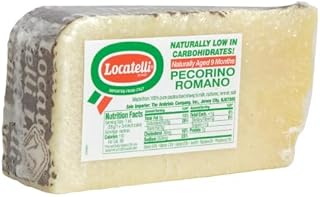
Comparison with other types of cheese longevity
Pecorino Romano cheese, known for its sharp flavor and hard texture, has a longevity that can be compared to other types of cheese. While it can last for several months when stored properly, it is not as long-lasting as some other hard cheeses like Parmesan, which can be aged for years. The shelf life of Pecorino Romano is influenced by factors such as humidity, temperature, and the presence of mold, similar to other cheeses.
In comparison to softer cheeses like Brie or Camembert, Pecorino Romano has a much longer shelf life. Soft cheeses typically need to be consumed within a few weeks of purchase due to their high moisture content and susceptibility to spoilage. On the other hand, Pecorino Romano's lower moisture content and higher salt content contribute to its longer longevity.
When it comes to semi-hard cheeses like Cheddar or Gouda, Pecorino Romano falls somewhere in between in terms of longevity. These cheeses can last for several months to a year when stored in the refrigerator, but they do not age as well as hard cheeses like Pecorino Romano. The aging process of Pecorino Romano involves the development of its distinctive sharp flavor and firm texture, which can be enhanced over time when stored under the right conditions.
It is important to note that the longevity of any cheese, including Pecorino Romano, can be affected by how it is stored. Keeping it in a cool, dry place, wrapped in wax paper or plastic wrap, can help extend its shelf life. Additionally, freezing Pecorino Romano can further prolong its longevity, although it may alter its texture slightly upon thawing.
In summary, Pecorino Romano cheese has a moderate to long shelf life compared to other types of cheese. Its longevity is influenced by storage conditions and its inherent characteristics, such as moisture and salt content. While it may not last as long as some hard cheeses, it certainly outlasts softer varieties and can be enjoyed for several months when stored properly.
Microwaving Yak Cheese: A Quick Guide to Perfect Melty Goodness
You may want to see also
Frequently asked questions
When stored properly, Pecorino Romano cheese can last for about 6 to 8 months.
The best storage conditions for Pecorino Romano cheese are in a cool, dry place, ideally in a cheese cave or a refrigerator's crisper drawer, wrapped in plastic wrap or aluminum foil.
Yes, Pecorino Romano cheese can be frozen. Wrap it tightly in plastic wrap or aluminum foil and place it in a freezer bag. It can be stored in the freezer for up to 6 months.
Pecorino Romano cheese has gone bad if it develops an off odor, mold, or if the texture becomes crumbly or slimy.
Pecorino Romano cheese can be used in a variety of dishes before it goes bad, such as grating it over pasta dishes, using it in salads, or incorporating it into baked goods like bread or pizza.