Frederic Melton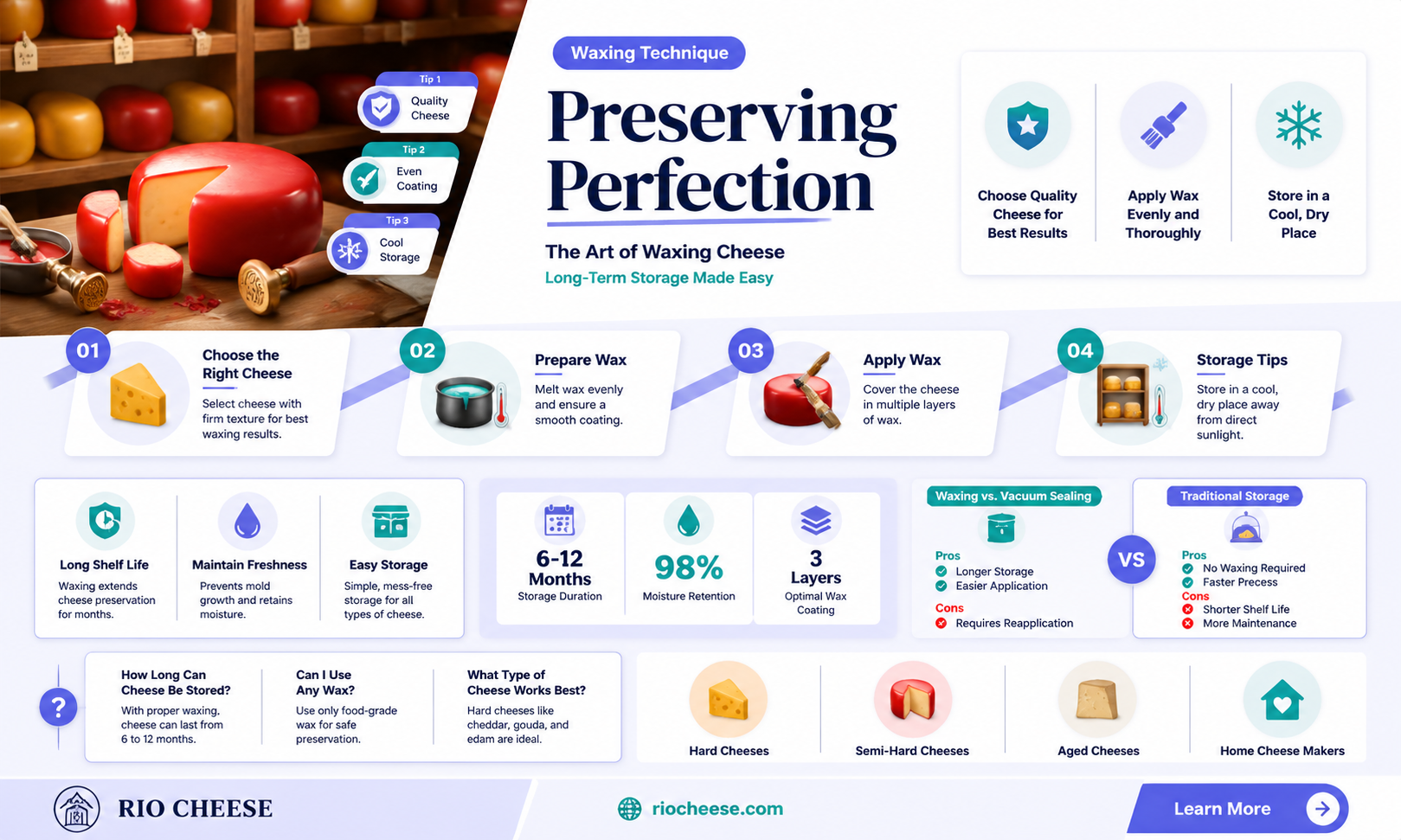
Waxing cheese is a time-honored method for preserving its quality and extending its shelf life. This process involves coating the cheese with a layer of wax, which acts as a barrier against air, moisture, and contaminants. By creating a protective seal, waxing helps to prevent the growth of mold and bacteria, ensuring that the cheese remains safe to consume for an extended period. This technique is particularly useful for hard and semi-hard cheeses, such as cheddar, Gouda, and Parmesan, which can benefit from the additional protection against environmental factors. In this guide, we will explore the steps involved in waxing cheese, the types of wax suitable for this purpose, and the benefits of incorporating this preservation method into your cheese storage routine.
Explore related products




What You'll Learn
- Choosing the Right Cheese: Select cheeses suitable for waxing, such as hard and semi-hard varieties like cheddar or Gouda
- Preparing the Cheese: Ensure the cheese is clean, dry, and at room temperature before waxing to prevent moisture buildup
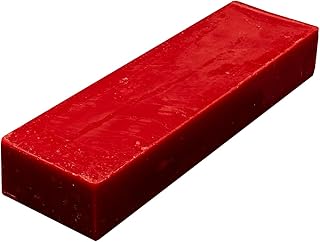
- Types of Wax: Use food-grade waxes specifically designed for cheese storage, available in solid or liquid forms
- Applying the Wax: Melt the wax and apply it evenly over the cheese, ensuring complete coverage for effective preservation
- Storing the Cheese: Place the waxed cheese in a cool, dry environment, ideally a cheese cave or refrigerator, to maintain its quality

Choosing the Right Cheese: Select cheeses suitable for waxing, such as hard and semi-hard varieties like cheddar or Gouda
Selecting the appropriate cheese is crucial for successful waxing and long-term storage. Hard and semi-hard cheeses, such as cheddar and Gouda, are ideal candidates due to their lower moisture content and firmer texture. These characteristics make them more resistant to mold and bacterial growth, ensuring a longer shelf life when properly waxed.
When choosing a cheese for waxing, it's essential to consider its age. Younger cheeses, typically less than six months old, may not have developed the necessary flavor and texture to benefit from long-term storage. On the other hand, cheeses that are too old may already be past their prime and could deteriorate further despite waxing.
The waxing process itself requires attention to detail. First, ensure the cheese is clean and dry to prevent any contaminants from being sealed in. Then, apply a thin, even layer of food-grade wax, using a brush or cloth to achieve a smooth finish. It's important to cover the entire surface of the cheese, including the edges and any cracks or crevices.
After waxing, store the cheese in a cool, dry place, ideally between 50-60°F (10-15°C) and 60-70% humidity. Regularly inspect the cheese for any signs of mold or spoilage, and remove any affected areas immediately to prevent further contamination.
In conclusion, choosing the right cheese for waxing involves selecting hard or semi-hard varieties with a suitable age and low moisture content. Properly applying the wax and storing the cheese in optimal conditions will help ensure its longevity and preserve its flavor and texture.
The Shelf Life of Unopened Boursin Cheese: A Comprehensive Guide
You may want to see also
Explore related products


Preparing the Cheese: Ensure the cheese is clean, dry, and at room temperature before waxing to prevent moisture buildup
Before waxing cheese for long-term storage, it's crucial to prepare the cheese properly to ensure the best results. The cheese should be clean, dry, and at room temperature. This step is often overlooked, but it's essential to prevent moisture buildup, which can lead to mold and spoilage.
To clean the cheese, gently wipe it with a damp cloth or sponge. Avoid using soap or harsh chemicals, as these can affect the cheese's flavor. Once the cheese is clean, pat it dry with a clean towel or paper towels. It's important to remove as much moisture as possible from the surface of the cheese.
After cleaning and drying the cheese, let it sit at room temperature for a few hours. This allows the cheese to come to a stable temperature, which is important for the waxing process. If the cheese is too cold, the wax won't adhere properly, and if it's too warm, the wax may melt and become difficult to work with.
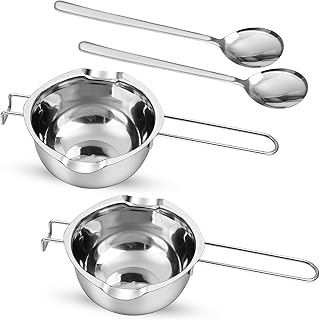
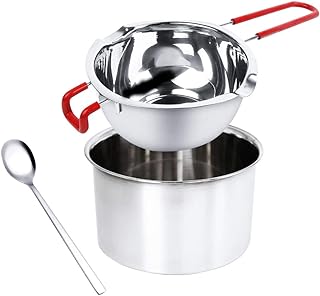
During this time, you can prepare your workspace and gather the necessary materials for waxing the cheese. This includes the wax itself, a double boiler or a makeshift one, a brush or spatula for applying the wax, and a clean cloth for buffing the cheese after waxing.
Once the cheese is properly prepared, you're ready to begin the waxing process. Melt the wax in the double boiler, being careful not to overheat it. Then, using the brush or spatula, apply a thin, even layer of wax to the cheese. Work quickly, as the wax will cool and harden once it's applied. After the first layer has cooled, you can apply additional layers if necessary, always making sure to buff the cheese between layers to create a smooth, even finish.
Microwaving Yak Cheese: A Quick Guide to Perfect Melty Goodness
You may want to see also
Explore related products



Types of Wax: Use food-grade waxes specifically designed for cheese storage, available in solid or liquid forms
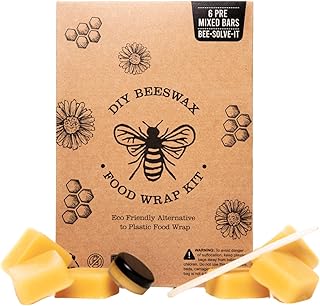
When selecting wax for cheese storage, it's crucial to choose food-grade waxes specifically designed for this purpose. These waxes are available in both solid and liquid forms, each with its own advantages and applications. Solid waxes, often sold in blocks or sticks, are typically applied by rubbing or brushing onto the cheese surface. They provide a firm, protective coating that can be easily removed before consumption. Liquid waxes, on the other hand, are applied by dipping the cheese into the melted wax or by brushing it onto the surface. They offer a more uniform and smooth coating, which can be particularly beneficial for cheeses with irregular shapes or surfaces.
One of the most common types of food-grade wax used for cheese storage is beeswax. Beeswax is a natural product that is non-toxic and has a high melting point, making it ideal for creating a protective barrier against air and moisture. It also has a pleasant, subtle aroma that does not impart any unwanted flavors to the cheese. Another popular option is paraffin wax, which is a petroleum-based product. Paraffin wax is less expensive than beeswax and has a higher melting point, but it is not as breathable and can sometimes leave a waxy residue on the cheese.
When using wax for cheese storage, it's important to follow proper application techniques to ensure an effective seal. For solid waxes, start by warming the wax slightly to make it more pliable. Then, rub or brush the wax onto the cheese surface in a thin, even layer. For liquid waxes, melt the wax in a double boiler or a wax melter to avoid overheating. Dip the cheese into the melted wax or brush it onto the surface, allowing it to cool and harden before storing the cheese.
In addition to choosing the right type of wax, it's also important to consider the storage conditions for your cheese. Ideally, cheese should be stored in a cool, dry place with consistent temperatures and humidity levels. Avoid storing cheese in direct sunlight or in areas with strong odors, as these can affect the flavor and quality of the cheese. By using the appropriate wax and storage conditions, you can help to preserve the freshness and flavor of your cheese for an extended period.
Explore related products




Applying the Wax: Melt the wax and apply it evenly over the cheese, ensuring complete coverage for effective preservation
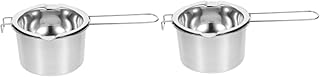
To effectively wax cheese for long-term storage, the application of wax is a critical step that requires precision and care. Begin by melting the wax in a double boiler or a dedicated wax melter, ensuring that the temperature is controlled to avoid overheating, which can alter the wax's consistency and effectiveness. Once the wax is melted, it's essential to apply it evenly over the cheese's surface. This can be achieved using a brush or by dipping the cheese directly into the melted wax. The key is to ensure that the cheese is completely coated, as any exposed areas can lead to spoilage.
When applying the wax, it's important to work in a well-ventilated area to avoid inhaling the fumes, which can be harmful. Additionally, using a food-grade wax specifically designed for cheese preservation is crucial, as other types of wax may contain additives that are not safe for consumption. After the first layer of wax is applied, it's advisable to allow it to cool and harden before applying additional coats. This process helps to create a more robust barrier against air and moisture, which are the primary factors that contribute to cheese spoilage.
A common mistake to avoid is applying the wax too thinly, which can result in an inadequate seal. Conversely, applying the wax too thickly can make it difficult to remove and may affect the cheese's flavor and texture. The ideal thickness is a thin, even layer that covers the cheese completely without excess. It's also important to note that different types of cheese may require different amounts of wax, depending on their size, shape, and moisture content.
For best results, it's recommended to store the waxed cheese in a cool, dry place, away from direct sunlight and sources of heat. Regularly inspecting the cheese for any signs of spoilage or damage to the wax seal is also advisable, as this can help to identify any issues early on and prevent the cheese from becoming inedible. By following these guidelines and paying close attention to the details of the waxing process, it's possible to preserve cheese for extended periods, maintaining its quality and flavor.
Explore related products


Storing the Cheese: Place the waxed cheese in a cool, dry environment, ideally a cheese cave or refrigerator, to maintain its quality
Once the cheese has been waxed, proper storage is crucial to maintain its quality and extend its shelf life. The ideal environment for storing waxed cheese is a cool, dry place, such as a cheese cave or a refrigerator. These conditions help to prevent the growth of mold and bacteria, which can spoil the cheese.
A cheese cave is a specialized storage area that maintains a consistent temperature and humidity level, typically between 50°F and 60°F (10°C and 15°C) and 60% to 70% humidity. If a cheese cave is not available, a refrigerator can be used as an alternative. However, it is important to note that refrigerators tend to have lower humidity levels than cheese caves, which can cause the cheese to dry out over time.
To store the cheese in a refrigerator, it is recommended to place it in the crisper drawer, where the humidity level is slightly higher. Additionally, the cheese should be wrapped in wax paper or plastic wrap to help retain moisture. It is also important to avoid storing the cheese near strong-smelling foods, as cheese can absorb odors easily.
In terms of duration, properly stored waxed cheese can last for several months to a few years, depending on the type of cheese and the storage conditions. Hard cheeses, such as cheddar and Parmesan, tend to have a longer shelf life than soft cheeses, such as Brie and Camembert.
Regularly inspecting the cheese for any signs of spoilage, such as mold or an off smell, is important. If any of these signs are present, the cheese should be discarded immediately to prevent the spread of bacteria.
In conclusion, storing waxed cheese in a cool, dry environment, such as a cheese cave or refrigerator, is essential for maintaining its quality and extending its shelf life. Proper storage conditions help to prevent spoilage and ensure that the cheese remains safe and enjoyable to eat for an extended period.
Frequently asked questions
Hard cheeses like Cheddar, Gouda, and Parmesan are best suited for waxing and long-term storage because their low moisture content makes them less prone to mold and spoilage.
Waxing cheese creates a protective barrier that prevents air and moisture from reaching the cheese, which helps to prevent mold and bacteria growth, thus extending its shelf life.
Waxed cheese should be stored in a cool, dry place, ideally at a temperature between 50°F and 60°F (10°C and 15°C). It's best to store it away from direct sunlight and sources of heat.
While it's possible to freeze waxed cheese, it's not recommended because freezing can cause the cheese to become crumbly and lose its texture. Instead, storing it in a cool, dry place is sufficient for long-term preservation.