Andy Montoya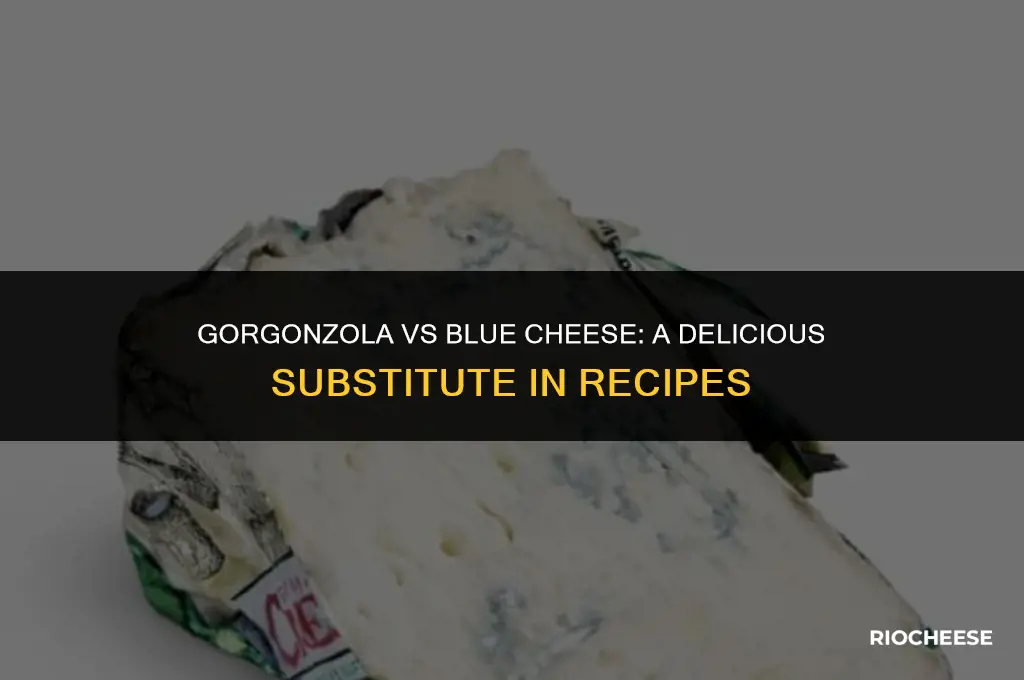
Gorgonzola and blue cheese are both types of strong, pungent cheeses that are often used interchangeably in various recipes. However, there are some key differences between the two that may affect the flavor and texture of your dish. Gorgonzola is a type of Italian blue cheese that is made from cow's milk and has a milder, creamier flavor compared to other blue cheeses. It is often used in Italian cuisine, such as in pasta dishes, salads, and as a topping for bread. Blue cheese, on the other hand, is a broader category of cheeses that includes gorgonzola, but also other varieties like Roquefort, Stilton, and Gorgonzola Dolce. These cheeses can vary in flavor from mild to very strong and pungent, and are often used in American and European cuisine. When substituting gorgonzola for blue cheese, it's important to consider the specific recipe and the desired flavor profile. In general, gorgonzola can be used as a substitute for milder blue cheeses, but for stronger, more pungent blue cheeses, you may want to use a different type of cheese or adjust the amount used.
Explore related products


What You'll Learn
- Flavor Comparison: Gorgonzola and blue cheese have distinct tastes; gorgonzola is milder, while blue cheese is sharper
- Texture Differences: Gorgonzola tends to be creamier, whereas blue cheese often has a more crumbly texture
- Culinary Uses: Both cheeses can be used in salads, dressings, and as toppings, but their flavors may alter the dish's profile
- Nutritional Content: Comparing the nutritional values, including fat, protein, and calorie content, of gorgonzola and blue cheese
- Pairing Suggestions: Recommended pairings for each cheese with foods and beverages, considering their unique flavor profiles

Flavor Comparison: Gorgonzola and blue cheese have distinct tastes; gorgonzola is milder, while blue cheese is sharper
Gorgonzola and blue cheese, both members of the blue cheese family, offer distinct flavor profiles that set them apart. Gorgonzola, an Italian variety, is known for its milder, creamier taste with subtle hints of earthiness and a slightly tangy finish. In contrast, blue cheese, which encompasses various types such as Roquefort, Stilton, and Gorgonzola itself, typically presents a sharper, more pungent flavor with a stronger aroma. This difference in taste intensity is primarily due to the varying levels of penicillium cultures used in their production and the aging process.
When considering whether to use gorgonzola instead of blue cheese, it's essential to understand how these flavor differences can impact a dish. Gorgonzola's milder taste makes it an excellent choice for recipes where a less overpowering cheese is desired. For instance, in salads or as a topping for crackers, gorgonzola can add a creamy texture and a gentle blue cheese flavor without overwhelming the other ingredients. On the other hand, blue cheese's sharper taste is often preferred in dishes that benefit from a bold, pungent flavor, such as in dressings, marinades, or as a strong accent in pasta dishes.
In terms of texture, gorgonzola tends to be softer and more spreadable, making it ideal for applications where a smooth consistency is needed. Blue cheese, depending on the variety, can range from crumbly to creamy but generally has a firmer texture than gorgonzola. This textural difference can be crucial when selecting a cheese for specific culinary uses, such as melting over a steak or incorporating into a cheese board.
Ultimately, the choice between gorgonzola and blue cheese depends on the desired flavor intensity and texture in a given recipe. While gorgonzola offers a milder, creamier alternative, blue cheese provides a sharper, more robust option. Understanding these differences allows for more informed substitutions and creative culinary explorations.
Fusilli Twist: A Delicious Take on Classic Macaroni Cheese
You may want to see also
Explore related products


Texture Differences: Gorgonzola tends to be creamier, whereas blue cheese often has a more crumbly texture
Gorgonzola and blue cheese, while both members of the blue cheese family, exhibit distinct textural characteristics that set them apart. Gorgonzola is renowned for its creamy, smooth texture, which is a result of the specific aging process it undergoes. During this process, the cheese is pierced with metal rods to allow air to circulate, promoting the growth of the mold that gives Gorgonzola its characteristic veining and creaminess. This texture makes Gorgonzola particularly well-suited for spreading on crackers or incorporating into dips and sauces.
In contrast, blue cheese often presents a more crumbly, assertive texture. This crumbly nature is due to the way the cheese is cut and aged. Blue cheese is typically cut into large wheels and aged in a way that allows the mold to penetrate deeply, creating pockets of intense flavor and a firmer texture. The crumbly texture of blue cheese makes it an excellent choice for salads, dressings, and as a bold flavor component in various dishes.
When considering whether to use Gorgonzola instead of blue cheese, it's essential to take into account these textural differences and how they might impact the final dish. For instance, if a recipe calls for a cheese that can be easily crumbled, blue cheese might be the better choice. However, if a creamy, spreadable cheese is desired, Gorgonzola would be more appropriate. Understanding these textural nuances can help in making informed substitutions that enhance the overall culinary experience.
In summary, the choice between Gorgonzola and blue cheese is not just a matter of flavor but also of texture. Gorgonzola's creamy consistency contrasts with blue cheese's crumbly nature, each offering unique culinary applications. By recognizing these differences, one can make more effective and flavorful substitutions in various recipes.
From Freezer to Feast: The Surprising Truth About Frozen Cheese on Pizza
You may want to see also
Explore related products


Culinary Uses: Both cheeses can be used in salads, dressings, and as toppings, but their flavors may alter the dish's profile
Gorgonzola and blue cheese, while both members of the blue cheese family, possess distinct flavor profiles that can significantly impact the taste of a dish. Gorgonzola, with its milder, creamier texture and less pungent flavor, is often preferred in salads and dressings where a subtle blue cheese taste is desired. Its delicate flavor won't overpower other ingredients, making it an excellent choice for those who enjoy blue cheese but prefer a lighter touch.
On the other hand, blue cheese is known for its strong, sharp flavor and is typically used as a bold accent in dishes. When crumbled over salads or used in dressings, it adds a pungent, tangy element that can dominate the flavor profile. This makes it a popular choice for dishes where a robust blue cheese taste is the goal, such as in classic blue cheese dressings or as a topping for buffalo wings.
When substituting gorgonzola for blue cheese, it's essential to consider the desired flavor intensity of the dish. If a milder blue cheese flavor is preferred, gorgonzola can be an excellent substitute. However, if a strong, bold blue cheese taste is the objective, sticking with traditional blue cheese is recommended.
In terms of culinary uses, both cheeses can be used in a variety of dishes, from salads and dressings to toppings for burgers and pizzas. However, their flavors may alter the dish's profile in different ways. Gorgonzola's creamy texture and mild flavor can add a subtle richness to dishes, while blue cheese's sharp flavor can provide a tangy contrast.
Ultimately, the choice between gorgonzola and blue cheese comes down to personal preference and the desired flavor profile of the dish. By understanding the unique characteristics of each cheese, cooks can make informed decisions about which one to use in their culinary creations.
From Freezer to Feast: The Versatility of Frozen Ricotta Cheese
You may want to see also
Explore related products


Nutritional Content: Comparing the nutritional values, including fat, protein, and calorie content, of gorgonzola and blue cheese
Gorgonzola and blue cheese are both renowned for their strong flavors and creamy textures, but they also have distinct nutritional profiles. When comparing the two, it's essential to consider the fat, protein, and calorie content, as these are the primary macronutrients that impact our dietary needs and health goals.
In terms of fat content, gorgonzola typically contains slightly less fat than blue cheese. On average, gorgonzola has around 30-35% fat, while blue cheese can range from 35-40% fat. This difference is primarily due to the fact that gorgonzola is made from cow's milk, which naturally has less fat than the sheep's or goat's milk often used to make blue cheese. However, it's worth noting that both cheeses are still relatively high in fat, so they should be consumed in moderation as part of a balanced diet.
When it comes to protein content, gorgonzola and blue cheese are quite similar. Both cheeses contain approximately 20-25% protein, which makes them a good source of this essential nutrient. Protein is vital for building and repairing tissues, as well as supporting immune function and hormone production. Therefore, incorporating either of these cheeses into your diet can help you meet your daily protein needs.
In terms of calorie content, gorgonzola and blue cheese are also relatively similar. On average, gorgonzola contains around 350-400 calories per 100 grams, while blue cheese can range from 370-420 calories per 100 grams. This difference is primarily due to the varying fat content, as fat is a more calorie-dense macronutrient than protein or carbohydrates. However, it's important to remember that both cheeses are still high in calories, so they should be consumed in moderation as part of a balanced diet.
In conclusion, while gorgonzola and blue cheese have some differences in their nutritional profiles, they are both rich in fat, protein, and calories. When deciding whether to use one instead of the other, it's essential to consider your individual dietary needs and health goals. If you're looking to reduce your fat intake, gorgonzola may be a slightly better option. However, if you're looking to increase your protein intake, either cheese can be a good choice. Ultimately, the decision comes down to personal preference and moderation.
Fontina Cheese in Lasagna: A Delicious Twist on a Classic Dish
You may want to see also
Explore related products


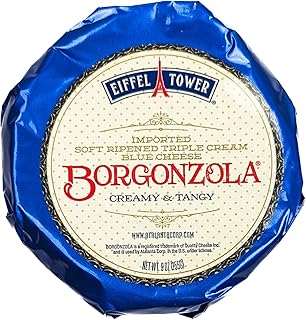
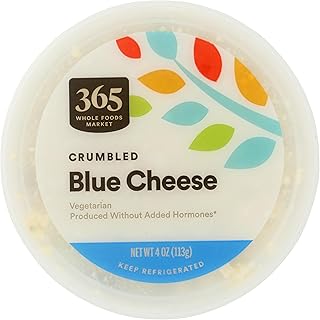
Pairing Suggestions: Recommended pairings for each cheese with foods and beverages, considering their unique flavor profiles
Gorgonzola, with its sharp, tangy flavor and creamy texture, pairs exceptionally well with foods that can balance its intensity. For a delightful appetizer, consider pairing gorgonzola with sweet, juicy figs or crisp apple slices. The natural sweetness of the fruit complements the cheese's pungency, creating a harmonious blend of flavors. Additionally, gorgonzola can be paired with a crusty baguette or artisanal crackers to provide a satisfying textural contrast.
When it comes to beverages, a full-bodied red wine such as a Cabernet Sauvignon or a robust porter beer can stand up to gorgonzola's bold flavor. The tannins in the wine or the roasted malt flavors in the beer can cut through the creaminess of the cheese, offering a refreshing counterpoint. For non-alcoholic options, a sparkling water with a squeeze of lemon or a lightly sweetened iced tea can cleanse the palate between bites.
In terms of culinary applications, gorgonzola can be used in a variety of dishes to add depth and complexity. For instance, it can be crumbled over a mixed green salad with a light vinaigrette, incorporated into a creamy pasta sauce, or used as a topping for grilled meats. When cooking with gorgonzola, it's important to consider its strong flavor and adjust the seasoning of the dish accordingly to avoid overpowering the other ingredients.
Pairing gorgonzola with the right accompaniments can elevate its taste and make it a standout ingredient in any meal. By understanding its unique flavor profile and selecting complementary foods and beverages, you can create memorable and delicious pairings that showcase the best of this distinctive cheese.
Feta vs. Parmesan: A Cheesy Substitute Showdown
You may want to see also
Frequently asked questions
Yes, you can use gorgonzola instead of blue cheese in many recipes. Both cheeses have a strong, pungent flavor and a creamy texture that can complement various dishes. However, keep in mind that gorgonzola is slightly milder and has a more buttery taste compared to blue cheese, so the flavor profile may be slightly different.
Substituting gorgonzola for blue cheese can result in a slightly milder and more buttery flavor in the dish. Gorgonzola has a less intense pungency than blue cheese, which can make it a more suitable choice for those who prefer a milder taste. Additionally, gorgonzola's creamy texture can add a smooth, velvety mouthfeel to the dish.
Gorgonzola can be a great substitute for blue cheese in various dishes, such as salads, dressings, and sauces. It pairs well with fruits like apples and pears, as well as with nuts and caramelized onions. Gorgonzola can also be used in place of blue cheese in stuffed mushrooms, omelets, and pasta dishes. Its milder flavor makes it a versatile choice for recipes where a less intense cheese flavor is desired.