Patrick Oconnell
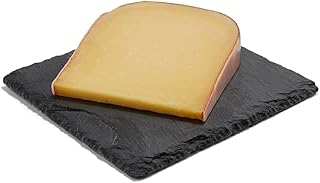
Gouda cheese, known for its rich, buttery flavor and smooth texture, is a popular choice for many culinary applications. When it comes to pizza, Gouda can be an excellent alternative to traditional mozzarella. Its mild, slightly nutty taste complements a variety of pizza toppings, from classic pepperoni to more adventurous options like caramelized onions or roasted vegetables. Gouda melts well, creating a gooey, stretchy consistency that pizza lovers enjoy. Additionally, its higher fat content can contribute to a more indulgent, satisfying pizza experience. Whether you're looking to experiment with new flavors or simply want a change from the usual, using Gouda cheese on your pizza can be a delicious and rewarding choice.
Explore related products


What You'll Learn
- Gouda's Melting Properties: Discusses how well Gouda cheese melts and its suitability for pizza toppings
- Flavor Profile: Explores the taste characteristics of Gouda and how they complement or contrast with traditional pizza flavors
- Texture and Mouthfeel: Evaluates the texture of melted Gouda on pizza and its impact on the overall eating experience
- Pairing with Other Ingredients: Suggests which pizza ingredients pair best with Gouda cheese for optimal flavor combinations
- Nutritional Considerations: Compares the nutritional content of Gouda cheese with other common pizza cheeses like mozzarella

Gouda's Melting Properties: Discusses how well Gouda cheese melts and its suitability for pizza toppings
Gouda cheese is renowned for its excellent melting properties, making it a popular choice for various culinary applications, including pizza toppings. Its smooth and creamy texture when melted enhances the overall mouthfeel and flavor profile of dishes. The melting point of Gouda is relatively low compared to other cheeses, which allows it to melt evenly and quickly, creating a consistent layer of melted cheese on pizzas.
One of the key factors contributing to Gouda's melting prowess is its moisture content. Gouda typically has a higher moisture content than other hard cheeses, which aids in its ability to melt smoothly. Additionally, the fat content in Gouda plays a crucial role in its melting characteristics. The fat globules in Gouda are well-emulsified, which helps in creating a uniform and stretchy melt.
When used as a pizza topping, Gouda cheese melts beautifully, creating a golden-brown crust on top while remaining gooey and stretchy underneath. Its mild and slightly nutty flavor complements a wide range of pizza toppings, from classic pepperoni to more adventurous options like caramelized onions and figs. Gouda's melting properties also make it an excellent choice for cheese pulls, adding a visually appealing element to pizzas.
In terms of suitability for pizza toppings, Gouda cheese ranks highly due to its melting properties and flavor profile. It can be used as a standalone cheese or blended with other cheeses to create a unique flavor combination. Gouda's ability to melt evenly and quickly ensures that pizzas cook uniformly, with the cheese reaching the perfect level of meltiness without burning or becoming too greasy.
Overall, Gouda cheese's melting properties make it an ideal choice for pizza toppings, offering a delicious and visually appealing addition to any pizza. Its smooth melt, mild flavor, and versatility in pairing with various toppings make it a favorite among pizza enthusiasts and chefs alike.
From Freezer to Feast: Cauliflower Cheese with a Twist
You may want to see also
Explore related products


Flavor Profile: Explores the taste characteristics of Gouda and how they complement or contrast with traditional pizza flavors
Gouda cheese, with its rich and complex flavor profile, offers a unique twist to traditional pizza flavors. Its taste characteristics range from mild and creamy in younger varieties to sharp and tangy in aged versions. This versatility allows Gouda to complement a wide array of pizza toppings, from the classic Margherita to more adventurous combinations.
When paired with tomato sauce, Gouda's creamy texture and mild flavor create a harmonious balance, enhancing the overall taste without overpowering the other ingredients. As the cheese melts, it releases subtle notes of caramel and butter, adding depth to the pizza's flavor profile. In contrast, aged Gouda, with its stronger, more pronounced taste, can stand up to bold toppings like spicy sausage or smoky bacon, providing a delightful contrast that elevates the pizza to new heights.
One of the key advantages of using Gouda on pizza is its excellent melting properties. Unlike some other cheeses that may become rubbery or separate when heated, Gouda melts smoothly and evenly, creating a luscious, gooey texture that pizza lovers crave. This characteristic makes it an ideal choice for pizzas that require a generous amount of melted cheese, such as a classic cheese pizza or a loaded supreme.
In addition to its flavor and melting qualities, Gouda also brings a touch of sophistication to pizza. Its Dutch origins and long history lend an air of authenticity and tradition, making it an appealing choice for those looking to elevate their pizza game. Whether used as a standalone cheese or blended with other varieties, Gouda adds a unique and delicious dimension to pizza that is sure to delight the palate.
From Freezer to Farmhouse: The Surprising Truth About Using Frozen Goat Milk for Cheese
You may want to see also
Explore related products


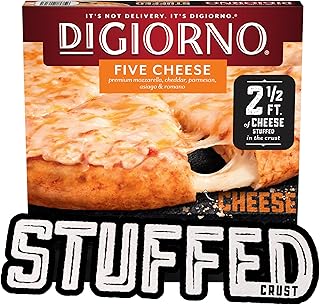
Texture and Mouthfeel: Evaluates the texture of melted Gouda on pizza and its impact on the overall eating experience
The texture of melted Gouda on pizza is a critical factor that can significantly enhance or detract from the overall eating experience. When heated, Gouda cheese undergoes a transformation, becoming gooey and stretchy, which can add a delightful contrast to the crispiness of the pizza crust. This unique mouthfeel can make each bite more enjoyable, as the cheese pulls and stretches, creating a satisfying sensation.
However, the texture of melted Gouda can also be influenced by the specific type of Gouda used. For instance, a younger Gouda with a higher moisture content will melt more smoothly and evenly, resulting in a creamier texture. In contrast, an aged Gouda with a lower moisture content may melt less uniformly, potentially leading to a slightly grainy or oily texture. This difference in texture can impact the overall balance of flavors and sensations in each bite.
The melting point of Gouda cheese is another important consideration. Gouda melts at a relatively low temperature compared to other cheeses, which means it can quickly become too soft or even start to burn if not monitored carefully. To achieve the perfect texture, it's essential to control the cooking temperature and time, ensuring that the cheese melts evenly without becoming overcooked.
In terms of practical tips, using a pizza stone or baking steel can help maintain an even temperature and prevent the cheese from burning. Additionally, pre-shredding the Gouda cheese can promote more uniform melting and prevent clumps from forming. By paying close attention to these factors, pizza enthusiasts can optimize the texture and mouthfeel of their Gouda cheese pizza, creating a truly enjoyable dining experience.
Feta Fiesta: A Greek Twist on Taco Tuesday
You may want to see also
Explore related products


Pairing with Other Ingredients: Suggests which pizza ingredients pair best with Gouda cheese for optimal flavor combinations
Gouda cheese, with its rich and creamy flavor profile, can be an excellent choice for pizza. When pairing Gouda with other ingredients, it's essential to consider complementary flavors and textures to create a harmonious and delicious pizza.
One classic pairing is Gouda with caramelized onions and mushrooms. The sweetness of the onions and the earthiness of the mushrooms balance the sharpness of the Gouda, creating a flavor combination that is both savory and slightly sweet. For a more indulgent option, try pairing Gouda with prosciutto and arugula. The salty, cured meat contrasts beautifully with the mild, buttery flavor of the Gouda, while the peppery arugula adds a fresh, crisp element to the pizza.
If you're looking for a vegetarian option, consider pairing Gouda with roasted red peppers and olives. The smoky, slightly sweet flavor of the roasted peppers complements the briny, salty taste of the olives, while the Gouda adds a rich, creamy texture. For a more adventurous combination, try pairing Gouda with pineapple and jalapeños. The sweetness of the pineapple balances the heat of the jalapeños, and the Gouda ties the flavors together with its smooth, mellow taste.
When using Gouda on pizza, it's important to remember that it melts differently than mozzarella. Gouda has a higher fat content, which means it can become greasy if overused. To avoid this, use Gouda sparingly and combine it with other cheeses, such as mozzarella or Parmesan, to create a balanced blend. Additionally, Gouda is best used on pizzas that are cooked at a lower temperature for a longer period, as this allows the cheese to melt slowly and evenly without burning.
In conclusion, Gouda cheese can be a delicious addition to pizza when paired with the right ingredients. By considering complementary flavors and textures, you can create unique and flavorful pizza combinations that showcase the best of what Gouda has to offer.
Fontina's Saganaki Potential: A Cheesy Greek Delight?
You may want to see also
Explore related products


Nutritional Considerations: Compares the nutritional content of Gouda cheese with other common pizza cheeses like mozzarella
Gouda cheese, a popular choice for many culinary applications, offers a distinct nutritional profile when compared to other common pizza cheeses like mozzarella. One of the key differences lies in its fat content. Gouda typically contains a higher percentage of fat, which can range from 25% to 30% depending on the variety, whereas mozzarella generally has a lower fat content, usually around 20% to 25%. This higher fat content in Gouda contributes to its rich, creamy texture and robust flavor, making it an excellent choice for those looking to add a more indulgent taste to their pizza.
In terms of protein, both Gouda and mozzarella are good sources, with Gouda often providing slightly more protein per serving. For example, a 100-gram serving of Gouda can contain around 25 grams of protein, while mozzarella might offer approximately 20 grams. Protein is essential for muscle repair and growth, making cheese a valuable addition to a balanced diet.
When it comes to vitamins and minerals, Gouda cheese stands out for its higher content of certain nutrients. It is particularly rich in vitamin A, which is important for vision, immune function, and skin health. Gouda also contains significant amounts of calcium, crucial for bone health, and phosphorus, which plays a role in energy production and cell growth. Mozzarella, while still a good source of these nutrients, typically provides slightly lower levels.
Another nutritional consideration is the calorie content. Due to its higher fat content, Gouda cheese is more calorie-dense than mozzarella. A 100-gram serving of Gouda can range from 350 to 400 calories, while mozzarella might contain around 280 to 320 calories per 100 grams. This difference in calorie content can be a factor for those monitoring their caloric intake.
In summary, while both Gouda and mozzarella cheeses offer valuable nutritional benefits, Gouda's higher fat and protein content, along with its richer vitamin and mineral profile, make it a more indulgent and nutritionally dense option for pizza enthusiasts. However, its higher calorie content should be considered by those mindful of their dietary caloric needs.
Elevate Your Ravioli Game with Rich Four-Cheese Sauce
You may want to see also
Frequently asked questions
Yes, you can use Gouda cheese for pizza. It melts well and adds a rich, creamy flavor.
Gouda cheese has a milder, nuttier flavor compared to mozzarella, which is typically milder and creamier. Gouda can add a unique taste profile to your pizza.
Gouda cheese pairs well with a variety of pizza types, especially those with savory toppings like mushrooms, onions, and meats. It can also complement pizzas with a barbecue or garlic sauce base.
Young Gouda cheese is generally better for pizza as it melts more smoothly and has a milder flavor. Aged Gouda can be too strong and may not melt as evenly.
Absolutely! Mixing Gouda with other cheeses like mozzarella, provolone, or Parmesan can create a delicious blend of flavors and textures on your pizza.