Randy Chandler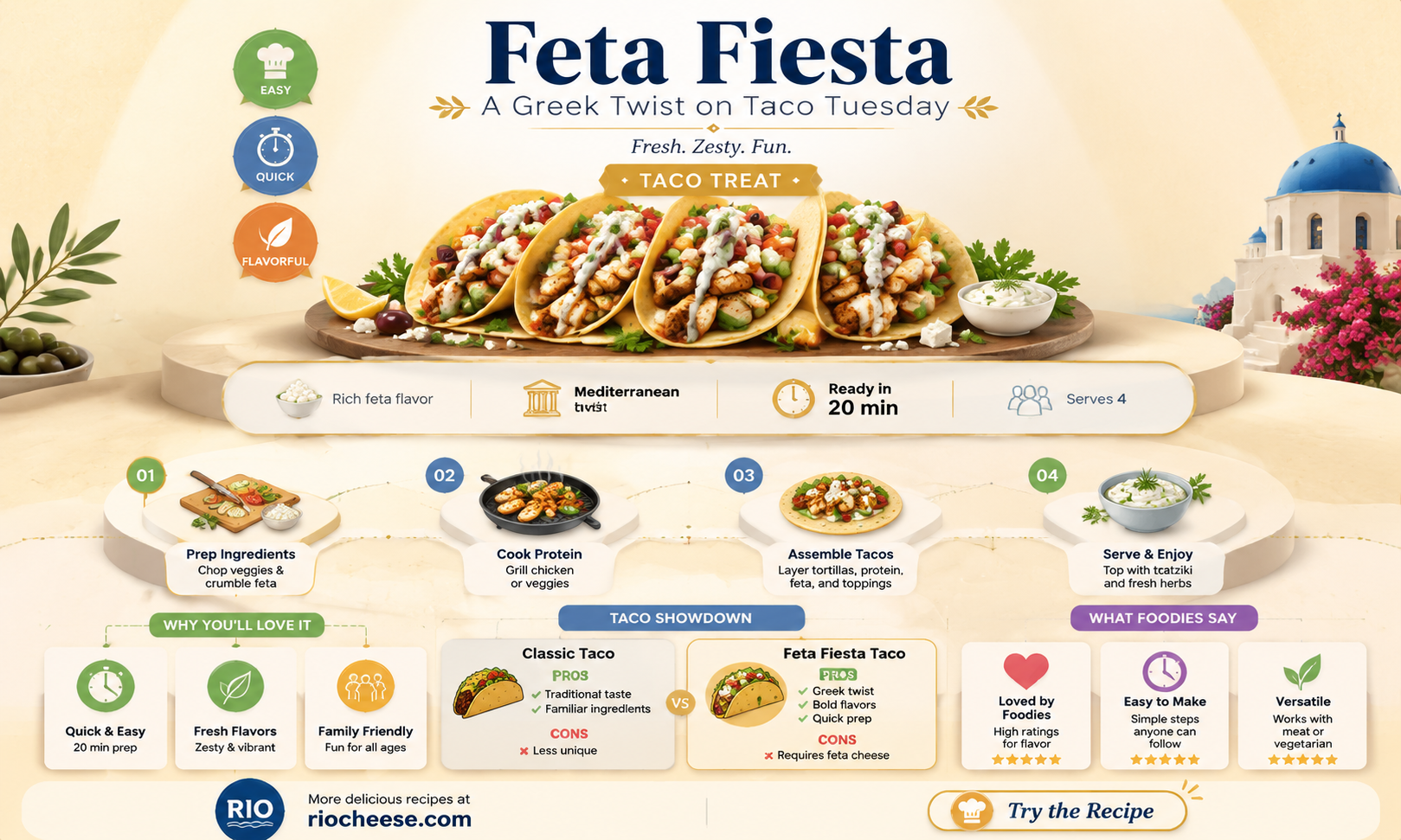
Feta cheese, a brined curd white cheese made in Greece, is known for its distinct tangy and salty flavor. It's commonly used in Mediterranean cuisine, particularly in Greek salads, pastries, and as a topping for various dishes. The idea of using feta cheese on tacos, a traditional Mexican dish typically filled with seasoned meats, vegetables, and a variety of cheeses, might seem unconventional to some. However, the culinary world is no stranger to fusion cuisine, where ingredients from different cultures are combined to create new and exciting flavor profiles. In this case, the salty and tangy notes of feta could potentially complement the savory and spicy elements of tacos, offering a unique twist on a classic favorite.
Explore related products


What You'll Learn
- Feta cheese flavor profile: Tangy, salty, and creamy taste that complements taco fillings
- Texture contrast: Crumbly feta adds a unique texture to soft taco shells and fillings
- Nutritional considerations: Feta is high in fat and sodium; consider portion sizes and dietary needs
- Fusion cuisine: Combining Greek and Mexican flavors can create innovative and delicious taco variations
- Popular toppings: Feta pairs well with grilled meats, vegetables, and spicy sauces on tacos

Feta cheese flavor profile: Tangy, salty, and creamy taste that complements taco fillings
Feta cheese, with its distinctive tangy, salty, and creamy flavor profile, offers a unique twist to traditional taco fillings. This Greek cheese, made from sheep's or goat's milk, is known for its crumbly texture and sharp taste, which can add a delightful contrast to the soft tortillas and savory meats typically found in tacos.
One of the key characteristics of feta cheese is its tanginess. This acidity can cut through the richness of meats like chorizo or carne asada, balancing the overall flavor of the taco. Additionally, the saltiness of feta can enhance the natural flavors of the other ingredients, making each bite more vibrant and complex.
The creamy aspect of feta cheese also plays a crucial role in its compatibility with tacos. When crumbled over the top of a taco, feta can provide a smooth, velvety texture that complements the crunch of fresh vegetables and the chewiness of the meat. This creaminess can also help to mellow out any spiciness from salsas or hot sauces, creating a more harmonious flavor experience.
To incorporate feta cheese into your tacos, simply crumble a small amount over the top of your preferred taco fillings. You can also mix crumbled feta with other ingredients, such as diced tomatoes, onions, and cilantro, to create a flavorful taco topping. For a more adventurous approach, try blending feta cheese with lime juice, olive oil, and spices to create a creamy feta sauce that can be drizzled over your tacos.
In conclusion, feta cheese's tangy, salty, and creamy flavor profile makes it an excellent addition to tacos. Its unique taste and texture can elevate the overall flavor experience, adding a delightful contrast to traditional taco fillings. Whether crumbled on top or blended into a sauce, feta cheese is a versatile ingredient that can enhance the taste of your tacos in a variety of ways.
Feta vs. Ricotta: A Cheesy Debate in Lasagna Land
You may want to see also
Explore related products


Texture contrast: Crumbly feta adds a unique texture to soft taco shells and fillings
The interplay of textures is a crucial aspect of culinary enjoyment, and incorporating crumbly feta into tacos is a masterstroke in this regard. Soft taco shells, typically made from corn or flour tortillas, provide a pliable and slightly chewy base. When filled with traditional ingredients like seasoned meat, beans, and vegetables, the overall texture can become quite uniform and potentially monotonous. This is where the crumbly feta comes into play, introducing a contrasting texture that elevates the entire eating experience.
Feta cheese, known for its crumbly and slightly grainy texture, offers a delightful counterpoint to the softness of the taco fillings. When sprinkled over the top, it adds a layer of complexity, providing a subtle crunch and a burst of tangy flavor with each bite. This textural contrast not only enhances the mouthfeel but also adds visual interest, as the white crumbles of feta stand out against the colorful backdrop of the other ingredients.
Moreover, the saltiness of feta complements the savory flavors of the taco fillings, creating a harmonious balance of tastes. The cheese's acidity also helps to cut through the richness of the meat and the earthiness of the beans, refreshing the palate and making each bite more enjoyable. This combination of textures and flavors transforms a simple taco into a more sophisticated and satisfying dish.
Incorporating feta into tacos is a versatile approach that can be adapted to various dietary preferences and restrictions. For vegetarians, feta can serve as a protein-rich alternative to meat, while vegans can opt for a plant-based feta substitute. Additionally, feta's strong flavor means that only a small amount is needed to make a significant impact, making it a cost-effective and flavorful addition to any taco recipe.
In conclusion, the use of crumbly feta in tacos is a clever way to introduce texture contrast and enhance the overall dining experience. By adding a unique textural element and a burst of tangy flavor, feta elevates the humble taco into a more exciting and satisfying culinary creation.
Feta vs. Ricotta: A Cheesy Substitute Showdown
You may want to see also
Explore related products


Nutritional considerations: Feta is high in fat and sodium; consider portion sizes and dietary needs
Feta cheese, while a delicious addition to many dishes, is notably high in both fat and sodium. When considering its use on tacos, it's essential to be mindful of these nutritional aspects to ensure a balanced meal. The high fat content in feta can contribute to increased calorie intake, which may be a concern for those monitoring their weight or managing conditions like high cholesterol. Similarly, the sodium content can be problematic for individuals with hypertension or those on a low-sodium diet.
To mitigate these concerns, portion control is key. Limiting the amount of feta used on each taco can help manage both fat and sodium intake. Additionally, choosing a lower-fat variety of feta or opting for a reduced-sodium version can make this cheese a more health-conscious choice. It's also important to consider the overall composition of the meal; pairing feta with plenty of vegetables and lean protein can help balance out its rich nutritional profile.
For those with specific dietary needs, such as individuals following a ketogenic diet or managing diabetes, the high fat content in feta can actually be beneficial when consumed in moderation. However, it's crucial to consult with a healthcare professional or a registered dietitian to determine how feta fits into a personalized meal plan.
In summary, while feta cheese can certainly be used on tacos, it's important to be aware of its nutritional content and to adjust portion sizes and meal composition accordingly. By doing so, one can enjoy the unique flavor of feta while maintaining a balanced and healthful diet.
Feta Cheese in Pasta: A Delicious and Versatile Combination
You may want to see also
Explore related products


Fusion cuisine: Combining Greek and Mexican flavors can create innovative and delicious taco variations
Combining Greek and Mexican flavors can create innovative and delicious taco variations. One such fusion dish is the Greek-inspired taco, which swaps traditional cheddar or Monterey Jack cheese for crumbled feta. This substitution adds a tangy, salty kick that complements the savory flavors of seasoned meats or vegetables. To make Greek tacos, start by preparing your choice of protein—whether it’s grilled chicken, beef, or tofu—and marinate it in a mixture of olive oil, lemon juice, garlic, and oregano. Then, warm soft corn tortillas and fill them with the cooked protein, crumbled feta, diced tomatoes, red onions, and a dollop of tzatziki sauce for a refreshing twist on traditional salsa.
Another fusion option is the Mexican-inspired gyro taco, which brings the flavors of a classic Greek gyro to the taco format. For this dish, slice lamb or beef into thin strips and marinate them in a blend of olive oil, lemon juice, garlic, and a touch of cinnamon. Grill the meat until it’s cooked through and slightly charred, then slice it into smaller pieces. Assemble the tacos by filling warm tortillas with the grilled meat, thinly sliced red onions, diced tomatoes, and a generous sprinkle of crumbled feta. For an extra burst of flavor, drizzle the tacos with a spicy chipotle sauce or a tangy yogurt-based dressing.
Fusion cuisine allows for endless creativity, and combining Greek and Mexican flavors is no exception. Experiment with different ingredients and techniques to create your own unique taco variations. For example, try using Greek olives or sun-dried tomatoes as toppings, or swap the traditional taco shell for a crispy phyllo pastry cup. The key to successful fusion dishes is to balance the flavors and textures of both cuisines, creating a harmonious blend that’s both familiar and excitingly new.
When it comes to using feta cheese on tacos, the possibilities are vast. Feta’s crumbly texture and sharp flavor make it an excellent choice for adding depth and complexity to your taco fillings. Whether you’re creating Greek-inspired tacos or Mexican-inspired gyro tacos, feta cheese can be a versatile and delicious addition to your fusion dishes. So don’t be afraid to get creative and explore the many ways you can incorporate feta into your taco recipes—your taste buds will thank you.
Feta vs. Parmesan: A Cheesy Substitute Showdown
You may want to see also
Explore related products


Popular toppings: Feta pairs well with grilled meats, vegetables, and spicy sauces on tacos
Feta cheese, with its tangy and salty flavor, is an unconventional yet delightful topping for tacos. It pairs exceptionally well with grilled meats, adding a creamy texture that complements the smoky, charred flavors of the meat. For instance, crumbled feta can enhance the taste of grilled chicken or steak tacos, providing a rich contrast to the savory meat.
In addition to meats, feta also pairs wonderfully with grilled vegetables. The slight bitterness of grilled vegetables like bell peppers, zucchini, or eggplant is balanced by the briny taste of feta. This combination can elevate a simple vegetarian taco into a gourmet experience. For a Mediterranean twist, you can add olives and sun-dried tomatoes along with the feta.
Spicy sauces and salsas are another area where feta shines. The cool, creamy texture of feta can help temper the heat from spicy toppings, making it an excellent addition to tacos with hot sauces or salsas. It can also add a tangy counterpoint to the richness of other toppings like guacamole or sour cream.
When using feta on tacos, it's best to crumble it finely so that it distributes evenly across the taco. You can also mix it with other ingredients like diced tomatoes, onions, and herbs to create a flavorful topping. Experimenting with different types of feta, such as herbed or peppered varieties, can also add unique flavors to your tacos.
In conclusion, feta cheese is a versatile and delicious topping for tacos that can enhance a variety of flavor profiles. Whether paired with grilled meats, vegetables, or spicy sauces, feta adds a tangy, creamy element that elevates the overall taste of the taco.
Feta Fusion: Elevating Cheese Sauce with a Tangy Twist
You may want to see also
Frequently asked questions
Yes, you can use feta cheese on tacos. Feta adds a tangy and salty flavor that complements the other ingredients well.
Some other cheese options for tacos include cheddar, Monterey Jack, mozzarella, and queso fresco. Each cheese brings its own unique flavor and texture to the dish.
To incorporate feta cheese into tacos, you can crumble it over the top of the other ingredients, mix it into the filling, or even blend it into a sauce or dressing to drizzle over the tacos.


![Traditional Feta Chunk has a rich, creamy texture and bold, tangy taste that elevates any dish. Inspired by Greek tradition, it’s made with fresh, simple ingredients for authentic flavor. Crumble it over salads, tuck it into wraps, or serve it on a cheeseboard—this versatile cheese adds a Mediterranean twist to your favorite foods. It’s a delicious way to bring depth and character to everyday meals or special recipes. [ 32 oz , 2 lb ]](https://m.media-amazon.com/images/I/51MZ2OhOE-L._AC_UL320_.jpg)