Kamil Perry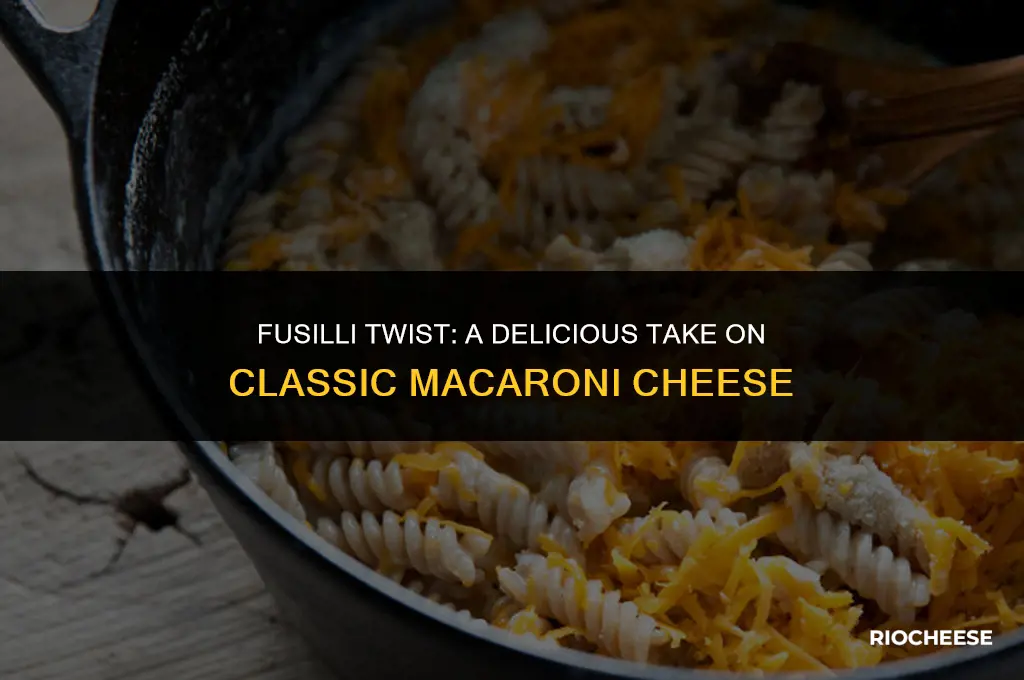
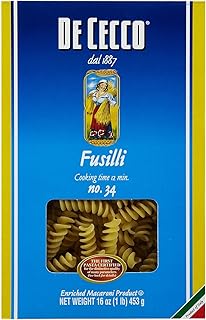
Fusilli, with its corkscrew shape, is an excellent choice for macaroni cheese. Its unique spiral design allows it to hold onto the creamy cheese sauce better than traditional macaroni, ensuring each bite is full of flavor. Additionally, the ridges and curves of fusilli provide a pleasant texture contrast to the smooth, velvety sauce. This pasta variety not only enhances the eating experience but also adds a visually appealing twist to the classic comfort dish.
Explore related products


What You'll Learn
- Fusilli vs. Macaroni: Comparing pasta shapes for optimal cheese sauce coating and texture
- Cooking Fusilli: Tips on boiling fusilli to the perfect al dente consistency for mac and cheese
- Cheese Sauce Adaptation: Modifying traditional macaroni cheese sauce to suit fusilli's unique shape
- Fusilli Mac and Cheese Recipe: A simple, delicious recipe using fusilli instead of macaroni
- Nutritional Comparison: Analyzing the nutritional differences between fusilli and macaroni in a cheese sauce

Fusilli vs. Macaroni: Comparing pasta shapes for optimal cheese sauce coating and texture
Fusilli, with its corkscrew shape, offers a unique advantage when it comes to holding onto cheese sauce. The spirals create more surface area for the sauce to cling to, ensuring that each bite is coated evenly. This makes fusilli an excellent choice for dishes where the sauce is a key component, such as macaroni and cheese.
On the other hand, macaroni's smooth, cylindrical shape allows the cheese sauce to flow smoothly over the surface, but it doesn't hold onto the sauce as well as fusilli. This can result in a less consistent coating and potentially a drier texture in each bite. However, macaroni's simplicity can be an advantage in certain recipes where the sauce is meant to be more of a complement rather than the star of the dish.
When comparing the two pasta shapes, it's clear that fusilli is better suited for dishes where the cheese sauce is thick and rich, as it can hold onto the sauce more effectively. Macaroni, on the other hand, is better for dishes where the sauce is thinner or where the pasta is meant to be mixed with other ingredients, such as in a pasta salad.
In terms of texture, fusilli provides a more varied experience due to its spiral shape. The ridges and grooves create a more interesting mouthfeel, which can enhance the overall eating experience. Macaroni, with its smooth surface, provides a more uniform texture that can be comforting and familiar.
Ultimately, the choice between fusilli and macaroni comes down to personal preference and the specific recipe being used. If a thick, rich cheese sauce is desired, fusilli is the better choice. If a lighter sauce or a more traditional macaroni and cheese experience is preferred, macaroni is the way to go.
From Freezer to Farmhouse: The Surprising Truth About Using Frozen Goat Milk for Cheese
You may want to see also
Explore related products


Cooking Fusilli: Tips on boiling fusilli to the perfect al dente consistency for mac and cheese
To achieve the perfect al dente consistency for fusilli in mac and cheese, it's crucial to master the boiling process. Start by filling a large pot with salted water, using about 1 tablespoon of salt per 4 quarts of water. This will help season the pasta from the inside out. Bring the water to a rolling boil before adding the fusilli. Once the pasta is in the pot, stir it gently to prevent sticking.
The cooking time for fusilli can vary depending on the brand and thickness, but a general guideline is to cook it for 8-10 minutes. However, to ensure it's al dente, start checking the pasta a minute or two before the recommended time. Al dente pasta should be firm to the bite but not hard or crunchy. To test, take a piece of fusilli out of the pot and let it cool slightly before biting into it. If it's too soft, it's overcooked; if it's too hard, it needs more time.
Another tip is to reserve some of the pasta cooking water before draining the fusilli. This starchy water can be used to thin out the cheese sauce if it becomes too thick, and it also helps to create a smoother, creamier texture. When draining the pasta, use a colander to remove excess water, but don't rinse the fusilli. The slight stickiness from the cooking water will help the cheese sauce adhere better to the pasta.
In terms of common mistakes to avoid, one is overcooking the fusilli. This can happen if you leave the pasta in the boiling water for too long or if you don't start checking it early enough. Overcooked pasta will become mushy and lose its shape, which is not ideal for mac and cheese. Another mistake is not salting the cooking water enough. Properly salted water enhances the flavor of the pasta and is essential for achieving the right texture.
By following these tips, you can ensure that your fusilli is cooked to the perfect al dente consistency, resulting in a delicious and satisfying mac and cheese dish. Remember, the key is to pay attention to the cooking time, test the pasta regularly, and reserve some of the cooking water for the sauce. With these techniques, you'll be well on your way to making the best mac and cheese with fusilli.
Feta vs. Goat Cheese: A Tangy Substitute in Your Favorite Dishes
You may want to see also
Explore related products




Cheese Sauce Adaptation: Modifying traditional macaroni cheese sauce to suit fusilli's unique shape
Fusilli's corkscrew shape presents a unique challenge when it comes to coating it evenly with cheese sauce. Traditional macaroni cheese sauce, designed for straight, tubular pasta, may not adhere as well to the twists and turns of fusilli. To address this issue, consider modifying the sauce's consistency and ingredients to better suit the pasta's shape.
One approach is to create a slightly thicker sauce that can cling more effectively to the fusilli. This can be achieved by adding more cheese, using a roux with a higher ratio of flour to butter, or incorporating ingredients like cream cheese or sour cream. Additionally, you may want to experiment with different types of cheese that melt more smoothly and evenly, such as Gruyère or Fontina, to ensure a consistent coating.
Another strategy is to add ingredients that can help the sauce adhere to the pasta. For example, incorporating a small amount of mustard or mayonnaise can improve the sauce's binding properties. You could also try adding a sprinkle of cornstarch or flour to the sauce, which can help it thicken and stick to the fusilli better.
When preparing the fusilli, be sure to cook it al dente, as this will help the sauce adhere more effectively. After draining the pasta, toss it with a small amount of olive oil or butter to prevent it from sticking together and to create a better surface for the sauce to cling to.
Finally, consider the serving method. Because fusilli's shape can make it difficult to eat with a fork, you may want to serve the macaroni cheese in a bowl rather than on a plate. This will allow the diner to scoop up the pasta and sauce more easily, ensuring a more enjoyable eating experience.
Feta vs. Ricotta: A Cheesy Substitute Showdown
You may want to see also
Explore related products


Fusilli Mac and Cheese Recipe: A simple, delicious recipe using fusilli instead of macaroni
Fusilli pasta, with its corkscrew shape, offers a delightful twist on the classic macaroni and cheese. This simple yet delicious recipe will guide you through the process of making a comforting bowl of fusilli mac and cheese, perfect for a family dinner or a cozy night in.
To begin, gather your ingredients: 8 ounces of fusilli pasta, 4 cups of milk, 4 tablespoons of unsalted butter, 4 tablespoons of all-purpose flour, 1 teaspoon of salt, 1/4 teaspoon of black pepper, 2 cups of shredded cheddar cheese, and 1/2 cup of grated Parmesan cheese. Start by cooking the fusilli in a large pot of salted boiling water until al dente, following the package instructions. Drain the pasta and set it aside.
In the same pot, melt the butter over medium heat. Whisk in the flour and cook for 1 minute, stirring constantly. Gradually add the milk, whisking continuously to prevent lumps. Bring the mixture to a simmer and cook for 3-4 minutes, until it thickens. Season with salt and pepper.
Reduce the heat to low and stir in the cheddar and Parmesan cheeses until melted and smooth. Add the cooked fusilli to the cheese sauce and toss to coat evenly. Serve hot, garnished with additional Parmesan cheese if desired.
This recipe not only provides a delicious meal but also offers a fun variation on a beloved classic. The fusilli pasta holds the cheese sauce beautifully, and its unique shape adds an element of visual interest to the dish. Plus, using fusilli instead of macaroni can make the meal feel a bit more sophisticated, perfect for when you want to elevate a simple comfort food.
Feta Fusion: Elevating Cheese Sauce with a Tangy Twist
You may want to see also
Explore related products


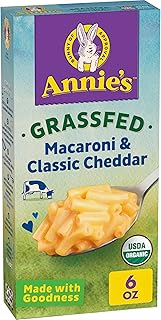


Nutritional Comparison: Analyzing the nutritional differences between fusilli and macaroni in a cheese sauce
Fusilli and macaroni are both popular pasta shapes, but they differ significantly in their nutritional profiles, especially when served in a cheese sauce. To understand these differences, it's essential to look at the specific nutrients each pasta type provides and how the cheese sauce impacts their overall nutritional value.
One key difference lies in the carbohydrate content. Fusilli, due to its spiral shape, tends to have a slightly higher carbohydrate content per serving compared to macaroni. This is because the spiral shape allows for more surface area, which can hold more sauce and, consequently, more carbohydrates. However, the difference is marginal and may not be significant for most dietary needs.
Protein content is another area where these pasta shapes diverge. Macaroni typically contains a bit more protein than fusilli. This difference can be attributed to the manufacturing process and the type of flour used. Macaroni is often made with a higher protein flour, which contributes to its slightly higher protein content. When combined with cheese sauce, which is also a good source of protein, macaroni can provide a more substantial protein boost than fusilli.
In terms of fiber, both pasta shapes are relatively low, but fusilli may offer a slight advantage. The spiral shape of fusilli can trap more of the cheese sauce, which may contain some fiber from the cheese or any added vegetables. However, the fiber content in both types of pasta is generally low and should not be relied upon as a significant source of dietary fiber.
The fat content in fusilli and macaroni is relatively similar, but the type of fat can vary. Cheese sauce, which is commonly made with butter and cheese, adds saturated fat to both pasta dishes. However, if the sauce is made with healthier fats, such as olive oil, the fat profile can be improved. It's worth noting that the spiral shape of fusilli may hold more of the sauce, potentially leading to a slightly higher fat content per serving.
Micronutrients, such as vitamins and minerals, are also important to consider. Both pasta shapes are good sources of B vitamins, particularly niacin and folate, which are added during the manufacturing process. However, the cheese sauce can significantly impact the micronutrient profile. Cheese is a good source of calcium, vitamin A, and vitamin B12, but it can also be high in sodium. Therefore, while both pasta dishes can provide essential micronutrients, the cheese sauce may contribute to a higher sodium content.
In conclusion, while both fusilli and macaroni can be part of a balanced diet, they have distinct nutritional differences. Fusilli tends to have slightly more carbohydrates and potentially more fiber due to its shape, while macaroni offers a bit more protein. The cheese sauce adds additional nutrients, such as calcium and vitamin A, but also increases the fat and sodium content. When choosing between these pasta shapes for a cheese sauce dish, it's important to consider these nutritional differences and how they fit into your overall dietary goals.
Feta Fiesta: A Greek Twist on Mexican Corn Delight
You may want to see also
Frequently asked questions
Yes, you can use fusilli pasta for macaroni and cheese. Fusilli's spiral shape holds onto the cheese sauce well, making it a great alternative to traditional macaroni.
The cooking time for fusilli is generally similar to that of macaroni. Both types of pasta typically take around 8-10 minutes to cook until al dente, which is ideal for macaroni and cheese.
The spiral shape of fusilli can enhance the texture of macaroni and cheese. The twists and turns of fusilli allow it to hold more of the cheese sauce, which can result in a creamier and more flavorful bite compared to macaroni.
Nutritionally, fusilli and macaroni are quite similar. Both are made from wheat flour and water, and they have comparable calorie and carbohydrate contents. The main difference lies in their shape, which can affect how much cheese sauce they hold, potentially impacting the overall calorie and fat content of the dish.