Frederic Melton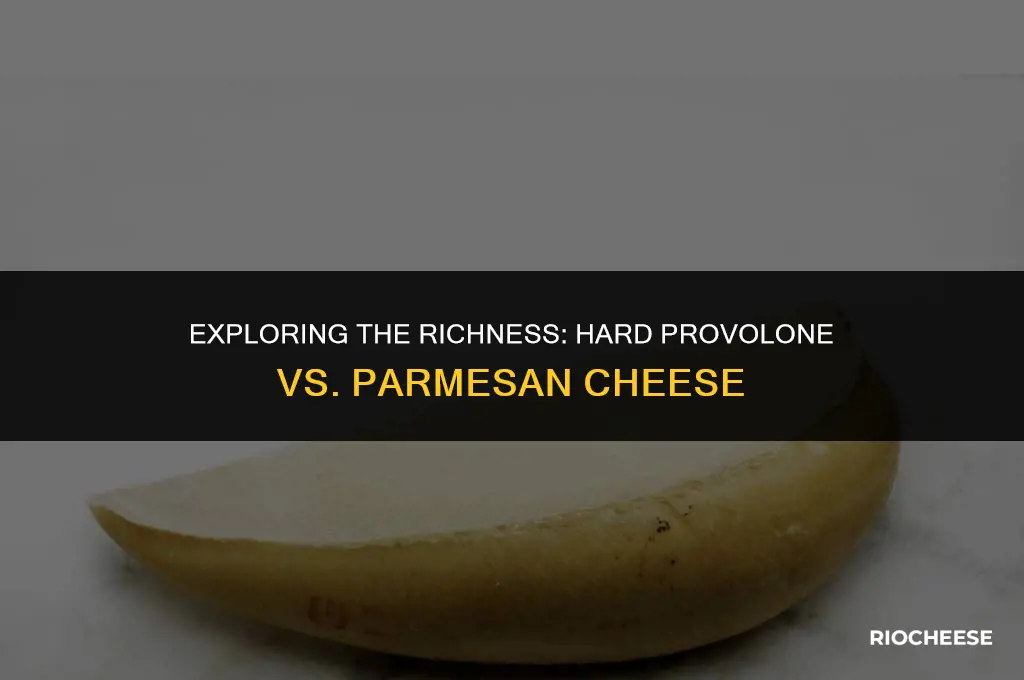
Hard provolone and Parmesan cheese are both popular Italian cheeses, but they have distinct characteristics that set them apart. While they share some similarities in terms of their firm texture and savory flavor, the differences in their production process, aging time, and culinary uses make them unique. Hard provolone is typically milder and creamier than Parmesan, with a slightly sweet and nutty taste. Parmesan, on the other hand, is known for its sharp, salty, and umami-rich flavor that develops through a longer aging process. In this comparison, we'll explore the key differences between these two cheeses, including their ingredients, nutritional content, and best uses in cooking.
| Characteristics | Values |
|---|---|
| Cheese Type | Hard Provolone and Parmesan |
| Origin | Provolone: Italy, Parmesan: Italy |
| Flavor Profile | Provolone: Mild, buttery, nutty. Parmesan: Sharp, salty, umami. |
| Texture | Provolone: Smooth, dense. Parmesan: Granular, crumbly. |
| Fat Content | Provolone: Higher fat content. Parmesan: Lower fat content. |
| Moisture | Provolone: Higher moisture. Parmesan: Lower moisture. |
| Aging Process | Provolone: Aged for a shorter period. Parmesan: Aged for a longer period (minimum 12 months). |
| Color | Provolone: Pale yellow to white. Parmesan: Pale yellow to golden brown. |
| Rind | Provolone: Rindless or thin rind. Parmesan: Thick, hard rind. |
| Uses in Cooking | Provolone: Melts well, used in sandwiches, salads. Parmesan: Grated over pasta, used in soups, sauces. |
| Nutritional Value | Provolone: Higher in calories and fat. Parmesan: Higher in protein and calcium. |
| Popularity | Provolone: Popular in American cuisine. Parmesan: Popular in Italian cuisine and worldwide. |
| Price | Provolone: Generally less expensive. Parmesan: Generally more expensive, especially aged varieties. |
| Availability | Provolone: Widely available in grocery stores. Parmesan: Available in specialty stores and supermarkets. |
| Pairing | Provolone: Pairs well with fruits, nuts. Parmesan: Pairs well with wine, balsamic vinegar. |
Explore related products


What You'll Learn
- Nutritional Comparison: Analyze the nutritional content of hard provolone and Parmesan cheese
- Flavor Profile: Compare the taste characteristics of hard provolone and Parmesan cheese
- Texture Difference: Evaluate the textural qualities of hard provolone versus Parmesan cheese
- Culinary Uses: Discuss the typical culinary applications of hard provolone and Parmesan cheese
- Production Process: Compare the methods used to produce hard provolone and Parmesan cheese

Nutritional Comparison: Analyze the nutritional content of hard provolone and Parmesan cheese
Hard provolone and Parmesan cheese, both staples in Italian cuisine, offer distinct nutritional profiles that cater to different dietary needs and preferences. A comparative analysis reveals that while both cheeses are rich in protein and calcium, they differ significantly in their fat content and calorie count. Hard provolone, known for its smooth texture and mild flavor, contains approximately 30% fat by weight, with a calorie content of around 350 calories per 100 grams. In contrast, Parmesan cheese, celebrated for its sharp, nutty taste and granular texture, boasts a lower fat content of about 28% by weight but a higher calorie density of roughly 430 calories per 100 grams.
One of the key nutritional benefits of both cheeses lies in their high protein content. Hard provolone provides about 25 grams of protein per 100 grams, making it an excellent source of this essential macronutrient. Parmesan cheese, on the other hand, offers an even higher protein content, with approximately 35 grams per 100 grams. This makes Parmesan a superior choice for individuals looking to increase their protein intake, such as athletes or those following a high-protein diet.
Calcium is another vital nutrient abundant in both types of cheese. Hard provolone contains around 600 milligrams of calcium per 100 grams, contributing significantly to the recommended daily intake of this mineral. Parmesan cheese, however, stands out with an impressive 1,300 milligrams of calcium per 100 grams, making it one of the richest dietary sources of calcium available. This high calcium content is particularly beneficial for maintaining strong bones and teeth, as well as supporting proper muscle function and nerve transmission.
In terms of fat composition, both cheeses contain a mix of saturated and unsaturated fats. However, Parmesan cheese has a slightly higher proportion of saturated fats, which may be a consideration for individuals monitoring their saturated fat intake due to heart health concerns. On the other hand, hard provolone's slightly higher content of unsaturated fats may offer some cardiovascular benefits, as these fats are generally considered to be more heart-healthy.
When it comes to sodium content, Parmesan cheese has a notably higher level compared to hard provolone. This is an important factor for those who need to limit their sodium intake, such as individuals with hypertension or heart disease. Hard provolone, with its lower sodium content, may be a more suitable option for those on a sodium-restricted diet.
In conclusion, while both hard provolone and Parmesan cheese offer valuable nutritional benefits, they cater to different dietary needs and preferences. Hard provolone is a good choice for those seeking a lower-calorie, lower-sodium cheese with a mild flavor, while Parmesan cheese is ideal for individuals looking to boost their protein and calcium intake, despite its higher calorie and sodium content. Understanding the nutritional differences between these two cheeses can help consumers make informed choices that align with their specific health goals and dietary requirements.
Exploring the Richness of Grated Hard Cheese: Is Parmesan the King?
You may want to see also
Explore related products

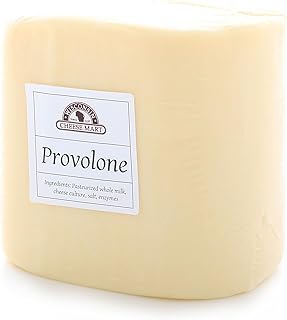
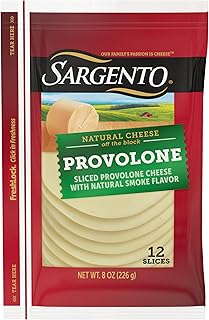


Flavor Profile: Compare the taste characteristics of hard provolone and Parmesan cheese
Hard provolone and Parmesan cheese, while both Italian hard cheeses, exhibit distinct flavor profiles that set them apart. Provolone, particularly the hard variety, is known for its rich, buttery taste with a hint of nuttiness. It often carries a slightly sweet and tangy flavor, which develops as it ages. The texture is firm yet crumbly, making it a versatile cheese for both cooking and snacking.
On the other hand, Parmesan cheese boasts a more robust and complex flavor profile. It is characterized by a sharp, salty taste with pronounced umami notes. The aging process, which can last up to 24 months or more, contributes to its intense flavor and granular texture. Parmesan is often described as having a fruity and slightly spicy undertone, which complements its savory characteristics.
When comparing the two, it's evident that hard provolone is milder and creamier, making it an excellent choice for those who prefer a less intense cheese. Parmesan, with its bold and assertive flavor, is ideal for adding depth to dishes or enjoying as a standalone snack. While both cheeses can be grated or shaved over pasta dishes, salads, and soups, their unique taste characteristics make them suitable for different culinary applications.
In terms of pairing, hard provolone pairs well with fruits like apples and pears, as well as with nuts and cured meats. Parmesan, due to its strong flavor, is often paired with foods that can balance its intensity, such as figs, honey, and balsamic vinegar. When it comes to wine pairings, both cheeses can complement a variety of wines, but Parmesan is particularly well-suited to full-bodied reds like Cabernet Sauvignon, while hard provolone pairs nicely with medium-bodied whites like Chardonnay.
In conclusion, while hard provolone and Parmesan cheese share some similarities as Italian hard cheeses, their flavor profiles are distinct. Hard provolone offers a milder, creamier taste with buttery and nutty notes, while Parmesan is known for its sharp, salty, and umami-rich flavor. Understanding these differences can help in selecting the right cheese for specific dishes and pairings, enhancing the overall culinary experience.
Exploring the Solubility of Grated Parmesan Cheese: A Culinary Insight
You may want to see also
Explore related products


Texture Difference: Evaluate the textural qualities of hard provolone versus Parmesan cheese
Hard provolone and Parmesan cheese, while both Italian staples, exhibit distinct textural qualities that set them apart. Provolone, particularly the hard variety, boasts a smooth yet firm texture that can be finely grated or thinly sliced. Its consistency is somewhat elastic, allowing it to melt beautifully when heated, making it a popular choice for sandwiches and pizzas. In contrast, Parmesan cheese is renowned for its granular, crumbly texture that results from its long aging process. This cheese is typically hard and brittle, ideal for grating over pasta dishes or salads to add a sharp, nutty flavor.
When comparing the two, it's evident that hard provolone has a more uniform and dense texture, whereas Parmesan's texture is more open and fragile. This difference is primarily due to their varying aging processes and moisture content. Hard provolone is aged for a shorter period, usually around 6 months, which contributes to its smoother texture. On the other hand, Parmesan is aged for at least 12 months, sometimes up to 36 months, leading to its characteristic crumbly texture.
In culinary applications, these textural differences play a significant role. Hard provolone's smooth, firm texture makes it an excellent melting cheese, perfect for creating gooey, stretchy textures in dishes like grilled cheese sandwiches or cheese pulls on pizzas. Its ability to slice thinly also makes it a great addition to charcuterie boards. Parmesan, with its granular texture, is best used as a finishing cheese, grated over dishes to add a burst of flavor without altering the texture significantly. It's also commonly used in sauces and soups, where its texture can thicken and enrich the dish.
In summary, while both hard provolone and Parmesan cheese are versatile and flavorful, their textural qualities make them suitable for different culinary uses. Hard provolone's smooth, firm texture is ideal for melting and slicing, while Parmesan's granular, crumbly texture is perfect for grating and adding a sharp flavor to dishes. Understanding these differences can help chefs and home cooks choose the right cheese for their specific culinary needs.
Navigating Low FODMAP Diets: The Truth About Grated Parmesan Cheese
You may want to see also
Explore related products
![Extra Sharp Provolone is an all-natural cheese aged for 12 months in special curing rooms to develop its signature sharp flavor. [ 16 oz, 1 lb ]](https://m.media-amazon.com/images/I/51xbO5M5uFL._AC_UL320_.jpg)
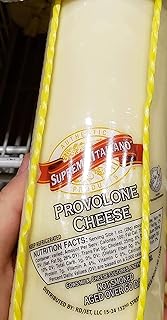


Culinary Uses: Discuss the typical culinary applications of hard provolone and Parmesan cheese
Hard provolone and Parmesan cheese, both staples in Italian cuisine, offer distinct culinary applications due to their unique textures and flavors. Hard provolone, with its smooth, creamy texture and mild, buttery flavor, is often used as a table cheese, served in thin slices alongside fruits and nuts. It also melts well, making it a popular choice for sandwiches, paninis, and grilled cheese. In addition, hard provolone can be grated over pasta dishes, salads, and soups, adding a subtle richness without overpowering the other ingredients.
On the other hand, Parmesan cheese, known for its granular texture and sharp, nutty flavor, is primarily used as a grating cheese. It is a key ingredient in many Italian dishes, such as pasta sauces, risottos, and minestrone soup. Parmesan is also used to add depth and complexity to salads, roasted vegetables, and even popcorn. Its strong flavor makes it a versatile ingredient for enhancing the taste of various dishes, but it is less commonly used as a standalone table cheese or in sandwiches due to its crumbly texture.
When comparing the culinary uses of hard provolone and Parmesan cheese, it is evident that while both cheeses can be grated and used in similar dishes, their textures and flavors lend themselves to different applications. Hard provolone's mild flavor and smooth texture make it a more versatile cheese for both grating and slicing, while Parmesan's sharp flavor and granular texture make it a standout ingredient for adding depth and complexity to a wide range of dishes.
Unveiling the Nutritional Benefits of Fresh Parmesan Cheese
You may want to see also
Explore related products


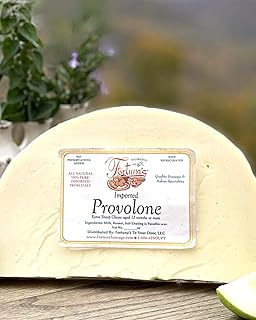


Production Process: Compare the methods used to produce hard provolone and Parmesan cheese
The production processes of hard provolone and Parmesan cheese, while both rooted in traditional Italian cheesemaking, exhibit distinct differences that contribute to their unique characteristics. Hard provolone, known for its smooth texture and mild flavor, undergoes a relatively straightforward process. The cheese is made from cow's milk, which is first pasteurized and then coagulated using rennet. The curds are subsequently cut into small pieces, stirred gently, and then left to settle. After draining, the curds are pressed into molds and aged for several months, during which time they develop their characteristic hardness and flavor.
In contrast, Parmesan cheese, renowned for its granular texture and sharp, nutty flavor, involves a more complex production process. The cheese is made from cow's milk that has been skimmed to remove most of the fat. The milk is then heated and coagulated using rennet, after which the curds are cut into small pieces and stirred vigorously. This vigorous stirring is a key step in the Parmesan-making process, as it helps to release fat from the curds and contributes to the cheese's distinctive texture. The curds are then drained, pressed into molds, and aged for a minimum of 12 months, during which time they develop their characteristic flavor and texture.
One of the most significant differences between the production processes of hard provolone and Parmesan cheese lies in the handling of the curds. While hard provolone curds are stirred gently and then left to settle, Parmesan curds are subjected to vigorous stirring and kneading. This difference in handling contributes to the contrasting textures of the two cheeses, with hard provolone being smooth and Parmesan being granular.
Another key difference is in the aging process. Hard provolone is typically aged for several months, while Parmesan cheese must be aged for a minimum of 12 months. This longer aging period allows Parmesan to develop its sharp, nutty flavor and contributes to its harder texture.
In conclusion, while both hard provolone and Parmesan cheese are Italian hard cheeses, their production processes differ significantly in terms of curd handling, aging time, and milk preparation. These differences result in cheeses with distinct textures and flavors, making each one unique and suited to different culinary uses.
Exploring the Dairy Dilemma: Is Grated Parmesan Cheese Truly Dairy-Free?
You may want to see also
Frequently asked questions
Hard provolone and parmesan cheese have distinct flavors. While both are Italian cheeses, hard provolone tends to have a milder, buttery taste with a hint of saltiness, whereas parmesan is known for its sharp, nutty, and slightly fruity flavor.
Hard provolone can be used as a substitute for parmesan cheese in some recipes, especially those that require a milder cheese flavor. However, due to the differences in taste and texture, it may not be the best choice for dishes where the strong flavor of parmesan is a key component.
The textures of hard provolone and parmesan cheese are quite different. Hard provolone is typically smoother and more pliable, making it easier to slice and shred. Parmesan cheese, on the other hand, is very hard and granular, which makes it more suitable for grating over dishes.