Kamil Perry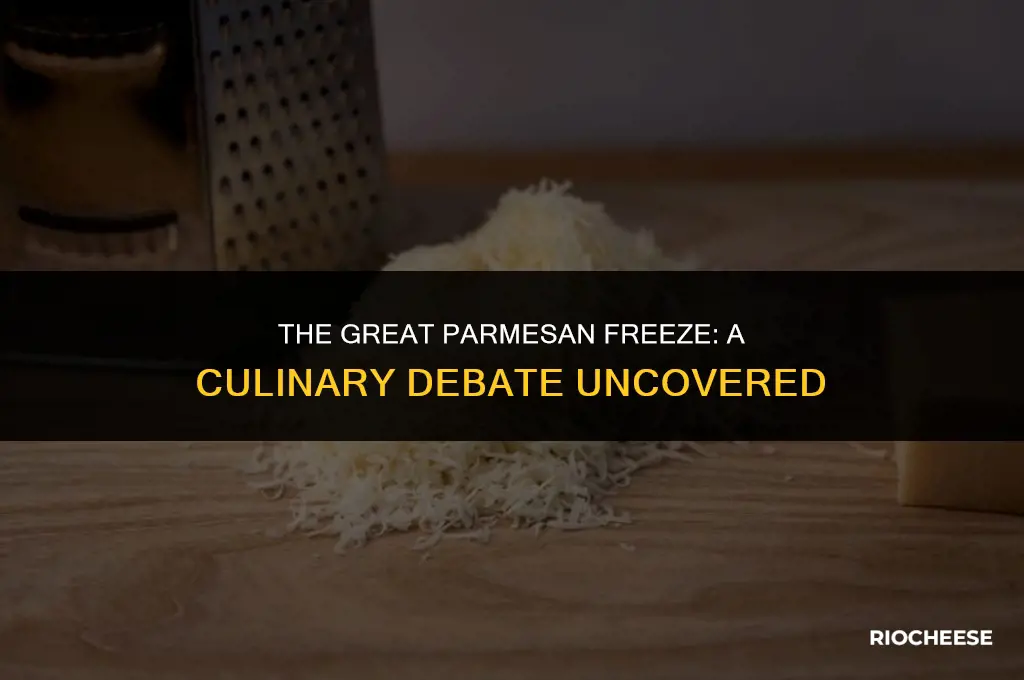
When it comes to storing Parmesan cheese, one common question is whether it's better to freeze it. Freezing can be a convenient way to preserve cheese for longer periods, but it may also affect its texture and flavor. In this article, we'll explore the pros and cons of freezing Parmesan cheese, as well as provide tips on how to do it properly if you choose to freeze it. We'll also discuss alternative storage methods that may be more suitable for preserving the quality of Parmesan cheese.
| Characteristics | Values |
|---|---|
| Freezing Method | Place grated or shredded Parmesan cheese in an airtight container or freezer bag, removing as much air as possible before sealing. |
| Texture Change | Freezing may cause the cheese to become slightly crumbly or lose some of its original texture. |
| Flavor Preservation | Freezing can help preserve the flavor of Parmesan cheese for several months. |
| Thawing Time | Allow the frozen cheese to thaw in the refrigerator for a few hours or at room temperature for about 30 minutes. |
| Usage After Thawing | Thawed Parmesan cheese is best used in cooking or baking, as its texture may not be ideal for sprinkling on top of dishes. |
| Storage Duration | Frozen Parmesan cheese can be stored for up to 6 months without significant loss of quality. |
| Moisture Content | Freezing can help reduce the moisture content of the cheese, which may extend its shelf life. |
| Nutritional Value | Freezing Parmesan cheese does not significantly affect its nutritional value, including protein, fat, and calcium content. |
| Appearance | Frozen and thawed Parmesan cheese may appear slightly different from fresh cheese, with a more crumbly or grainy texture. |
| Cost-Effectiveness | Freezing Parmesan cheese can be a cost-effective way to preserve leftover cheese and reduce food waste. |
| Convenience | Having frozen Parmesan cheese on hand can be convenient for quick meal preparation and cooking. |
| Quality Comparison | The quality of frozen Parmesan cheese may not be identical to fresh cheese, but it can still be a good option for many recipes. |
Explore related products


What You'll Learn
- Freezing Methods: Best practices for freezing parmesan cheese to maintain quality and prevent freezer burn
- Texture Changes: How freezing affects the texture of parmesan cheese and whether it remains gratable
- Flavor Preservation: Analysis of how well freezing preserves the flavor of parmesan cheese compared to refrigeration
- Shelf Life: Comparison of the shelf life of parmesan cheese when frozen versus refrigerated
- Thawing Techniques: Recommended methods for safely thawing frozen parmesan cheese to ensure optimal taste and texture

Freezing Methods: Best practices for freezing parmesan cheese to maintain quality and prevent freezer burn
To maintain the quality of Parmesan cheese during freezing and prevent freezer burn, it is crucial to follow specific best practices. Freezer burn occurs when the moisture in the cheese evaporates and ice crystals form, leading to a dry, unappetizing texture. To avoid this, wrap the cheese tightly in plastic wrap or aluminum foil, ensuring there are no air pockets. This method helps to retain moisture and prevent the formation of ice crystals.
Another effective freezing method is to grate the Parmesan cheese before freezing. Grated cheese has a larger surface area, which allows it to freeze more quickly and evenly, reducing the risk of freezer burn. Once grated, spread the cheese in a single layer on a baking sheet and place it in the freezer. After the cheese is frozen, transfer it to an airtight container or freezer bag for long-term storage.
It is also important to consider the temperature of the freezer. Ideally, the freezer should be set at 0°F (-18°C) or below to ensure the cheese freezes quickly and thoroughly. Avoid placing the cheese near the freezer door, as this area is subject to temperature fluctuations that can lead to partial thawing and refreezing, compromising the quality of the cheese.
When freezing Parmesan cheese, it is essential to label and date the packages to keep track of how long the cheese has been stored. While frozen Parmesan cheese can last for several months, it is best to use it within 3-4 months for optimal flavor and texture. Thaw the cheese slowly in the refrigerator to prevent moisture from condensing and causing the cheese to become soggy.
In summary, to freeze Parmesan cheese effectively and prevent freezer burn, wrap it tightly, consider grating it before freezing, store it at the correct temperature, and label and date the packages. Following these best practices will help maintain the quality and flavor of the cheese for an extended period.
Parmesan Cheese: A Safe Choice for Expectant Mothers?
You may want to see also
Explore related products




Texture Changes: How freezing affects the texture of parmesan cheese and whether it remains gratable
Freezing parmesan cheese can significantly alter its texture, impacting its usability in various culinary applications. When parmesan is frozen, the moisture within the cheese forms ice crystals, which can disrupt the cheese's delicate structure. This process often results in a crumbly or grainy texture upon thawing, making it less ideal for grating over dishes like pasta or salads.
Despite these changes, frozen parmesan can still be grated, albeit with some adjustments. It's essential to allow the cheese to thaw slightly at room temperature before attempting to grate it. This helps to reduce the brittleness caused by the ice crystals, making it easier to achieve a finer grate. However, the texture may not return to its original state, and the cheese might not grate as smoothly as fresh parmesan.
The impact of freezing on parmesan's texture also depends on the cheese's age and quality. Younger, fresher parmesan is more susceptible to texture changes due to its higher moisture content. In contrast, older, more aged parmesan tends to be drier and may fare better in the freezer, retaining more of its original texture upon thawing.
To minimize texture changes when freezing parmesan, it's crucial to store it properly. Wrapping the cheese tightly in plastic wrap or aluminum foil can help prevent moisture loss and reduce the formation of ice crystals. Additionally, freezing parmesan in smaller portions can help maintain its texture, as smaller pieces freeze more quickly and evenly.
In conclusion, while freezing parmesan cheese can lead to texture changes, it doesn't necessarily render the cheese unusable. With proper storage and handling, frozen parmesan can still be enjoyed, albeit with some differences in texture and grating ease.
Exploring the Vegetarian Status of Great Value Parmesan Cheese
You may want to see also
Explore related products




Flavor Preservation: Analysis of how well freezing preserves the flavor of parmesan cheese compared to refrigeration
Freezing parmesan cheese is a common practice aimed at extending its shelf life. However, the impact of freezing on flavor preservation is a subject of debate. To analyze this, we need to delve into the chemical and physical changes that occur during the freezing process.
When parmesan cheese is frozen, the water content within the cheese forms ice crystals. These crystals can disrupt the cheese's texture and potentially lead to a loss of flavor. The freezing process also causes the cheese's fats to solidify, which can further alter its taste and mouthfeel. On the other hand, refrigeration slows down the metabolic activities of microorganisms, thereby preserving the cheese's flavor for a shorter period.
Studies have shown that freezing can lead to a slight decrease in the flavor quality of parmesan cheese. This is because the ice crystals formed during freezing can damage the cheese's cellular structure, resulting in a less intense flavor profile. However, the extent of flavor loss depends on the freezing method and the duration of storage. Rapid freezing and shorter storage times can minimize flavor degradation.
In comparison, refrigeration preserves the flavor of parmesan cheese better in the short term. The lower temperature slows down the enzymatic reactions that contribute to flavor development, but it does not cause the physical disruptions associated with freezing. However, refrigeration is not a long-term solution, as the cheese will eventually spoil due to microbial growth.
In conclusion, while freezing can extend the shelf life of parmesan cheese, it may come at the cost of a slight decrease in flavor quality. Refrigeration, on the other hand, preserves flavor better in the short term but does not provide a long-term storage solution. The choice between freezing and refrigeration ultimately depends on the desired storage duration and the acceptable level of flavor degradation.
The Truth About Parmesan: Is Fresh Cheese Fattening?
You may want to see also
Explore related products


Shelf Life: Comparison of the shelf life of parmesan cheese when frozen versus refrigerated
Parmesan cheese, a staple in many kitchens, has a shelf life that can be significantly extended through proper storage. When it comes to freezing versus refrigerating, the general consensus is that freezing is the superior method for long-term preservation. This is because freezing slows down the aging process and prevents the growth of bacteria and mold that can spoil the cheese.
Refrigerated parmesan cheese typically lasts for about 1-2 months, depending on the type and how it's stored. On the other hand, when frozen, parmesan cheese can last for up to 6-8 months. This makes freezing an excellent option for those who buy in bulk or don't use their cheese frequently.
However, it's important to note that the texture of parmesan cheese can change when frozen. The freezing process can cause the cheese to become more crumbly and less smooth. This is because the water content in the cheese expands when frozen, causing the cheese to crack and break apart. Despite this, the flavor of the cheese remains largely unaffected.
When freezing parmesan cheese, it's best to do so in small, tightly sealed containers or bags to prevent freezer burn and to make it easier to thaw only the amount you need. Thawing frozen parmesan cheese is simple - just leave it in the refrigerator overnight or at room temperature for a few hours.
In conclusion, while refrigerated parmesan cheese has a shorter shelf life, it maintains its original texture better than frozen cheese. However, for long-term storage and convenience, freezing is the better option. Just be prepared for a slightly different texture when you thaw and use the cheese.
Parmesan and Romano Cheese Storage: Refrigerate or Not?
You may want to see also
Explore related products




Thawing Techniques: Recommended methods for safely thawing frozen parmesan cheese to ensure optimal taste and texture
To safely thaw frozen parmesan cheese and ensure optimal taste and texture, it is crucial to follow recommended methods. One effective technique is to thaw the cheese in the refrigerator overnight. This slow thawing process allows the cheese to gradually reach room temperature, preserving its texture and flavor. Simply place the frozen cheese in a covered container or wrap it tightly in plastic wrap to prevent it from drying out or absorbing odors from other foods in the refrigerator.
Another method is to thaw the cheese at room temperature. This can be done by removing the cheese from its packaging and placing it on a clean plate or cutting board. Allow the cheese to sit at room temperature for about 30 minutes to an hour, depending on the size of the block. It is important to monitor the cheese during this process to ensure it does not start to melt or become too soft.
For a quicker thawing method, you can use the defrost function on your microwave. Place the frozen cheese on a microwave-safe plate and cover it with a damp paper towel. Set the microwave to the defrost setting and thaw the cheese for about 15-20 seconds per ounce. Check the cheese frequently to avoid overheating or melting. Once thawed, use the cheese immediately to maintain its quality.
It is essential to note that thawing frozen parmesan cheese in hot water or under direct heat should be avoided, as this can cause the cheese to melt unevenly and lose its texture. Additionally, be cautious not to leave the cheese out at room temperature for too long, as this can lead to bacterial growth and spoilage.
In conclusion, following these recommended thawing techniques will help preserve the taste and texture of frozen parmesan cheese, ensuring it remains a delicious and versatile ingredient in your culinary creations.
The Truth About Grated Parmesan: Cheese or Wood Chips?
You may want to see also
Frequently asked questions
Yes, freezing Parmesan cheese is an excellent way to extend its shelf life. When stored properly in the freezer, Parmesan can last for several months without significant loss of quality.
To freeze Parmesan cheese, wrap it tightly in plastic wrap or aluminum foil to prevent freezer burn. You can also place it in an airtight container. It's best to grate the cheese before freezing, as this makes it easier to use directly from the freezer without having to thaw it first.
Freezing Parmesan cheese can slightly alter its texture, making it a bit more crumbly. However, the taste remains largely unaffected. The cheese may become slightly less salty after freezing, but this is usually not noticeable in most dishes.
Parmesan cheese can be stored in the freezer for up to 6 months. After this period, the cheese may start to lose some of its quality and flavor, although it will still be safe to eat.

![Parmesan Snacking Cheese is a power-full snack, made with three simple ingredients to create this all natural, full flavor cheese. With only 80 calories and naturally packed with 7 grams of protein, this parmesan will satisfy your hunger to keep you full for longer. Pack these snackable cheeses in lunch boxes for a convenient and fulfilling snack, or pair with tomatoes, roasted peppers, cured meats, melon, grapes, crackers or bread for a quick appetizer. A smile with every bite! [ 18 oz , 1.12 lb ] 24 ct](https://m.media-amazon.com/images/I/51kwZ4FNsML._AC_UL320_.jpg)