Randy Chandler
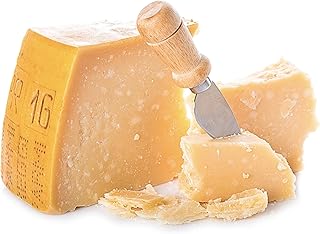
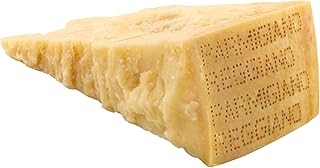
Parmesan cheese, known scientifically as *Parmigiano-Reggiano*, is a type of hard, aged cheese that originates from the Parma and Reggio regions of Italy. It is renowned for its distinctive flavor, which develops over a long aging process that can last from 12 to 36 months. Parmesan is often grated over pasta dishes, salads, and soups to add a savory, umami taste. Its hard texture makes it ideal for grating, as it can be finely shredded without losing its integrity. This cheese is a staple in Italian cuisine and is also widely used in various international dishes, prized for its ability to enhance flavors with just a small amount.
Explore related products


What You'll Learn
- Origin and Production: Parmesan cheese originates from Italy, specifically the regions of Parma and Reggio Emilia
- Nutritional Content: It is rich in protein, calcium, and vitamins, making it a nutritious addition to various dishes
- Culinary Uses: Parmesan is versatile in cooking, often used in sauces, soups, salads, and as a garnish
- Aging Process: The cheese undergoes a long aging process, typically 12 to 36 months, which contributes to its distinct flavor
- Texture and Flavor: Known for its hard texture and sharp, nutty flavor, Parmesan is a staple in many kitchens worldwide

Origin and Production: Parmesan cheese originates from Italy, specifically the regions of Parma and Reggio Emilia
Parmesan cheese, known scientifically as Parmigiano-Reggiano, boasts a storied origin that traces back to the medieval period in Italy. The name itself is a portmanteau of its two primary regions of production: Parma and Reggio Emilia. These regions, nestled in the Po Valley, have been instrumental in the development and perfection of this hard, granular cheese.
The production of Parmesan cheese is a meticulous process that involves several key steps. It begins with the careful selection of milk from local cows, which is then heated and mixed with rennet to initiate the coagulation process. The resulting curds are cut into small pieces and cooked until they reach a temperature of about 134°F (57°C). This high temperature is crucial as it helps to expel excess moisture and contributes to the cheese's distinctive texture.
After cooking, the curds are drained and pressed into large, round molds. These molds are then salted and left to age for a minimum of 12 months, during which time the cheese develops its characteristic flavor and texture. Some Parmesan cheeses are aged for up to 36 months or more, resulting in a more intense and complex flavor profile.
One of the unique aspects of Parmesan cheese production is the strict regulations that govern the process. In order to be officially labeled as Parmigiano-Reggiano, the cheese must adhere to specific production standards and be produced within the designated regions of Parma and Reggio Emilia. This ensures that the cheese maintains its authenticity and high quality.
Parmesan cheese has become a staple in Italian cuisine and is used in a variety of dishes, from pasta sauces to salads. Its rich, nutty flavor and hard texture make it a versatile ingredient that can be grated, shaved, or used in large chunks. The cheese's popularity has led to the creation of many imitation products, but true Parmesan cheese can only be produced in the traditional manner within the specific regions of Italy.
Unraveling the Mystery: Does Parmesan Cheese Contain Casein?
You may want to see also
Explore related products


Nutritional Content: It is rich in protein, calcium, and vitamins, making it a nutritious addition to various dishes
Parmesan cheese, known for its hard texture and rich flavor, is a nutritional powerhouse. It boasts an impressive protein content, with approximately 10 grams per 100 grams serving. This makes it an excellent choice for those looking to increase their protein intake, particularly in vegetarian or vegan diets where protein sources can be limited.
In addition to protein, Parmesan is an outstanding source of calcium. A 100-gram serving provides around 1,600 milligrams of calcium, which is a significant portion of the recommended daily intake. This is particularly beneficial for bone health, making Parmesan a valuable addition to the diets of individuals at risk for osteoporosis or those looking to maintain strong bones.
Parmesan cheese is also rich in vitamins, notably vitamin A, vitamin B12, and riboflavin. Vitamin A is essential for vision health and immune function, while vitamin B12 plays a crucial role in red blood cell formation and neurological health. Riboflavin, or vitamin B2, is important for energy production and cellular function. These vitamins, combined with the cheese's high protein and calcium content, make Parmesan a nutritious and versatile ingredient.
The nutritional benefits of Parmesan cheese can be easily incorporated into various dishes. Its grated form is particularly convenient for sprinkling over salads, pasta, and soups, adding both flavor and nutritional value. Parmesan can also be used in cooking, melted into sauces, or baked into casseroles, providing a rich source of nutrients in a variety of culinary applications.
In summary, Parmesan cheese is not only a flavorful culinary ingredient but also a highly nutritious food. Its high protein, calcium, and vitamin content make it a valuable addition to a balanced diet, particularly for those looking to support bone health, muscle function, and overall nutritional well-being.
Exploring the Rich World of Italian Cheeses: Grana Padano vs. Parmesan
You may want to see also
Explore related products


Culinary Uses: Parmesan is versatile in cooking, often used in sauces, soups, salads, and as a garnish
Parmesan cheese, with its rich, umami flavor and hard texture, is a staple in many kitchens around the world. Its versatility in cooking is unparalleled, making it a favorite among chefs and home cooks alike. One of the most common uses of Parmesan is in sauces, where it adds depth and complexity to dishes like pesto, Alfredo, and marinara. The cheese is often grated finely and stirred into the sauce towards the end of cooking, allowing it to melt slightly and infuse the dish with its distinctive flavor.
In addition to sauces, Parmesan is also a popular ingredient in soups. A sprinkle of grated Parmesan on top of a steaming bowl of minestrone or French onion soup can elevate the dish, adding a savory note that complements the other ingredients. The cheese can also be used as a base for soup, as in the case of Parmesan broth, where the rinds are simmered in water to create a rich, flavorful stock.
Salads are another area where Parmesan shines. Shaved thin or grated over a bed of greens, it adds a salty, nutty flavor that pairs well with a variety of dressings. Parmesan is particularly popular in Caesar salad, where it is combined with anchovies, garlic, and egg yolk to create a creamy, tangy dressing.
As a garnish, Parmesan is used to add a finishing touch to a wide range of dishes. A light dusting of grated Parmesan can enhance the flavor of pasta dishes, risottos, and even roasted vegetables. The cheese can also be used to create a crispy, cheesy topping for dishes like chicken Parmesan or eggplant Parmesan, where it is combined with breadcrumbs and herbs and baked until golden brown.
In conclusion, Parmesan cheese is a versatile ingredient that can be used in a variety of culinary applications. Its rich flavor and hard texture make it a valuable addition to sauces, soups, salads, and more, and its ability to add depth and complexity to dishes has made it a favorite among cooks and chefs around the world.
Keto Clarity: The Surprising Truth About Parmesan Cheese
You may want to see also
Explore related products


Aging Process: The cheese undergoes a long aging process, typically 12 to 36 months, which contributes to its distinct flavor
The aging process of Parmesan cheese is a critical factor in developing its unique flavor profile. This process typically spans from 12 to 36 months, during which the cheese undergoes significant transformations. The extended aging period allows for the breakdown of proteins and fats, leading to the formation of various flavor compounds. These compounds contribute to the cheese's characteristic nutty, savory, and slightly sweet taste.
During the aging process, Parmesan cheese is stored in controlled environments with specific temperature and humidity levels. This ensures that the cheese develops its flavors optimally while preventing spoilage. The cheese wheels are regularly turned and cleaned to maintain even aging and to prevent the growth of unwanted mold or bacteria.
The length of the aging process can vary depending on the desired flavor intensity. Younger Parmesan, aged for around 12 months, tends to have a milder flavor, while older Parmesan, aged for up to 36 months or more, develops a more robust and complex taste. The longer the cheese ages, the harder and more granular its texture becomes, which is why older Parmesan is often preferred for grating.
The aging process also affects the nutritional content of the cheese. As Parmesan ages, its lactose content decreases, making it more suitable for individuals with lactose intolerance. Additionally, the protein content becomes more concentrated, contributing to the cheese's reputation as a good source of protein.
In summary, the aging process of Parmesan cheese is a crucial element in determining its flavor, texture, and nutritional properties. The careful control of environmental conditions and the length of aging allow for the development of a wide range of flavor profiles, from mild to intense, making Parmesan a versatile and beloved cheese variety.
Exploring the Richness: Fontina vs. Parmesan Cheese Comparison
You may want to see also
Explore related products


Texture and Flavor: Known for its hard texture and sharp, nutty flavor, Parmesan is a staple in many kitchens worldwide
Parmesan cheese, renowned for its hard texture and sharp, nutty flavor, is a culinary staple across the globe. Its unique characteristics make it a versatile ingredient, adding depth and complexity to a wide range of dishes. From its origins in the Parma region of Italy, Parmesan has become synonymous with quality and tradition in the world of cheese.
The hard texture of Parmesan is a result of the aging process, during which the cheese is left to mature for several months. This process allows the proteins in the cheese to coagulate, creating a firm, granular structure. The sharpness of Parmesan's flavor is due to the high concentration of glutamates, which are natural flavor enhancers. As the cheese ages, these glutamates become more pronounced, giving Parmesan its distinctive taste.
Parmesan's hard texture and sharp flavor make it an ideal cheese for grating. When grated, Parmesan becomes even more versatile, as it can be easily sprinkled over pasta dishes, salads, and soups. The fine texture of grated Parmesan allows it to melt quickly and evenly, adding a burst of flavor to any dish. Additionally, grated Parmesan can be used as a topping for baked goods, such as breadsticks and focaccia, providing a savory crunch.
In many kitchens, Parmesan is considered a pantry essential. Its long shelf life and ability to add flavor to a variety of dishes make it a practical and delicious addition to any meal. Whether used in its whole form or grated, Parmesan's hard texture and sharp, nutty flavor continue to make it a beloved ingredient in cuisines around the world.
Exploring the Halal Status of Coles Parmesan Cheese
You may want to see also
Frequently asked questions
Grated hard cheese can be Parmesan, but not all grated hard cheeses are Parmesan. Parmesan is a specific type of hard cheese that originates from Italy and is made from cow's milk. It has a distinctive flavor and texture that sets it apart from other hard cheeses.
Some other types of hard cheese that can be grated include Pecorino Romano, Asiago, and Grana Padano. These cheeses have different flavors and textures than Parmesan, but they can be used in similar ways in cooking and baking.
The best way to tell if a grated hard cheese is Parmesan is to look for the label or packaging. Parmesan cheese is often sold in blocks or wedges with a distinctive rind, and it may be labeled as "Parmesan" or "Parmigiano-Reggiano." If you're buying grated cheese, look for a label that specifically says "grated Parmesan."
Yes, you can use grated hard cheese as a substitute for Parmesan in many recipes. However, keep in mind that the flavor and texture may be slightly different, so you may need to adjust the amount of cheese you use or the cooking time. It's always a good idea to taste the cheese before using it in a recipe to make sure it's the right flavor for your dish.


![Freshly grated, award-winning Grated Parmesan Cheese parmesan cheese is made with fresh milk gathered from local Wisconsin farmers. Aged for more than 10 months, it features a sweet, nutty flavor and tantalizing aroma that make it a tempting addition to a range of recipes. [ 16 oz , 1 lb ]](https://m.media-amazon.com/images/I/51aeKf2K17L._AC_UL320_.jpg)


![Grated Parmesan Cheese enhances your pastas, pizzas, seafood, salads and more with the bold taste of grated cheese. The sharp and tangy flavor complements your favorite recipes, and it's pre-grated to save you valuable prep time in the kitchen. Parmesan Cheese is sure to add great nutty and salty flavor to your favorite meals at any occasion. Sprinkle this Parmesan cheese over pasta dishes or add it your signature chicken Parmesan recipe for extra flavor . [ 24 oz , 1.5 lb ]](https://m.media-amazon.com/images/I/51aMA607ydL._AC_UL320_.jpg)