 Kamil Perry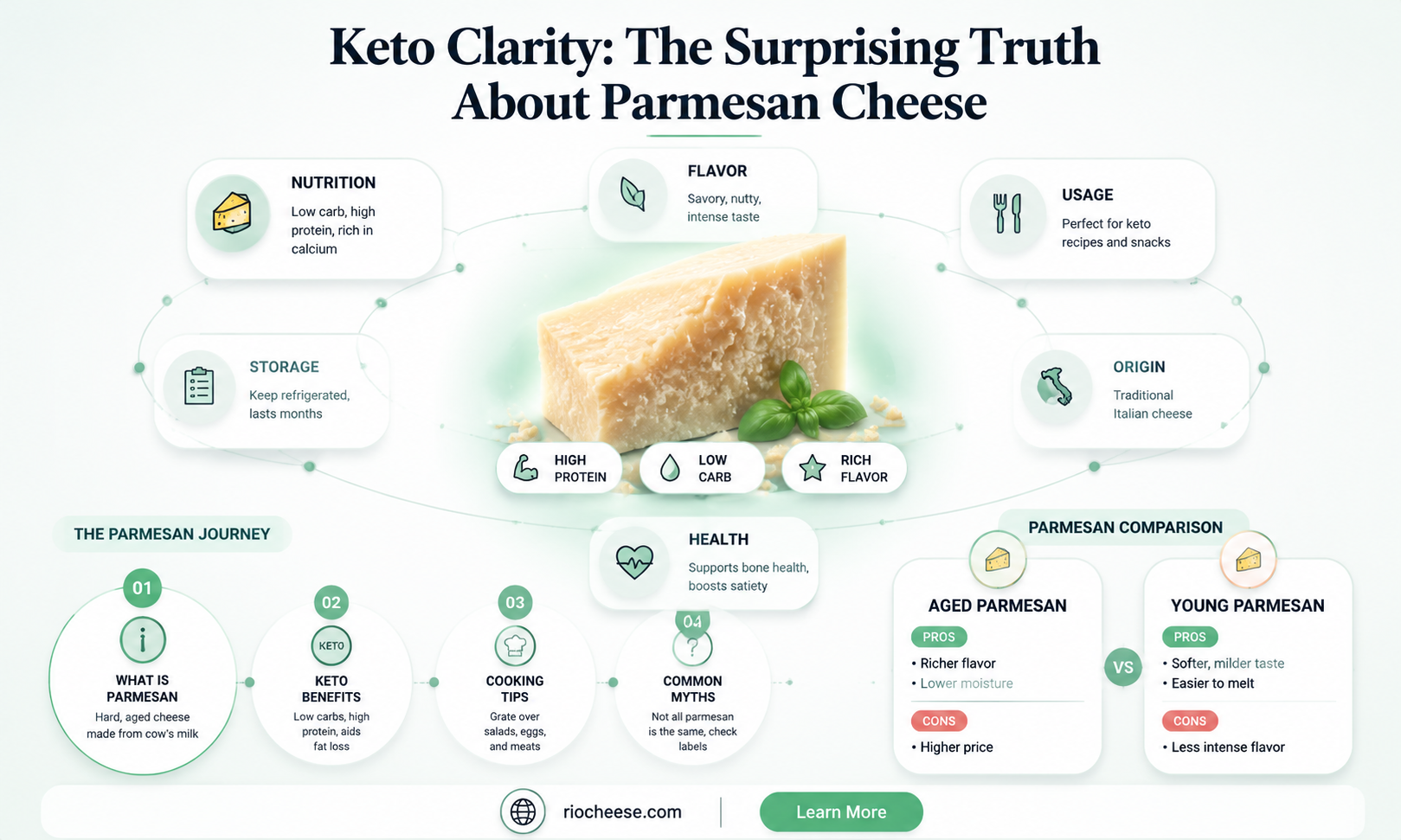
Cheese is a staple in the ketogenic diet due to its high fat and low carbohydrate content. Parmesan cheese, in particular, is a popular choice among keto dieters because of its rich flavor and versatility in cooking. However, not all types of cheese are suitable for a keto diet, and it's essential to know which ones fit within the dietary guidelines. In this article, we'll explore whether Parmesan cheese is a good fit for a keto diet and how to incorporate it into your meals.
Explore related products



What You'll Learn
- Keto Diet Basics: Understanding the ketogenic diet and its macronutrient requirements for weight loss and health
- Cheese on Keto: Exploring the types of cheese that fit within the keto diet's guidelines and their nutritional benefits
- Parmesan Cheese: Analyzing the specific nutritional profile of Parmesan cheese and its suitability for a ketogenic diet
- Keto Recipes with Parmesan: Discovering popular keto recipes that incorporate Parmesan cheese as an ingredient
- Health Benefits of Parmesan: Investigating the potential health benefits of consuming Parmesan cheese, including its impact on bone health and satiety

Keto Diet Basics: Understanding the ketogenic diet and its macronutrient requirements for weight loss and health
The ketogenic diet, commonly referred to as the keto diet, is a high-fat, low-carbohydrate diet that has gained popularity for its potential benefits in weight loss and overall health. The diet works by inducing a state of ketosis, where the body burns fat for fuel instead of carbohydrates. To achieve this, the keto diet requires a specific macronutrient ratio: approximately 70-80% of calories from fat, 15-20% from protein, and 5-10% from carbohydrates.
One of the key components of the keto diet is the inclusion of high-fat foods, such as cheese. Cheese is a rich source of fat and protein, making it a suitable choice for those following a ketogenic diet. However, not all types of cheese are created equal when it comes to their macronutrient profile. For example, hard cheeses like Parmesan tend to be higher in fat and lower in carbohydrates compared to softer cheeses like mozzarella.
When incorporating cheese into a keto diet, it's essential to be mindful of portion sizes and choose varieties that align with the diet's macronutrient requirements. A general guideline is to opt for full-fat cheeses and avoid low-fat or fat-free options, as these may contain added sugars or artificial ingredients that can hinder the body's ability to enter ketosis.
In addition to its macronutrient benefits, cheese also provides essential nutrients like calcium, vitamin D, and probiotics, which can contribute to overall health and well-being. However, it's important to note that cheese can be high in sodium, so individuals with high blood pressure or other health concerns should monitor their intake accordingly.
In conclusion, cheese can be a valuable addition to a ketogenic diet when consumed in moderation and chosen wisely. By understanding the macronutrient requirements of the keto diet and selecting appropriate cheese varieties, individuals can enjoy the benefits of this popular dietary approach while still satisfying their taste buds.
Exploring Vegetarian Options: Cello Organic Grated Parmesan Cheese
You may want to see also
Explore related products


Cheese on Keto: Exploring the types of cheese that fit within the keto diet's guidelines and their nutritional benefits
Cheese is a staple in many diets, but for those following a ketogenic diet, it's essential to know which types of cheese are suitable. The keto diet emphasizes high-fat, low-carbohydrate foods, and cheese can be a delicious and nutritious addition when chosen wisely. In this guide, we'll explore the types of cheese that fit within the keto diet's guidelines and their nutritional benefits.
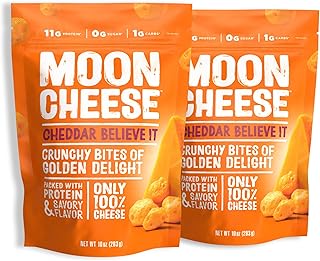
First, let's address the question of whether cheese is part of the keto diet. The answer is a resounding yes, but with some caveats. Not all cheeses are created equal, and some are more keto-friendly than others. The key is to choose cheeses that are high in fat and low in carbohydrates. Hard cheeses like Parmesan, cheddar, and Swiss are excellent choices because they are low in carbs and high in protein and fat. Soft cheeses like brie and mozzarella can also be included in moderation, but they tend to be higher in carbs.
One of the primary benefits of including cheese in a keto diet is its high-fat content. Fat is a crucial macronutrient on the keto diet, as it provides energy and helps the body enter a state of ketosis. Cheese is also a good source of protein, which is essential for muscle repair and growth. Additionally, cheese contains important vitamins and minerals like calcium, vitamin B12, and zinc.
When it comes to portion sizes, it's essential to be mindful of your cheese intake. While cheese can be a healthy addition to a keto diet, it's also calorie-dense. A general guideline is to aim for 1-2 ounces of cheese per serving. It's also important to pair your cheese with other keto-friendly foods like vegetables, nuts, and meats to create a balanced meal.
In conclusion, cheese can be a delicious and nutritious addition to a keto diet when chosen wisely. By focusing on high-fat, low-carbohydrate cheeses and being mindful of portion sizes, you can enjoy the benefits of cheese while staying within the keto diet's guidelines. Remember to always consult with a healthcare professional before making significant changes to your diet.
Unraveling the Mystery: Does Parmesan Cheese Contain Casein?
You may want to see also
Explore related products


Parmesan Cheese: Analyzing the specific nutritional profile of Parmesan cheese and its suitability for a ketogenic diet
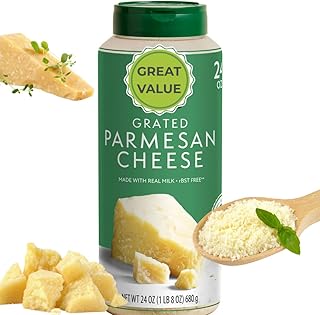
Parmesan cheese, known for its rich flavor and versatility in cooking, is a popular choice among those following a ketogenic diet. This hard, aged cheese is low in carbohydrates and high in fat, making it an ideal fit for keto dietary requirements. A one-ounce serving of Parmesan cheese contains approximately 1.2 grams of carbohydrates, 9.2 grams of fat, and 8.2 grams of protein. The high fat content, primarily composed of saturated fats, helps individuals on a ketogenic diet meet their daily macronutrient needs.
One of the key benefits of Parmesan cheese for keto dieters is its ability to add flavor without significantly increasing carbohydrate intake. This is particularly useful for those who need to restrict their carb consumption to maintain ketosis. Additionally, Parmesan cheese is a good source of calcium, phosphorus, and vitamin A, which are essential nutrients that can sometimes be challenging to obtain in sufficient quantities on a low-carb diet.
However, it's important to note that while Parmesan cheese is suitable for a ketogenic diet, moderation is key. The cheese is high in calories and fat, so overconsumption can lead to weight gain and other health issues. It's recommended to incorporate Parmesan cheese into meals in reasonable amounts and to balance it with other nutrient-dense foods.
In summary, Parmesan cheese can be a valuable addition to a ketogenic diet due to its low carbohydrate content, high fat content, and rich flavor profile. When consumed in moderation and as part of a balanced diet, it can help individuals meet their nutritional needs while enjoying a variety of delicious meals.
Unraveling the Health Impact of Cellulose in Parmesan Cheese
You may want to see also
Explore related products

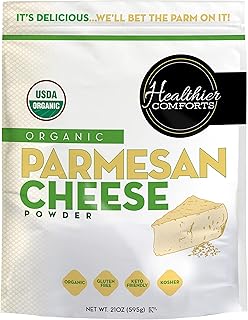


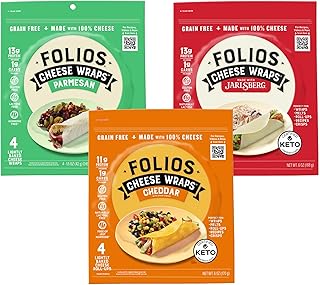
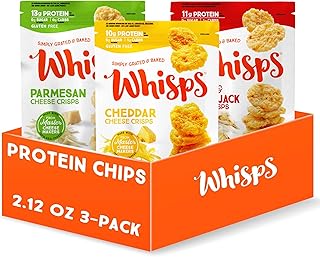
Keto Recipes with Parmesan: Discovering popular keto recipes that incorporate Parmesan cheese as an ingredient
Parmesan cheese is a versatile ingredient that can be incorporated into a variety of keto-friendly recipes. One popular dish is keto Parmesan crisps, which are made by baking shredded Parmesan cheese into crispy, savory snacks. These crisps can be enjoyed on their own or used as a topping for salads and soups.
Another delicious keto recipe featuring Parmesan is the Parmesan-crusted chicken. This dish involves coating chicken breasts in a mixture of grated Parmesan cheese, almond flour, and spices, then baking until golden and crispy. The Parmesan crust adds a rich, savory flavor to the chicken while keeping it low in carbs.
For a comforting keto side dish, try making Parmesan mashed cauliflower. Simply steam cauliflower florets until tender, then mash with butter, heavy cream, and grated Parmesan cheese. This creamy, cheesy side dish is a perfect substitute for traditional mashed potatoes and pairs well with a variety of keto main courses.
Parmesan cheese can also be used to make a flavorful keto sauce. Combine grated Parmesan with butter, heavy cream, and garlic in a saucepan, then simmer until the cheese is melted and the sauce is smooth. This Parmesan sauce can be drizzled over zucchini noodles, spaghetti squash, or any other low-carb pasta alternative for a satisfying keto meal.
When incorporating Parmesan cheese into keto recipes, it's important to choose a high-quality, full-fat Parmesan to ensure the best flavor and texture. Additionally, be mindful of portion sizes, as Parmesan cheese is high in calories and fat. By using Parmesan cheese in moderation and combining it with other keto-friendly ingredients, you can create delicious and satisfying keto meals that are both healthy and indulgent.
Explore related products


Health Benefits of Parmesan: Investigating the potential health benefits of consuming Parmesan cheese, including its impact on bone health and satiety
Parmesan cheese, a staple in many culinary traditions, offers several potential health benefits that make it a valuable addition to a balanced diet. One of the most significant advantages of consuming Parmesan is its positive impact on bone health. This cheese is rich in calcium, a mineral essential for maintaining strong bones and teeth. Regular consumption of calcium-rich foods like Parmesan can help prevent osteoporosis and support overall skeletal health.
In addition to its benefits for bone health, Parmesan cheese may also contribute to feelings of satiety. Satiety refers to the sensation of fullness and satisfaction after eating, which can help regulate appetite and prevent overeating. The high protein and fat content in Parmesan can slow down digestion, leading to a prolonged feeling of fullness. This can be particularly beneficial for individuals following a ketogenic diet, as it may help them stay within their daily caloric intake limits while still feeling satisfied.
Furthermore, Parmesan cheese contains conjugated linoleic acid (CLA), a type of fatty acid that has been linked to various health benefits. CLA is believed to have anti-inflammatory properties and may help reduce body fat levels. While more research is needed to fully understand the effects of CLA, its presence in Parmesan cheese adds to the overall nutritional value of this dairy product.
When incorporating Parmesan cheese into a ketogenic diet, it is essential to be mindful of portion sizes. While Parmesan is a nutritious food, it is also high in calories and fat. Therefore, it should be consumed in moderation as part of a well-rounded keto meal plan. Additionally, individuals with lactose intolerance or dairy allergies should avoid consuming Parmesan cheese or opt for lactose-free varieties.
In conclusion, Parmesan cheese offers several potential health benefits, including supporting bone health, promoting satiety, and providing essential nutrients like calcium and CLA. When consumed as part of a balanced ketogenic diet, Parmesan can be a delicious and nutritious addition to meals. However, it is crucial to monitor portion sizes and consider individual dietary needs when incorporating this cheese into one's diet.
Frequently asked questions
Yes, cheese is generally considered a part of the keto diet as it is high in fat and low in carbohydrates. However, it's important to choose the right types of cheese that fit within your daily macro limits.
The best types of cheese for a keto diet are those that are high in fat and low in carbs. Some examples include cheddar, mozzarella, Swiss, and blue cheese. It's best to avoid cheeses that are high in sugar or have added ingredients that could increase the carb content.
The amount of cheese you can eat on a keto diet depends on your individual macro limits. Generally, it's recommended to keep your cheese intake moderate, as it can be easy to overdo it. A good rule of thumb is to aim for about 1-2 ounces of cheese per day.
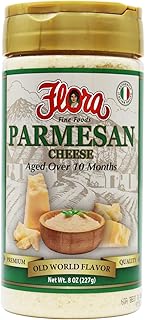
Yes, Parmesan cheese is keto-friendly as it is high in fat and low in carbs. However, it's important to note that some brands of Parmesan cheese may contain added sugars or other ingredients that could increase the carb content. Be sure to check the nutrition label before purchasing.
Yes, cheese can be used as a substitute for other ingredients on a keto diet. For example, you can use shredded cheese in place of breadcrumbs for coating chicken or fish, or you can use cheese as a topping for salads or vegetables instead of croutons or other high-carb toppings.



![Parmesan Snacking Cheese is a power-full snack, made with three simple ingredients to create this all natural, full flavor cheese. With only 80 calories and naturally packed with 7 grams of protein, this parmesan will satisfy your hunger to keep you full for longer. Pack these snackable cheeses in lunch boxes for a convenient and fulfilling snack, or pair with tomatoes, roasted peppers, cured meats, melon, grapes, crackers or bread for a quick appetizer. A smile with every bite! [ 18 oz , 1.12 lb ] 24 ct](https://m.media-amazon.com/images/I/51kwZ4FNsML._AC_UL320_.jpg)


