Randy Chandler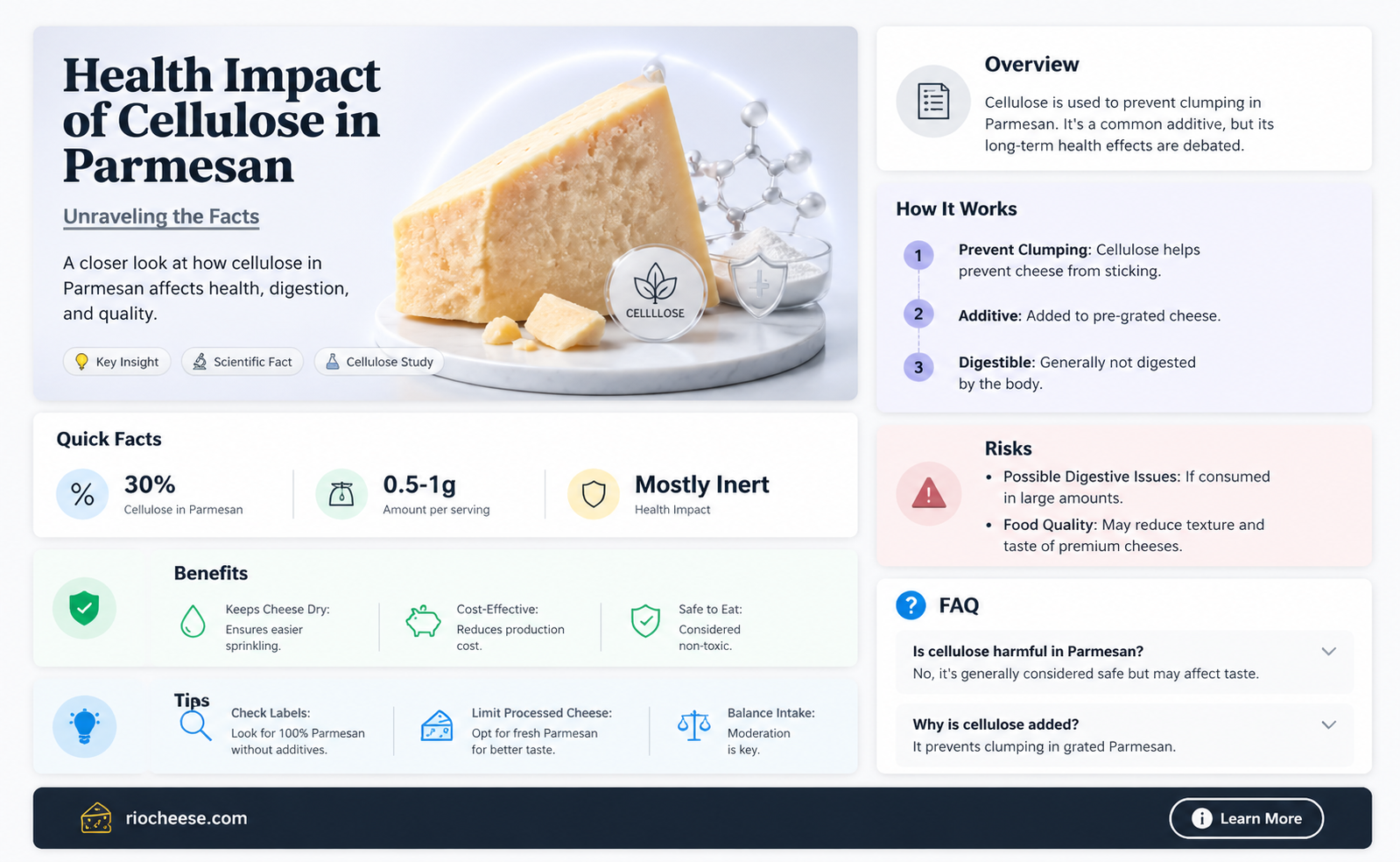
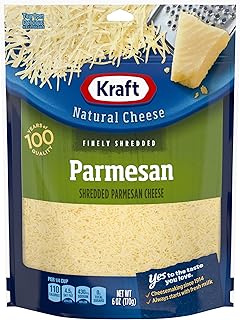
Cellulose is a common additive found in many processed foods, including some varieties of Parmesan cheese. It's used as an anti-caking agent to prevent the cheese from clumping. While cellulose itself is generally considered safe for consumption and is a natural component of plant cell walls, its presence in Parmesan cheese can be a concern for some consumers. The debate over whether cellulose in Parmesan cheese is harmful often centers around the source and processing of the cellulose, as well as the overall quality and nutritional value of the cheese. Some argue that cellulose can be difficult for the body to digest and may contribute to gastrointestinal issues, while others maintain that it is harmless in the amounts typically consumed. Understanding the role of cellulose in Parmesan cheese and its potential health implications can help consumers make informed decisions about their dietary choices.
Explore related products


What You'll Learn
- Cellulose in Parmesan Cheese: Understanding its role as an anti-caking agent and potential health impacts
- Nutritional Content: Analyzing the nutritional value of Parmesan cheese, including its vitamins, minerals, and protein content
- Health Benefits: Exploring the potential health benefits of consuming Parmesan cheese, such as bone health and satiety
- Possible Side Effects: Investigating any possible side effects or allergies associated with cellulose or Parmesan cheese consumption
- Comparison to Other Cheeses: Comparing the cellulose content and nutritional profile of Parmesan cheese to other types of cheese

Cellulose in Parmesan Cheese: Understanding its role as an anti-caking agent and potential health impacts
Cellulose is a common additive in many food products, including Parmesan cheese, where it serves as an anti-caking agent. Its primary function is to prevent the cheese from clumping together, ensuring a smooth and consistent texture. This is particularly important for grated Parmesan cheese, which is often used as a topping or ingredient in various dishes.
From a health perspective, cellulose is generally considered safe for consumption. It is a non-digestible fiber that passes through the digestive system without being broken down or absorbed. This means that it does not contribute to calorie intake and does not have a significant impact on blood sugar levels or other metabolic processes.
However, some individuals may experience gastrointestinal discomfort when consuming large amounts of cellulose. This can include symptoms such as bloating, gas, and abdominal pain. It is important to note that these effects are typically associated with excessive intake of cellulose-containing foods, rather than moderate consumption.
In the context of Parmesan cheese, the amount of cellulose used is generally minimal and is unlikely to cause any adverse health effects for most people. It is worth mentioning that there are different types of cellulose used in food products, including microcrystalline cellulose and powdered cellulose. These types of cellulose are specifically designed for use in food and are subject to regulatory oversight to ensure their safety.
Overall, while cellulose in Parmesan cheese may not be a cause for concern for the majority of individuals, it is always advisable to consume food additives in moderation and to be aware of any potential sensitivities or allergies. As with any dietary concern, it is recommended to consult with a healthcare professional for personalized advice.
Unraveling the Mystery: Does Parmesan Cheese Contain Casein?
You may want to see also
Explore related products


Nutritional Content: Analyzing the nutritional value of Parmesan cheese, including its vitamins, minerals, and protein content
Parmesan cheese is renowned not only for its rich flavor but also for its impressive nutritional profile. A hard, aged cheese made from cow's milk, Parmesan is a powerhouse of nutrients that can contribute positively to a balanced diet. One of the standout features of Parmesan is its high protein content. A single ounce (about 28 grams) of Parmesan cheese contains approximately 10 grams of protein, making it an excellent choice for those looking to increase their protein intake. This protein is also of high quality, containing all nine essential amino acids that the body cannot produce on its own.
In addition to protein, Parmesan is a good source of several important vitamins and minerals. It is particularly rich in calcium, with an ounce providing about 320 milligrams, or roughly 32% of the recommended daily intake for adults. Calcium is crucial for maintaining strong bones and teeth, and it plays a role in muscle function and nerve transmission. Parmesan also contains significant amounts of phosphorus, magnesium, and potassium, all of which are essential for various bodily functions.
Vitamin-wise, Parmesan is a notable source of Vitamin A, Vitamin B12, and riboflavin (Vitamin B2). Vitamin A is important for vision, immune function, and skin health, while Vitamin B12 is essential for the production of red blood cells and the maintenance of the nervous system. Riboflavin helps the body convert food into energy and is important for cellular function and growth.
However, it's important to note that Parmesan cheese is also high in sodium and saturated fat. An ounce of Parmesan contains about 460 milligrams of sodium, which is roughly 20% of the recommended daily limit for most adults. High sodium intake can contribute to hypertension and other cardiovascular issues. Similarly, the saturated fat content in Parmesan, about 4.5 grams per ounce, should be consumed in moderation as part of a heart-healthy diet.
In conclusion, while Parmesan cheese offers a range of valuable nutrients, it should be enjoyed as part of a balanced diet that takes into account its higher sodium and saturated fat content. By doing so, one can reap the nutritional benefits of this flavorful cheese without compromising overall health.
Exploring Vegetarian Options: Cello Organic Grated Parmesan Cheese
You may want to see also
Explore related products




Health Benefits: Exploring the potential health benefits of consuming Parmesan cheese, such as bone health and satiety
Parmesan cheese, a popular hard cheese known for its rich flavor and versatility in cooking, offers several potential health benefits. One of the key advantages of consuming Parmesan cheese is its positive impact on bone health. This cheese is an excellent source of calcium, a mineral essential for maintaining strong bones and teeth. Calcium also plays a crucial role in muscle function, nerve transmission, and hormonal secretion. By incorporating Parmesan cheese into your diet, you can support your body's calcium needs, potentially reducing the risk of osteoporosis and fractures as you age.
In addition to its bone health benefits, Parmesan cheese may also contribute to feelings of satiety. Satiety refers to the sensation of fullness and satisfaction after eating, which can help in managing weight and preventing overeating. The high protein content in Parmesan cheese is likely responsible for this effect, as protein is known to be more satiating than carbohydrates or fats. Consuming a small amount of Parmesan cheese as part of a balanced meal may help you feel fuller for longer, potentially leading to reduced calorie intake and weight management.
Furthermore, Parmesan cheese contains other essential nutrients that support overall health. It is a good source of vitamin A, which is important for vision, immune function, and skin health. The cheese also provides vitamin B12, necessary for red blood cell formation and neurological function. Additionally, Parmesan cheese contains phosphorus, which works alongside calcium to build strong bones and teeth, and is involved in energy production and cell growth.
While Parmesan cheese offers these health benefits, it is important to consume it in moderation due to its high calorie and sodium content. Excessive intake of sodium can lead to high blood pressure and other cardiovascular issues, while consuming too many calories can contribute to weight gain. As with any food, balance and moderation are key to reaping the health benefits of Parmesan cheese without adverse effects.
In conclusion, Parmesan cheese can be a nutritious addition to a balanced diet, offering benefits for bone health, satiety, and overall well-being. By understanding its nutritional profile and consuming it in moderation, you can enjoy the flavors and health advantages that this cheese has to offer.
Explore related products


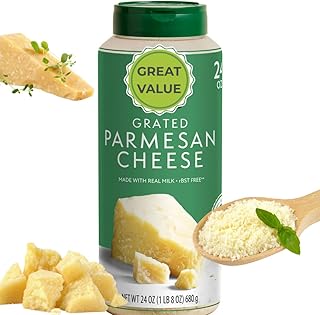
Possible Side Effects: Investigating any possible side effects or allergies associated with cellulose or Parmesan cheese consumption
Cellulose, a common additive in Parmesan cheese, has raised concerns among consumers regarding its potential health impacts. While generally recognized as safe by food regulatory bodies, some individuals may experience side effects or allergic reactions to cellulose consumption. These reactions can manifest as gastrointestinal discomfort, bloating, or skin irritation. It is crucial for consumers to be aware of these potential side effects and monitor their reactions to cellulose-containing products.
In rare cases, individuals with severe allergies to cellulose may experience anaphylaxis, a life-threatening allergic reaction. Symptoms of anaphylaxis include difficulty breathing, swelling of the throat, and a sudden drop in blood pressure. If you suspect an allergy to cellulose, it is essential to consult a healthcare professional for proper diagnosis and management.
Moreover, the consumption of Parmesan cheese, particularly in large quantities, can lead to increased sodium intake, which may contribute to hypertension and cardiovascular disease. Individuals with pre-existing health conditions, such as high blood pressure or heart disease, should consume Parmesan cheese in moderation and consult their healthcare provider for personalized dietary advice.
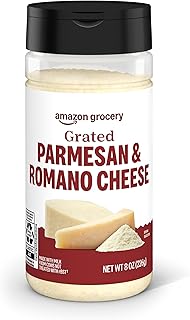
To mitigate potential side effects, consumers can opt for Parmesan cheese brands that do not contain cellulose or choose alternative cheese options. Additionally, incorporating a balanced diet rich in whole foods and monitoring portion sizes can help minimize the risk of adverse reactions associated with cellulose or Parmesan cheese consumption.
In conclusion, while cellulose in Parmesan cheese is generally considered safe, it is essential to be aware of potential side effects and allergies. Consumers should monitor their reactions, consult healthcare professionals if necessary, and make informed dietary choices to maintain optimal health.
Explore related products


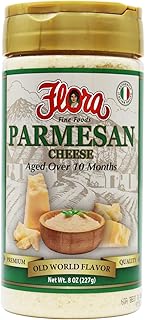


Comparison to Other Cheeses: Comparing the cellulose content and nutritional profile of Parmesan cheese to other types of cheese
Parmesan cheese, renowned for its rich flavor and versatility in culinary applications, stands out among other cheeses due to its unique nutritional profile and cellulose content. Cellulose, a common additive in many cheeses, serves as a stabilizing agent and prevents clumping. In Parmesan, cellulose is present but not predominant, typically comprising less than 4% of the cheese's composition. This is comparable to other hard cheeses like Pecorino Romano and aged Gouda, which also contain small amounts of cellulose.
Nutritionally, Parmesan is a powerhouse, offering a high protein content (about 35 grams per 100 grams of cheese) and a good source of calcium, phosphorus, and vitamins A and B12. When compared to softer cheeses like Brie or Camembert, Parmesan has a lower fat content and fewer calories, making it a healthier option for those monitoring their dietary intake. However, it does have a higher sodium content, which is a consideration for individuals on a low-sodium diet.
The cellulose in Parmesan cheese is generally considered safe for consumption. It is derived from plant sources and is classified as a "generally recognized as safe" (GRAS) substance by the FDA. Unlike some other food additives, cellulose does not have a significant impact on the body's ability to absorb nutrients from the cheese. In fact, the presence of cellulose can help maintain the cheese's texture and shelf life, ensuring that consumers can enjoy its nutritional benefits over a longer period.
In conclusion, while Parmesan cheese does contain cellulose, its overall nutritional profile makes it a beneficial addition to a balanced diet. The cellulose content is minimal and does not detract from the cheese's health advantages. As with any food, moderation is key, and individuals with specific dietary concerns should consult with a healthcare professional for personalized advice.
Frequently asked questions
Cellulose is a natural fiber found in the cell walls of plants. It's added to Parmesan cheese as an anti-caking agent to prevent the cheese from clumping and to maintain its texture.
Yes, cellulose is generally considered safe to consume. It's a common food additive used in various products, and the human body can tolerate it without any significant adverse effects.
Cellulose itself does not provide significant nutritional benefits as it is not digestible by the human body. However, it can contribute to the overall fiber content of a food product.
The amount of cellulose added to Parmesan cheese varies by brand and recipe. It's usually added in small quantities, just enough to achieve the desired texture without affecting the cheese's flavor or nutritional profile significantly.
Yes, there are alternatives to cellulose that can be used as anti-caking agents in Parmesan cheese. Some of these include potato starch, cornstarch, and sodium aluminosulfate. However, cellulose is a popular choice due to its natural origin and effectiveness.