Kamil Perry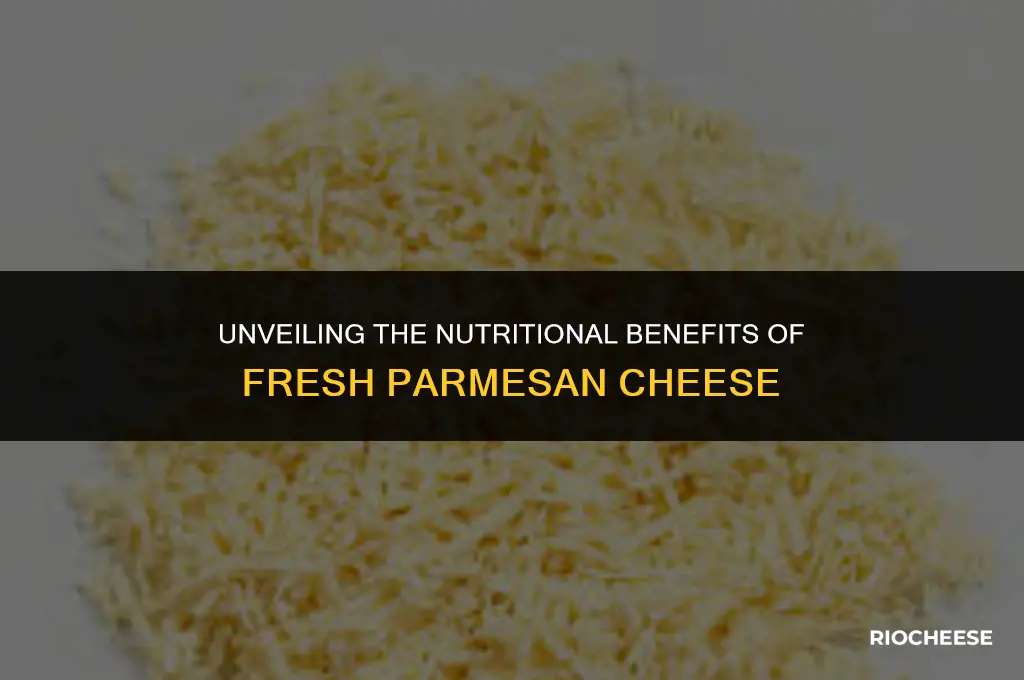
Fresh Parmesan cheese is a popular ingredient in many cuisines, known for its rich flavor and versatility. When considering its health benefits, it's important to note that Parmesan is a good source of protein, calcium, and several essential vitamins and minerals. However, it is also high in calories, fat, and sodium, which can be a concern for those monitoring their dietary intake. The key to incorporating Parmesan into a healthy diet lies in moderation and balance. By understanding its nutritional profile and using it judiciously, one can enjoy the taste and benefits of fresh Parmesan cheese without compromising overall health goals.
Explore related products


What You'll Learn
- Nutritional Benefits: Fresh Parmesan is rich in protein, calcium, and vitamins A and B12
- Calorie Content: A 1-ounce serving contains about 100 calories, making it a moderate-calorie cheese option
- Fat Content: Parmesan is relatively low in fat compared to other cheeses, with around 7 grams per ounce
- Sodium Levels: It is high in sodium, with approximately 450 milligrams per ounce, which may be a concern for some
- Potential Health Risks: Consuming excessive amounts can lead to high cholesterol and sodium intake, posing heart health risks

Nutritional Benefits: Fresh Parmesan is rich in protein, calcium, and vitamins A and B12
Fresh Parmesan cheese is a nutritional powerhouse, offering a variety of health benefits due to its rich nutrient profile. One of the key advantages of incorporating fresh Parmesan into your diet is its high protein content. Protein is essential for building and repairing tissues, making enzymes and hormones, and maintaining healthy bones, muscles, and skin. A single ounce of Parmesan cheese provides approximately 10 grams of protein, making it an excellent source for those looking to boost their protein intake.
In addition to protein, fresh Parmesan is an outstanding source of calcium. Calcium plays a crucial role in maintaining strong bones and teeth, and it is also involved in muscle function, nerve transmission, and hormonal secretion. Consuming adequate amounts of calcium can help prevent osteoporosis and support overall bone health. With about 330 milligrams of calcium per ounce, Parmesan cheese can significantly contribute to meeting daily calcium requirements.
Vitamins A and B12 are also abundant in fresh Parmesan. Vitamin A is important for maintaining healthy vision, immune function, and skin health. It acts as an antioxidant, helping to protect cells from damage caused by free radicals. Vitamin B12, on the other hand, is vital for the production of red blood cells, the functioning of the nervous system, and the synthesis of DNA. A deficiency in vitamin B12 can lead to anemia, nerve damage, and other health issues. By including fresh Parmesan in your diet, you can enhance your intake of these essential vitamins.
Moreover, fresh Parmesan contains other important nutrients such as phosphorus, magnesium, and zinc. Phosphorus is necessary for bone and teeth formation, energy production, and cell growth. Magnesium supports muscle and nerve function, blood sugar control, and protein synthesis. Zinc is crucial for immune function, wound healing, and the metabolism of carbohydrates, fats, and proteins.
To maximize the nutritional benefits of fresh Parmesan, it is best to consume it in moderation as part of a balanced diet. Adding it to salads, pasta dishes, or using it as a garnish can provide a flavorful and nutritious boost to your meals.
Exploring Enzyme-Modified Parmesan: A Vegetarian's Guide to Cheese
You may want to see also
Explore related products




Calorie Content: A 1-ounce serving contains about 100 calories, making it a moderate-calorie cheese option
Fresh Parmesan cheese, with its rich flavor and versatile use in culinary dishes, often raises questions about its health benefits and drawbacks. One key aspect to consider is its calorie content. A 1-ounce serving of fresh Parmesan cheese contains approximately 100 calories, positioning it as a moderate-calorie cheese option. This calorie count is relatively low compared to other cheeses like cheddar or mozzarella, making it a potentially appealing choice for those monitoring their calorie intake.
However, it's essential to consider the broader nutritional profile of Parmesan cheese. While it is lower in calories, it is also higher in sodium and saturated fat compared to some other cheese varieties. A 1-ounce serving of Parmesan cheese can contain around 400 milligrams of sodium, which is a significant portion of the recommended daily intake. Additionally, the saturated fat content, although not exceedingly high, should be taken into account, especially for individuals managing heart health or cholesterol levels.
Despite these considerations, Parmesan cheese does offer some nutritional benefits. It is a good source of protein, calcium, and vitamins A and B12. These nutrients contribute to muscle health, bone strength, and overall immune function. Moreover, the intense flavor of Parmesan means that a small amount can often suffice to add depth to dishes, potentially reducing the overall calorie and fat intake from cheese in a meal.
In conclusion, while fresh Parmesan cheese is a moderate-calorie option, its healthiness depends on individual dietary needs and goals. For those looking to reduce calorie intake without sacrificing flavor, Parmesan can be a suitable choice. However, individuals with specific health concerns, such as high blood pressure or heart disease, should consume it in moderation due to its sodium and saturated fat content. As with any food, balance and portion control are key to incorporating Parmesan cheese into a healthy diet.
The Art of Grating Parmesan: A Crafty Cheese Conundrum
You may want to see also
Explore related products


Fat Content: Parmesan is relatively low in fat compared to other cheeses, with around 7 grams per ounce
Fresh Parmesan cheese is often scrutinized for its health benefits, and one of the key aspects to consider is its fat content. Compared to other cheeses, Parmesan is relatively low in fat, with around 7 grams per ounce. This makes it a more suitable option for those who are conscious about their fat intake but still wish to enjoy the rich flavor of cheese.
The lower fat content in Parmesan can be attributed to its aging process. As the cheese ages, some of the fat is broken down, resulting in a leaner product. This is in contrast to softer cheeses, which tend to retain more fat. Additionally, Parmesan is a hard cheese, which means it has less moisture content overall, further contributing to its lower fat percentage by weight.
Despite its lower fat content, Parmesan is still a calorie-dense food due to its high protein and calcium content. Therefore, while it may be a healthier choice in terms of fat, it should still be consumed in moderation as part of a balanced diet. For individuals looking to reduce their calorie intake, portion control is key when enjoying Parmesan cheese.
In terms of nutritional benefits, Parmesan provides a good source of protein, calcium, and vitamins A and B12. These nutrients are essential for maintaining strong bones, supporting muscle function, and promoting overall health. The combination of low fat and high nutrient content makes Parmesan a valuable addition to a health-conscious diet.
When incorporating Parmesan into meals, it's important to consider the overall fat content of the dish. For example, if a recipe calls for a large amount of Parmesan, it may be necessary to adjust other ingredients to maintain a balanced fat intake. Additionally, choosing fresh, high-quality Parmesan can enhance the flavor of dishes without requiring excessive amounts, thus helping to control fat and calorie consumption.
In conclusion, while fresh Parmesan cheese is relatively low in fat compared to other cheeses, it should still be consumed mindfully as part of a balanced diet. Its nutritional benefits, including high protein and calcium content, make it a healthy choice when eaten in moderation. By being aware of portion sizes and considering the overall fat content of meals, individuals can enjoy the rich flavor of Parmesan while maintaining a health-conscious lifestyle.
Keto Clarity: The Surprising Truth About Parmesan Cheese
You may want to see also
Explore related products


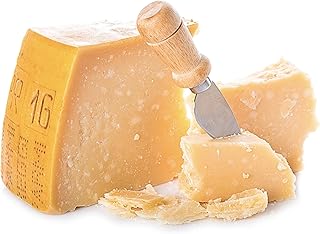
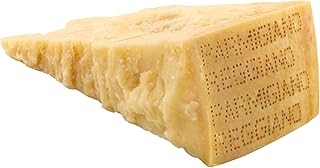

Sodium Levels: It is high in sodium, with approximately 450 milligrams per ounce, which may be a concern for some
Fresh Parmesan cheese, while a flavorful addition to many dishes, comes with a significant sodium content that warrants attention. Each ounce of this cheese contains approximately 450 milligrams of sodium, a substantial amount considering the recommended daily intake. For individuals monitoring their sodium levels, such as those with hypertension or heart disease, this high sodium concentration could pose health risks.
The sodium content in Parmesan cheese primarily comes from the salt used during the cheese-making process and the natural salt present in the milk. While sodium is an essential mineral for maintaining fluid balance and nerve function, excessive intake can lead to increased blood pressure and strain on the cardiovascular system. Therefore, it is crucial for those with sodium sensitivities or cardiovascular concerns to be mindful of their Parmesan cheese consumption.
To put the sodium content into perspective, consider that the American Heart Association recommends limiting daily sodium intake to less than 2,300 milligrams for healthy individuals and even less for those with certain health conditions. Consuming just one ounce of Parmesan cheese would account for nearly 20% of this recommended limit, highlighting the need for moderation.
For those who enjoy the taste of Parmesan cheese but are concerned about its sodium content, there are strategies to mitigate its impact. One approach is to use Parmesan cheese sparingly, reserving it for dishes where its flavor is essential. Another option is to look for lower-sodium cheese alternatives or to explore other ways to add flavor to meals without relying on high-sodium ingredients.
In conclusion, while fresh Parmesan cheese can be a healthy choice in moderation due to its protein and calcium content, its high sodium levels necessitate caution for certain individuals. By being aware of portion sizes and incorporating a variety of low-sodium foods into one's diet, it is possible to enjoy the benefits of Parmesan cheese while maintaining a balanced and heart-healthy diet.
Exploring the Halal Status of Coles Parmesan Cheese
You may want to see also
Explore related products
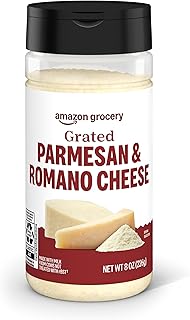


Potential Health Risks: Consuming excessive amounts can lead to high cholesterol and sodium intake, posing heart health risks
Fresh Parmesan cheese, while a flavorful addition to many dishes, carries potential health risks when consumed in excess. The primary concern lies in its high cholesterol content. Cholesterol, a waxy substance found in the blood, is essential for building cells, but elevated levels can increase the risk of heart disease. A single ounce of Parmesan cheese contains approximately 30 milligrams of cholesterol, which is 10% of the daily recommended intake for an average adult. For individuals with high cholesterol or those at risk of cardiovascular issues, this amount can be significant.
In addition to cholesterol, Parmesan cheese is also high in sodium. Sodium is crucial for maintaining fluid balance and nerve function, but excessive intake can lead to hypertension (high blood pressure), further increasing the risk of heart disease and stroke. An ounce of Parmesan cheese can contain over 400 milligrams of sodium, which is roughly 18% of the daily recommended limit for most adults. This high sodium content can be particularly problematic for those with hypertension or on a sodium-restricted diet.
It's important to note that moderation is key. While occasional consumption of Parmesan cheese is unlikely to pose significant health risks, regular and excessive intake can contribute to long-term health issues. For those looking to enjoy Parmesan cheese while maintaining a healthy diet, it's advisable to use it sparingly and balance it with other nutrient-dense foods that are lower in cholesterol and sodium.
Individuals with specific health conditions, such as hypercholesterolemia (high cholesterol) or hypertension, should consult with their healthcare provider or a registered dietitian to determine the appropriate amount of Parmesan cheese to include in their diet. In some cases, alternatives like reduced-fat or reduced-sodium cheese options may be recommended to help manage cholesterol and sodium intake while still allowing for the enjoyment of cheese.
In conclusion, while fresh Parmesan cheese can be a tasty and nutritious addition to a balanced diet, its high cholesterol and sodium content necessitates moderation, especially for those with heart health concerns. By being mindful of portion sizes and incorporating a variety of other healthy foods, individuals can enjoy Parmesan cheese without significantly increasing their risk of cardiovascular issues.
Feta vs. Parmesan: Unraveling the Health Benefits of Each Cheese
You may want to see also
Frequently asked questions
Fresh Parmesan cheese can be a healthy addition to a balanced diet when consumed in moderation. It is a good source of protein, calcium, and vitamins A and B12. However, it is also high in saturated fat and sodium, so it's important to watch portion sizes.
The recommended serving size for Parmesan cheese is about 1 ounce (28 grams). This amount provides a good balance of nutrients without excessive intake of saturated fat and sodium.
Parmesan cheese offers several health benefits, including:
- High protein content, which is essential for muscle growth and repair.
- Rich in calcium, which supports strong bones and teeth.
- Contains vitamins A and B12, which are important for immune function and energy production.
- May help lower blood pressure due to its potassium content.
While Parmesan cheese can be a healthy choice, there are some potential health risks to consider:
- High in saturated fat, which may increase cholesterol levels and heart disease risk if consumed excessively.
- Contains a significant amount of sodium, which can contribute to high blood pressure and other health issues if intake is too high.
- Not suitable for individuals with lactose intolerance or dairy allergies.