Patrick Oconnell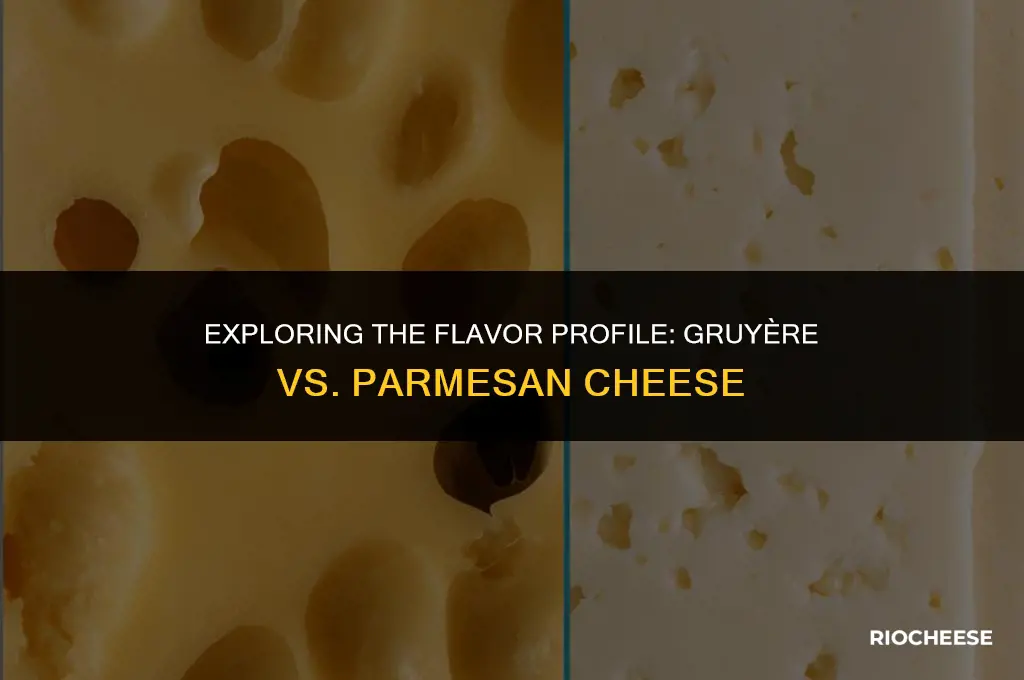
Gruyère and Parmesan are two distinct types of cheese, each with its own unique characteristics and culinary uses. While they share some similarities, such as being hard cheeses with a nutty flavor profile, they differ significantly in terms of origin, texture, and taste. Gruyère, a Swiss cheese, is known for its smooth, creamy texture and slightly sweet, nutty flavor, making it a popular choice for melting and use in dishes like fondue and grilled cheese sandwiches. On the other hand, Parmesan, an Italian cheese, is renowned for its sharp, salty, and umami-rich taste, as well as its granular texture, which makes it an excellent grating cheese for pasta dishes and salads. Despite these differences, both cheeses are highly valued in the culinary world for their versatility and robust flavors.
| Characteristics | Values |
|---|---|
| Type of Cheese | Gruyère is a semi-hard Swiss cheese, while Parmesan is a hard Italian cheese. |
| Flavor Profile | Gruyère has a nutty, slightly sweet flavor, whereas Parmesan has a sharp, salty, and umami taste. |
| Texture | Gruyère is smooth and creamy, while Parmesan is granular and crumbly. |
| Aging Process | Gruyère is aged for about 6 months, whereas Parmesan is aged for at least 12 months, often up to 36 months. |
| Fat Content | Gruyère typically has a higher fat content than Parmesan. |
| Protein Content | Both cheeses have a similar protein content, but Parmesan is slightly higher. |
| Calcium Content | Parmesan is richer in calcium compared to Gruyère. |
| Sodium Content | Parmesan generally has a higher sodium content than Gruyère. |
| Moisture Content | Gruyère has a higher moisture content, making it softer, while Parmesan has a lower moisture content, contributing to its hardness. |
| Uses in Cooking | Gruyère is often used in fondue, grilled cheese sandwiches, and as a topping for baked potatoes. Parmesan is commonly grated over pasta dishes, used in soups, and as a garnish for salads. |
| Pairing with Wines | Gruyère pairs well with white wines like Chardonnay and Sauvignon Blanc, while Parmesan pairs well with red wines like Chianti and Cabernet Sauvignon. |
| Origin | Gruyère originates from Switzerland, specifically the Fribourg region, while Parmesan comes from Italy, particularly the Parma and Reggio Emilia regions. |
| Production Process | Both cheeses are made from cow's milk, but the production process differs. Gruyère is made using a traditional Swiss method involving heating the curd in a copper vat, while Parmesan is made using a process that involves cooking the curd in whey. |
| Rind | Gruyère has a thin, smooth rind that is often removed before eating, whereas Parmesan has a hard, granular rind that is usually grated or shaved off. |
| Color | Gruyère is typically a pale yellow color, while Parmesan ranges from a light yellow to a golden brown, depending on its age. |
Explore related products




What You'll Learn
- Flavor Profile: Gruyère has a nutty, slightly sweet flavor, while Parmesan is sharper and more savory
- Texture: Gruyère is semi-soft and creamy; Parmesan is hard and granular
- Aging Process: Gruyère is aged for 6-12 months, whereas Parmesan is aged for 12-36 months
- Culinary Uses: Gruyère is great for melting and sandwiches; Parmesan is often used as a topping or in sauces
- Nutritional Content: Both cheeses are high in protein and calcium, but Parmesan is lower in fat

Flavor Profile: Gruyère has a nutty, slightly sweet flavor, while Parmesan is sharper and more savory
Gruyère and Parmesan are two distinct cheeses with unique flavor profiles that set them apart. Gruyère, a Swiss cheese, is known for its nutty and slightly sweet taste. This flavor is developed through the aging process, during which the cheese undergoes a series of chemical reactions that produce compounds like methyl methacrylate, which contributes to its characteristic nuttiness. The sweetness in Gruyère is subtle and often described as a hint of caramel, making it a versatile cheese that pairs well with a variety of foods.
On the other hand, Parmesan, an Italian cheese, boasts a sharper and more savory flavor. Its taste is often described as umami, with a rich, salty, and slightly tangy profile. Parmesan's sharpness comes from the longer aging process compared to Gruyère, which allows for the development of more complex flavors. The cheese is often grated over dishes to add a burst of flavor, and its savory notes make it a popular choice for enhancing soups, salads, and pasta dishes.
While both cheeses are hard and aged, their flavor profiles are distinctly different. Gruyère's nutty and sweet notes make it an excellent choice for melting and incorporating into dishes like fondue or grilled cheese sandwiches. Parmesan, with its sharp and savory taste, is better suited for grating or shaving over dishes to add a concentrated flavor. Understanding these flavor differences can help in selecting the right cheese for specific culinary applications, ensuring that the taste and texture of the final dish are perfectly balanced.
Keto Clarity: The Surprising Truth About Parmesan Cheese
You may want to see also
Explore related products


Texture: Gruyère is semi-soft and creamy; Parmesan is hard and granular
Gruyère and Parmesan cheeses, while both popular in culinary applications, exhibit distinct textural characteristics that set them apart. Gruyère is renowned for its semi-soft, creamy texture, which makes it an excellent choice for melting and blending into various dishes. This smooth consistency is achieved through a careful aging process that allows the cheese to develop a rich, velvety interior. In contrast, Parmesan is celebrated for its hard, granular texture, which lends itself well to grating and sprinkling over pasta dishes, salads, and soups. The firmness of Parmesan is a result of its extended aging period, during which the cheese undergoes a transformation that leads to the formation of small, crystalline granules.
The textural differences between Gruyère and Parmesan have significant implications for their culinary uses. Gruyère's creamy texture makes it ideal for creating smooth, gooey cheese sauces and for incorporating into dishes like fondue, where its meltability is a key attribute. On the other hand, Parmesan's hard, granular texture is perfectly suited for adding a burst of flavor and a satisfying crunch to dishes. Its ability to be finely grated allows it to be used as a garnish or to enhance the flavor of various recipes without overpowering the other ingredients.
In terms of flavor, Gruyère and Parmesan also offer unique profiles that complement their respective textures. Gruyère has a mild, slightly nutty flavor that becomes richer and more complex as it ages. This subtle taste makes it a versatile ingredient that can be paired with a wide range of other flavors without dominating the dish. Parmesan, on the other hand, boasts a sharp, salty flavor that intensifies with age. Its bold taste is a defining characteristic that makes it a popular choice for adding depth and umami to a variety of dishes.
When considering the similarities and differences between Gruyère and Parmesan, it is clear that while both cheeses are beloved for their distinct qualities, they serve different purposes in the culinary world. Gruyère's semi-soft, creamy texture and mild flavor make it an excellent choice for melting and blending, while Parmesan's hard, granular texture and sharp taste make it ideal for grating and sprinkling. Understanding these differences can help chefs and home cooks alike make informed decisions when selecting cheeses for their recipes.
Exploring Halal Options: Is Great Value Parmesan Cheese Compliant?
You may want to see also
Explore related products


Aging Process: Gruyère is aged for 6-12 months, whereas Parmesan is aged for 12-36 months
The aging process is a critical factor that distinguishes Gruyère and Parmesan cheeses, contributing significantly to their unique flavors and textures. Gruyère is typically aged for 6 to 12 months, during which time it develops a smooth, creamy texture and a mild, slightly nutty flavor. This relatively shorter aging period allows Gruyère to retain a higher moisture content, making it ideal for melting and incorporating into dishes like fondue and grilled cheese sandwiches.
In contrast, Parmesan undergoes a much longer aging process, ranging from 12 to 36 months. This extended period results in a harder, more granular texture and a sharper, more pronounced flavor. The longer aging time allows for the development of complex flavor compounds, giving Parmesan its distinctive taste that is often described as umami-rich. The reduced moisture content in Parmesan makes it less suitable for melting but perfect for grating over pasta dishes, salads, and soups.
The difference in aging times also impacts the nutritional profiles of the two cheeses. Gruyère, with its higher moisture content, tends to be slightly lower in fat and calories compared to Parmesan. However, Parmesan's longer aging process allows for the development of more beneficial bacteria, which can contribute to improved digestion and gut health.
From a culinary perspective, the aging process influences how these cheeses are used in cooking. Gruyère's mild flavor and excellent melting properties make it a versatile ingredient in a wide range of dishes, from casseroles to gratins. Parmesan, on the other hand, is often used as a finishing cheese, adding a burst of flavor to dishes without overpowering them.
In summary, the aging process plays a crucial role in defining the characteristics of Gruyère and Parmesan cheeses. While Gruyère's shorter aging time results in a milder flavor and creamier texture, Parmesan's extended aging period leads to a sharper taste and harder texture. These differences not only affect the cheeses' flavor profiles but also their nutritional content and culinary applications.
Exploring the Cholesterol Content in Grated Parmesan Cheese
You may want to see also
Explore related products


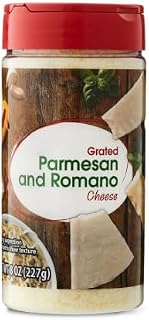

Culinary Uses: Gruyère is great for melting and sandwiches; Parmesan is often used as a topping or in sauces
Gruyère cheese, with its smooth and slightly sweet flavor profile, is a versatile ingredient that excels in a variety of culinary applications. One of its most notable characteristics is its exceptional melting quality, making it a top choice for dishes that require a creamy, gooey texture. From classic Swiss fondue to decadent grilled cheese sandwiches, Gruyère's ability to melt evenly and smoothly enhances the overall taste and mouthfeel of the dish. Its mild flavor also allows it to complement a wide range of ingredients without overpowering them, making it a popular choice for sandwich fillings, omelets, and even as a topping for baked potatoes.
On the other hand, Parmesan cheese is renowned for its bold, nutty flavor and hard texture, which make it an ideal ingredient for adding depth and complexity to a variety of dishes. While it may not melt as smoothly as Gruyère, Parmesan's ability to grate finely makes it a perfect topping for pasta dishes, salads, and soups. Its sharp flavor also makes it a great addition to sauces, such as pesto or Alfredo, where it can add a rich, savory note. Additionally, Parmesan's hard texture makes it an excellent choice for snacking on its own or paired with fruits and nuts on a cheese board.
When comparing the culinary uses of Gruyère and Parmesan, it's clear that while they share some similarities, they each have their own unique strengths and applications. Gruyère's melting prowess and mild flavor make it a go-to for dishes that require a creamy, smooth texture, while Parmesan's bold flavor and grating ability make it a standout ingredient for adding depth and complexity to a variety of dishes. By understanding the distinct characteristics of each cheese, cooks can make informed decisions about when and how to use them in their culinary creations.
Exploring the Richness of Grated Hard Cheese: Is Parmesan the King?
You may want to see also
Explore related products


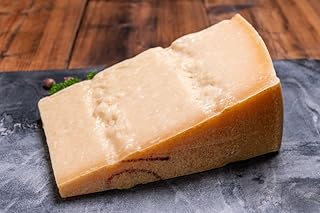


Nutritional Content: Both cheeses are high in protein and calcium, but Parmesan is lower in fat
Gruyère and Parmesan cheeses, while both renowned for their rich flavors and culinary versatility, exhibit distinct nutritional profiles that set them apart. A closer examination of their nutritional content reveals key differences, particularly in terms of protein, calcium, and fat content.
Protein is an essential macronutrient vital for muscle repair, growth, and overall bodily functions. Both Gruyère and Parmesan are excellent sources of protein, making them valuable additions to a balanced diet. However, Parmesan slightly edges out Gruyère in protein content, providing approximately 35 grams per 100 grams compared to Gruyère's 30 grams per 100 grams. This difference, though marginal, may be significant for individuals looking to maximize their protein intake.
Calcium, a crucial mineral for bone health and nerve function, is abundant in both cheeses. Parmesan is particularly notable for its high calcium content, offering around 1,350 milligrams per 100 grams. Gruyère, while still a good source of calcium, contains slightly less, providing approximately 1,200 milligrams per 100 grams. For those seeking to bolster their calcium intake, Parmesan may be the preferred choice.
Fat content is another important consideration when comparing the nutritional profiles of these cheeses. Parmesan is lower in fat compared to Gruyère, with about 28 grams of fat per 100 grams, whereas Gruyère contains around 32 grams of fat per 100 grams. This difference may be particularly relevant for individuals monitoring their fat intake or those following specific dietary guidelines.
In summary, while both Gruyère and Parmesan cheeses offer valuable nutritional benefits, they differ in their protein, calcium, and fat content. Parmesan is higher in protein and calcium but lower in fat compared to Gruyère. These distinctions can inform dietary choices based on individual nutritional needs and preferences.
Exploring the Richness: Fontina vs. Parmesan Cheese Comparison
You may want to see also
Frequently asked questions
Gruyère cheese has a nutty, slightly sweet flavor with hints of caramel, while Parmesan has a sharp, salty, and umami-rich taste. Although both are aged hard cheeses, their flavor profiles are distinct.
Gruyère can be used as a substitute for Parmesan in some recipes, especially those that require a milder, less salty cheese. However, keep in mind that the flavor and texture will be different, and it may not be suitable for all dishes.
Gruyère cheese is made from cow's milk and aged for at least 6 months, while Parmesan is made from cow's or sheep's milk and aged for at least 12 months. Gruyère is produced in Switzerland, whereas Parmesan is made in Italy. The production process and aging time contribute to their unique flavors and textures.