 Frederic Melton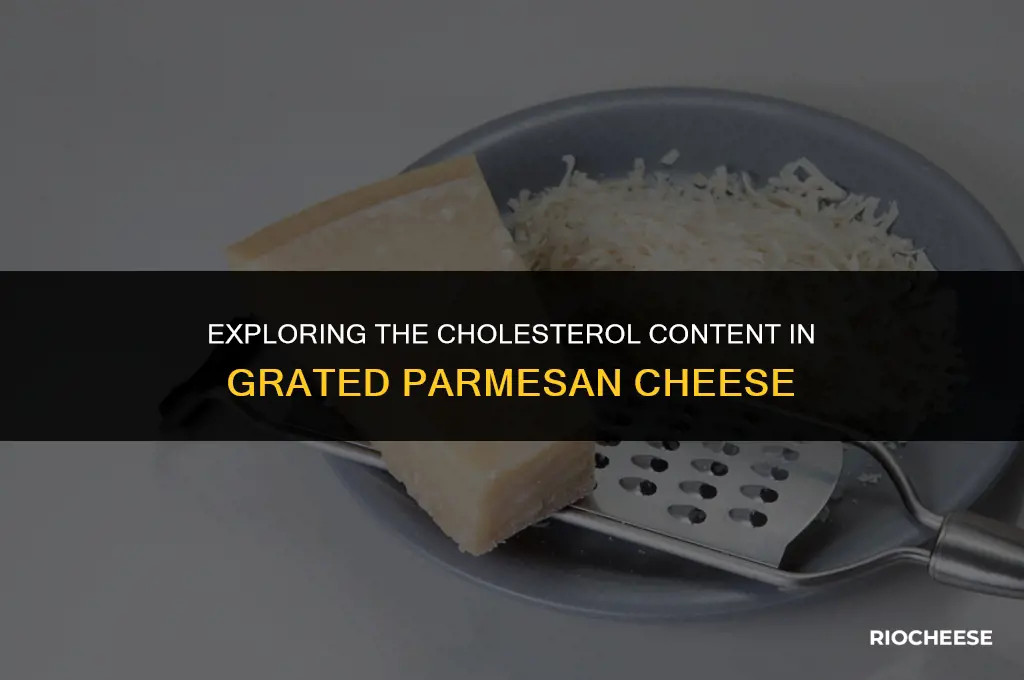
When considering the nutritional aspects of grated Parmesan cheese, one key concern is its cholesterol content. Cholesterol is a waxy substance found in the blood, and while it's essential for building cells, high levels can increase the risk of heart disease. Grated Parmesan cheese, known for its rich flavor and versatility in cooking, does contain cholesterol, primarily due to its dairy origins. However, the amount of cholesterol in Parmesan cheese can vary depending on several factors, including the type of milk used, the aging process, and the fat content. Understanding these factors can help individuals make informed decisions about including grated Parmesan cheese in their diet while managing cholesterol intake.
Explore related products


What You'll Learn
- Nutritional Content: Grated Parmesan cheese nutritional facts, including cholesterol levels per serving
- Health Impact: Effects of consuming high-cholesterol foods like Parmesan cheese on heart health
- Dietary Guidelines: Recommendations for cholesterol intake and how Parmesan cheese fits into a balanced diet
- Comparison to Other Cheeses: Cholesterol content comparison between Parmesan and other popular cheese types
- Culinary Uses: Tips on using Parmesan cheese in cooking while managing cholesterol intake

Nutritional Content: Grated Parmesan cheese nutritional facts, including cholesterol levels per serving
Grated Parmesan cheese is a popular condiment known for its rich flavor and versatility in culinary applications. However, its nutritional content, particularly its cholesterol levels, is a subject of interest for health-conscious individuals. A closer examination of the nutritional facts reveals that while grated Parmesan cheese does contain cholesterol, the amount per serving is relatively modest.
According to the United States Department of Agriculture (USDA), a one-tablespoon serving of grated Parmesan cheese contains approximately 5 milligrams of cholesterol. To put this into perspective, the American Heart Association recommends limiting daily cholesterol intake to 300 milligrams for most adults. Therefore, a single serving of grated Parmesan cheese accounts for only about 1.7% of the recommended daily cholesterol limit.
It's important to note that the nutritional content of grated Parmesan cheese can vary slightly depending on the brand and production method. Some varieties may be lower in cholesterol, while others may contain slightly higher amounts. Additionally, grated Parmesan cheese is often used in small quantities as a flavor enhancer, which can further reduce its overall cholesterol contribution to a meal.
When considering the cholesterol content of grated Parmesan cheese, it's also essential to take into account its other nutritional benefits. Parmesan cheese is a good source of protein, calcium, and vitamins A and B12. These nutrients play crucial roles in maintaining strong bones, supporting immune function, and promoting overall health.
In conclusion, while grated Parmesan cheese does contain cholesterol, the amount per serving is relatively low compared to the recommended daily intake. When consumed in moderation as part of a balanced diet, grated Parmesan cheese can be a flavorful and nutritious addition to various dishes without significantly impacting cholesterol levels.
Exploring the Richness: Fontina vs. Parmesan Cheese Comparison
You may want to see also
Explore related products


Health Impact: Effects of consuming high-cholesterol foods like Parmesan cheese on heart health
Consuming high-cholesterol foods, such as Parmesan cheese, can have significant effects on heart health. Cholesterol is a waxy substance found in the blood, and while the body needs some cholesterol to function properly, too much can lead to the buildup of plaque in the arteries. This buildup can narrow the arteries and increase the risk of heart disease and stroke.
Parmesan cheese, in particular, is known for its high cholesterol content. A single ounce of grated Parmesan cheese contains approximately 22 milligrams of cholesterol, which is about 7% of the recommended daily intake for most adults. While this may not seem like a significant amount, regularly consuming high-cholesterol foods can contribute to an overall increase in cholesterol levels over time.
It's important to note that the effects of consuming high-cholesterol foods like Parmesan cheese can vary depending on individual factors, such as age, gender, and overall health. For example, older adults may be more susceptible to the negative effects of high cholesterol, as their bodies may not be able to process cholesterol as efficiently as younger individuals. Additionally, people with pre-existing heart conditions or high blood pressure may need to be more cautious about their cholesterol intake.
To mitigate the potential negative effects of consuming high-cholesterol foods, it's recommended to maintain a balanced diet that includes a variety of fruits, vegetables, whole grains, and lean proteins. Limiting the intake of saturated and trans fats, which are found in many processed and fried foods, can also help to lower cholesterol levels. Regular exercise and maintaining a healthy weight can further support heart health and reduce the risk of heart disease.
In conclusion, while enjoying Parmesan cheese in moderation may not pose a significant risk to heart health for most individuals, it's essential to be mindful of overall cholesterol intake and to maintain a healthy lifestyle to support cardiovascular well-being.
Unveiling the Nutritional Benefits of Fresh Parmesan Cheese
You may want to see also
Explore related products


Dietary Guidelines: Recommendations for cholesterol intake and how Parmesan cheese fits into a balanced diet
The American Heart Association recommends limiting dietary cholesterol to no more than 300 milligrams per day for individuals with normal cholesterol levels. For those with high cholesterol or heart disease, the recommended limit is even lower, at 200 milligrams per day. It's important to note that dietary cholesterol has a relatively small impact on blood cholesterol levels for most people, with saturated and trans fats having a more significant effect.
Parmesan cheese, while high in cholesterol, can still be part of a balanced diet when consumed in moderation. A one-ounce serving of grated Parmesan cheese contains approximately 22 milligrams of cholesterol. This means that it can fit within the recommended daily limits for most individuals. However, it's essential to consider the overall dietary pattern and ensure that other sources of cholesterol and saturated fats are limited.
When incorporating Parmesan cheese into a balanced diet, it's helpful to focus on portion control and pairing it with other nutrient-dense foods. For example, using a small amount of grated Parmesan as a topping for a salad or roasted vegetables can add flavor without significantly increasing cholesterol intake. Additionally, choosing lower-fat cheese options or using cheese alternatives can help reduce overall cholesterol consumption while still enjoying the taste and texture of cheese.
It's also important to consider other dietary factors that can impact cholesterol levels, such as fiber intake, weight management, and physical activity. Soluble fiber, found in foods like oats, beans, and fruits, can help lower LDL (bad) cholesterol levels. Maintaining a healthy weight and engaging in regular physical activity can also contribute to better cholesterol management.
In conclusion, while Parmesan cheese is high in cholesterol, it can still be enjoyed as part of a balanced diet when consumed in moderation and paired with other nutrient-dense foods. By focusing on portion control, choosing lower-fat options, and incorporating other dietary strategies to manage cholesterol levels, individuals can enjoy the taste and benefits of Parmesan cheese without compromising their heart health.
The Art of Grating Parmesan: A Crafty Cheese Conundrum
You may want to see also
Explore related products




Comparison to Other Cheeses: Cholesterol content comparison between Parmesan and other popular cheese types
Parmesan cheese, known for its rich flavor and versatility in culinary dishes, is often scrutinized for its cholesterol content. When compared to other popular cheese types, Parmesan does contain a higher amount of cholesterol. For instance, a one-ounce serving of Parmesan cheese contains approximately 24 milligrams of cholesterol, which is notably higher than cheeses like mozzarella (14 mg) and cheddar (17 mg) for the same serving size.
However, it's essential to consider the context in which Parmesan is consumed. Due to its strong flavor, Parmesan is typically used in smaller quantities compared to milder cheeses. This means that while it may have a higher cholesterol content per ounce, the actual amount consumed in a meal is often less. Additionally, Parmesan is a good source of calcium, protein, and vitamins A and B12, which can contribute to a balanced diet when consumed in moderation.
When evaluating the cholesterol content of cheeses, it's also important to consider the overall dietary pattern. A diet high in saturated fats, found in many animal products including cheese, can contribute to higher cholesterol levels in the blood. However, some studies suggest that the consumption of cheese, even high-fat varieties like Parmesan, may not significantly impact blood cholesterol levels in all individuals.
In conclusion, while Parmesan cheese does have a higher cholesterol content compared to some other cheeses, its consumption in moderation as part of a balanced diet may not pose a significant health risk for most people. It's always advisable to consult with a healthcare professional for personalized dietary recommendations, especially for individuals with specific health concerns or conditions related to cholesterol.
Feta vs. Parmesan: Unraveling the Health Benefits of Each Cheese
You may want to see also
Explore related products


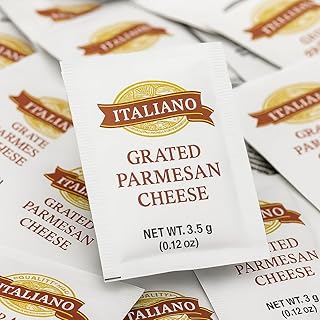
Culinary Uses: Tips on using Parmesan cheese in cooking while managing cholesterol intake
Parmesan cheese, with its rich flavor and versatility, can be a delightful addition to many dishes. However, for those monitoring their cholesterol intake, it's essential to use it judiciously. Here are some culinary tips to enjoy Parmesan cheese while keeping cholesterol levels in check:
Firstly, consider the portion size. A small amount of grated Parmesan can go a long way in adding flavor to dishes. Instead of generously sprinkling it over pasta or salads, use a light hand or opt for a smaller serving. This way, you can still enjoy the taste without significantly increasing your cholesterol intake.
Secondly, choose the right dishes. Parmesan cheese pairs well with vegetables, lean proteins, and whole grains. Incorporate it into dishes that already have a balanced nutritional profile, such as a vegetable stir-fry with quinoa or a grilled chicken salad. This not only enhances the flavor but also ensures that the meal remains heart-healthy.
Thirdly, experiment with alternatives. While Parmesan is unique, there are other cheeses that can be used as substitutes in certain recipes. For instance, part-skim mozzarella or reduced-fat feta can be excellent options for those looking to lower their cholesterol intake. These cheeses offer a similar texture and flavor profile without the high cholesterol content.
Lastly, be mindful of cooking methods. Baking or grilling dishes instead of frying can help reduce overall fat content, including cholesterol. When using Parmesan in baked dishes, such as casseroles or gratins, opt for a lower-fat version or use it sparingly to keep the cholesterol levels down.
By following these tips, you can continue to enjoy the culinary delights of Parmesan cheese while maintaining a healthy cholesterol level. Remember, moderation and balance are key to a nutritious and flavorful diet.
Unraveling the Mystery: Does Parmesan Cheese Contain Casein?
You may want to see also
Frequently asked questions
Yes, grated Parmesan cheese is relatively high in cholesterol. A 1/4 cup serving contains about 24 mg of cholesterol, which is 8% of the daily value for most adults.
Parmesan cheese has a higher cholesterol content compared to many other types of cheese. For example, mozzarella and feta cheeses have about 10-15 mg of cholesterol per 1/4 cup serving, while cheddar cheese has around 18 mg.
Consuming high-cholesterol foods can contribute to elevated blood cholesterol levels, which may increase the risk of heart disease and stroke. However, the impact of dietary cholesterol on blood cholesterol levels can vary among individuals.
Yes, you can still enjoy Parmesan cheese in moderation if you're watching your cholesterol intake. Consider using it as a flavor enhancer rather than a main ingredient, and balance your diet with other low-cholesterol foods.
Yes, there are cholesterol-free alternatives to Parmesan cheese available. These products are typically made from plant-based ingredients and can provide a similar flavor profile without the cholesterol. However, be sure to check the labels for other nutritional information and potential allergens.




![Grated Parmesan Cheese to your pasta, pizza, soups and salads to enjoy a delightful flavor boost. The all-natural cheese is aged over 10 months for the taste you expect. Made with an authentic all-natural recipe and includes [ 20 oz, 1.25 lb ] of parmesan cheese.](https://m.media-amazon.com/images/I/512BPXRO2dL._AC_UL320_.jpg)


