Frederic Melton
Cheddar cheese sauce is a popular condiment made primarily from cheddar cheese, milk, and a thickening agent. For individuals with gluten intolerance or celiac disease, determining whether this sauce is gluten-free is crucial. The answer largely depends on the specific ingredients and preparation method used. Pure cheddar cheese itself is naturally gluten-free; however, some commercial cheese sauces may contain gluten-containing additives or be produced in facilities that also process gluten-containing products, leading to potential cross-contamination. Therefore, it is essential to check the ingredient list and manufacturing information to ensure the sauce is safe for those following a gluten-free diet.
Explore related products



What You'll Learn
- Ingredients Check: Reviewing the typical ingredients in cheddar cheese sauce for gluten presence
- Gluten-Free Alternatives: Exploring gluten-free thickeners and additives used in some recipes
- Cross-Contamination Risks: Assessing potential gluten contamination during preparation or storage
- Label Reading: Tips on interpreting food labels to identify gluten-free products
- Homemade vs. Store-Bought: Comparing the gluten-free status of homemade and commercial cheddar cheese sauces

Ingredients Check: Reviewing the typical ingredients in cheddar cheese sauce for gluten presence
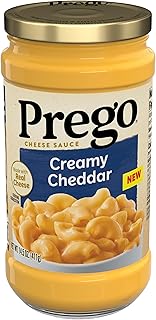
To determine if cheddar cheese sauce is gluten-free, it's essential to scrutinize the ingredients list carefully. Typical ingredients in cheddar cheese sauce include cheddar cheese, milk, butter, flour, and various seasonings. The primary concern for gluten presence lies in the flour, which is often used as a thickening agent. Unless the flour is explicitly labeled as gluten-free, it's likely to contain gluten.
When reviewing the ingredients, look for any mention of wheat, barley, or rye, as these are the primary sources of gluten. Additionally, be cautious of ingredients like maltodextrin, which can be derived from wheat and may contain gluten. Some sauces may also include additives or preservatives that could contain gluten, so it's crucial to examine the entire ingredients list.
If you're making cheddar cheese sauce from scratch, you can easily substitute the flour with a gluten-free alternative, such as cornstarch or rice flour. This will ensure that your homemade sauce is gluten-free. However, if you're purchasing pre-made cheddar cheese sauce, it's vital to check the label for gluten-free certification or contact the manufacturer directly to inquire about gluten presence.
In conclusion, while cheddar cheese itself is naturally gluten-free, the presence of flour or other gluten-containing ingredients in cheddar cheese sauce can make it unsuitable for those with gluten sensitivities or celiac disease. By carefully reviewing the ingredients and opting for gluten-free alternatives when necessary, you can enjoy delicious cheddar cheese sauce without worrying about gluten content.
Cheddar Cheese Consumption During Pregnancy: What You Need to Know
You may want to see also
Explore related products




Gluten-Free Alternatives: Exploring gluten-free thickeners and additives used in some recipes
In the realm of gluten-free cooking, finding suitable thickeners and additives can be a game-changer for those with celiac disease or gluten sensitivity. Traditional thickeners like flour or cornstarch often contain gluten, making them off-limits for those following a gluten-free diet. However, there are several gluten-free alternatives that can be used to achieve the desired consistency in recipes without compromising on dietary restrictions.
One popular gluten-free thickener is tapioca starch, derived from the cassava plant. It's a versatile ingredient that can be used in a variety of recipes, from sauces and gravies to baked goods and desserts. Tapioca starch is known for its ability to thicken liquids quickly and effectively, making it a go-to option for many gluten-free cooks.
Another option is arrowroot starch, which is extracted from the root of the arrowroot plant. Like tapioca starch, it's a neutral-tasting, odorless powder that can be used to thicken sauces, soups, and stews. Arrowroot starch is also known for its ability to withstand high temperatures without breaking down, making it a good choice for recipes that require cooking or baking.
For those looking for a more natural thickener, ground flaxseeds or chia seeds can be used to add thickness and texture to recipes. These seeds are not only gluten-free but also packed with nutrients like omega-3 fatty acids, fiber, and protein. When mixed with liquid, they form a gel-like consistency that can be used to thicken sauces, dressings, and smoothies.
In addition to these thickeners, there are also gluten-free additives that can be used to enhance the flavor and texture of recipes. For example, xanthan gum is a popular additive that can be used to improve the texture of gluten-free baked goods, making them more moist and tender. It can also be used to thicken sauces and dressings, providing a smooth and creamy consistency.
When using gluten-free thickeners and additives, it's important to note that they may behave differently than their gluten-containing counterparts. For example, tapioca starch and arrowroot starch may not thicken as much as flour or cornstarch, so it's important to adjust the amount used accordingly. Additionally, some gluten-free thickeners may have a slightly different taste or texture, so it may take some experimentation to find the right combination for a particular recipe.
In conclusion, exploring gluten-free thickeners and additives can open up a world of possibilities for those following a gluten-free diet. With the right ingredients and a bit of experimentation, it's possible to create delicious, gluten-free recipes that don't compromise on taste or texture.
Keto-Friendly or Not: The Cheddar Cheese Dilemma Explained
You may want to see also
Explore related products


Cross-Contamination Risks: Assessing potential gluten contamination during preparation or storage
Gluten contamination can occur at various stages during the preparation and storage of food products, including cheddar cheese sauce. One potential risk is cross-contamination from utensils or equipment that have come into contact with gluten-containing ingredients. For example, if a cutting board is used to chop gluten-free ingredients after previously being used for gluten-containing bread, there is a risk of gluten transfer.
Another risk is airborne contamination, where gluten particles become airborne and settle on surfaces or food products. This can occur in shared kitchen spaces where gluten-containing and gluten-free products are prepared in close proximity. To mitigate this risk, it is important to maintain separate preparation areas for gluten-free and gluten-containing products, and to clean and sanitize surfaces and equipment regularly.
During storage, gluten contamination can occur if gluten-free products are stored in close proximity to gluten-containing products. For example, if a gluten-free cheddar cheese sauce is stored in a refrigerator that also contains gluten-containing bread, there is a risk of gluten transfer. To prevent this, it is important to store gluten-free products in a separate area of the refrigerator or pantry, and to use airtight containers to minimize the risk of cross-contamination.
In addition to these risks, it is important to consider the ingredients used in the preparation of cheddar cheese sauce. Some ingredients, such as thickeners or flavor enhancers, may contain gluten. Therefore, it is important to carefully read ingredient labels and to choose gluten-free alternatives when necessary. By taking these precautions, it is possible to minimize the risk of gluten contamination and to ensure that cheddar cheese sauce remains gluten-free.
Delicious and Safe: Is Cheddar Cheese Popcorn Gluten-Free?
You may want to see also
Explore related products



Label Reading: Tips on interpreting food labels to identify gluten-free products
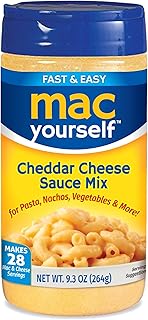
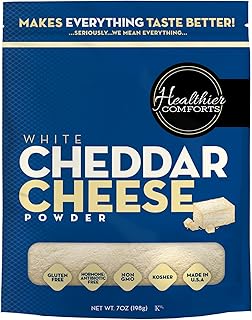
Navigating the grocery store aisles in search of gluten-free options can be a daunting task, especially when it comes to deciphering food labels. Understanding how to read labels effectively is crucial for individuals with gluten intolerance or celiac disease. Here are some expert tips to help you identify gluten-free products with confidence:
- Look for the Gluten-Free Label: Many products now carry a "gluten-free" label, which is a good starting point. However, it's important to note that this label is not always foolproof. Some products may still contain trace amounts of gluten due to cross-contamination during manufacturing.
- Check the Ingredients List: Always read the ingredients list carefully. Gluten can hide in various forms, such as wheat, barley, rye, malt, and even some types of vinegar. Be wary of ingredients like "natural flavors" or "spices," which can sometimes contain gluten.
- Be Aware of Cross-Contamination: Even if a product doesn't contain gluten as an ingredient, it can still be contaminated during the manufacturing process. Look for statements on the label indicating that the product is processed in a facility that also processes gluten-containing products.
- Understand Gluten-Free Certification: There are several organizations that certify products as gluten-free, such as the Gluten-Free Certification Organization (GFCO) and the Celiac Support Association (CSA). These certifications can provide an extra layer of assurance that the product meets strict gluten-free standards.
- Use Technology to Your Advantage: There are now several apps available that can help you identify gluten-free products. Simply scan the product's barcode, and the app will provide information on whether it's gluten-free or not.
By following these tips, you can become a pro at reading labels and identifying gluten-free products. Remember, it's always better to err on the side of caution and double-check the label if you're unsure.
Balancing Flavor and Health: Cheddar Cheese's Place in a High-Cholesterol Diet
You may want to see also
Explore related products


Homemade vs. Store-Bought: Comparing the gluten-free status of homemade and commercial cheddar cheese sauces
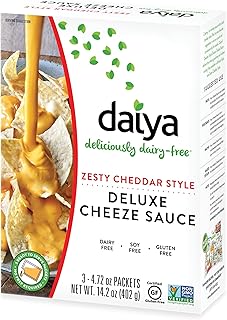
When comparing homemade and store-bought cheddar cheese sauces, it's essential to consider the ingredients and preparation methods to determine their gluten-free status. Homemade sauces offer the advantage of complete control over the ingredients used, allowing individuals to select gluten-free options. Typically, a homemade cheddar cheese sauce might include ingredients like cheddar cheese, milk, butter, and a thickening agent such as cornstarch or arrowroot powder. These ingredients are naturally gluten-free, making homemade sauces a safe option for those with gluten sensitivities or celiac disease.
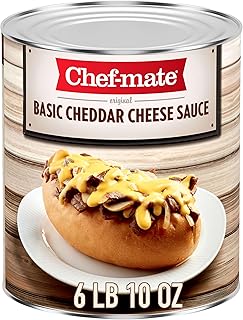
On the other hand, store-bought cheddar cheese sauces may contain additional ingredients and additives that could potentially include gluten. Some commercial sauces use wheat flour or other gluten-containing thickeners to achieve the desired consistency. Moreover, cross-contamination during the manufacturing process could also pose a risk. Therefore, it's crucial to read the ingredient list and check for any gluten-containing components or allergen warnings before consuming store-bought cheddar cheese sauce.
In terms of preparation, homemade sauces require cooking and stirring over heat, which can be time-consuming but ensures that no unwanted additives are included. Store-bought sauces, however, are often ready to use or require minimal heating, making them more convenient but potentially less safe for those with gluten intolerance.
To summarize, homemade cheddar cheese sauce is generally a safer option for individuals following a gluten-free diet, as it allows for complete control over the ingredients and preparation method. Store-bought sauces, while convenient, may contain gluten-containing ingredients or be subject to cross-contamination, making them a riskier choice. Always verify the ingredient list and allergen information before consuming any store-bought cheddar cheese sauce to ensure it meets your dietary requirements.
Navigating Nutrition: Is Cheddar Cheese a Fatty Liver Friend or Foe?
You may want to see also
Frequently asked questions
Yes, cheddar cheese sauce is typically gluten-free as it is primarily made from cheese, milk, and seasonings, none of which contain gluten.
To ensure a cheddar cheese sauce is gluten-free, check for any added ingredients like thickeners, stabilizers, or flavor enhancers that may contain gluten. Common gluten-containing ingredients to avoid include wheat flour, barley malt, and rye.
Generally, you can use cheddar cheese sauce in a gluten-free diet without concerns, as long as you verify that the specific product or recipe you're using doesn't contain any gluten-containing ingredients. Always check labels or ask about ingredients when dining out.
Yes, there are several brands of cheddar cheese sauce that are certified gluten-free. Look for products with a gluten-free label or certification from organizations like the Gluten-Free Certification Organization (GFCO) to ensure they meet strict gluten-free standards.