Kamil Perry
Cheddar cheese, a popular dairy product known for its rich flavor and versatility in cooking, is often scrutinized for its nutritional content, particularly its fat composition. The question of whether cheddar cheese is saturated or unsaturated is significant for health-conscious consumers and those monitoring their dietary fat intake. Saturated fats are typically solid at room temperature and are found in many animal products, including cheese. They have been linked to increased levels of LDL cholesterol, often referred to as bad cholesterol, which can contribute to heart disease when consumed in excess. On the other hand, unsaturated fats are generally liquid at room temperature and are considered healthier, as they can help reduce LDL cholesterol levels and lower the risk of heart disease. Understanding the fat composition of cheddar cheese is crucial for making informed dietary choices and maintaining a balanced diet.
Explore related products


What You'll Learn
- Nutritional Content: Cheddar cheese is high in saturated fats, which can impact heart health if consumed excessively
- Health Implications: Consuming too much saturated fat, like that found in cheddar cheese, may increase cholesterol levels and heart disease risk
- Dietary Guidelines: Experts recommend limiting intake of saturated fats, including those from cheese, to maintain a healthy diet
- Comparison to Other Cheeses: Cheddar cheese has a higher saturated fat content compared to some other types of cheese, like mozzarella or feta
- Moderation in Diet: Enjoying cheddar cheese in moderation as part of a balanced diet can help manage saturated fat intake

Nutritional Content: Cheddar cheese is high in saturated fats, which can impact heart health if consumed excessively
Cheddar cheese, a popular dairy product, is indeed high in saturated fats. These fats are known to have a significant impact on heart health when consumed in excess. The saturated fat content in cheddar cheese can contribute to increased levels of low-density lipoprotein (LDL) cholesterol, often referred to as "bad" cholesterol. High LDL cholesterol levels are associated with a greater risk of developing cardiovascular diseases, including heart attacks and strokes.
It's important to note that while cheddar cheese does contain saturated fats, it also offers other nutritional benefits. For instance, it is a good source of protein, calcium, and vitamins A and B12. However, the key is moderation. Consuming cheddar cheese in reasonable amounts as part of a balanced diet can help mitigate the potential negative effects of its saturated fat content.
The American Heart Association recommends limiting the intake of saturated fats to less than 6% of total daily calories. For someone on a 2,000 calorie diet, this translates to about 13 grams of saturated fat per day. A single ounce of cheddar cheese contains approximately 6.8 grams of saturated fat, which is roughly half of the recommended daily limit. Therefore, it's crucial to be mindful of portion sizes and to balance cheese consumption with other healthier food choices.
Incorporating more unsaturated fats into one's diet can also help counterbalance the effects of saturated fats. Unsaturated fats, found in foods like avocados, nuts, seeds, and fatty fish, can help lower LDL cholesterol levels and reduce the risk of heart disease. By making conscious dietary choices and focusing on a balanced intake of fats, individuals can enjoy foods like cheddar cheese while still maintaining a heart-healthy diet.
Unlocking the Nutritional Secrets of Cheddar Cheese: A Comprehensive Guide
You may want to see also
Explore related products


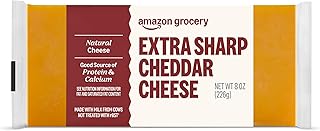

Health Implications: Consuming too much saturated fat, like that found in cheddar cheese, may increase cholesterol levels and heart disease risk
Consuming excessive amounts of saturated fat, such as that found in cheddar cheese, can have significant health implications. Saturated fats are known to raise levels of LDL (low-density lipoprotein) cholesterol, often referred to as "bad" cholesterol. High LDL cholesterol levels are a major risk factor for the development of heart disease, including coronary artery disease and stroke.
The American Heart Association recommends limiting the intake of saturated fats to less than 6% of total daily caloric intake. For individuals with high cholesterol or heart disease, this recommendation may be even more stringent. It is important to note that while cheddar cheese does contain saturated fat, it also provides other nutrients such as protein, calcium, and vitamins. Therefore, moderation is key when incorporating cheddar cheese into a balanced diet.
Research has shown that replacing saturated fats with unsaturated fats, such as those found in avocados, nuts, and olive oil, can help lower LDL cholesterol levels and reduce the risk of heart disease. This dietary modification can be particularly beneficial for individuals who are at high risk for cardiovascular disease.
In addition to monitoring saturated fat intake, other lifestyle modifications can help mitigate the risk of heart disease. These include regular physical activity, maintaining a healthy weight, avoiding smoking, and managing stress levels. By adopting a holistic approach to heart health, individuals can reduce their overall risk of developing cardiovascular disease.
It is also important to consider the overall dietary pattern rather than focusing solely on individual foods. A diet rich in fruits, vegetables, whole grains, and lean proteins can provide numerous health benefits, including improved heart health. Consulting with a healthcare professional or registered dietitian can help individuals develop a personalized nutrition plan that takes into account their specific health needs and goals.
Unraveling the Dairy Dilemma: Cheddar Cheese vs. Butter
You may want to see also
Explore related products


Dietary Guidelines: Experts recommend limiting intake of saturated fats, including those from cheese, to maintain a healthy diet
Saturated fats, commonly found in animal products like cheese, have been a subject of dietary scrutiny due to their potential impact on cardiovascular health. Cheddar cheese, a popular variety, contains a significant amount of saturated fat, which experts recommend limiting in a balanced diet.
The American Heart Association suggests that saturated fats should make up no more than 5-6% of total daily caloric intake. Excessive consumption of saturated fats can lead to increased levels of LDL (low-density lipoprotein) cholesterol, often referred to as "bad" cholesterol, which is associated with a higher risk of heart disease and stroke.
While cheddar cheese can be part of a healthy diet in moderation, it's essential to be mindful of portion sizes. A single serving of cheddar cheese (about 1 ounce or 28 grams) contains approximately 6 grams of saturated fat. To put this in perspective, if you're following a 2,000 calorie diet, 5-6% of your daily calories from saturated fats would translate to about 11-13 grams per day.
To maintain a healthy diet while still enjoying cheddar cheese, consider the following strategies:
- Choose lower-fat varieties of cheddar cheese, such as reduced-fat or part-skim options.
- Limit your portion sizes and pair cheese with healthier options like fruits, vegetables, or whole grains.
- Balance your overall diet by incorporating more unsaturated fats from sources like nuts, seeds, avocados, and fatty fish.
Remember, moderation is key. By being mindful of your saturated fat intake and making balanced dietary choices, you can enjoy cheddar cheese as part of a healthy and varied diet.
Cheddar Cheese on Carnivore Diet: A Nutritional Analysis
You may want to see also
Explore related products
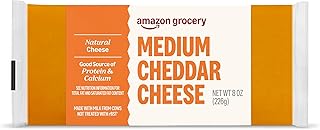


Comparison to Other Cheeses: Cheddar cheese has a higher saturated fat content compared to some other types of cheese, like mozzarella or feta
Cheddar cheese, a popular choice for its rich flavor and versatility, stands out among other cheeses due to its higher saturated fat content. When compared to mozzarella, which is known for its lower fat content and mild flavor, cheddar's saturated fat levels are notably higher. This difference is primarily due to the varying fat contents of the milk used to produce each cheese, as well as the specific cheese-making processes employed.
Feta cheese, another common variety, also has a lower saturated fat content compared to cheddar. Feta is typically made from sheep's or goat's milk, which naturally contains less saturated fat than cow's milk, the primary source for cheddar cheese. Additionally, the brining process used in feta cheese production helps to reduce its overall fat content.
It's important to note that while cheddar cheese does contain more saturated fat than some other cheeses, it also offers nutritional benefits such as protein, calcium, and vitamins. Moderation is key when incorporating cheddar cheese into a balanced diet, especially for individuals who are monitoring their saturated fat intake due to health concerns.
In summary, cheddar cheese has a higher saturated fat content compared to mozzarella and feta, primarily due to the type of milk used and the cheese-making processes. However, it also provides valuable nutrients and can be enjoyed in moderation as part of a balanced diet.
Exploring Flavor: Is Cheddar Cheese Ramen Vegetarian?
You may want to see also
Explore related products


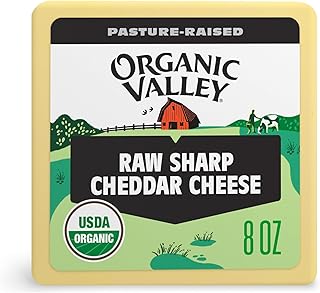


Moderation in Diet: Enjoying cheddar cheese in moderation as part of a balanced diet can help manage saturated fat intake
Cheddar cheese, a staple in many diets, is often scrutinized for its saturated fat content. While it's true that cheddar cheese contains saturated fat, which can contribute to increased cholesterol levels and heart disease when consumed excessively, it also offers various nutrients like protein, calcium, and vitamins. The key to enjoying cheddar cheese without compromising health is moderation.
Moderation in diet involves consuming foods in appropriate quantities, balancing nutrient intake, and avoiding overconsumption of any single food group. For cheddar cheese, this means incorporating it into meals in a way that complements other nutritious foods rather than dominating them. For example, using cheddar cheese as a topping for salads or vegetables can enhance flavor without significantly increasing saturated fat intake.
To manage saturated fat intake effectively, it's essential to understand portion sizes. A typical serving of cheddar cheese is about 1 ounce, which is roughly the size of a pair of dice. Limiting daily intake to one or two servings can help keep saturated fat consumption in check. Additionally, pairing cheddar cheese with foods high in unsaturated fats, such as nuts, seeds, or avocados, can help balance overall fat intake.
Another strategy for moderating cheddar cheese consumption is to choose lower-fat varieties. Reduced-fat or part-skim cheddar cheeses contain less saturated fat while still providing the desired flavor and texture. This can be particularly helpful for individuals who enjoy cheese frequently but are mindful of their saturated fat intake.
Incorporating physical activity into one's lifestyle can also mitigate the potential negative effects of consuming saturated fats. Regular exercise helps maintain healthy cholesterol levels and supports overall cardiovascular health, which can offset the impact of occasional indulgences in foods like cheddar cheese.
In conclusion, enjoying cheddar cheese in moderation as part of a balanced diet is a practical approach to managing saturated fat intake. By being mindful of portion sizes, choosing lower-fat options, and balancing cheese consumption with other nutritious foods and regular physical activity, individuals can savor the taste of cheddar cheese without compromising their health goals.
Exploring the Origins: Is Cheddar Cheese Plant-Based?
You may want to see also
Frequently asked questions
Cheddar cheese contains both saturated and unsaturated fats, but it is higher in saturated fats.
Consuming high amounts of saturated fats can lead to increased LDL cholesterol levels, which may contribute to heart disease. It's recommended to consume saturated fats in moderation.
The fat content in cheddar cheese can vary, but generally, it has a higher saturated fat content compared to some other cheeses like mozzarella or feta. However, it also contains beneficial nutrients like protein and calcium.
Yes, cheddar cheese can be part of a balanced diet when consumed in moderation. It provides important nutrients, but due to its high saturated fat content, it's advisable to balance it with other healthier fat sources and plenty of fruits, vegetables, and whole grains.