Randy Chandler
Cheddar cheese, a popular dairy product known for its sharp flavor and versatility in cooking, is not plant-based. It is traditionally made from cow's milk, which is a key component in its production process. The milk is fermented with specific bacterial cultures, and enzymes are added to coagulate the proteins, separating them from the liquid whey. The resulting curds are then pressed into molds and aged to develop the characteristic taste and texture of cheddar cheese. Due to its reliance on animal-derived ingredients, cheddar cheese is not suitable for vegans or those following a plant-based diet. However, there are plant-based alternatives available that mimic the taste and texture of cheddar cheese, made from ingredients such as nuts, seeds, and soy.
Explore related products



What You'll Learn
- Ingredients: Cheddar cheese is made from cow's milk, salt, and bacterial cultures; not plant-based
- Production Process: Involves fermentation and aging, using animal-derived rennet traditionally
- Nutritional Content: High in protein and calcium from milk, but lacks fiber and certain vitamins found in plants
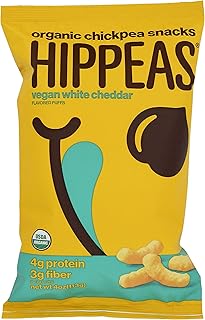
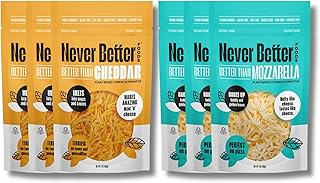
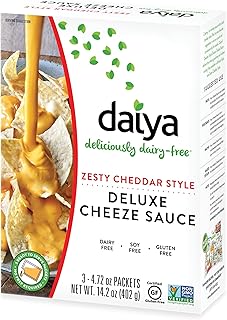
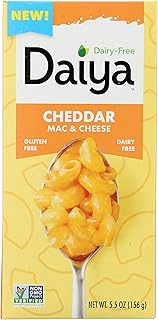
- Alternatives: Plant-based cheeses made from nuts, seeds, or soy offer vegan options
- Labeling and Certification: Look for vegan or plant-based labels to ensure the product meets dietary requirements

Ingredients: Cheddar cheese is made from cow's milk, salt, and bacterial cultures; not plant-based
Cheddar cheese, a popular dairy product, is made primarily from cow's milk, salt, and bacterial cultures. This combination of ingredients undergoes a series of processes, including pasteurization, fermentation, and aging, to produce the distinctive flavor and texture of cheddar cheese. The bacterial cultures used in cheddar cheese production typically include strains of Streptococcus and Lactobacillus, which contribute to the fermentation process and the development of the cheese's characteristic tanginess.
One of the key factors in determining whether a product is plant-based is the source of its primary ingredients. In the case of cheddar cheese, the use of cow's milk as a primary ingredient categorically excludes it from being plant-based. Cow's milk is an animal-derived product, and its inclusion in the cheese-making process means that cheddar cheese cannot be considered a plant-based alternative.
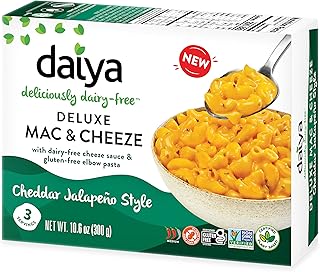
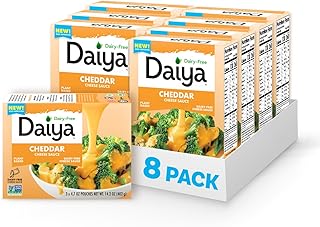
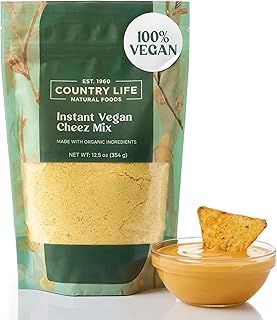
For individuals following a plant-based diet, there are alternatives to traditional cheddar cheese available. These plant-based cheeses are typically made from ingredients such as nuts, seeds, or soy, and are designed to mimic the taste and texture of dairy cheese. However, it is important to note that these alternatives may not have the same nutritional profile as traditional cheddar cheese, and individuals should carefully consider their dietary needs when choosing plant-based cheese options.
In conclusion, cheddar cheese is not plant-based due to its primary ingredient of cow's milk. For those seeking plant-based alternatives, there are options available made from nuts, seeds, or soy, but it is essential to be aware of the nutritional differences between these alternatives and traditional cheddar cheese.
Navigating Lactose Intolerance: Can You Still Enjoy Cheddar Cheese?
You may want to see also
Explore related products



Production Process: Involves fermentation and aging, using animal-derived rennet traditionally
Cheddar cheese, a beloved dairy product, undergoes a meticulous production process that traditionally involves animal-derived rennet. This enzyme, extracted from the stomach lining of ruminant animals, plays a crucial role in the coagulation of milk, separating it into curds and whey. The curds are then aged, a process that develops the cheese's distinctive flavor and texture.
The fermentation process begins with the addition of bacterial cultures to the milk, which convert lactose into lactic acid. This acidification lowers the pH of the milk, denaturing the casein proteins and preparing them for coagulation. Once the rennet is added, the milk thickens and forms curds. These curds are cut into smaller pieces and stirred to release more whey, a process known as scalding.
After scalding, the curds are drained and pressed into molds to form the characteristic shape of cheddar cheese. The aging process follows, during which the cheese is stored in controlled environments for several months to years. This allows for the development of complex flavors and the breakdown of proteins into peptides, contributing to the cheese's texture.
Traditionally, cheddar cheese is not considered plant-based due to the use of animal-derived rennet. However, modern advancements have led to the development of microbial and fungal rennet alternatives, making it possible to produce plant-based cheddar cheese. These alternatives mimic the coagulating properties of traditional rennet without the need for animal products.
In conclusion, while traditional cheddar cheese production involves animal-derived rennet, the emergence of plant-based rennet alternatives has opened up new possibilities for creating vegan-friendly cheddar cheese. This shift not only caters to dietary preferences but also addresses ethical and environmental concerns associated with animal agriculture.
Managing Diabetes: The Surprising Truth About Cheddar Cheese
You may want to see also
Explore related products


Nutritional Content: High in protein and calcium from milk, but lacks fiber and certain vitamins found in plants
Cheddar cheese, a popular dairy product, boasts a rich nutritional profile that includes high levels of protein and calcium, both essential nutrients for maintaining strong bones and muscles. However, it is important to note that cheddar cheese lacks fiber, a crucial component for digestive health, and certain vitamins found in plants, such as vitamin C and K.
The high protein content in cheddar cheese makes it an excellent source of nutrition for individuals looking to increase their protein intake, particularly those engaged in physical activities or muscle-building exercises. Protein is vital for repairing and building tissues, and cheddar cheese provides a convenient and tasty way to meet daily protein requirements.
Calcium, another abundant nutrient in cheddar cheese, plays a critical role in bone health. It is especially important for children and adolescents, who are still developing their skeletal structure, and for older adults, who may be at risk of osteoporosis. Consuming cheddar cheese can help ensure adequate calcium intake, contributing to stronger bones and a reduced risk of fractures.
Despite its nutritional benefits, cheddar cheese is not without its drawbacks. The absence of fiber means that it may not be the best choice for individuals seeking to improve their digestive health. Fiber is essential for maintaining regular bowel movements, preventing constipation, and supporting a healthy gut microbiome. Additionally, cheddar cheese is relatively high in saturated fat, which, when consumed in excess, can contribute to increased cholesterol levels and a higher risk of heart disease.
Furthermore, cheddar cheese lacks certain vitamins found in plants, such as vitamin C and K. Vitamin C is a powerful antioxidant that helps protect cells from damage, supports immune function, and aids in the absorption of iron from plant-based foods. Vitamin K, on the other hand, is crucial for blood clotting and bone health. While cheddar cheese can be a part of a balanced diet, it is essential to consume a variety of plant-based foods to ensure adequate intake of these important vitamins.
In conclusion, while cheddar cheese is a nutritious food that provides high levels of protein and calcium, it lacks fiber and certain plant-based vitamins. As with any food, it should be consumed in moderation as part of a balanced and varied diet.
The Surprising Truth About Cheddar Cheese's Orange Hue
You may want to see also
Explore related products


![Cheddar Slices, deliver that craveable cheesy experience but without any dairy, lactose, gluten, soy, nuts, preservatives. So go wild - your sandwich options know no limits. 1 pk ( 20 slices ) , [ 14 .1 oz , 0.88 lb ]](https://m.media-amazon.com/images/I/41nqcP6Qs3L._AC_UL320_.jpg)

Alternatives: Plant-based cheeses made from nuts, seeds, or soy offer vegan options
For individuals seeking vegan alternatives to traditional dairy cheeses like cheddar, plant-based options derived from nuts, seeds, and soy have become increasingly popular. These alternatives not only cater to dietary preferences and restrictions but also offer unique flavors and textures that can enhance culinary experiences.
One of the primary sources for plant-based cheese alternatives is nuts. Almonds, cashews, and macadamia nuts are commonly used to create cheese-like products that mimic the creamy texture and rich flavor of dairy cheese. These nut-based cheeses are often made by blending the nuts with water, salt, and sometimes additional flavorings like garlic or herbs. The mixture is then typically aged or fermented to develop a more complex flavor profile.
Seeds, such as sesame and sunflower seeds, also serve as excellent bases for vegan cheese alternatives. Similar to nut-based cheeses, seed-based cheeses are made by blending the seeds with water and other ingredients to create a smooth, creamy consistency. These cheeses often have a slightly different texture compared to nut-based options, offering a unique mouthfeel that can be appealing to those looking for variety in their vegan cheese choices.
Soy-based cheeses are another popular option for vegans. Made from soybeans, these cheeses are often produced using a process similar to traditional cheese-making, where soy milk is coagulated and then pressed into solid forms. Soy-based cheeses can range from soft and spreadable to hard and sliceable, providing a wide array of choices for different culinary applications.
When considering plant-based cheese alternatives, it's important to note that the nutritional profile can vary significantly depending on the ingredients used. While many plant-based cheeses are lower in saturated fat compared to their dairy counterparts, they may also be lower in certain nutrients like calcium and vitamin B12. Therefore, it's essential for individuals following a vegan diet to ensure they are obtaining these nutrients from other sources in their diet.
In conclusion, plant-based cheeses made from nuts, seeds, and soy offer a variety of vegan options that can cater to different tastes and dietary needs. By understanding the unique characteristics and nutritional profiles of these alternatives, individuals can make informed choices that align with their preferences and health goals.
Balancing Flavor and Health: Cheddar Cheese's Place in a High-Cholesterol Diet
You may want to see also
Explore related products


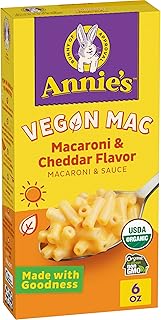

Labeling and Certification: Look for vegan or plant-based labels to ensure the product meets dietary requirements
When shopping for plant-based alternatives to traditional dairy products like cheddar cheese, it's crucial to pay close attention to labeling and certification. Vegan or plant-based labels are not just marketing tools; they are indicators that the product meets specific dietary requirements and standards. These labels ensure that the product does not contain any animal-derived ingredients, which is essential for those following a vegan diet or avoiding dairy due to allergies or intolerances.
To ensure you're selecting a product that truly aligns with your dietary needs, look for certifications from recognized organizations such as the Vegan Society or the Plant-Based Foods Association. These certifications involve a rigorous evaluation process to verify that the product is free from animal products and byproducts. Additionally, some labels may indicate that the product is non-GMO, gluten-free, or made without soy, which can be important for individuals with specific dietary restrictions or preferences.
It's also important to be aware of misleading labels or greenwashing, where a product may claim to be plant-based but still contain animal-derived ingredients or be processed in facilities that handle dairy products. Always read the ingredient list carefully and look for any potential allergens or ingredients that don't align with your dietary requirements.
In the case of cheddar cheese alternatives, some products may use plant-based oils, nuts, or soy to mimic the flavor and texture of traditional cheddar. These ingredients should be clearly listed on the label, allowing you to make an informed decision about whether the product is suitable for your diet.
Remember, not all plant-based products are created equal, and some may contain additives or preservatives that you may want to avoid. By carefully examining labels and certifications, you can make confident choices that support your health and ethical values.
Navigating Dairy with Kidney Disease: Is Cheddar Cheese Safe?
You may want to see also
Frequently asked questions
No, traditional cheddar cheese is not plant-based. It is made from cow's milk and contains animal rennet, which is an enzyme derived from the stomach lining of calves.
There are several plant-based alternatives to cheddar cheese available, including vegan cheddar made from soy milk, almond milk, or coconut milk. These alternatives often use plant-based rennet and may contain additional ingredients like nutritional yeast to enhance flavor.
The taste of plant-based cheddar can vary depending on the brand and ingredients used. Some plant-based cheddars have a similar sharp, tangy flavor to traditional cheddar, while others may have a milder or slightly different taste. It's often a matter of personal preference.
Plant-based cheddar can be a healthier alternative to traditional cheddar for some people. It is typically lower in saturated fat and cholesterol, and may contain more fiber and nutrients depending on the ingredients used. However, it's important to check the nutrition label and ingredient list to ensure that the plant-based cheddar you choose is a healthy option.
Yes, plant-based cheddar can generally be used in the same way as traditional cheddar in recipes. It can be grated, sliced, or melted and used in dishes like sandwiches, salads, soups, and casseroles. However, the melting properties may differ slightly, so it's a good idea to experiment with different brands and types to find the one that works best for your needs.